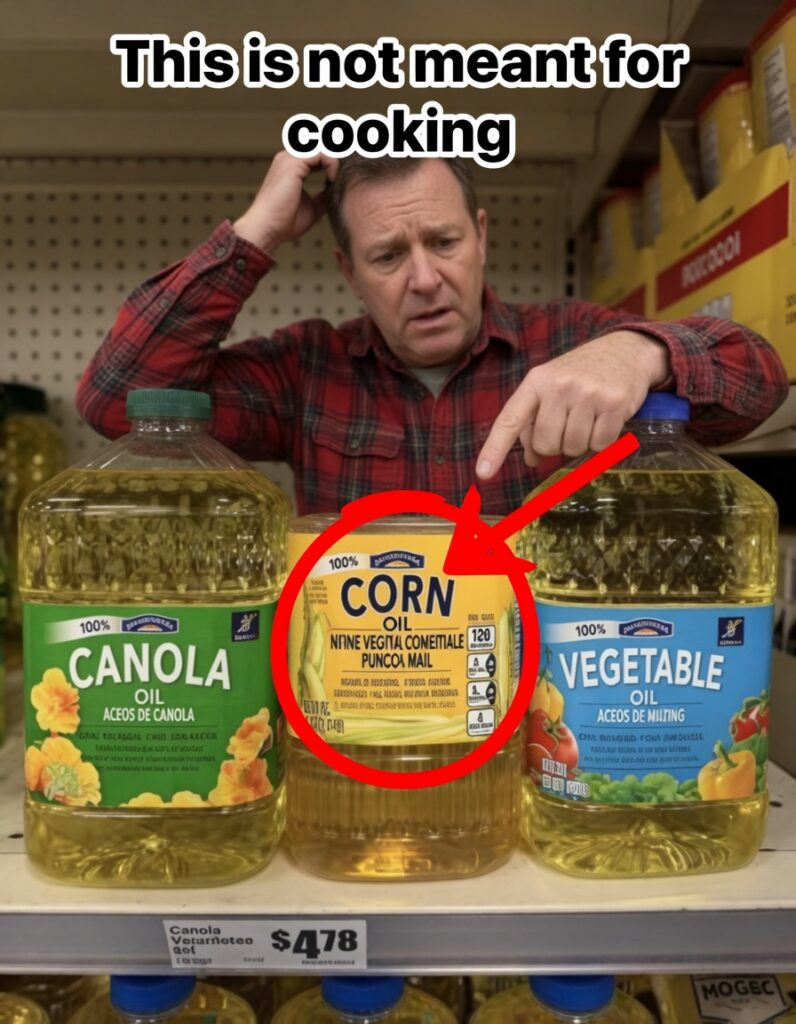
Why Canola, Corn, and Vegetable Oils May Not Be the Best Cooking Choices
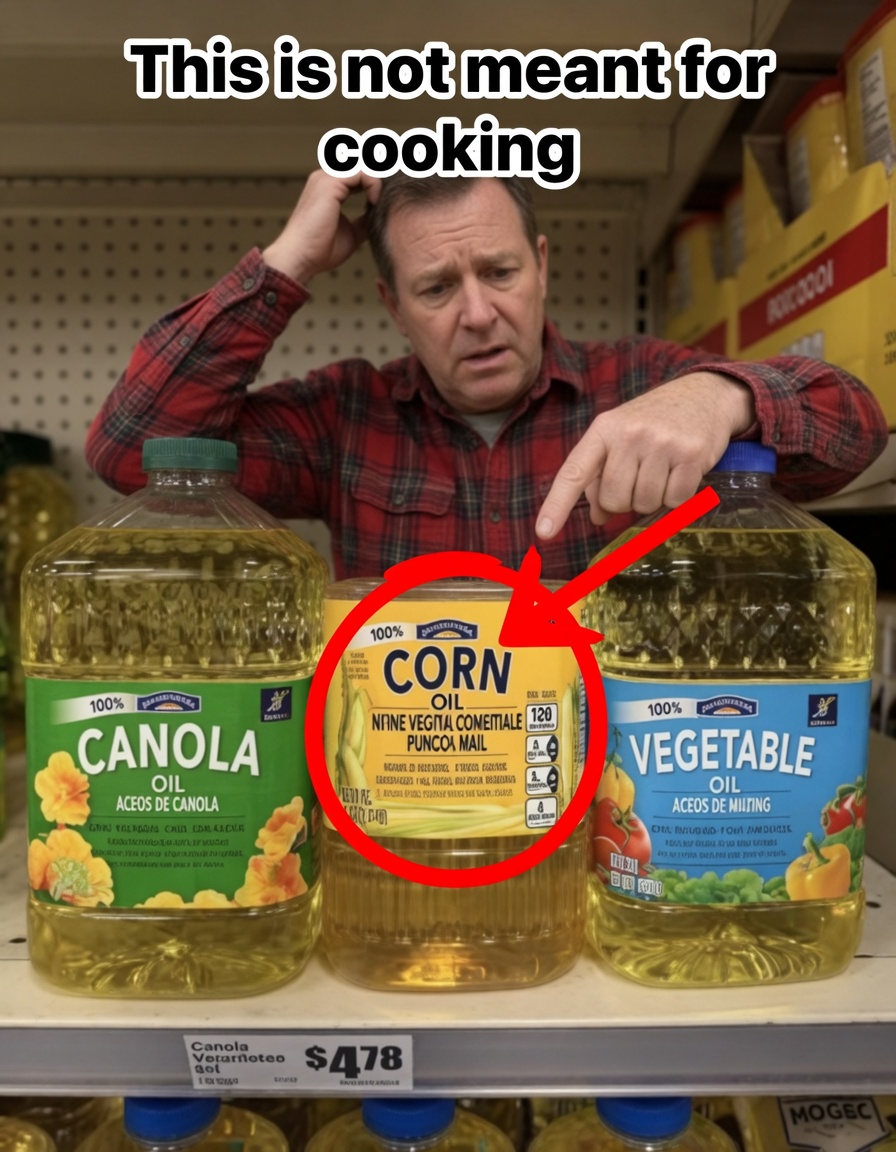
When you’re buying cooking oil, budget-friendly staples like canola oil, corn oil, and generic vegetable oil are easy to find and commonly used at home. Even though they’re convenient and affordable, they aren’t always the healthiest option—especially when you cook with high heat. Here’s what to know before making them your go-to oils.
1) High Omega-6 Content Can Fuel Inflammation
Many seed-based oils, including canola, corn, and vegetable oils, contain large amounts of omega-6 fatty acids. Omega-6 is necessary for the body, but most Western-style diets already provide more than enough.
When omega-6 intake is too high and omega-3 fatty acids are relatively low, the body’s fat balance can shift in a way that may encourage chronic inflammation. This imbalance has been linked to a higher risk of health concerns such as:
- Heart disease
- Obesity
- Other inflammation-related conditions
2) Heavy Refining Removes Natural Nutrients
Oils like corn oil, soybean oil, and many “vegetable oils” are typically produced through intense industrial processing. The refining often includes:
- High-temperature extraction
- Chemical solvents such as hexane
This process can reduce or remove naturally occurring antioxidants and beneficial compounds found in less-processed oils, leaving a more refined product with fewer potential nutritional advantages.
3) Heat Can Break These Oils Down Into Harmful Compounds
Another concern is how these oils behave during cooking. Many have low to moderate smoke points, meaning they can start to degrade at temperatures commonly reached during frying or high-heat sautéing.
Once an oil passes its smoke point, it may produce harmful byproducts such as:
- Free radicals
- Acrolein (a toxic compound that can also create unpleasant flavors and odors)
Regular high-heat cooking with unstable oils may increase exposure to these undesirable compounds.
4) Refining Can Create Small Amounts of Trans Fats
During processing, trace amounts of trans fats can form. Trans fats are widely recognized for their negative impact on heart and metabolic health because they can:
- Increase LDL (bad cholesterol)
- Decrease HDL (good cholesterol)
Over time, even small, consistent exposure may contribute to a higher risk of heart disease, stroke, and type 2 diabetes.
Healthier Cooking Oil Alternatives to Consider
If you want better options for everyday cooking, choose oils that are less processed and more stable, especially at higher temperatures:
- Extra Virgin Olive Oil: High in antioxidants and monounsaturated fats; best for low to medium heat cooking.
- Coconut Oil: More heat-stable and suitable for higher-temperature cooking.
- Avocado Oil: Known for a high smoke point, making it a strong choice for frying and high-heat methods.
- Ghee (Clarified Butter): Has a high smoke point and adds rich flavor; ideal for cooking at higher temperatures.
Bottom Line: A Simple Swap Can Support Better Health
While canola, corn, and vegetable oils are inexpensive and widely available, frequent use—especially for high-heat cooking—may come with downsides. Switching to more stable, nutrient-rich oils can help:
- Support a healthier omega balance
- Reduce inflammation triggers
- Limit exposure to heat-related toxic compounds
Next time you cook, choosing a better oil is a small change that can make a meaningful difference for both flavor and long-term well-being.