Introduction to Flaxseed
Flaxseed (also called linseed) may be tiny, but it delivers big health benefits. Adding just one tablespoon of flaxseed per day can support your cardiovascular system and may help lower the risk of blood clots, heart attacks, and strokes. Here’s why this simple habit can make a meaningful difference.
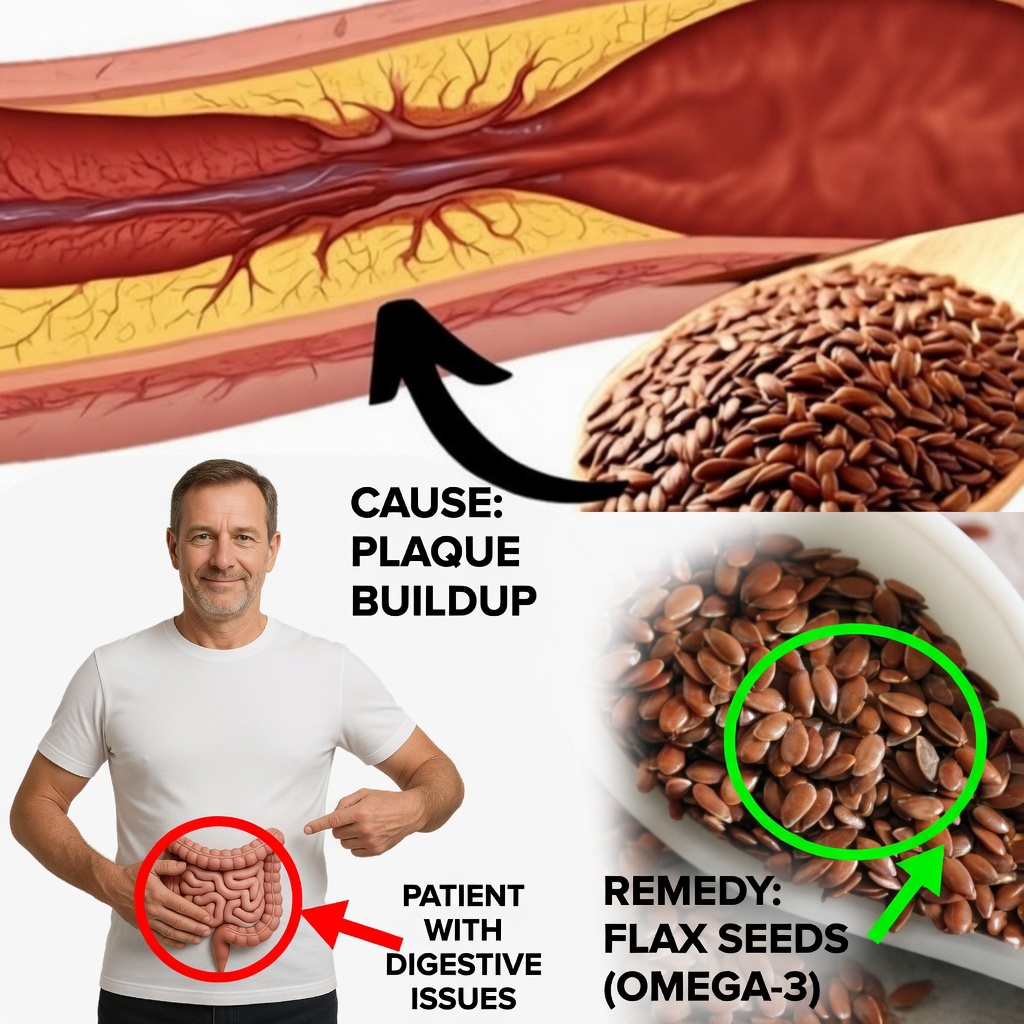
Rich in Omega-3 Fatty Acids
One of flaxseed’s most valuable nutrients is its high level of omega-3 fatty acids, which are widely linked to heart protection. Omega-3s can:
- Help reduce inflammation
- Support healthier triglyceride levels
- Promote stable blood pressure
By improving these key markers, omega-3s also contribute to better blood flow and may help reduce the conditions that encourage clot formation, a major factor behind heart attacks and strokes.
High in Dietary Fiber
Flaxseed is an excellent source of soluble and insoluble fiber, both of which play different but important roles:
- Soluble fiber can help lower cholesterol by binding to bile acids and helping remove them from the body, which reduces circulating cholesterol.
- Insoluble fiber supports regular digestion, helping prevent constipation and keeping the gut moving smoothly.
Together, these fibers support heart health and improve overall digestive function, making flaxseed a smart addition for everyday wellness.
Antioxidant Powerhouse (Lignans)
Flaxseed contains lignans, plant compounds with strong antioxidant effects. These antioxidants help protect the cardiovascular system by:
- Reducing plaque buildup in arteries
- Supporting healthier blood vessels and circulation
- Fighting oxidative stress, which can damage cells and contribute to artery narrowing
This matters because plaque buildup can lead to atherosclerosis, a condition that restricts blood flow and increases the risk of heart attacks and strokes.
How to Add Flaxseed to Your Diet
Including flaxseed in meals is simple and flexible. Popular options include:
- Sprinkling ground flaxseed on cereal or yogurt
- Blending it into smoothies
- Mixing it into baked goods like muffins and breads
For the best nutrition, choose ground flaxseed instead of whole seeds, since it’s easier for your body to digest and absorb.
Conclusion
A daily tablespoon of flaxseed is a small step with major potential benefits for heart health. With its combination of omega-3 fatty acids, fiber, and antioxidants, flaxseed can help support healthier arteries and may reduce the risk of blood clots, heart attacks, and strokes. Start with one simple serving a day and build a stronger foundation for long-term well-being.