Compound Exercises: The Best Way to Build Full-Body Strength and Functional Fitness
Compound exercises are among the most effective movements for training the entire body and improving functional fitness. Unlike single-joint exercises, they recruit several muscle groups at once and often raise your heart rate at the same time.
You can also combine compound movements to challenge even more muscles in one sequence. Examples include a clean and jerk or a reverse lunge paired with a biceps curl.
By comparison, isolation exercises focus on just one muscle group at a time. For instance, a lower back machine mainly works the muscles of the lower back. A barbell squat, however, trains your legs, core, and lower back together.
Isolation training still has value. If your goal is muscle growth, adding isolation work after your main compound lifts can help increase muscle size. That is one reason bodybuilders use it regularly. Isolation exercises are also useful in physical therapy, where they can help strengthen joints or rebuild a muscle after injury.
Still, if you avoid compound exercises, your posture may decline, your gym progress can slow down, and you will miss movement patterns that matter in daily life. In other words, it is very difficult to become truly fit without including compound training in your program.
This guide explains the main benefits of compound exercises and highlights some of the best compound movements to include in your workout routine.
What Are Compound Exercises?
A compound exercise is any movement that works multiple joints and several muscle groups at the same time.
A push-up is a simple example. In one motion, it challenges the chest, triceps, shoulders, and core. Because of that, compound exercises are highly efficient for building strength, improving athletic ability, and developing practical, real-world fitness.
Why Compound Exercises Matter
Since compound exercises activate more muscles in each rep, they offer a wide range of benefits, including:
- Greater strength gains
- More muscle-building potential
- Better power for sports performance
- Increased cardiovascular demand
- Faster improvements in overall fitness
- Stronger full-body coordination
- Fewer muscle imbalances
- More efficient workouts
- Support for fat loss and muscle gain
- Suitable options for both beginners and advanced trainees
Another advantage is variety. Compound exercises can be done with:
- Barbells
- Dumbbells
- Kettlebells
- Resistance bands
- Sandbags
- Machines
- Bodyweight only
They are also easier to modify than many isolation exercises, which makes them ideal for almost any training level.
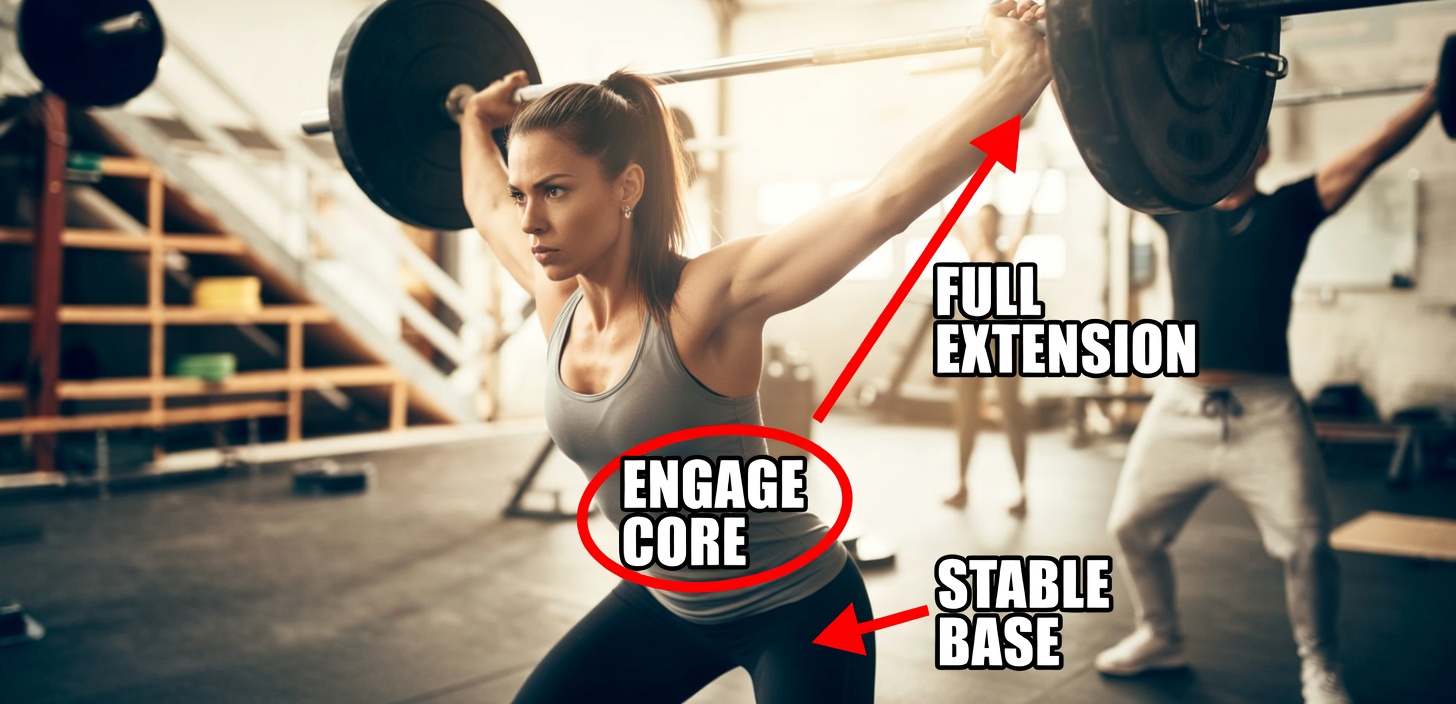
Compound Exercises You Can Do Almost Anywhere
One of the best things about compound movements is their flexibility. You can do them in a fully equipped gym, at home, or even outdoors. If you do not have access to machines or weights, you can still get a great workout using bodyweight or household items like chairs, benches, or a wall.
Popular compound exercises include:
- Barbell bench press
- Chin-ups
- Deadlifts
- Barbell back squats
- Push-ups
- Walking lunges
- Kettlebell swings
- Sumo deadlifts
- Barbell rows
- Renegade rows
- Seated rows
- Chest press
- Shoulder press
- Ab wheel rollouts
There is almost no limit to the number of compound movements you can use. In general, they revolve around key movement patterns such as pushing, pulling, hinging, squatting, carrying, and lunging. That is why they are so valuable for both gym performance and everyday life.
10 Best Compound Exercises to Add to Your Routine
1. Squat
Targets: glutes, quadriceps, hamstrings, calves, lower back, abdominals
The squat is one of the most important compound lifts for both beginners and experienced lifters. It is excellent for building lower-body strength, improving athletic power, supporting fat loss, and increasing muscle mass.
You can perform squats with:
- Bodyweight
- Dumbbells
- Kettlebells
- A barbell
How to do a basic squat
- Stand with your feet about shoulder-width apart.
- Extend your arms in front of you for balance.
- Push your hips back and bend your knees.
- Lower until your hips drop below knee level, if mobility allows.
- Press through your feet to stand back up.
If bodyweight squats feel too easy, try a goblet squat by holding a dumbbell close to your chest. For heavier strength work, the barbell back squat remains one of the best options. Other useful variations include the front squat and Bulgarian split squat.
2. TRX Row
Targets: rhomboids, traps, lats, biceps, forearms
Not every compound exercise needs a heavy barbell. Some of the most effective movements use only bodyweight. The TRX row is a great example and works especially well for beginners, older adults, and anyone looking to improve upper-body control.
It strengthens the same major back muscles as other rowing exercises while also improving stability and coordination.
How to do a TRX row
- Hold the TRX handles firmly.
- Walk your feet forward until your body forms a straight line and your arms are extended.
- Pull your chest toward the handles by driving your elbows back and squeezing your shoulder blades together.
- Lower yourself slowly to the starting position.
A major benefit of the TRX is grip variety. You can row with:
- Palms facing each other
- Palms facing down
- A rotating grip during the movement
And remember, all rows are compound exercises, including machine seated rows and barbell rows.
3. Deadlift
Targets: glutes, hamstrings, hips, lower back, core, forearms, traps, rhomboids, torso
The deadlift is one of the best compound exercises for total-body strength and muscle growth. It is especially powerful for training the posterior chain, which includes the muscles along the back side of your body.
Learning to deadlift properly can also help protect you in daily life by teaching you how to safely lift objects from the floor.
You can deadlift with:
- A barbell
- Dumbbells
- Kettlebells
- Resistance bands
Barbell deadlift
- Load the bar and stand with your feet under it, shins close to the bar.
- Grip the bar with one hand overhand and the other underhand, or use a double overhand grip.
- Keep your spine neutral and lower your hips until you feel tension.
- Drive through the floor and lift the bar by engaging your glutes and hamstrings.
- Keep the bar close to your body as you stand tall.
- Lower it back down under control.
Dumbbell deadlift
- Stand with your feet hip-width apart.
- Hold a pair of dumbbells in front of your thighs with palms facing your body.
- Brace your core and keep your back straight.
- Hinge at the hips, pushing them backward as the dumbbells move down in a straight path.
- Lower until you feel a stretch in your hamstrings.
- Return to standing by squeezing your glutes.
Keeping the weight close to your legs is important for protecting the lower back and maintaining solid form.
4. Bench Press
Targets: chest, shoulders, triceps
The barbell bench press is often called the king of chest exercises, and for good reason. It is one of the most effective compound lifts for building upper-body strength and adding muscle to the chest, front shoulders, and triceps.
How to do the bench press
- Lie on the bench with your eyes slightly under the bar.
- Grip the bar evenly with both hands.
- Unrack the bar and hold it over your chest with straight arms.
- Lower the bar slowly to your mid-chest.
- Press the bar back up until your arms are fully extended.
- Return the bar to the rack with control.
Good bench press technique depends on a stable upper back, controlled bar path, and steady foot pressure on the floor.
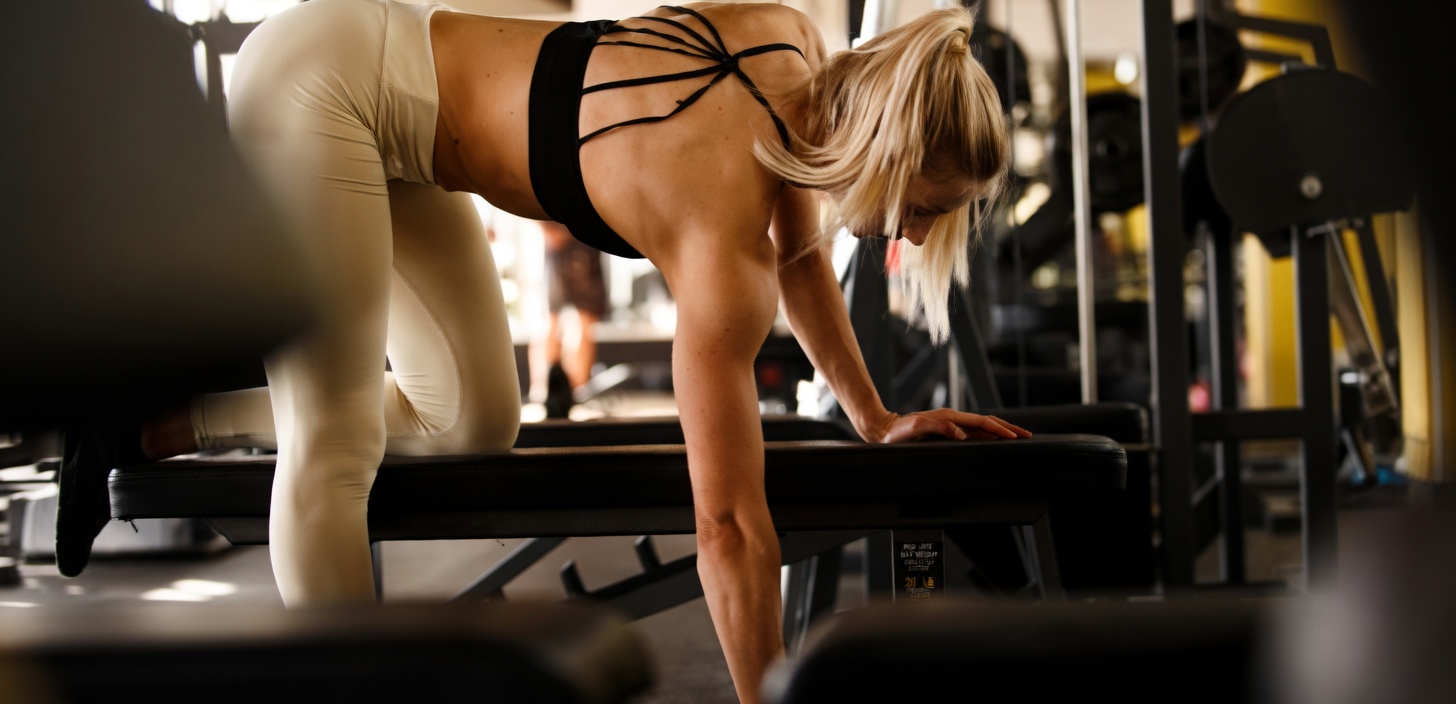
5. Push-Up
Targets: chest, shoulders, triceps, core
The push-up is one of the best bodyweight compound exercises. It requires no equipment, can be done almost anywhere, and builds upper-body strength while also challenging core stability.
How to do a push-up
- Start in a plank position with your hands slightly wider than shoulder-width.
- Keep your body in a straight line from head to heels.
- Lower your chest toward the floor.
- Press back up to the starting position.
If standard push-ups are too difficult, begin with incline push-ups using a bench or wall.
6. Walking Lunge
Targets: glutes, quads, hamstrings, calves, core
Walking lunges improve leg strength, balance, coordination, and single-leg control. They are highly functional because they train movement patterns used in everyday walking, climbing, and changing direction.
How to do a walking lunge
- Stand tall with your feet together.
- Step forward with one leg.
- Lower until both knees are bent.
- Push through the front foot and bring the back leg forward into the next step.
- Repeat on the other side.
You can do them with bodyweight, dumbbells, or a barbell.
7. Pull-Up or Chin-Up
Targets: lats, biceps, upper back, forearms, core
Pull-ups and chin-ups are classic compound exercises for upper-body pulling strength. They build the back and arms while improving grip and body control.
How to do a chin-up
- Grab the bar with your palms facing you.
- Hang with your arms fully extended.
- Pull yourself upward until your chin clears the bar.
- Lower with control.
If you are not ready for full reps, use bands or assisted machines.
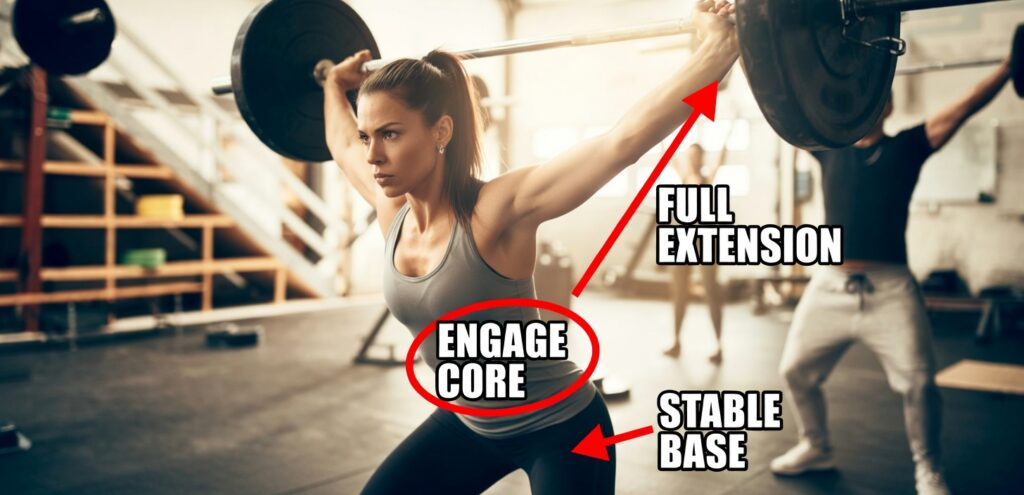
8. Overhead Press
Targets: shoulders, triceps, upper chest, core
The overhead press is a powerful upper-body compound movement that develops shoulder strength and total-body stability. Because the load is held overhead, your core must work hard to keep you balanced.
How to do an overhead press
- Stand with your feet shoulder-width apart.
- Hold the barbell or dumbbells at shoulder height.
- Brace your core and keep your torso upright.
- Press the weight overhead until your arms are straight.
- Lower it back to the starting position.
9. Barbell Row
Targets: lats, rhomboids, traps, biceps, rear shoulders, core
The barbell row is one of the best compound exercises for building a strong back. It also supports better posture and helps balance pressing movements like the bench press.
How to do a barbell row
- Hold the barbell with your hands just outside shoulder-width.
- Hinge at the hips and keep your back flat.
- Pull the bar toward your lower chest or upper stomach.
- Squeeze your shoulder blades together at the top.
- Lower the bar under control.
10. Kettlebell Swing
Targets: glutes, hamstrings, hips, lower back, core, shoulders
The kettlebell swing is a dynamic compound movement that trains power, endurance, and conditioning. It strongly activates the posterior chain and can also elevate your heart rate quickly.
How to do a kettlebell swing
- Stand with your feet slightly wider than hip-width apart.
- Hold the kettlebell with both hands.
- Hinge at the hips and swing the kettlebell back between your legs.
- Drive your hips forward explosively to swing it to chest height.
- Let it return naturally and repeat.
This move is excellent for athletes and anyone who wants to combine strength and cardio in one exercise.
Compound Exercises vs. Isolation Exercises
Both styles of training can be useful, but they serve different purposes.
Compound exercises
- Train several muscles at once
- Improve functional fitness
- Save time
- Build strength efficiently
- Burn more energy per movement
Isolation exercises
- Focus on one muscle at a time
- Help bring up weak points
- Support bodybuilding goals
- Can be useful in rehab and physical therapy
For most people, the best approach is to build workouts around compound exercises first, then add isolation work if needed.
Final Thoughts
If you want to get stronger, improve posture, move better in daily life, and make faster progress in the gym, compound exercises should be the foundation of your training plan.
They build total-body strength, improve coordination, increase fitness in less time, and help prepare your body for real-world movement. Whether you train with barbells, dumbbells, machines, bands, or just your own bodyweight, compound exercises are essential for long-term results.
Start with the basics, focus on proper form, and make these full-body movements a regular part of your workouts.