Foods That May Help Lower Cholesterol Naturally
Cardiovascular disease remains the leading cause of death in the United States.
One major risk factor is high cholesterol, especially elevated LDL cholesterol, which is closely linked to heart disease. The good news is that cholesterol levels can often improve through diet and lifestyle changes.
Certain foods may help reduce bad LDL cholesterol and support better heart health overall. Below is a practical guide to understanding cholesterol and the foods that can help manage it naturally.
What Is Cholesterol?
Cholesterol is carried in the blood in two main forms: LDL and HDL.
LDL cholesterol stands for low-density lipoprotein. Because it is smaller and denser, it is more likely to stick to artery walls. That is why it is often called “bad” cholesterol. Too much LDL in the bloodstream can increase the risk of plaque buildup.
HDL cholesterol, or high-density lipoprotein, is often known as “good” cholesterol. It is larger and less likely to cling to blood vessels. Healthy HDL levels are important because HDL helps remove excess cholesterol from the body.
For good cardiovascular health, your body needs the right balance between LDL and HDL. High LDL or low HDL can both be harmful.
Why Are There “Good” and “Bad” Types of Cholesterol?
Cholesterol is not entirely bad. In fact, it is essential for life.
It is a waxy substance the body uses to:
- build cell membranes
- support hormone production
- help absorb certain vitamins and minerals
Because cholesterol is so important, the body produces it on its own.
Its role also involves transportation. Cholesterol helps move substances through the body in two main directions:
- LDL transports cholesterol from the liver to the body’s cells
- HDL carries excess cholesterol back to the liver for removal
LDL helps deliver what the body needs, but when levels become too high, the excess can stay in the bloodstream and raise the risk of cardiovascular disease.
HDL acts like a cleanup system, returning extra cholesterol to the liver, where it can be processed and excreted through bile acids.
What Are Triglycerides?
Triglycerides are often discussed alongside cholesterol, but they are not the same thing.
They are a type of fat the body uses for energy. Triglycerides are commonly produced in the liver when you consume more sugar or carbohydrates than the body immediately needs.
High triglyceride levels are associated with a greater risk of:
- heart disease
- stroke
- heart attack
If your triglycerides are elevated, it is a good idea to speak with your doctor or a registered dietitian about a heart-healthy eating plan.
Why Cholesterol Levels Matter
Heart health depends on maintaining a healthy ratio between LDL and HDL cholesterol.
If:
- LDL is too high, or
- HDL is too low
your risk of cardiovascular disease increases.
Your doctor can measure these levels with a blood test and help determine whether they are within a healthy range.
LDL vs. HDL: The Key Difference
Both LDL and HDL are lipoproteins, but they do different jobs.
- LDL delivers cholesterol to the body’s cells
- HDL collects excess cholesterol and carries it back to the liver
This difference is why LDL is considered harmful in excess, while HDL is protective.
High LDL Cholesterol
LDL is small enough to become trapped in blood vessel walls over time. This can lead to plaque buildup, which may eventually narrow or block arteries.
Long-term high LDL can contribute to:
- atherosclerosis
- coronary heart disease
- increased risk of heart attack or stroke
If diet and lifestyle changes are not enough, a doctor may recommend medication such as a statin.
Healthy HDL Cholesterol
HDL helps remove extra cholesterol from the bloodstream. It carries it back to the liver, where it can be broken down and removed from the body.
This protective role is one reason HDL is viewed as beneficial. Healthy HDL levels can lower the risk of heart disease.
How Diet Can Help Lower LDL Cholesterol
Many people can improve cholesterol levels through nutrition.
Some of the best foods for lowering cholesterol include:
- fruits
- non-starchy vegetables
- whole grains
- foods rich in soluble fiber
- heart-healthy fats
Helpful high-fiber foods include:
- oats
- barley
- leafy greens
- eggplant
- okra
- whole grains
Soluble fiber is especially valuable because it binds with fatty substances during digestion, helping reduce the amount absorbed into the bloodstream.
Although some people still need medication, many benefit from reducing unhealthy fats, improving overall diet quality, and managing total calorie intake when needed.
A doctor or dietitian can help you create a personalized cholesterol-lowering diet that fits your lifestyle.
Best Foods to Eat to Lower Cholesterol Naturally
1. Oats
Replacing sugary breakfast cereals with oats is a smart step for better heart health.
Whole grains are more effective for cholesterol management than refined grains such as:
- white bread
- white rice
- regular pasta
Refined grains lose much of their fiber and nutrients during processing. Whole grains, on the other hand, are rich in soluble fiber and contain beta-glucan, a compound known to help lower LDL cholesterol.
Soluble fiber works by binding fatty acids during digestion, which helps reduce cholesterol absorption.
Other whole grains that may support healthy cholesterol levels include:
- barley
- brown rice
- whole wheat foods
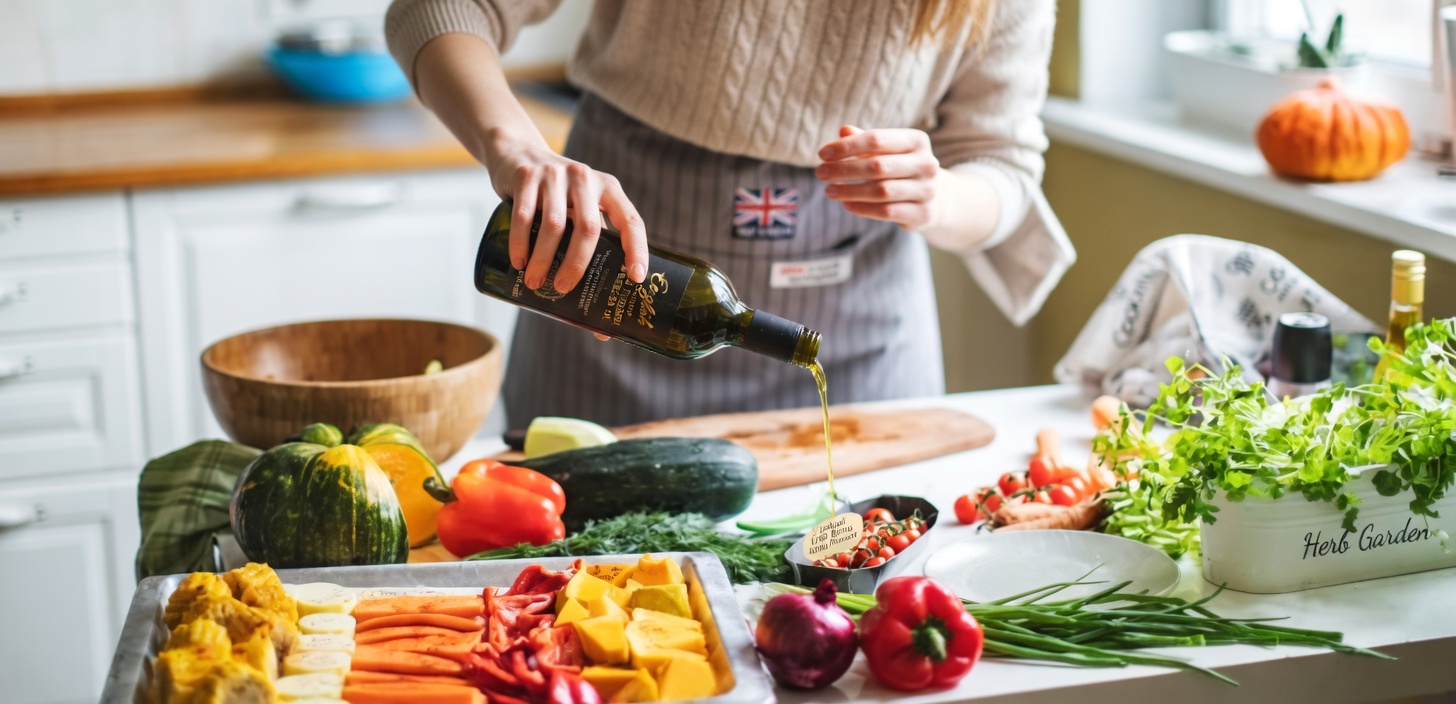
2. Olive Oil
Choosing healthier fats can make a meaningful difference in cholesterol levels, and olive oil is one of the best options.
Olive oil is rich in monounsaturated fats and contains no dietary cholesterol. It is a cornerstone of the Mediterranean diet, which is widely associated with heart health.
Foods high in monounsaturated fat may help reduce LDL cholesterol. While many vegetable oils have traditionally been promoted as healthy choices, olive oil is now widely recognized as one of the top options for supporting healthy blood lipids.
3. Soybeans
Soybeans and soy-based foods are another heart-friendly choice.
Soy is:
- high in polyunsaturated fats
- low in dietary cholesterol
- a source of plant sterols and stanols
These plant compounds have been linked to healthier LDL and HDL cholesterol levels.
Soy foods to consider include:
- soybeans
- tofu
- soy milk
- fermented soy products
Including soy in your meals, such as trying a meatless Monday, may help lower the risk of heart disease and related events like stroke or heart attack.
Soy also contains:
- fiber
- isoflavones
- lecithins
- calcium
Together, these nutrients can support cardiovascular health.
4. Blueberries
Blueberries and other berries are excellent for a cholesterol-friendly eating plan.
They are naturally:
- high in vitamin C
- rich in soluble fiber
- relatively low in sugar
Berries also contain pectin, a type of fiber that may help support healthy cholesterol levels. Because they are sweet and satisfying, they make a smart dessert or snack choice.
Easy ways to enjoy them include:
- adding blueberries to oatmeal
- mixing strawberries into yogurt
- blending berries into smoothies
5. Spinach
Spinach and other dark leafy greens are packed with nutrients that support heart health.
These vegetables are low in calories and rich in beneficial plant compounds, fiber, and minerals. Including more leafy greens in your meals can be a simple way to improve overall diet quality while supporting healthy cholesterol levels.
Try spinach in:
- salads
- smoothies
- omelets
- soups
- grain bowls
Final Thoughts
Lowering cholesterol naturally often starts with simple food choices. A diet built around whole grains, fiber-rich produce, soy foods, and healthy fats can help reduce LDL cholesterol and support long-term heart health.
If you are concerned about your cholesterol or triglycerides, speak with your doctor or a registered dietitian. They can help you understand your numbers and build a practical plan to protect your heart.