
Top High-Fiber Foods to Support a Healthy Gut
Many foods now proudly highlight their fiber content, and there is a good reason for that. Fiber has become a major focus because it plays an important role in digestion, gut health, and overall wellness.
With more than 70% of the immune system located in the digestive tract, taking care of your gut matters. Eating more high-fiber foods can help feed beneficial gut bacteria and keep digestion moving smoothly.

The Problem: Many People Are Not Getting Enough Fiber
Even though fiber is found in many everyday foods, most people still fall short.
According to the U.S. Dietary Guidelines, women should aim for 25 grams of fiber per day, while men should get 38 grams daily. However, most Americans are only getting about half of that.
If you are not sure how much fiber you eat, it may help to track what you typically eat in a day.
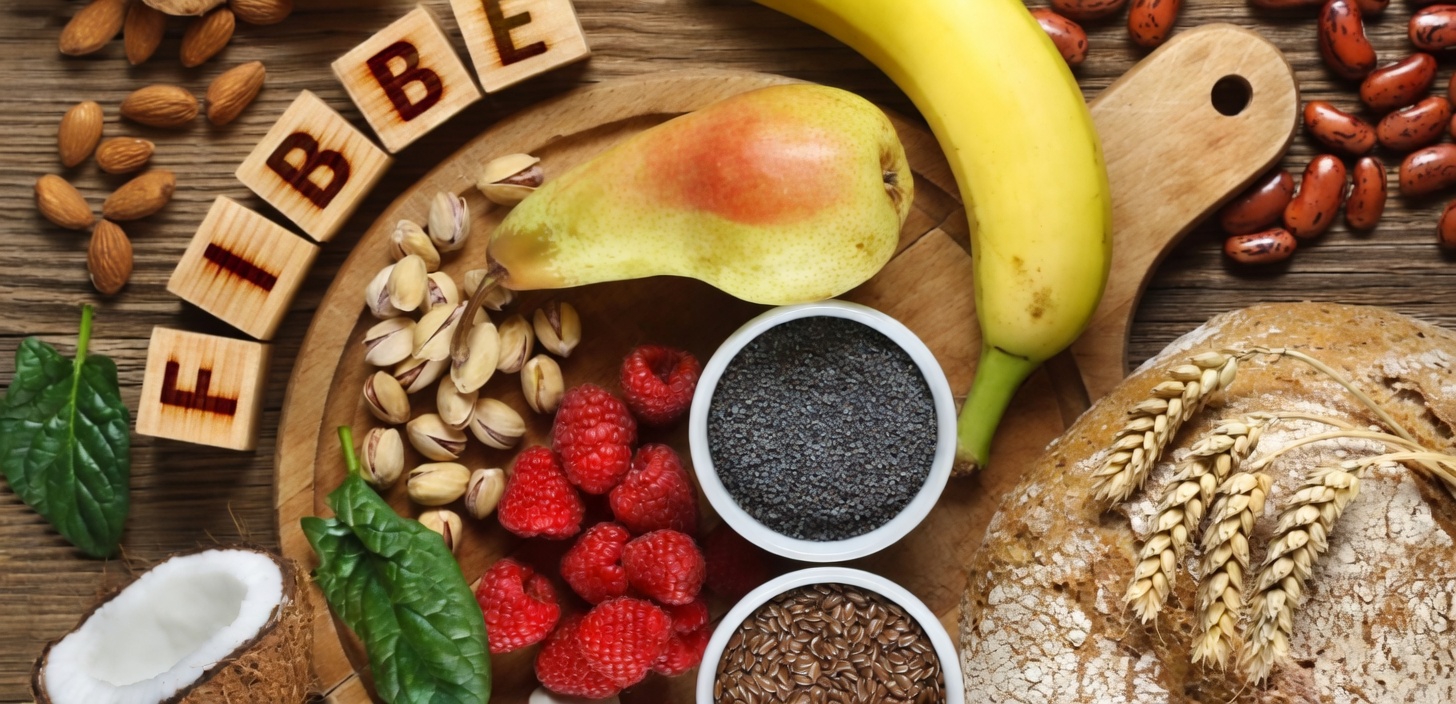
Fiber-rich choices can be both simple and delicious. Fruits, vegetables, whole grains, nuts, and seeds are all helpful ways to increase your intake.

The Cause: Why Fiber Matters for Gut Health
Fiber offers many benefits, including support for digestion and immunity. It is naturally found in fruits, vegetables, whole grains, and legumes, and it helps maintain intestinal health while supporting regular bowel movements.
There are two types of fiber:
- Soluble fiber forms a gel-like substance in the gut, which helps with digestion and supports stable blood sugar levels.
- Insoluble fiber adds bulk to stool, which helps promote regularity and prevent constipation.
Including high-fiber foods in your meals does more than support digestion. Fiber also helps nourish healthy gut bacteria, may support weight management, and may reduce the risk of chronic diseases such as diabetes and obesity.
For people with irritable bowel syndrome, adjusting fiber intake during flare-ups may help ease symptoms.
Prebiotics and Probiotics: What’s the Difference?
You may already know about probiotics, the beneficial bacteria that live in the gut and are linked to many health benefits. The goal is to have more helpful bacteria than harmful bacteria in your digestive system.
Probiotics include bifidobacteria and lactobacillus, and they are found in fermented foods such as:
- Yogurt
- Kimchi
- Sauerkraut
- Miso
- Kefir
- Kombucha
Prebiotics are the foods that help these beneficial bacteria live and thrive. They are largely made up of fiber, especially soluble fiber.
Foods rich in resistant starch, such as green bananas, also act as prebiotics.
Try to include both probiotic and prebiotic foods in your diet to support a healthy gut microbiota and digestive system.
Other Habits That Can Affect Your Gut
Some everyday choices can also influence your gut microbiome.
- Antibiotic use can affect gut bacteria by killing off gut flora and disrupting microbiome balance.
- After finishing an antibiotic, it can be helpful to include probiotics and prebiotics in your meals.
- Eating too many artificial sweeteners may also affect your gut microbiome, so moderation is a wise approach.
The Solution: High-Fiber Foods to Add to Your Diet
If you want to improve gut health, one of the easiest steps is to eat more fiber-rich foods. Below are some of the best options mentioned in this guide.
1. Broccoli
Broccoli is far more than an overcooked side dish from the past. This cruciferous vegetable is packed with nutrition, including vitamins C, K, and B, plus potassium, iron, and antioxidants that help fight inflammation.
It is also a helpful source of fiber. Each cup of broccoli contains 2.4 grams of fiber.
Easy ways to enjoy it include:
- Steamed
- Roasted
- Tossed into slaw

2. Oats
Oats are a classic breakfast choice that also supports fiber intake. One cooked cup of oatmeal contains 4.8 grams of fiber, and 1/2 cup dry oats usually makes about 1 cup cooked.
Oatmeal is also known for supporting heart health by helping reduce cholesterol.
You can make oats even more satisfying by adding other fiber-rich foods, such as:
- Berries
- Nuts
- Seeds
Oats also work well in:
- Smoothies
- Burger patties
- Muffins
3. Berries
Berries make a sweet topping for yogurt or oatmeal, but they also deliver a lot nutritionally. They contain vitamins, minerals, polyphenols, and antioxidants that can help calm inflammation.
They are also high in fiber. One cup of berries provides about 8 grams of fiber and only 64 calories.
Great options include:
- Raspberries
- Blueberries
- Strawberries
- Blackberries
You can add them to smoothies or toss them into a salad for a naturally sweet touch.

4. Legumes
Legumes include:
- Beans
- Peas
- Chickpeas
- Pulses
These pantry staples are used all over the world, and for good reason. They add texture, flavor, and a big fiber boost to meals.
They also provide:
- Vitamins
- Minerals such as iron
- Protein
- Very high fiber content
Some examples:
- 1/2 cup cooked lentils or navy beans provides about 7 grams of fiber
- 1/2 cup cooked peas provides about 4 grams of fiber, along with vitamin A, which is important for eye health
Lentils may help lower blood sugar in people with diabetes when eaten instead of other starches. Some beans may also help lower LDL, or “bad” cholesterol.
Try legumes in:
- Pasta dishes
- Burgers
- Burritos
- Salads
- Rice dishes
You can also mash beans into a spread for toast or crackers, or stew beans and split peas with onion, garlic, and spices for a hearty main dish.
5. Popcorn
Popcorn is not just a movie snack. It can also be a smart way to eat more fiber.
Three cups of air-popped popcorn contain 3.6 grams of fiber and about 100 calories.
The key is to air pop it so you avoid adding lower-quality fats and too much sodium.
Many people like popcorn as an alternative to whole-grain crackers because it offers more fiber and fewer calories.
For extra flavor, try seasoning it with:
- Pepper
- Cumin
- Paprika
- Garlic powder
This can add flavor and antioxidants while keeping salt lower.
6. Pears
Pears are a simple and satisfying source of fiber. One medium pear contains 6 grams of fiber.
They also provide a good amount of vitamin C, and like apples, they can keep well in the refrigerator for a few weeks.
For a more balanced snack, pair a pear with:
- Cheese
- Nuts
That combination adds healthy fats and protein.
7. Avocado
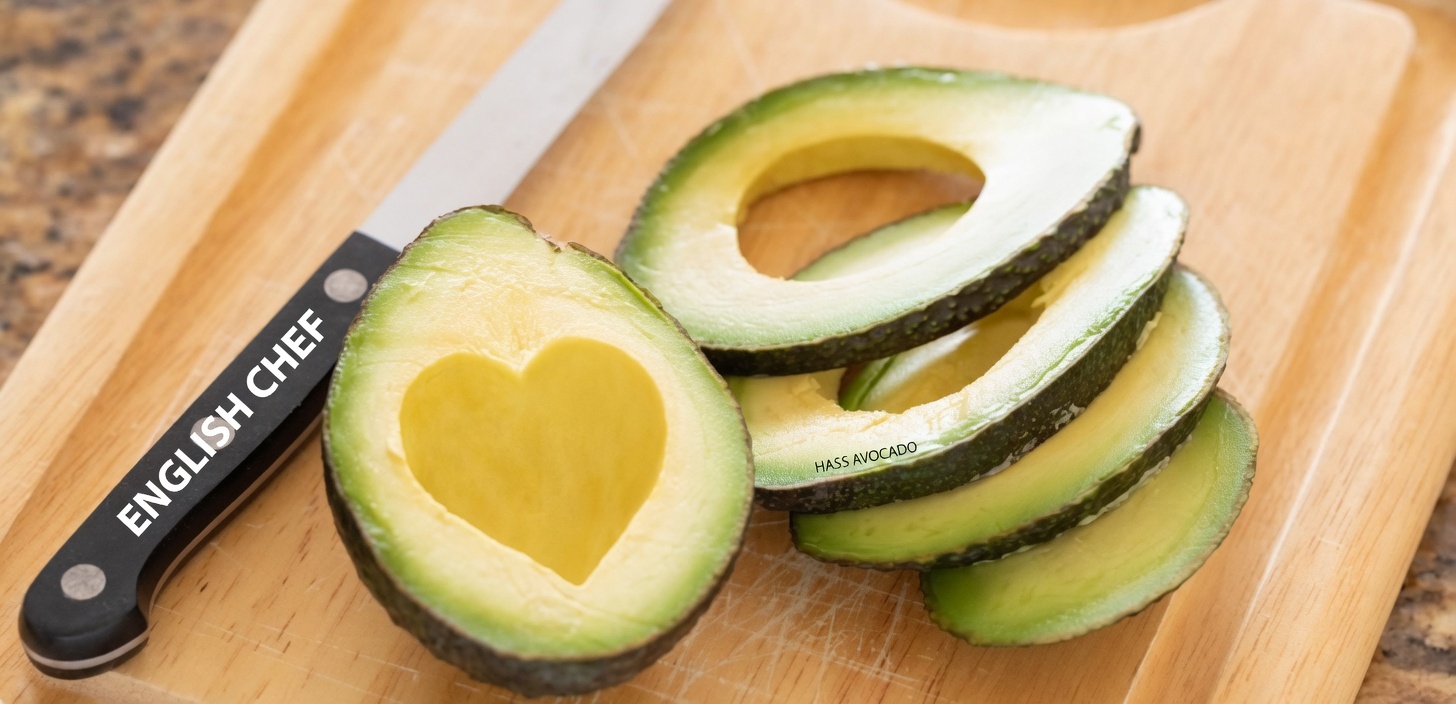
Avocado is another tasty way to raise the fiber content of your meals. Half of an average avocado contains 5 grams of dietary fiber, which is 18% of the daily value.
Avocados also contain monounsaturated fat, the same type of healthy fat found in olive oil and fish.
Because avocados are higher in fat and calories, enjoying them in moderation may be a good idea.
Easy ways to use avocado:
- In sandwiches
- On salads
- In smoothies
- Mashed into guacamole
8. Collard Greens
Spinach and kale get plenty of attention, but collard greens deserve a place on your plate too.
This comforting Southern favorite offers vitamin K and fiber. One cup of cooked collard greens contains 2.5 grams of fiber.
They are delicious:
- Sautéed
- Braised
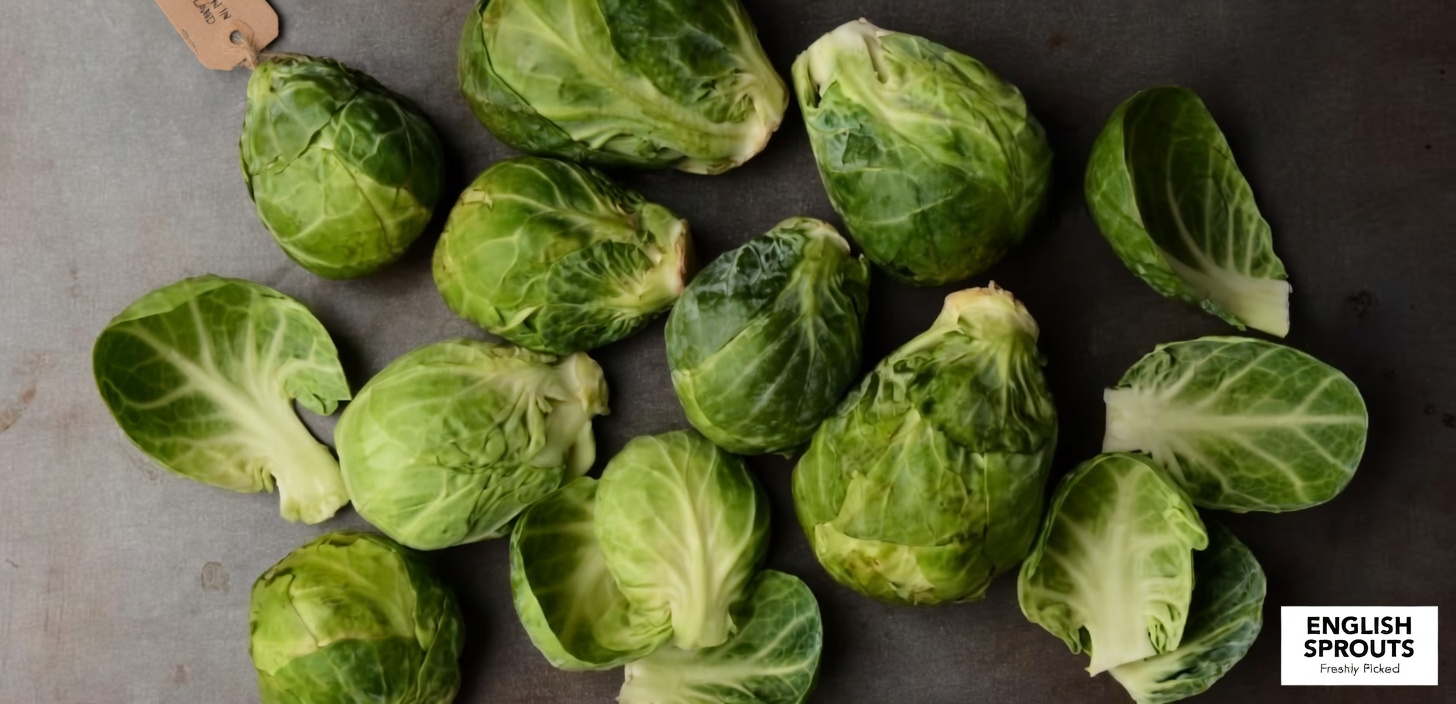
9. Brussels Sprouts
Brussels sprouts have come a long way from the overcooked version many people remember. These cruciferous vegetables are packed with nutrition and fiber.
One cup of cooked Brussels sprouts contains 6 grams of fiber.
They can be enjoyed:
- Slow-roasted
- Stir-fried
- Thinly sliced into slaw
10. Chia Seeds
Chia seeds may be tiny, but they are a major fiber source. One ounce of chia seeds, which is a little under 3 tablespoons, contains about 10 grams of fiber.
They are an easy addition to meals and snacks when you want a simple fiber boost.
Related Gut Health Reads
You may also be interested in:
- The One Breakfast Should Be Eating More Often For Gut Health
- Research Finds Gut Microbiome Alters the Way You Lose Weight
- 12 Signs You Have a Leaky Gut — and How To Heal It
Final Takeaway
Getting enough fiber can make a meaningful difference for your digestion, gut bacteria, and overall health. Since most people are only getting about half of the recommended amount, adding more fiber-rich foods to your routine is a smart place to start.
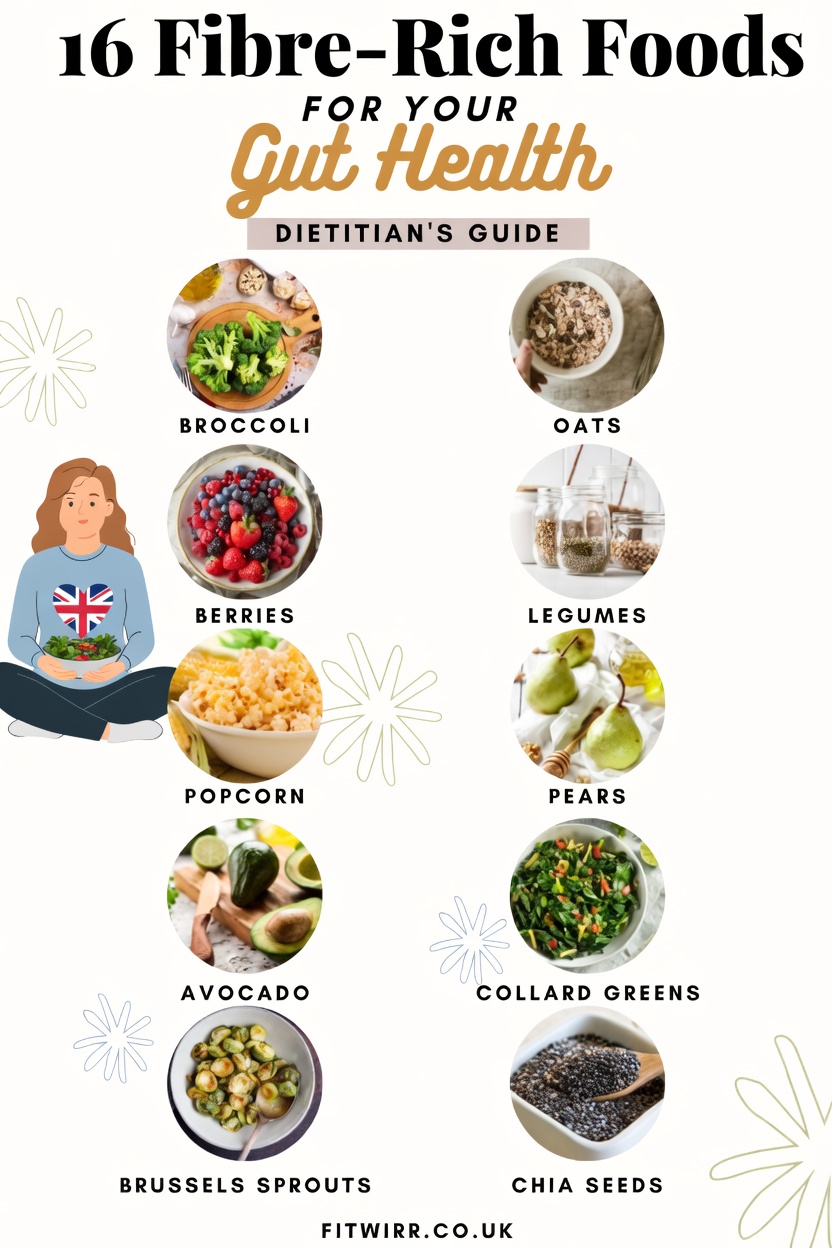
Broccoli, oats, berries, legumes, popcorn, pears, avocado, collard greens, Brussels sprouts, and chia seeds are all practical choices that can help support a healthier gut.
Consult a healthcare professional before making changes.