4 Simple, Science-Backed Tips to Reduce Belly Fat and Get a Flatter Stomach
For many people who exercise regularly, achieving a toned waistline and visible abs is a major fitness goal. However, losing fat around the midsection can feel frustrating if you do not have the right plan in place.
A lot of people struggle to lose belly fat, not because their body cannot do it, but because they are using the wrong approach.
The good news is that with the right strategy, it is possible to reduce excess stomach fat and work toward a flatter, healthier-looking abdomen.
In this article, you will learn 4 practical and research-supported ways to reduce belly fat effectively.
Understanding the Different Types of Belly Fat
Some body fat is completely normal and necessary. But carrying too much fat, especially visceral fat, can become a serious health concern.
Studies have connected excess visceral fat with a higher risk of conditions such as:
- Heart disease
- Type 2 diabetes
- Metabolic problems
- Other chronic health issues
The challenge is that visceral fat is not easy to measure at home because you cannot see it directly or grab it with your fingers.
When you pinch your stomach, what you are usually feeling is subcutaneous fat. This is the fat stored just under the skin, often noticeable around the waistline. While many people want to reduce it for appearance reasons, it is generally less harmful than visceral fat.
Visceral fat is stored deeper in the abdominal area and surrounds vital organs. That is why it is considered more dangerous.
Even though the relationship is not exact, a larger waist circumference is often linked to higher levels of visceral fat. So if you have excess abdominal fat, it is important to take action.
The encouraging part is that when you lose belly fat, you typically reduce both subcutaneous fat and visceral fat at the same time.
4 Expert-Backed Ways to Lose Belly Fat
It is important to remember that you cannot target fat loss from just one area of the body. Still, you can follow proven habits that help lower overall body fat, including fat around the stomach.
1. Make Protein a Priority at Every Meal
Protein is one of the most important nutrients for weight loss and reducing abdominal fat.
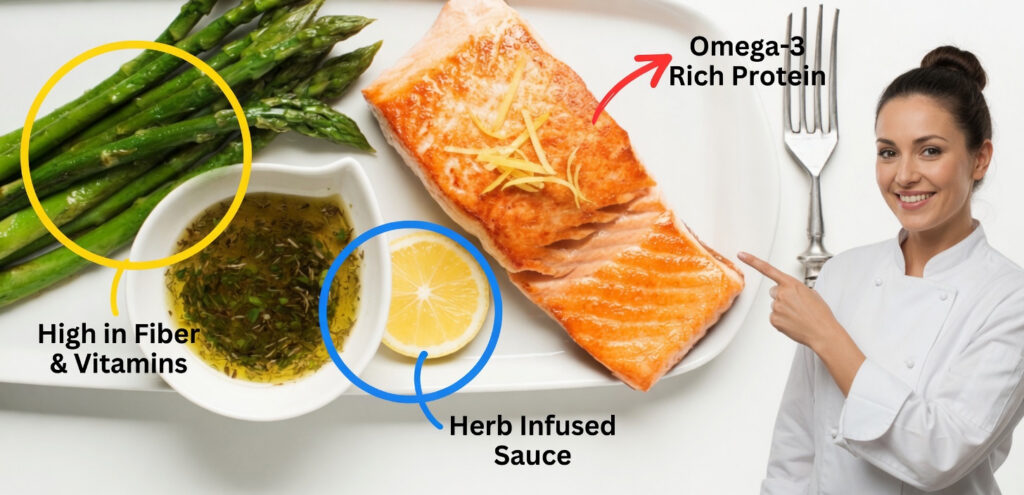
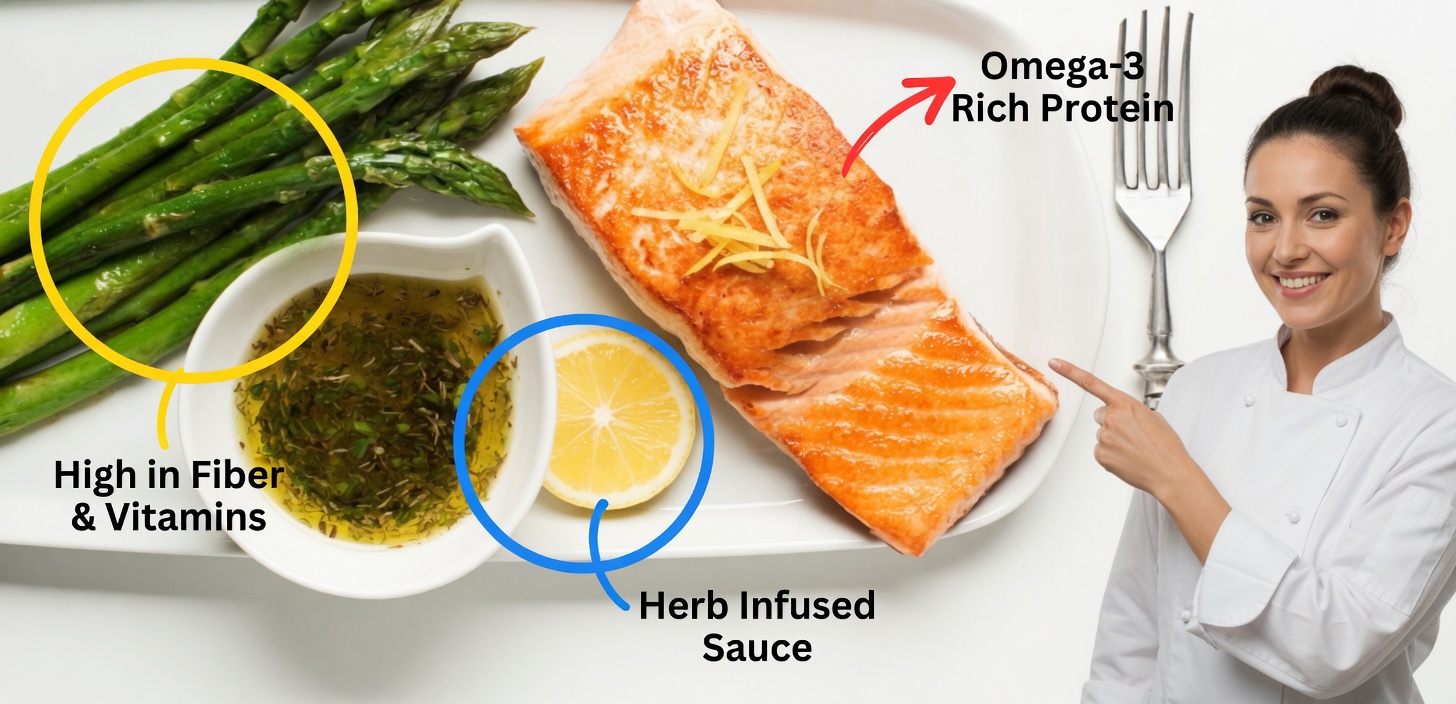
Research suggests that people who consume more high-quality protein often have less belly fat. Including a lean protein source in every meal may support your efforts to slim your waistline.
Protein helps in several ways:
- It requires more energy for digestion, which can slightly increase calorie burn
- It slows digestion, helping you feel full longer
- It reduces hunger and may lower the urge to snack between meals
- It supports muscle maintenance during weight loss
People who eat enough protein often report better satiety and fewer cravings throughout the day.
If your goal is fat loss and a flatter stomach, increasing your protein intake may be one of the most effective changes you can make.
Aim for around 20 to 30 grams of protein per meal.
Good protein options include:
- Eggs
- Chicken breast
- Greek yogurt
- Fish
- Tofu
- Lentils
- Lean beef
- Cottage cheese
2. Eat More Soluble Fiber
Fiber is another key nutrient for healthy weight loss, especially when it comes to reducing stomach fat.
Soluble fiber absorbs water and forms a gel-like substance in the digestive system. This slows digestion and helps you stay full for longer, which can naturally reduce calorie intake.
Research has shown that soluble fiber may play an important role in preventing belly fat gain. In one study, increasing soluble fiber intake by 10 grams per day was associated with a 3.7% lower risk of gaining abdominal fat.
Several studies have reached similar conclusions, making fiber a smart addition to any belly fat loss plan.

To increase your intake of soluble fiber, include more plant-based foods in your meals, such as:
- Vegetables
- Beans
- Lentils
- Fruits
- Seeds
- Whole plant foods
Some especially good high-fiber foods include:
- Blackberries
- Avocados
- Legumes
- Flax seeds
Adding more fiber to each meal can support fullness, improve digestion, and help with long-term fat loss.
3. Combine Cardio and Strength Training
Exercise is essential for losing weight and reducing belly fat. It helps you burn calories, improve metabolism, and build lean muscle.
However, not all workouts are equally effective. For the best results, combine aerobic exercise with resistance training.
This combination works well because:
- Cardio helps burn calories
- Strength training helps build lean muscle
- More muscle increases the number of calories your body burns throughout the day
Muscle tissue is more metabolically active than fat tissue, which means the more lean muscle you have, the easier it becomes to manage your weight.
A useful way to think about it is this: building muscle can help your body burn more calories even while resting.
To get started, aim for:
- 2 to 3 strength-training sessions per week
- 2 additional cardio workouts per week
According to the CDC, adults should aim for:
- 150 minutes of moderate-intensity aerobic activity per week, such as brisk walking or easy cycling
- Or 75 minutes of vigorous-intensity cardio per week, such as running
For strength training, focus on compound movements that work multiple muscle groups at once, including:
- Squats
- Planks
- Push-ups
- Deadlifts
These exercises are efficient, effective, and excellent for full-body conditioning.
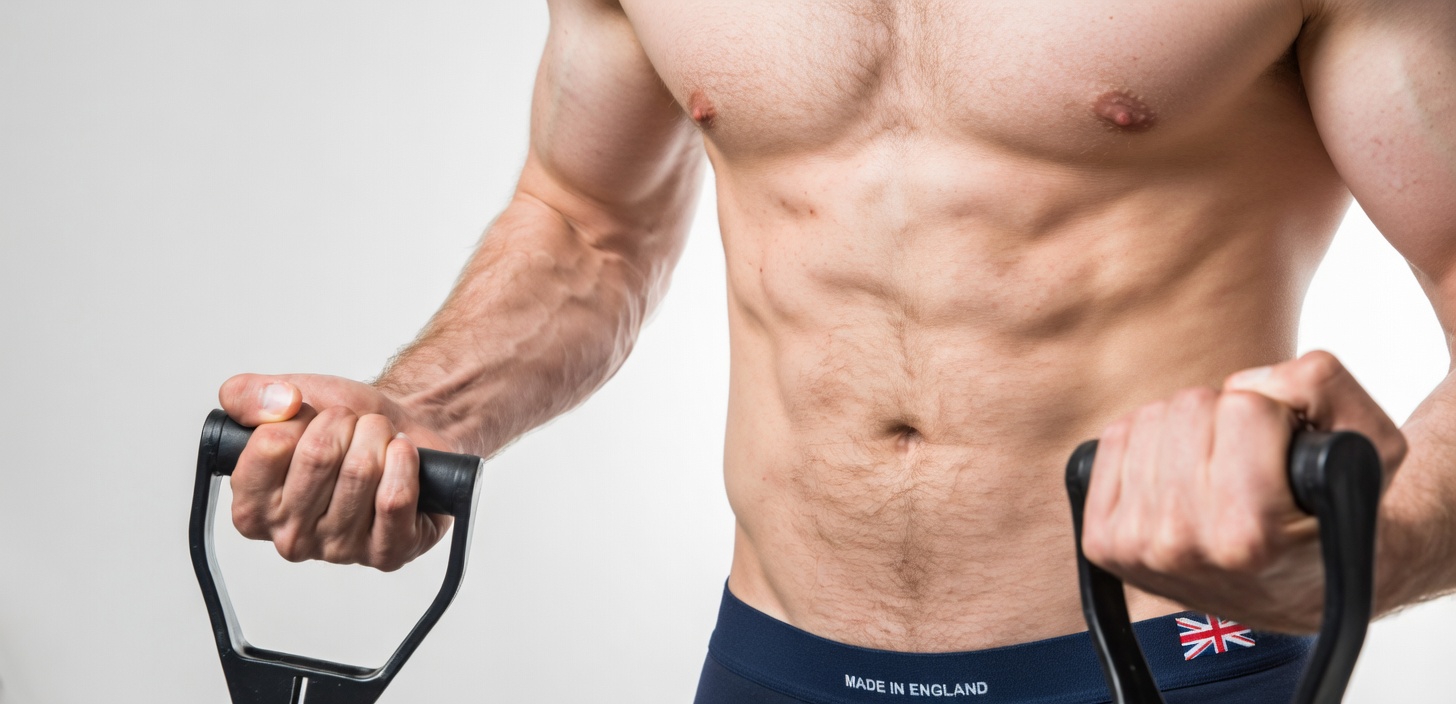
4. Focus on the Right Strategy, Not Quick Fixes
One of the biggest reasons people fail to lose stomach fat is that they rely on the wrong methods. Endless ab workouts, restrictive diets, and short-term fixes usually do not produce lasting results.
A flatter stomach comes from a consistent, evidence-based approach that includes:
- Eating enough protein
- Increasing soluble fiber intake
- Following a balanced exercise routine
- Staying consistent over time
Instead of looking for shortcuts, build daily habits that support fat loss across the whole body. That is the most reliable way to reduce belly fat and improve both your appearance and your health.
Final Thoughts
Losing belly fat is not about perfection or extreme dieting. It is about understanding how body fat works and using smart, sustainable habits to lower it over time.
By improving your diet, increasing protein and fiber, and combining cardio with resistance training, you can reduce abdominal fat and move closer to a flatter stomach.
Stick with the basics, stay patient, and trust the process. Real progress comes from the right strategy done consistently.