Stuck in a Meal Rut? These Healthy Foods Can Refresh Your Plate
Eating the same dull meals over and over can make healthy eating feel like a chore. When your routine lacks variety, it can also mean missing out on important nutrients your body needs.
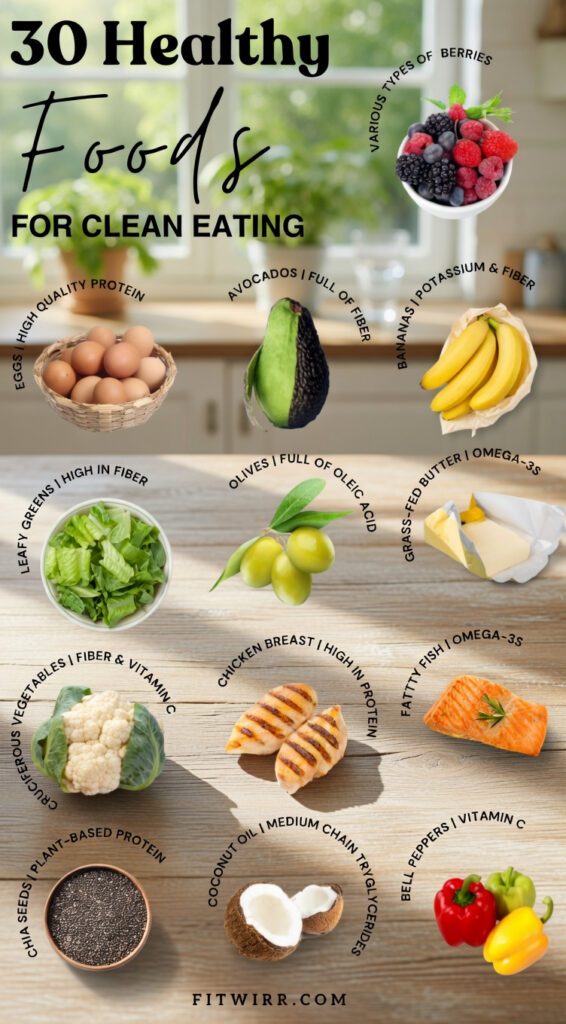
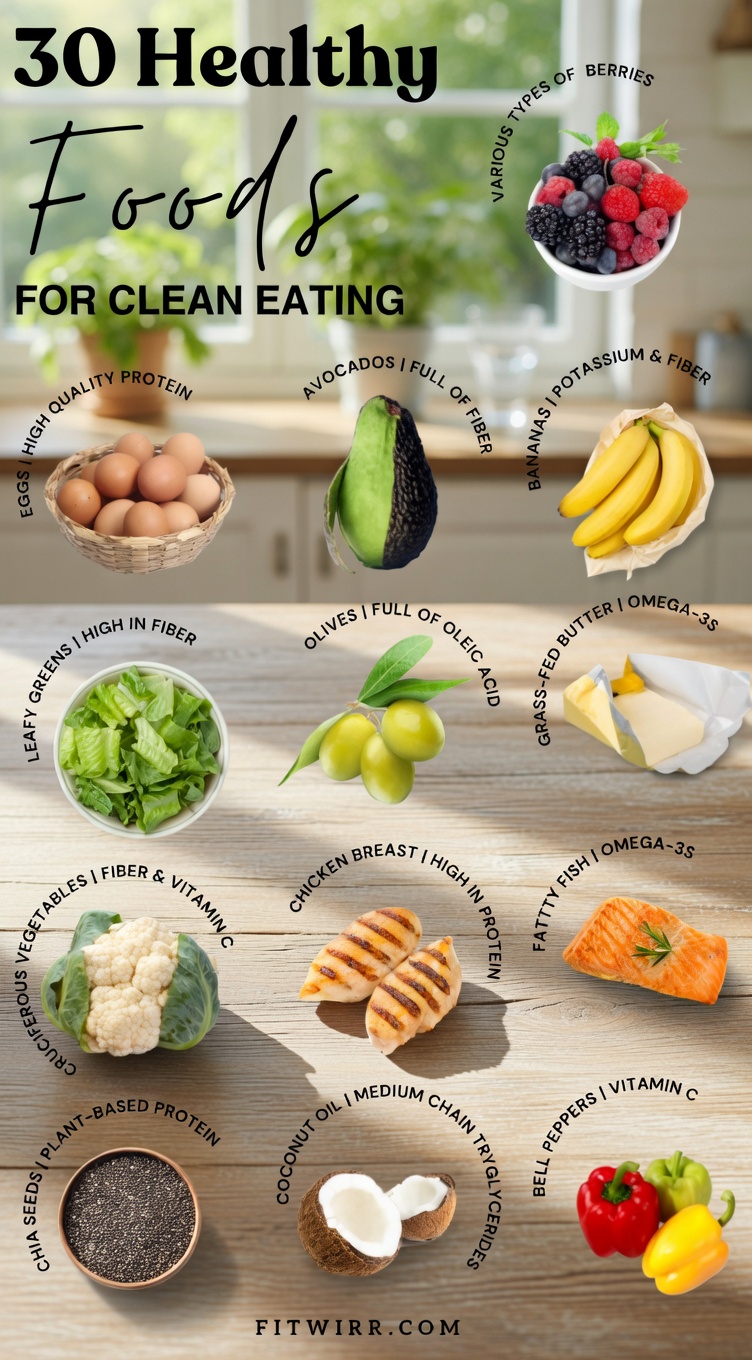
The good news is that simple food swaps and smart additions can make your meals more satisfying, flavorful, and nourishing. From fruit and greens to protein-rich staples and wholesome fats, these foods can help you build a better plate without making things complicated.
Why Your Diet May Need a Reset
A repetitive eating pattern often leans too heavily on processed or refined foods and not enough on fiber-rich, nutrient-dense options. For example:
- Refined grains lose most of their fiber and many beneficial nutrients during processing
- Low-fiber choices can make hunger harder to manage
- Some foods may seem healthy but still need portion control because they are high in calories
- Trendy ingredients do not always have strong research behind their claimed benefits
Adding more whole, flavorful foods is one of the easiest ways to improve your daily routine.
Healthy Foods to Start Eating More Often
1. Berries
Berries are loaded with nutrients that support health.
Blueberries have been linked with:
- Weight loss
- Better brain function
- Lower blood pressure
- Higher levels of good HDL cholesterol when one cup is eaten daily
Strawberries are especially rich in vitamin C. One cup of sliced strawberries provides more than 100% of the recommended daily intake. Eating strawberries may also help reduce the risk of chronic conditions such as heart disease and cancer.
2. Eggs
Eggs are a simple, budget-friendly source of high-quality protein. They also provide important vitamins and minerals, including the antioxidant selenium.
Research has shown that, when eaten in moderate amounts, the cholesterol in egg yolks does not raise blood cholesterol levels.
3. Avocado
Avocados are rich, satisfying, and full of nutrients.
One cup of chopped avocado contains:
- 240 calories
- 10 grams of fiber
- 21% of the recommended daily intake of vitamin E
Even though more than 80% of avocado calories come from fat, regular avocado intake has been shown to raise HDL cholesterol without affecting LDL or total cholesterol.
4. Bananas
Bananas are convenient, portable, and naturally filling. They are a good source of potassium and dietary fiber.
Eating more fruit has been shown to increase fullness and help people lose more weight compared to those who do not increase fruit intake. A banana can be a smart replacement for an afternoon vending machine snack.
5. Leafy Greens
Leafy greens such as kale, spinach, and salad greens are low in calories, high in fiber, and full of helpful nutrients like vitamin C.
Eating more high-fiber, low-calorie foods like these can help control hunger and support weight loss.
6. Olives
Olives provide monounsaturated fats, including oleic acid. This same fat is also found in olive oil.
Oleic acid intake has been linked to reduced inflammation and may help lower the risk of heart disease.
7. Grass-Fed Butter
What cows eat affects the nutrition of their milk. Milk from grass-fed dairy cows has been shown to be more nutritious than conventional milk.
Butter made from grass-fed milk contains higher levels of healthy fats, including omega-3 fatty acids, than conventional butter. Still, butter is high in calories, so it is best used sparingly. One teaspoon contains 45 calories.
8. Hummus
Hummus is made from chickpeas, tahini, olive oil, garlic, and lemon juice.
It makes a filling snack, especially when paired with raw vegetables like:
- Bell peppers
- Cucumber
- Snap peas
9. Cruciferous Vegetables
This group includes:
- Broccoli
- Cauliflower
- Cabbage
- Bok choy
- Arugula
Cruciferous vegetables are low in calories and high in fiber. They also provide vitamin C, folate, calcium, vitamin K, and plant compounds called phytonutrients.
Laboratory studies suggest these vegetables may have potential in reducing cancer risk, although more long-term research is needed. What is clear is that eating more vegetables is associated with lower blood pressure and a lower risk of heart disease and cancer.
10. Chicken Breast
Skinless chicken breast is a lean, versatile protein choice.
A 3-ounce serving of cooked skinless chicken breast provides:
- 24 grams of protein
- 117 calories
It is also low in saturated fat and cholesterol when the skin is removed.
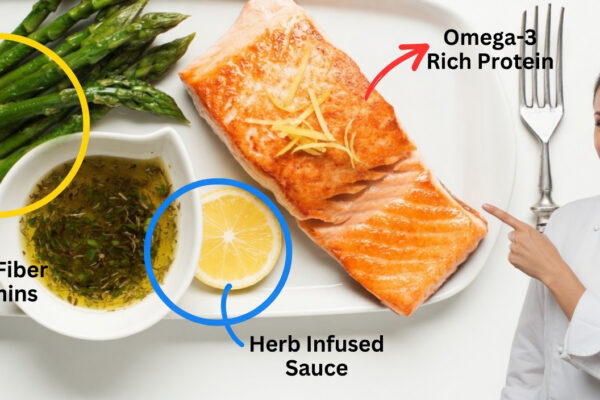
11. Fatty Fish and Seafood
Fatty fish such as:
- Salmon
- Tuna
- Trout
- Mackerel
- Herring
- Anchovies
- Sardines
should be eaten as part of a healthy eating pattern one to two times per week.
These fish are rich in omega-3 fatty acids, which are important for brain health. They also provide vitamin B12 and iodine, and salmon is one of the few food sources of vitamin D.
There is strong evidence that regularly eating oily fish and omega-3 fatty acids as part of a Mediterranean-style eating pattern with fresh fruits, vegetables, lean meat, seafood, and whole grains may help protect against age-related cognitive decline.
12. Apple Cider Vinegar
Apple cider vinegar is often used as a home remedy, but there is limited research supporting many of its claimed benefits.
One study found that people who drank a beverage with 1 or 2 tablespoons of vinegar daily for 12 weeks lost slightly more weight than those given a placebo. The difference was modest, with weight loss ranging from 2.5 to 4 pounds over three months.
A safe way to include apple cider vinegar is to use it instead of regular vinegar in recipes or marinades.
If you choose to drink it:
- Use caution because its acidity can damage teeth
- It may also trigger heartburn
- Dilute it with water
- Keep intake at one tablespoon or less per day
13. Coconut Oil
Coconut oil is popular because it contains medium-chain triglycerides.
At this time, research supporting its health benefits is limited. Still, it can add a pleasant tropical flavor and work as a fat replacement in recipes.
Use it in moderation. One teaspoon contains 45 calories, and most of those calories come from saturated fat.
14. Dark Chocolate
If you want something sweet after dinner, a small piece of dark chocolate can be a satisfying choice.
Dark chocolate contains more nutrients than other types of chocolate because it has a higher cocoa content. However, the amount of those nutrients is small, so eating large amounts does not provide much added benefit.
Choose dark chocolate with more than 70% cocoa and enjoy it in small portions.
15. Peanut Butter
Peanut butter is a tasty protein source.
One tablespoon provides:
- 3.5 grams of protein
- 96 calories
Try it on apple slices or multigrain toast for a filling snack. Since the calories add up quickly, portion size matters.
16. Chia Seeds
Chia seeds are small but nutrient-dense.
A 2.5-tablespoon serving provides:
- 5 grams of plant-based protein
They are also a source of plant-based omega-3 fatty acids called alpha-linolenic acid and contain plant-based antioxidants.
Easy ways to use them include adding them to:
- Breakfast cereal
- Oatmeal
- Yogurt
- Smoothies
17. Whole Grains
Whole grains play an important role in a healthy diet.
When grains are refined, much of the fiber and many helpful nutrients are removed. That loss of fiber can cause refined grains to raise blood sugar and make type 2 diabetes harder to manage.
Enriched grains have some nutrients added back, but not the fiber.
The Simple Fix: Build Meals Around Nutrient-Dense Foods
If your meals feel stale, you do not need a complicated plan. Start by adding a few of these foods into your week and let variety do the work.
Try simple steps like:
- Swap refined grain products for whole grains
- Choose berries or bananas instead of vending machine snacks
- Add leafy greens or cruciferous vegetables to meals
- Use hummus, peanut butter, or chia seeds for easy snacks
- Include eggs, chicken breast, or fatty fish for satisfying protein
- Enjoy calorie-dense foods like butter, coconut oil, dark chocolate, and avocado in mindful portions
A healthier plate can also be more colorful, more flavorful, and much more enjoyable.
Consult a healthcare professional before making changes.