Struggling With Posture? Strengthening the Erector Spinae Can Help
If you are like many people, keeping good posture all day can feel difficult. Staying in the same seated position for hours can wear you out, even if that sounds surprising.
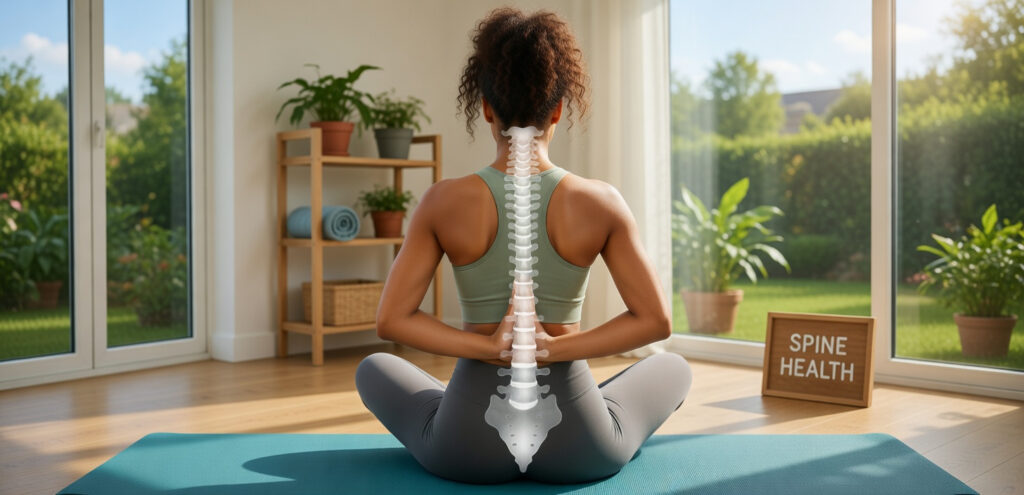
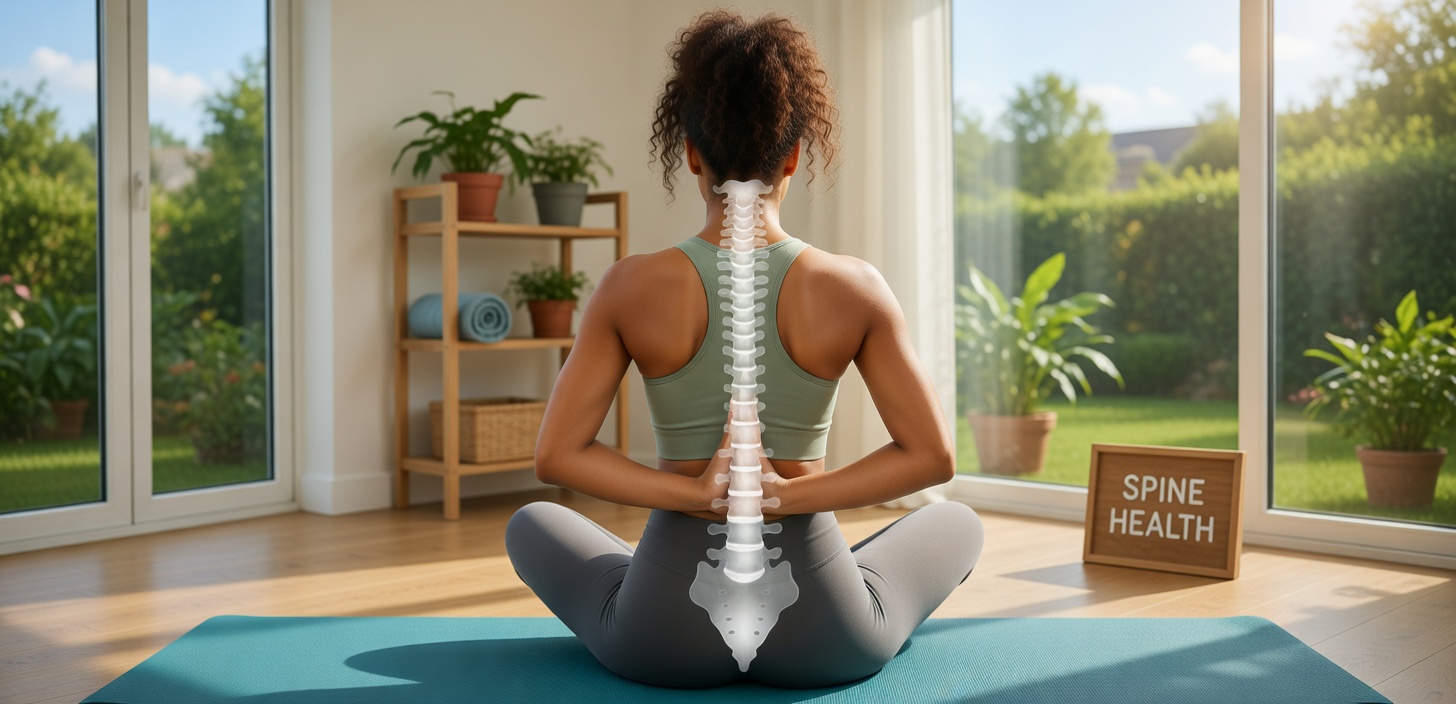
One helpful way to address posture-related problems is to keep your spine both strong and mobile. A major part of that is training an important muscle group in your back called the erector spinae.
What Causes Poor Posture Support?
The body has many muscles, and they do not all work in the same way.
- Some muscles act more locally, helping with only one or two actions at a single joint.
- Others work more globally, handling several movements across two or more joints.
The erector spinae belongs to that second group. These muscles run along the length of the spine and help create movement throughout the vertebrae.
This muscle group is made up of three muscles:
- Iliocostalis
- Spinalis
- Longissimus
Even though it includes three separate muscles, many clinicians simply call the group the erector spinae.
Because these muscles support posture and spinal movement, keeping them in good condition can make a real difference.
A Simple Solution: 5 Exercises for Posture and Erector Spinae Strength
To improve posture and support the erector spinae, try the following exercises at least once a week and up to 4 times per week. Each exercise includes the recommended amount to perform in a session.
1. Bird Dogs
Bird dogs are especially useful for posture because they train the erector spinae, the multifidi, and other core muscles. If your floor is hard, add padding under your knees.
How to do it
- Start on your hands and knees.
- Place your knees under your hips and your hands under your shoulders.
- Reach your right arm forward overhead while extending your left leg behind you.
- Try to create a straight line from your right fingertips to your left toes.
- Hold for 3 seconds.
- Return to the starting position.
Reps and sets
- 3 sets of 10 reps on each side per session
2. Modified Swimmers
Modified swimmers, sometimes called supermans, are a good way to practice extension-based movement in a safer position.
If this movement causes any back pain, you can place pillows under your hips and stomach. This reduces the angle of extension and lowers stress on the spine.
How to do it
- Lie flat on your stomach.
- Lift both hands and both feet off the floor.
- Extend your spine as you lift.
- Hold the position for 10 seconds.
Reps and sets
- 3 sets of 10 reps per session
3. Modified Good Mornings
Good mornings can strengthen the glutes, hamstrings, low back, and other muscles. This modified version keeps you seated, which may feel more comfortable for some people.
How to do it
- Sit on a firm, stable surface.
- Place your hands behind your head and interlock your fingers.
- Keep your back straight.
- Bend forward at the waist as far as you comfortably can.
- Slowly return to the starting position.
Reps and sets
- 3 sets of 10 reps per session
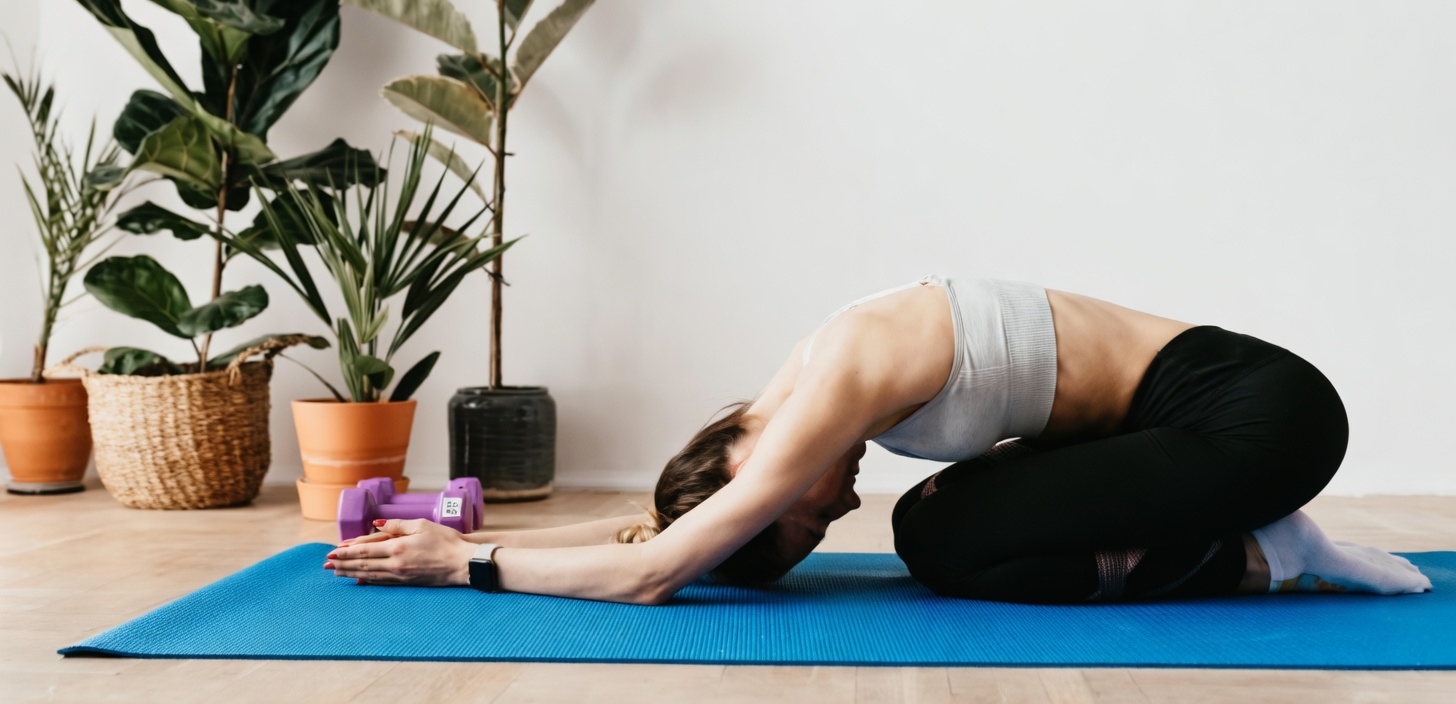
4. Child’s Pose
Child’s pose is a classic yoga position. It can feel calming and meditative, while also encouraging spinal range of motion.
How to do it
- Begin on your hands and knees.
- Keep your knees below your hips and your hands below your shoulders.
- Walk your hands forward as you sit backward.
- Lower your buttocks toward your ankles.
- Hold the stretch for 30 seconds.
Reps and sets
- Repeat at least 4 times per session
5. Modified Child’s Pose
If getting down to the floor is difficult, this version may be a better fit. It is similar to the modified good morning, but its goal is flexibility rather than strengthening.
How to do it
- Sit in a firm chair.
- Place your hands on a table in front of you.
- Slowly walk your hands forward until you feel a light stretch in your back.
- Hold for 30 seconds.
Reps and sets
- Repeat 4 times per session
Why This Routine Matters
The erector spinae is an important muscle group for both posture and stability. Since it helps support and move the spine, it makes sense to keep it as strong and steady as possible.
If posture has been a challenge, this routine may be a helpful place to start. Consult a healthcare professional before making changes.