Poor Posture Can Affect How You Feel and Move
If you spend long hours sitting in front of a screen, poor posture can slowly become part of your daily routine. Over time, this can lead to discomfort, reduced mobility, and a drop in confidence.
The good news is that small daily habits can help. With a few simple stretches and strengthening moves for your back and spine, you can begin improving your posture and feel better in your body.
Why Posture Problems Happen
Modern life often keeps us seated for hours at a time. This prolonged sitting can encourage slouching, rounded shoulders, and poor spinal alignment. When this posture becomes routine, the muscles that support healthy alignment may weaken or become tight, making discomfort more likely.
These simple exercises are designed to help address those common issues by improving flexibility, strengthening supportive muscles, and encouraging a more neutral spine.
5 Simple Exercises to Improve Posture
1. Wall Angels
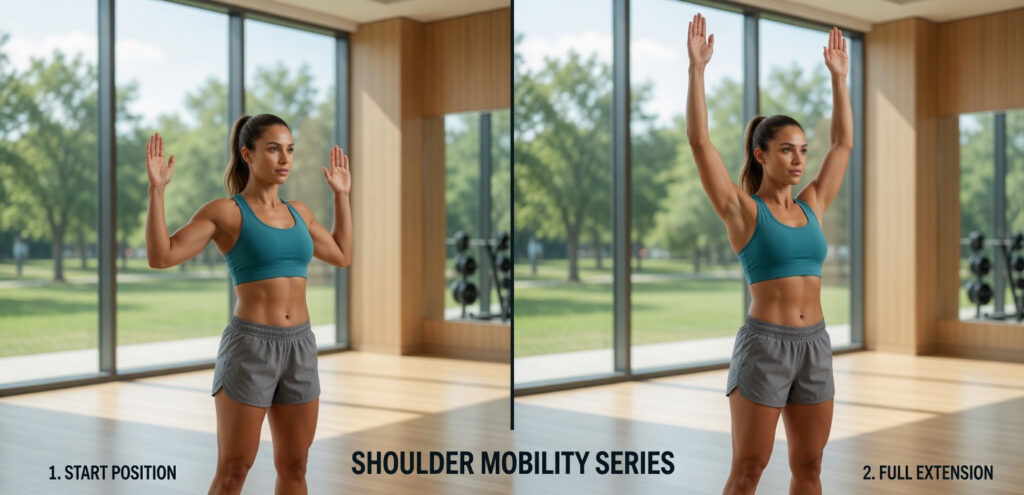
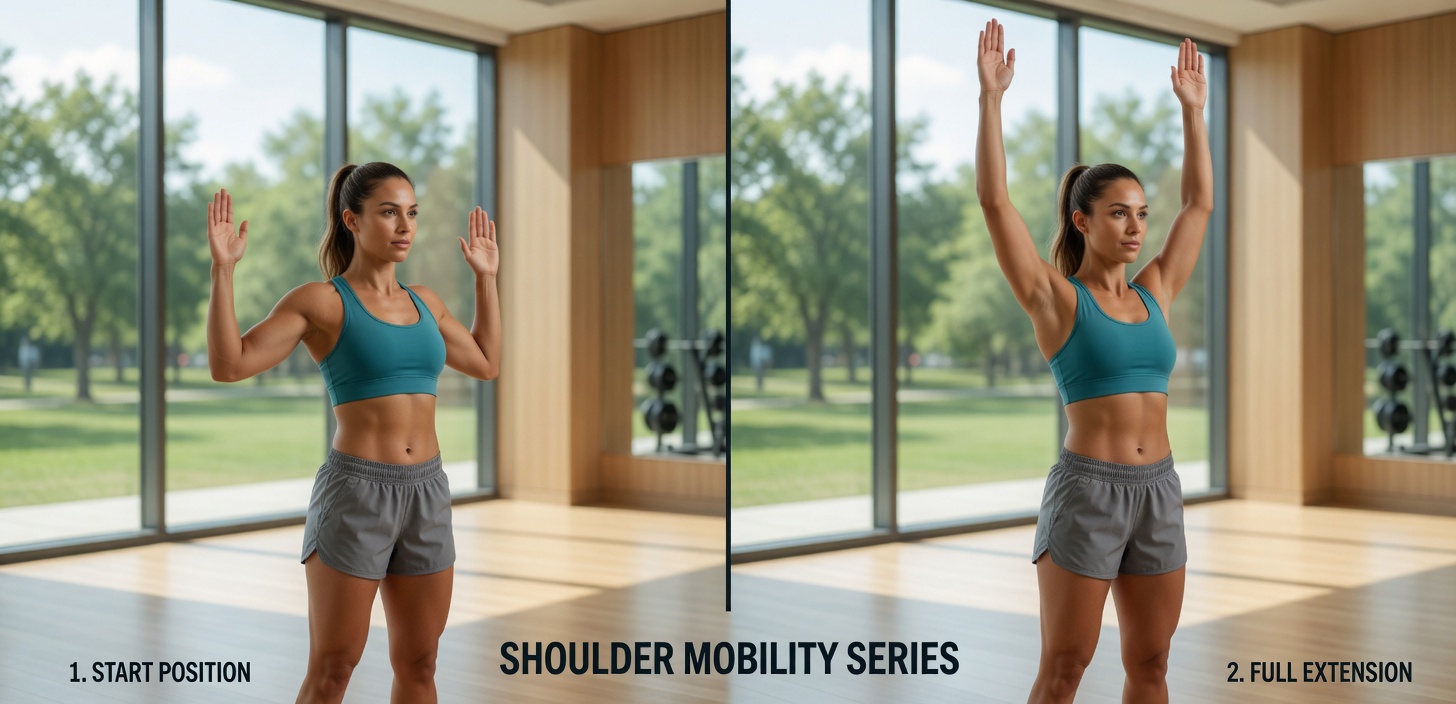
Wall angels are a great way to strengthen the upper back and shoulders while encouraging better posture.
- Stand with your back against a wall.
- Keep your heels, hips, shoulders, and head in contact with the wall.
- Raise your arms so the backs of your hands touch the wall.
- Slowly slide your arms upward and downward while squeezing your shoulder blades together.
- Complete 2-3 sets of 10-12 repetitions.
This movement can help improve rounded shoulders and support better alignment over time.
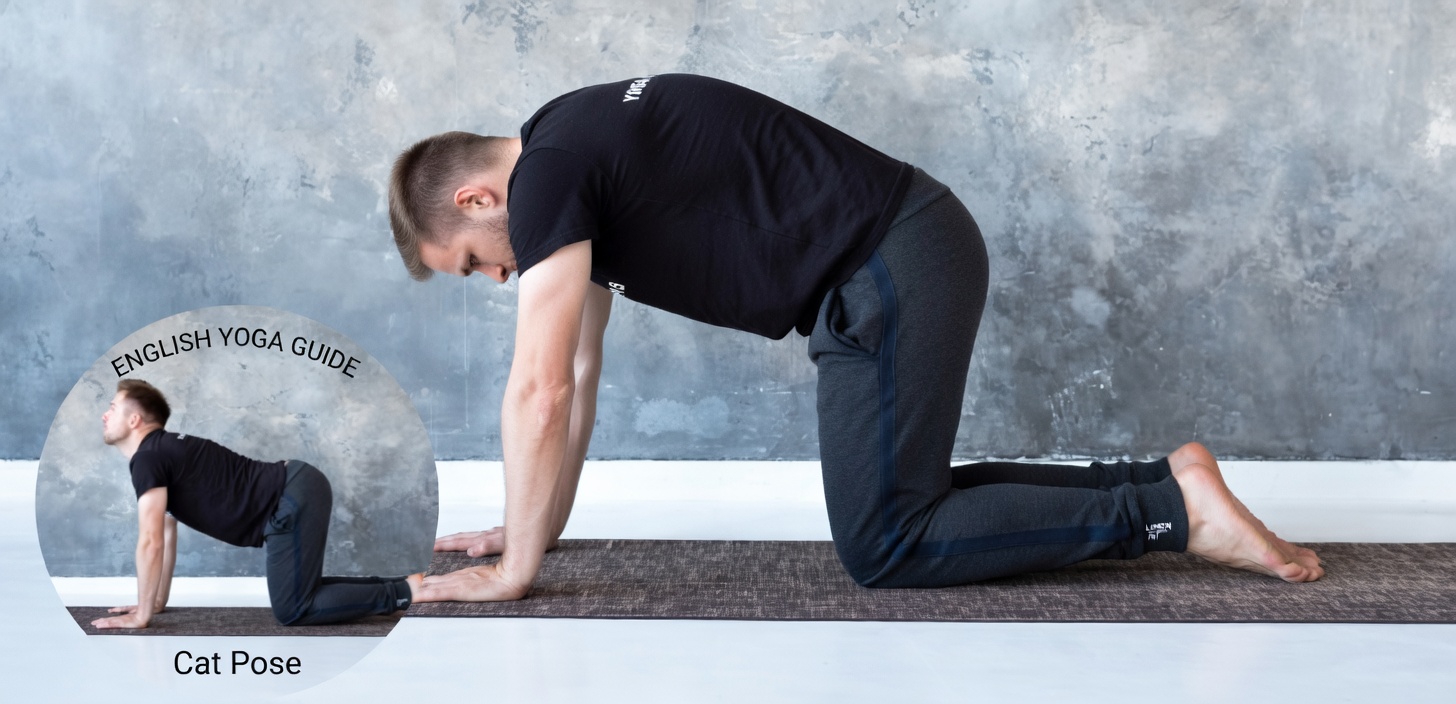
2. Cat-Camel Stretch
This stretch helps improve movement in the spine while supporting flexibility and posture.
- Begin on all fours with your hands under your shoulders and knees under your hips.
- Gently round your back and bring your chin toward your chest.
- Then slowly arch your back, lifting your chest and tailbone upward.
- Repeat for 10-12 repetitions.
The cat-camel stretch can help offset the effects of sitting for long periods and promote a neutral spine.
3. Shoulder Blade Squeezes
This is a simple exercise that can help strengthen the upper back and improve alignment.
- Sit or stand upright with your arms resting by your sides.
- Draw your shoulder blades together as if you are holding a pencil between them.
- Hold for 5-10 seconds, then relax.
- Perform 2-3 sets of 10-12 repetitions.
Shoulder blade squeezes are especially helpful for countering the forward-slouched position many people adopt during desk work.
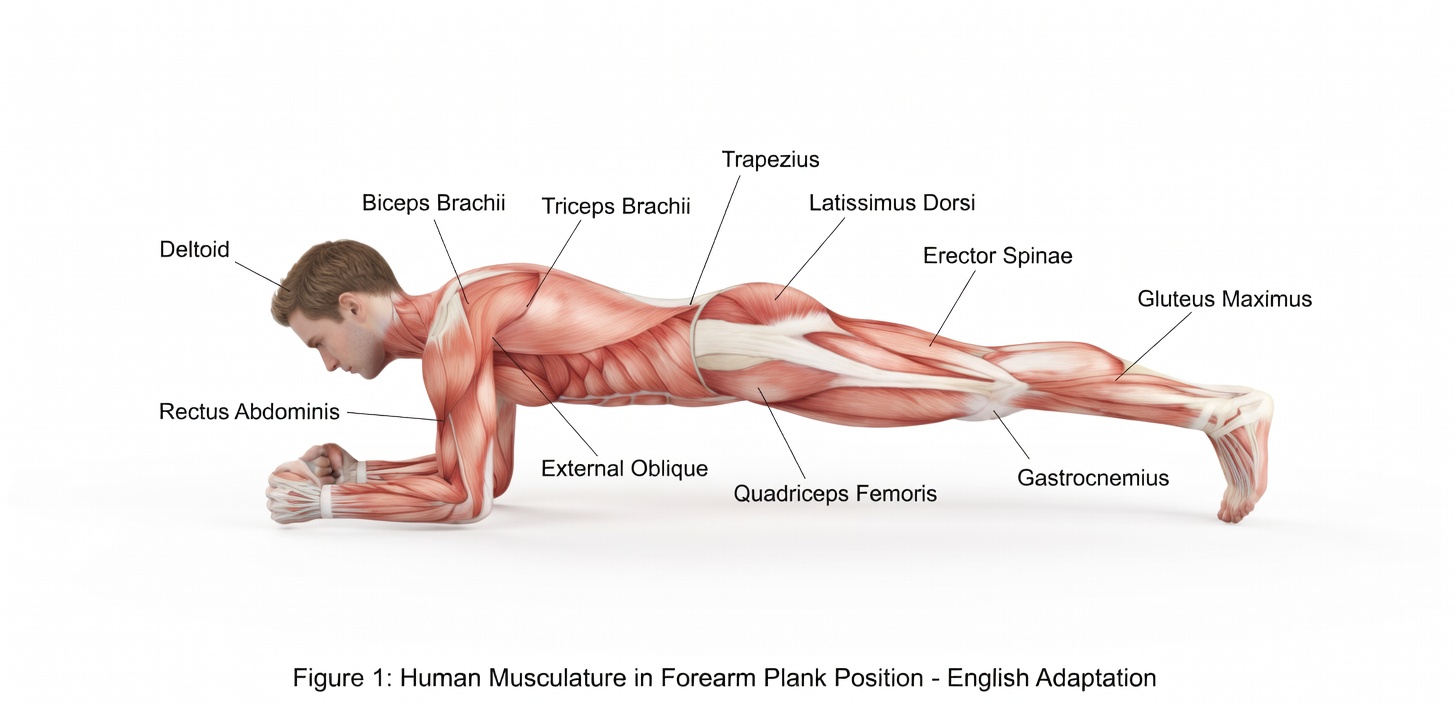
4. Plank
Planks strengthen the core, including the abdomen, lower back, and hips, which all play an important role in supporting posture.
- Lie face down with your forearms on the floor and elbows under your shoulders.
- Lift your body so you are supported by your forearms and toes.
- Keep your body in a straight line.
- Tighten your core and hold for 20-30 seconds.
- Do 2-3 sets.
A stronger core can help support your spine and reduce strain linked to poor posture.
5. Chest Opener Stretch
This stretch targets the chest and front of the shoulders, areas that often tighten with poor posture.
- Stand with your feet shoulder-width apart.
- Bring your arms behind you and interlock your fingers, with your palms facing upward.
- Lift your arms gently away from your body while squeezing your shoulder blades together.
- Hold for 20-30 seconds and repeat 2-3 times.
This stretch can help reduce tightness in the chest and encourage a more upright position.
A Simple Way to Start Feeling Better
Improving posture can make a real difference in your overall well-being. These exercises can help strengthen the muscles that support proper alignment while easing some of the discomfort that comes with poor posture.
Start slowly, pay attention to how your body feels, and build up the intensity and duration as you go. By making these movements part of your daily routine, you can work toward better posture, improved alignment, less discomfort, and renewed confidence.
Take care of your posture, and your body will thank you.
Consult a healthcare professional before making changes.