Poor Circulation: 5 Warning Signs of Poor Blood Flow You Shouldn’t Ignore
Healthy blood circulation is vital because it carries oxygen and nutrients to every cell in your body. When blood flow is reduced, tissues may not get what they need to function properly—and that can increase the risk of serious complications over time. Knowing the symptoms of poor circulation early can help you act before the problem escalates.
Below are five common signs of poor blood circulation, what they may indicate, and when to seek medical advice.
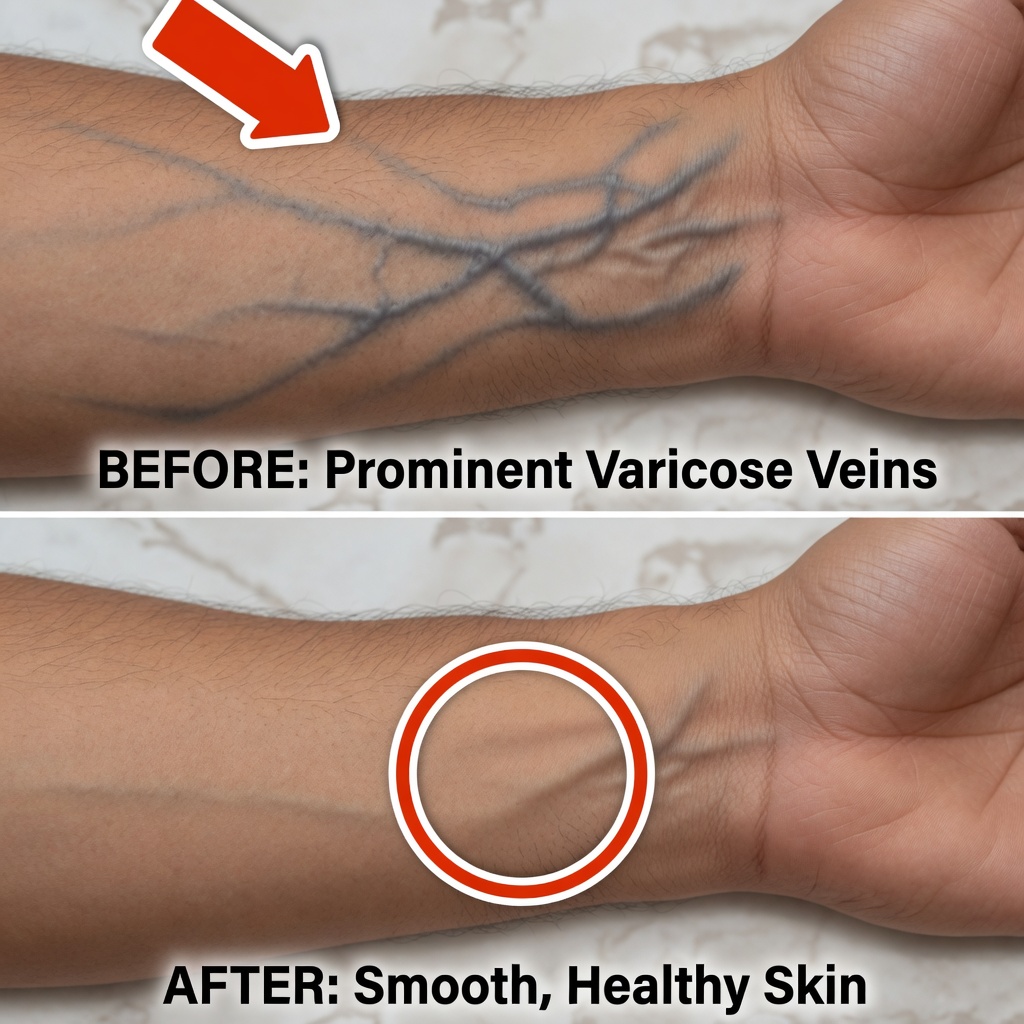
1. Cold Hands and Feet
- What you may notice: Your hands or feet feel unusually cold, even when the room temperature is comfortable.
- What it can mean: Reduced blood supply to the extremities is often linked to circulation issues.
- Possible causes: Conditions such as peripheral artery disease (PAD) or Raynaud’s syndrome may narrow or constrict blood vessels, limiting blood flow to fingers and toes.
2. Swelling in the Legs, Ankles, or Feet
- What you may notice: Puffiness or swelling in the lower legs and feet, especially after long periods of sitting or standing.
- What it can mean: This may be edema, a buildup of fluid that can occur when circulation is not working efficiently.
- Possible causes: Poor return of blood to the heart may be associated with venous insufficiency, heart-related conditions, or a sedentary lifestyle.
3. Numbness or Tingling Sensations
- What you may notice: “Pins and needles,” numbness, or a tingling feeling in the hands, feet, or limbs.
- What it can mean: Nerves may not be receiving enough oxygen-rich blood.
- Possible causes: Diabetes, nerve damage, or a blocked/partially blocked artery can contribute to these sensations.
4. Ongoing Fatigue and Low Energy
- What you may notice: Feeling tired more often than usual, even after rest.
- What it can mean: When circulation is poor, muscles and organs may receive less oxygen and fewer nutrients, which can leave you drained.
- Possible causes: Anemia, heart conditions, or a generally sluggish circulatory system may play a role.
5. Cuts or Sores That Heal Slowly
- What you may notice: Small wounds, scrapes, or sores that take longer than expected to improve.
- What it can mean: Slow healing can be a sign that blood flow is not delivering enough immune cells and nutrients to repair tissue.
- Possible causes: Poor circulation can reduce the body’s ability to rebuild damaged skin and fight infection efficiently.
What Causes Poor Circulation?
Poor blood flow can develop for many reasons, including:
- Lifestyle habits: Little physical activity, smoking, and an unhealthy diet
- Medical conditions: Diabetes, high blood pressure, and cholesterol buildup in the arteries
- Aging: Blood vessels can become less flexible over time, affecting circulation
When to See a Doctor
If any of these poor circulation symptoms are persistent, getting worse, or affecting daily life, it’s important to speak with a healthcare professional. Early evaluation can reduce the risk of severe outcomes such as blood clots, stroke, or heart attack.
How to Improve Blood Circulation Naturally
To support healthier blood flow, consider these practical habits:
- Move more often: Walking, swimming, cycling, and yoga can promote circulation
- Drink enough water: Hydration helps maintain healthy blood volume
- Choose circulation-friendly foods: Garlic, ginger, and fatty fish are commonly associated with cardiovascular support
- Add stretching or massage: These can help stimulate blood flow in the arms and legs
- Avoid sitting too long: Stand up and move at least once every hour
Final Thoughts
Poor circulation isn’t just uncomfortable—it can be a clue that something deeper is going on. By paying attention to the signs of poor blood flow and taking action early, you can better protect your long-term health and overall well-being.