Exercise for Low Back Pain: 6 Simple Moves That Can Help
If you have ever dealt with low back pain, chances are you have heard every possible remedy from well-meaning friends and family.
Some people recommend a heating pad for quick relief. Others rely on a TENS unit and never leave home without it.
While many treatments may help in certain situations, one approach consistently stands out for both relief and prevention of low back pain: exercise.
Why Exercise Matters for Low Back Pain
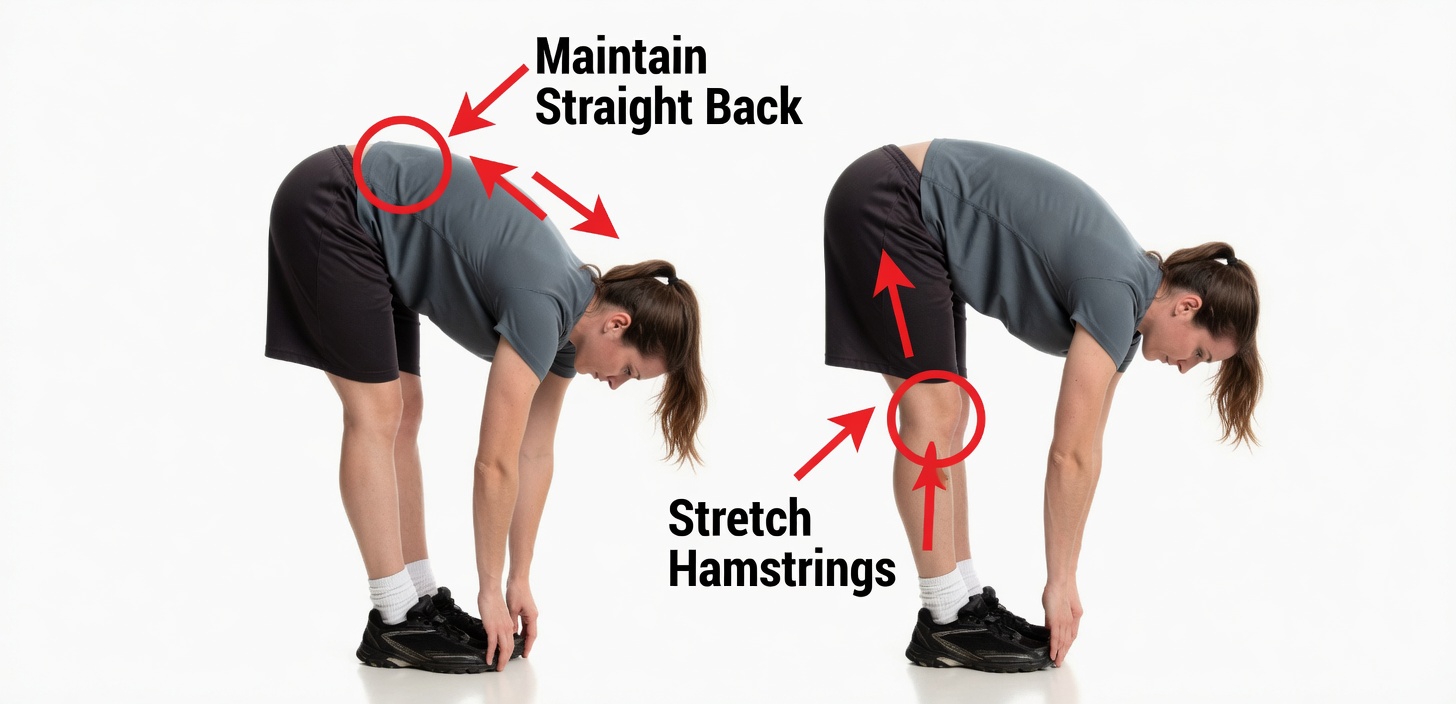
It is important to clarify what “exercise” means in this context. When discussing exercise for low back pain, the focus is mainly on core strengthening and mobility work.
Cardio and traditional strength training are still valuable. They support overall fitness, improve heart health, and help keep your joints and muscles functioning well.
However, when the goal is to reduce recurring low back discomfort and lower the risk of future flare-ups, building a strong, stable core is one of the most effective strategies.
The “Corset Effect” of the Core Muscles
If you know anything about older fashion trends, you may have heard of corsets. These garments were designed to tightly support the waist and torso.
Interestingly, modern research has shown that braces and support belts can sometimes help with low back pain because they improve trunk stability in a similar way.
The good news is that most people do not need external support to get these benefits. In many cases, they can create that same supportive effect by strengthening the abdominal muscles.
One core muscle in particular is often called the body’s natural “corset muscle.” Its anatomical name is the transversus abdominis, or TA. When activated, it helps tighten and support the lower trunk.
When the transversus abdominis and the rest of the core are functioning well, low back pain can often be reduced, better managed, or even prevented.
6 Easy Exercises for Back Pain Relief
Below are six beginner-friendly exercises that can support low back pain relief and improve core stability.
Each movement has its own instructions, recommendations, and frequency. Whether you are currently managing back pain or trying to avoid it in the future, these exercises can be useful additions to your routine.
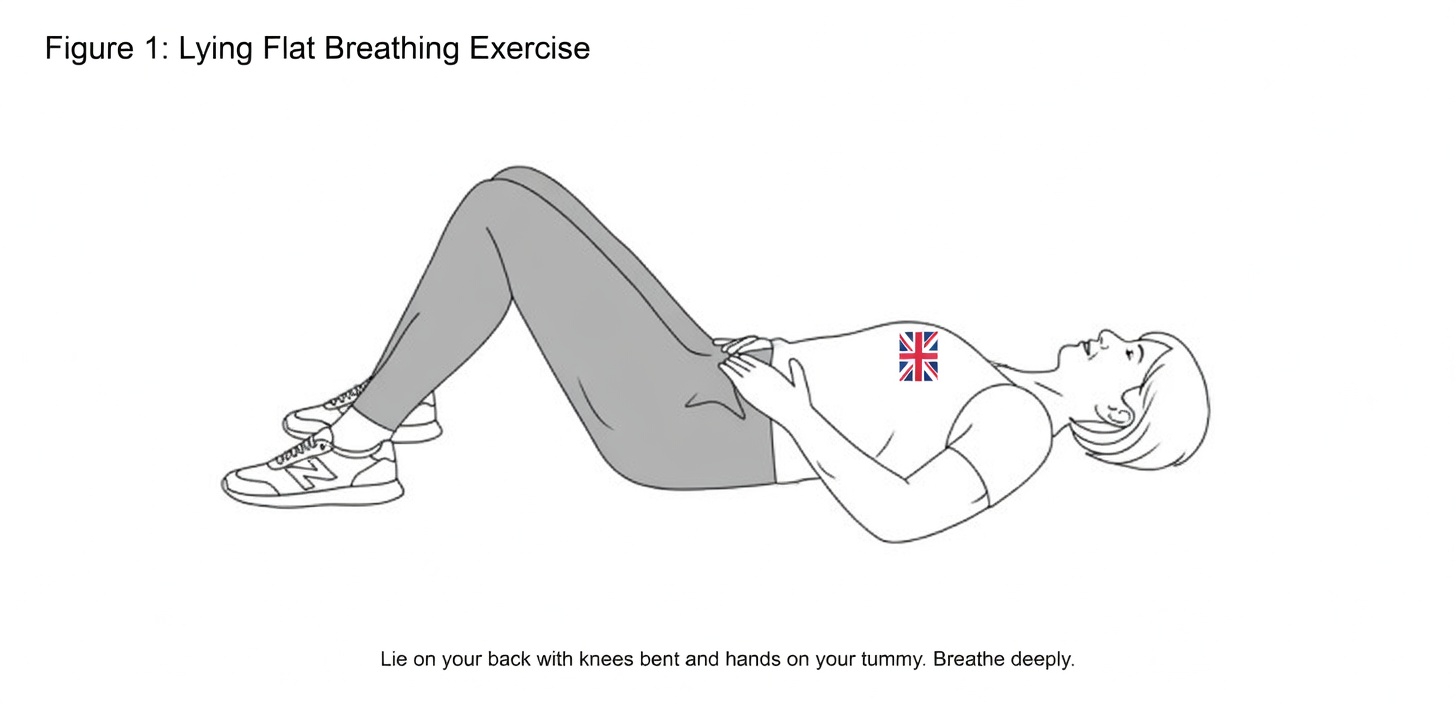
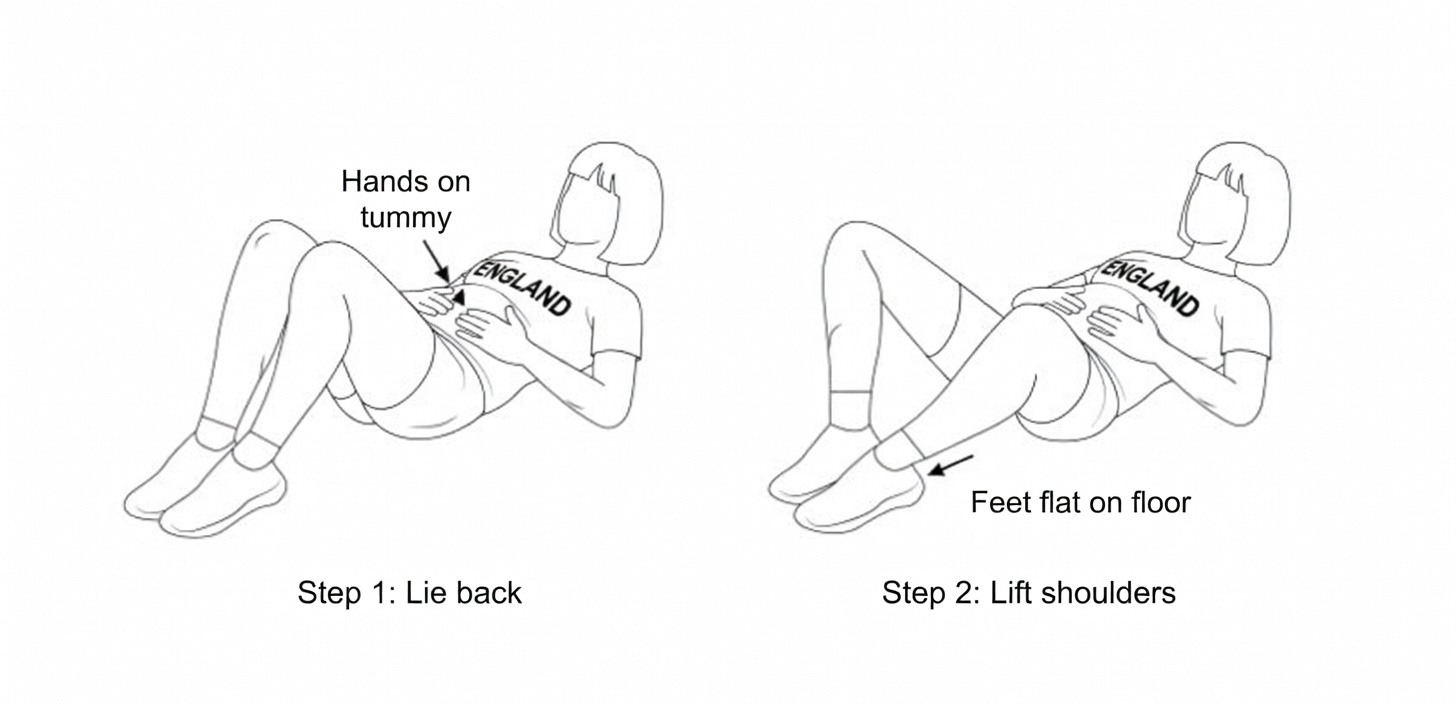
1. TA Holds
This exercise focuses on the transversus abdominis, the deep abdominal muscle responsible for that supportive “corset” effect.
To be honest, isolating the TA can be difficult at first. It usually takes practice, and some people learn it more easily with help from a physical therapist.
Target muscles: Transversus abdominis
How to do it
- Lie on your back with your knees bent and your feet flat on the floor.
- Place your hands gently on your abdomen.
- Tighten your lower abdominal area as if you are slowly blowing out a candle.
- Hold the contraction for 10 seconds.
- Relax briefly and repeat for 10 repetitions.
Frequency
- Perform this exercise at least 3 times per week
- It can also be done daily if comfortable
2. Supine Adductor Stretch
Tightness and weakness in the pelvis and legs often play a role in low back pain. When the inner thigh muscles become overly tight, they can create strain across the hips and lower back.
This stretch helps release those muscles and may ease discomfort.
Target muscles: Adductors (inner thigh muscles)
How to do it
- Lie on your back in a hooklying position, with your knees bent and feet flat on the floor.
- Slowly let both knees move outward to the sides.
- Go only far enough to feel a gentle stretch in the inner thighs.
- Hold for 10 seconds.
- Repeat for 10 repetitions.
Frequency
- Ideally perform at least 3 times per week
- You may do it daily if it feels good
Important tip
- Keep your abdominal muscles gently engaged throughout the stretch
Modification
- If stretching both legs at once feels uncomfortable, stretch one leg at a time
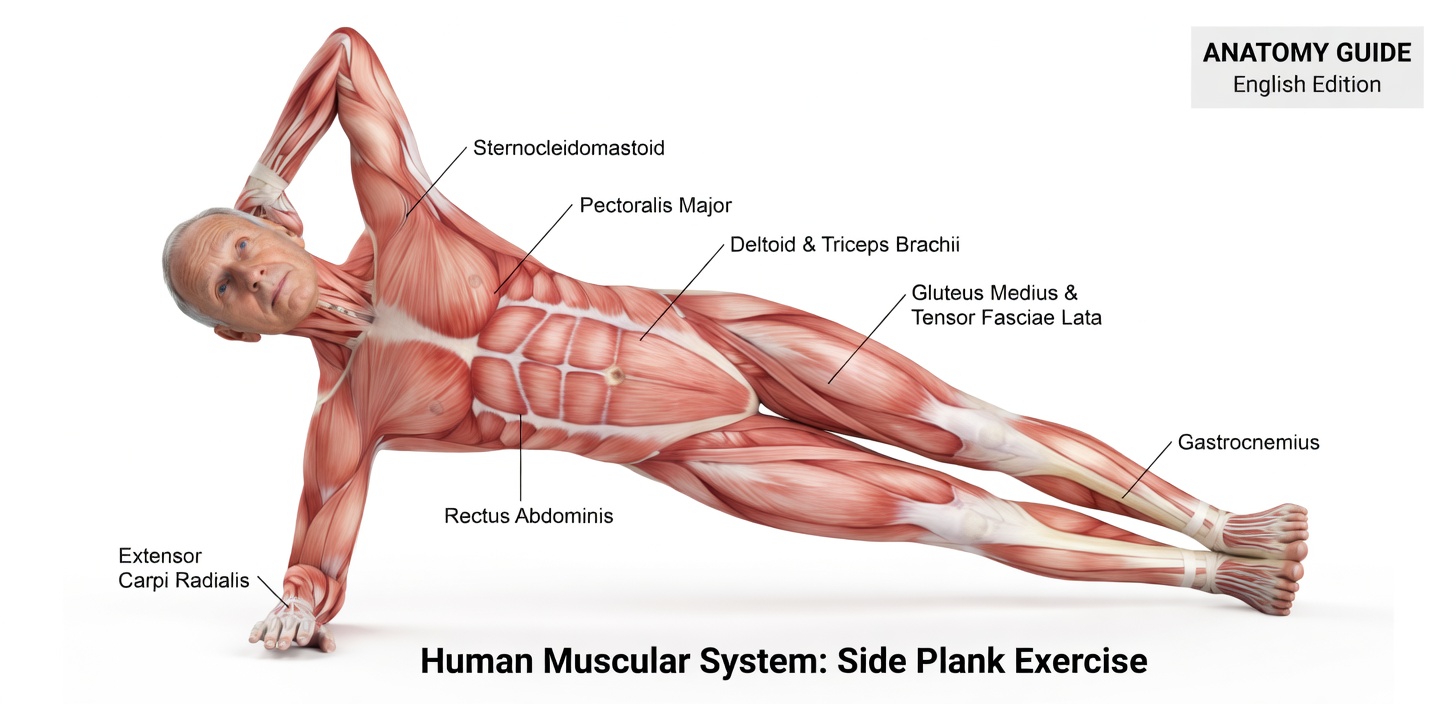
3. Side Planks
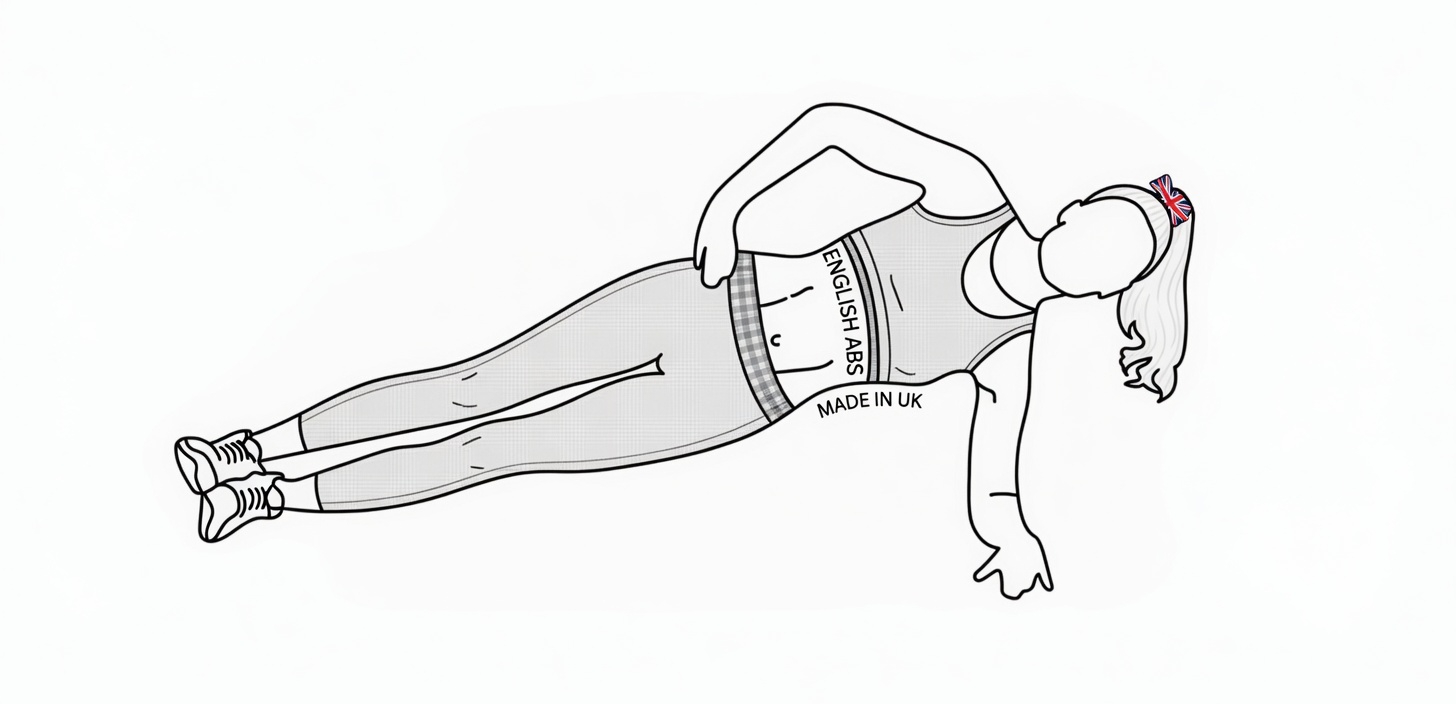
Side planks are excellent for developing lateral core stability. If your back pain is more intense, you may need to start with a modified version. As you improve, this exercise can create a strong sense of support through the trunk.
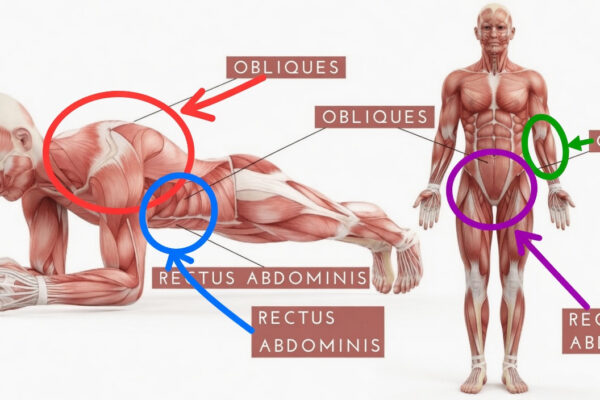
Target muscles: External obliques, internal obliques, rectus abdominis, lats, and supporting shoulder and leg muscles
How to do it
- Lie on your right side with your right forearm on the floor.
- Position the outside of your right foot on the ground.
- Lift your hips upward.
- Your body should form a straight line from head to feet.
- Hold for 30 seconds.
- Complete 4 holds on each side.
Frequency
- Aim for at least 3 sessions per week
- You can perform it daily if appropriate
Easier variations
- Place your forearm on an elevated surface
- Keep your knees on the floor
- Instead of holding the position, slowly raise and lower your hips
- Do 10 repetitions
- Complete 3 sets
- Perform on both sides
Harder variations
- Elevate your feet
- Lift your top leg while holding the plank
- Support yourself on your hand instead of your forearm
These same progression and regression ideas also apply to the regular plank described in Exercise 5.
4. Squats
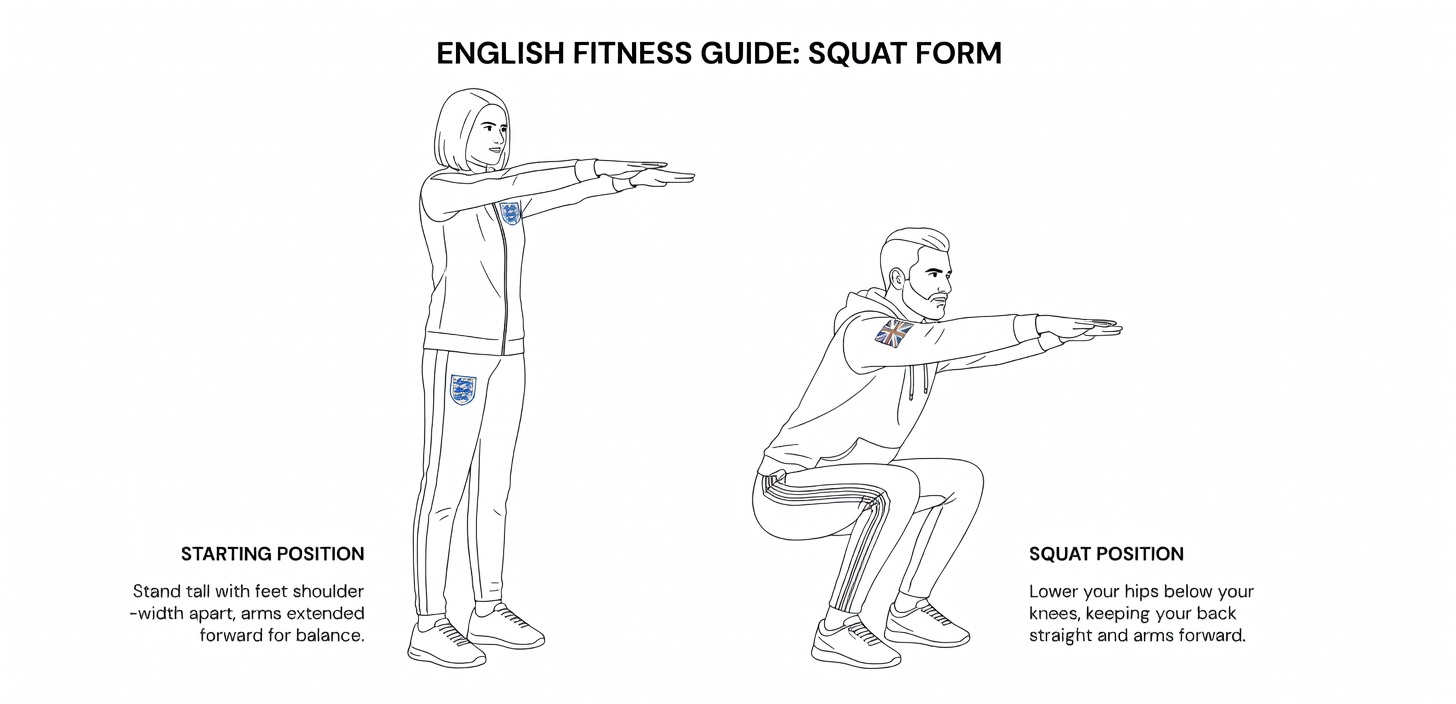
Squats are one of the most practical and versatile exercises you can do. They support daily movement, strengthen the lower body, and can be adjusted for many fitness levels.
That said, if you have knee pain or another condition that makes squatting difficult, it is best to speak with a physical therapist about safe modifications.
Target muscles: Quadriceps, glutes, calves, and core stabilizers
How to do it
- Stand with your feet about hip-width apart
- Bend your knees slowly as you lower your hips toward the floor
- Keep your back straight during the movement
- Once you reach the bottom of your squat, press back up to standing
- Perform 10 repetitions per set
- Complete 3 sets
Frequency
- Perform 3 to 4 sessions per week
Modification
- Hold onto a stable surface for support if needed
Progression
- As the movement becomes easier, add resistance with dumbbells held in both hands
5. Planks
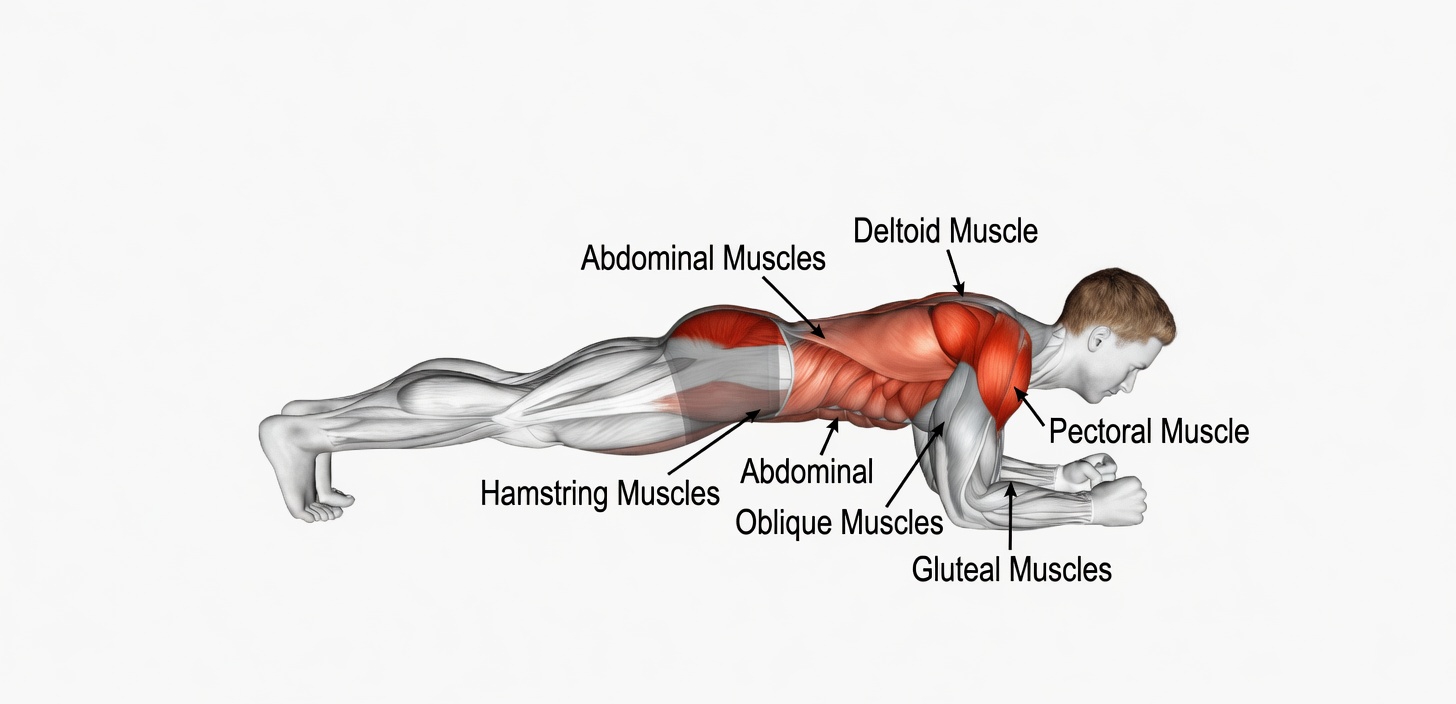
Like side planks, standard planks are highly effective for improving core strength and endurance. They are simple, adaptable, and especially helpful for people dealing with chronic low back pain.
Target muscles: Rectus abdominis, external and internal obliques, lats, hip flexors, and spinal stabilizers
How to do it
- Begin with your forearms on the floor and your toes tucked under
- Keep your elbows directly beneath your shoulders
- Position your feet about hip-width apart
- Lift your hips so your body forms one straight line from head to heels
- Tighten your abdominal muscles and hold for 30 seconds
- Repeat 4 times
Frequency
- Perform 1 set per session
- Complete 3 to 7 sessions per week
Modifications
Use the same easier and harder options listed in the side plank section above.
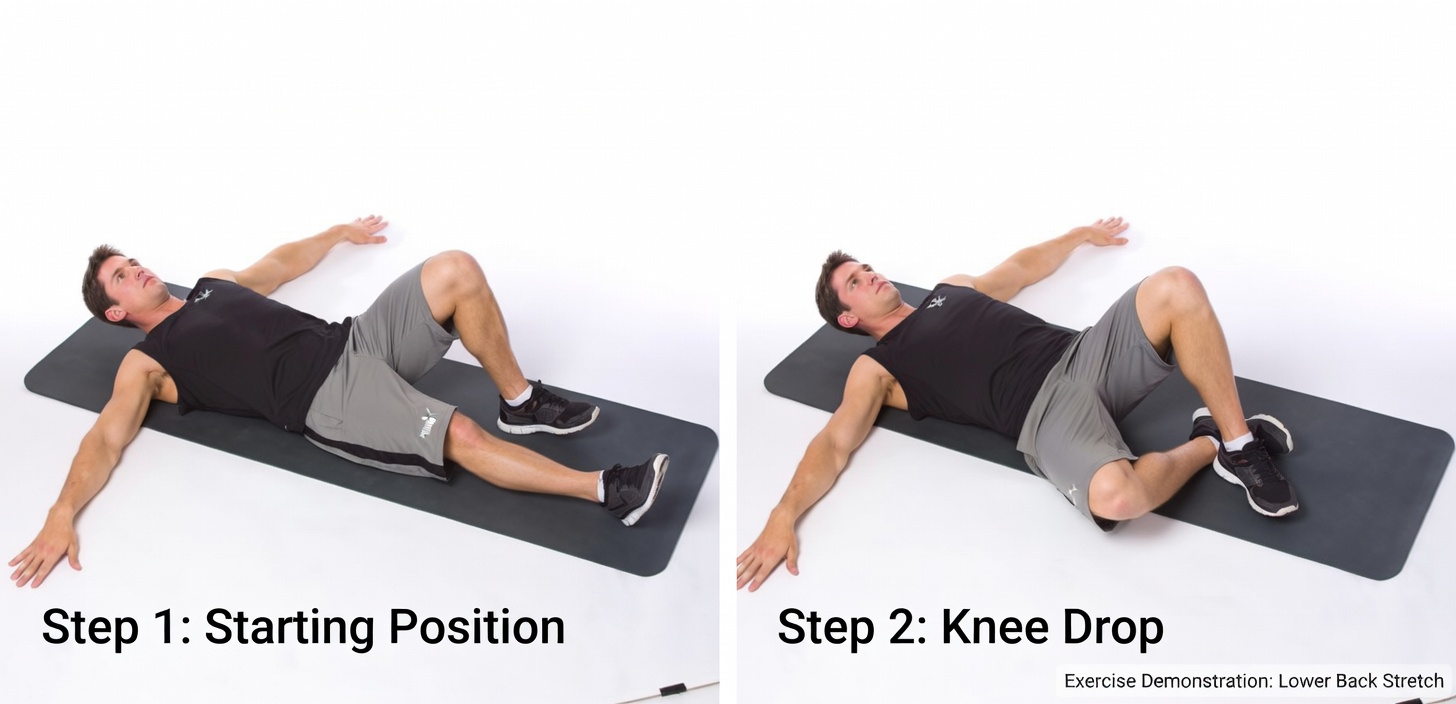
6. Lower Trunk Rotations
Lower trunk rotations, often called LTRs, are gentle and relaxing. This simple rocking movement can be done by almost anyone and often feels so soothing that many people choose to do it more than once a day.
Target muscles: Hip internal and external rotators, obliques, and spinal stabilizers
How to do it
- Lie on your back in hooklying, with your feet flat on the floor and knees comfortably bent
- Slowly let both knees move toward the right side
- When you feel a light stretch, hold for 10 seconds
- Return to the center
- Repeat the same motion to the left side
- Continue alternating sides for 10 repetitions per side
Frequency
- Can be performed daily
- You may even do it multiple times per day if it feels comfortable
Tips for Getting the Best Results
To make these low back pain exercises more effective, keep these points in mind:
- Focus on slow, controlled movement
- Do not force any stretch or position
- Keep your core gently engaged when instructed
- Modify exercises if pain increases
- Be consistent, since progress usually comes from regular practice rather than one hard workout
If an exercise causes sharp pain, numbness, or worsening symptoms, stop and seek guidance from a qualified healthcare professional.
Final Thoughts
There are many treatments people use for low back pain, but exercise remains one of the most reliable and evidence-based options.
By improving core strength, increasing mobility, and building better support around the spine, these six exercises may help relieve current discomfort and reduce the chances of future pain.
If you stay consistent and choose movements that match your current ability, you can build a stronger, more stable body that supports a healthier back over time.