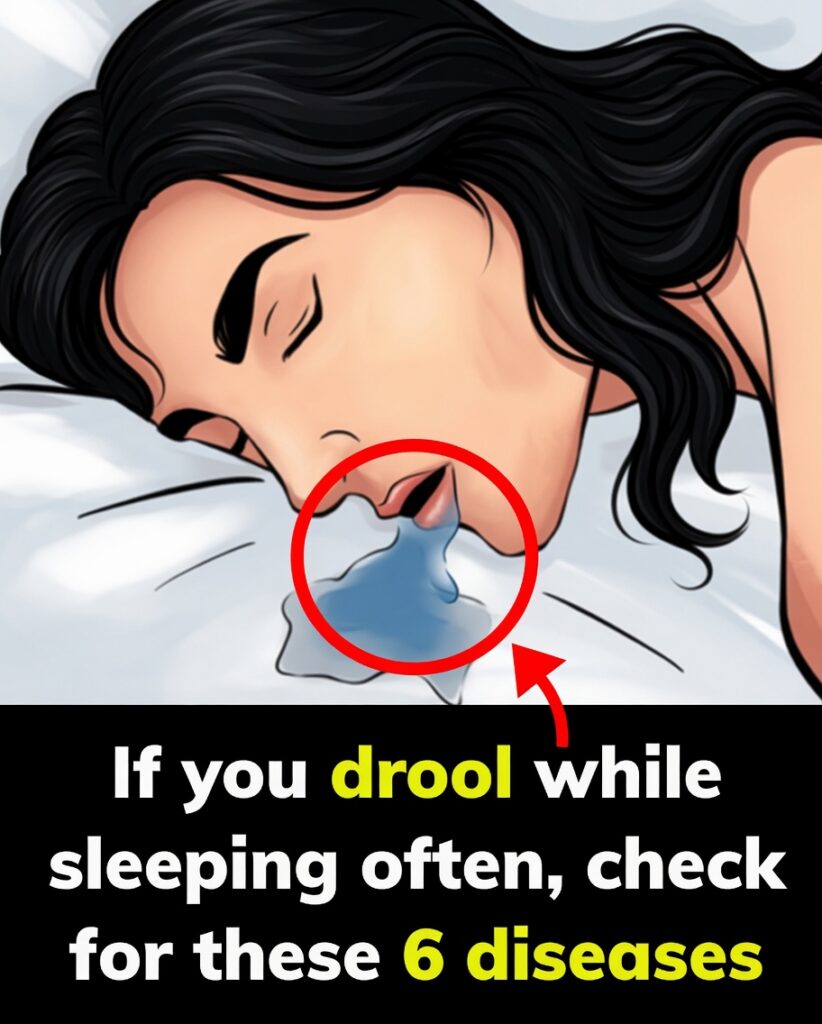
Excessive Nighttime Drooling (Nocturnal Sialorrhea): 6 Possible Causes
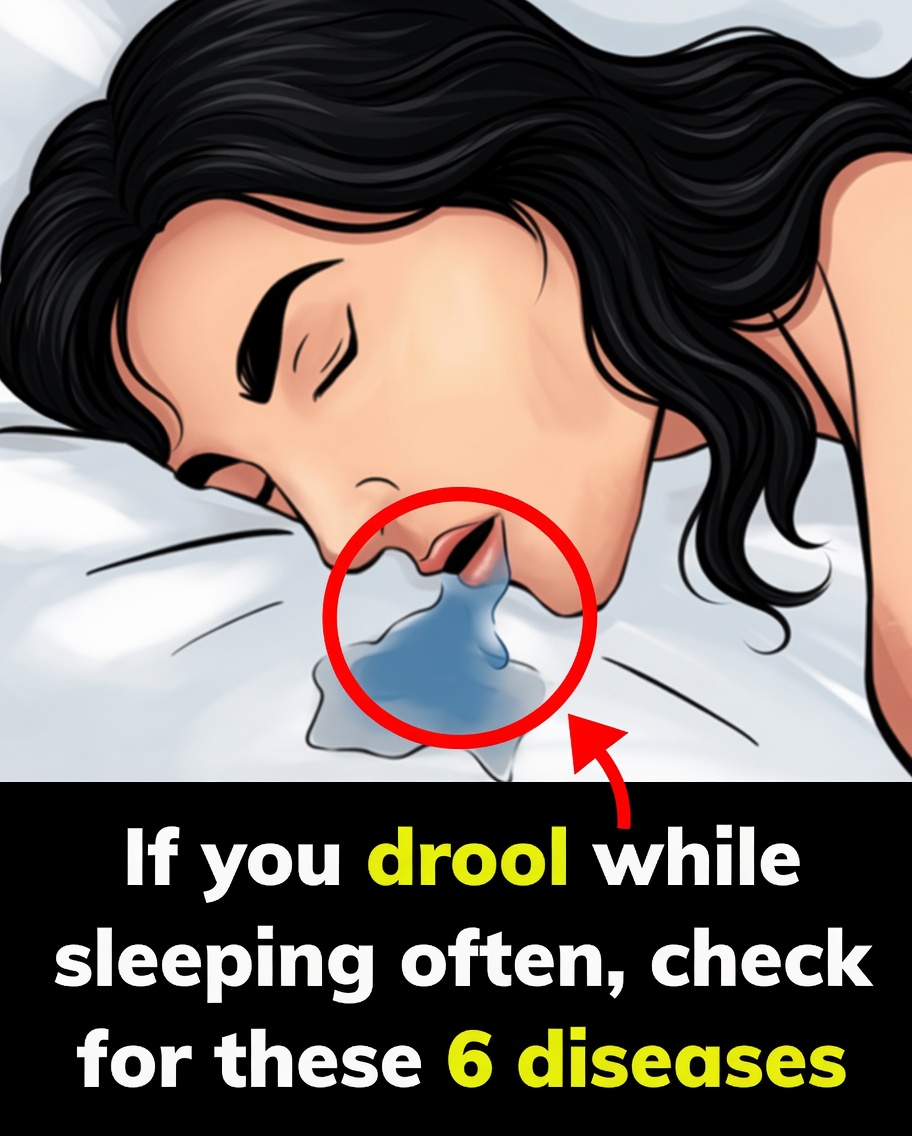
Waking up to a wet pillow now and then can happen to anyone. However, frequent or heavy drooling during sleep—also called nocturnal sialorrhea—may point to an underlying health issue rather than a simple annoyance. Below are six common medical reasons that can contribute to excessive saliva and drooling at night.
1. Sleep Apnea and Mouth Breathing
Obstructive sleep apnea (OSA) can cause repeated pauses in breathing while you sleep. When airflow is limited, many people start breathing through the mouth, which often increases drooling.
Common signs of sleep apnea include:
- Loud or chronic snoring
- Waking up choking or gasping
- Morning headaches or dry mouth
- Excessive daytime sleepiness and fatigue
2. Gastroesophageal Reflux Disease (GERD)
With GERD (acid reflux), stomach acid can rise into the esophagus and irritate tissues. This may trigger the body to produce more saliva as a protective response, leading to extra saliva at night and increased drooling.
Typical GERD symptoms include:
- Heartburn
- Regurgitation (food or acid coming back up)
- A sour or bitter taste in the mouth, especially at night
3. Neurological Conditions That Affect Swallowing
Some neurological disorders can weaken coordination or strength of the muscles responsible for swallowing. When swallowing becomes less effective—especially during sleep—saliva may pool and escape as drool.
Conditions that may contribute include:
- Parkinson’s disease
- Cerebral palsy
- ALS (Lou Gehrig’s disease)
- Stroke
4. Allergies, Colds, and Sinus Infections
Persistent nasal congestion from allergies, a cold, or a sinus infection can block normal nasal breathing. This often forces mouth breathing, which can increase nighttime drooling—especially if you sleep on your side.
Clues that congestion may be involved:
- Stuffy nose, postnasal drip, or sinus pressure
- Worse symptoms during certain seasons or around triggers (dust, pollen, pets)
5. Medication Side Effects
Some medications can either increase saliva production or interfere with normal swallowing, which can make drooling more noticeable at night.
Medication types sometimes linked to drooling include:
- Certain antipsychotics
- Some antibiotics
- Cholinergic drugs (often used for Alzheimer’s disease or myasthenia gravis)
6. Dental and Oral Health Problems
Issues inside the mouth can make it harder to keep saliva contained. For example, misaligned teeth, an overbite, dentures that don’t fit well, or gum disease may prevent the lips from closing fully, allowing saliva to leak out during sleep.
In addition, poor oral hygiene or oral infections can stimulate extra saliva as the body responds to irritation or bacteria.
When to See a Doctor
Consider medical advice if nighttime drooling is:
- Persistent or severe
- Paired with difficulty swallowing, frequent choking, or speech changes
- Linked with snoring, gasping during sleep, or extreme daytime fatigue
- Occurring alongside acid reflux symptoms such as heartburn or regurgitation
Depending on the cause, treatment may involve:
- Medication adjustments or new prescriptions
- Speech or swallowing therapy
- A CPAP machine for sleep apnea
- Lifestyle changes (including changing sleep position)
Want Help Reducing Drooling at Night?
If you share whether you also have snoring, reflux, nasal congestion, or new medications, I can tailor practical home strategies that may help reduce nighttime drooling.