
Always Tired After 50? Small Daily Habits Can Help You Feel More Energized
Do you feel worn out no matter how much coffee you drink? Are you getting through the day on caffeine, only to feel completely drained by evening? If your energy seems nothing like it used to be, even basic tasks can start to feel overwhelming.
Feeling exhausted all the time is frustrating, and coffee or sugary snacks usually do not fix the real issue. Very low energy is not something you should simply accept as a normal part of getting older. The good news is that small lifestyle shifts can make a meaningful difference. Simple daily habits may help you regain more steady energy after 50.
Why Energy Can Feel So Low
Ongoing fatigue often builds from everyday habits. Poor sleep, too little movement, unbalanced meals, dehydration, stress, and lack of time outdoors can all leave you feeling depleted. Even when these issues seem minor, they can add up and affect how energized you feel from morning to night.
1. Improve Your Sleep Quality
Sleep is not only about resting. It is also when the body repairs itself, which becomes especially important with age. Many adults find that sleep gets harder over time. You may be spending hours in bed, yet still waking up tired and unrested.
Deep sleep supports both heart health and brain function. When sleep quality is poor, you can feel groggy and even more fatigued the next day. Over the years, poor sleep can catch up with the body. Getting older does not mean you have to settle for poor sleep. Improving sleep quality can help restore energy, and even simple mobility moves for people over 50 may help you sleep better at night.

2. Move Your Body Every Day
Exercise may feel harder than it did when you were younger, but that does not mean movement matters less. In fact, staying active becomes even more important with age. The good news is that it does not have to mean long or intense workouts. It can be gentle, simple, and suited to your current fitness level.
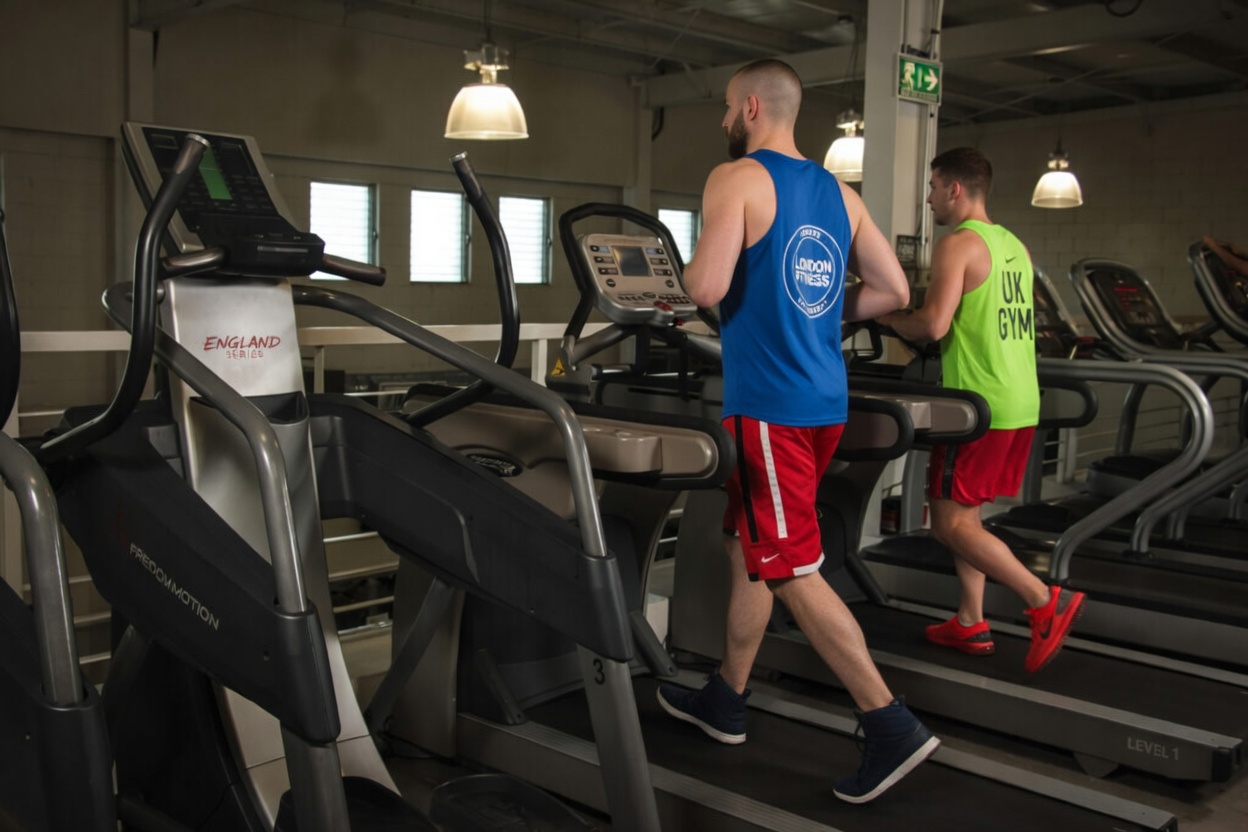
Physical activity helps fight fatigue. Instead of draining your energy, movement can help build it. It also supports better blood circulation throughout the body. Even light activity can help boost energy after 50. A good goal is to move for at least 30 minutes each day. If getting outside feels difficult, simple treadmill workouts at home can also be an option.
3. Eat More Balanced Meals
What you eat plays a major role in how much energy you have. Many meals give only a quick burst of energy, then leave you feeling tired again soon after. That can happen even if the meal seemed filling at first.
Balanced meals are better for steady energy throughout the day. Each meal should include your macronutrients, vitamins, and nutrients. Protein is especially important after 50 because it helps support muscle strength and can help you stay full longer.
4. Stay Hydrated
Food is important, but water matters just as much when it comes to energy. Dehydration is a common cause of fatigue in adults of all ages. It is easy to lose track of water intake during a busy day, yet even mild dehydration can lower energy levels.
If you are eating nutritious foods but not drinking enough water, your body cannot make the most of those nutrients. Water helps move nutrients through the body and supports healthy circulation. One simple way to begin the day is with a glass of warm lemon honey water. It helps hydrate the body and may support gut health, while also helping you feel more refreshed in the morning.
5. Lower Daily Stress
Stress happens to everyone from time to time, but constant stress can wear you down. Chronic stress affects both the body and the mind, and one of the biggest effects is low energy. When your body is always responding to stress, it uses a great deal of energy. Stress also raises cortisol levels, and high cortisol can lead to even more fatigue.
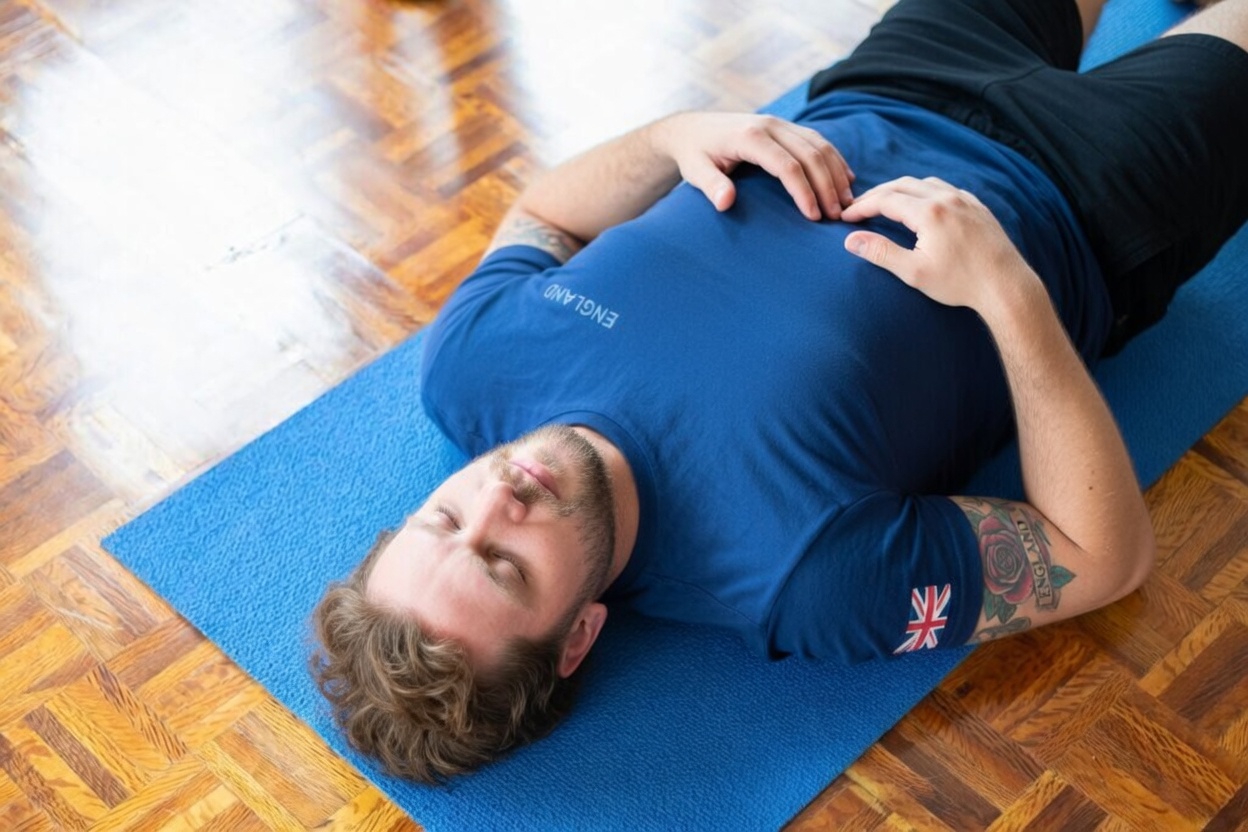
Reducing stress is not always easy, but it is possible to manage it better with simple daily practices. When stress feels more under control, it becomes easier to protect your energy. Breathing exercises can help relax your nervous system and calm your mind.

6. Spend More Time Outdoors
Getting outside can do more for your energy than you might expect. Sunlight does more than brighten the day. It also helps your body get vitamin D, which supports health and energy.
Morning sunlight can help regulate your internal body clock and improve sleep quality. Better sleep can help you hold on to more energy during the day. A walk outdoors is one of the simplest ways to benefit, and walking offers health benefits at any age.
Small Changes Can Lead to More Energy
Low energy does not have to be something you accept just because you are over 50. When you are tired all the time, it is hard to enjoy daily life. But often, the biggest improvements come from the smallest habits.
By sleeping better, moving daily, eating balanced meals, drinking enough water, managing stress, and spending time outdoors, you may start to notice a real shift in how you feel. Over time, these simple changes can help you feel more refreshed and ready to enjoy life again. Consult a healthcare professional before making changes.