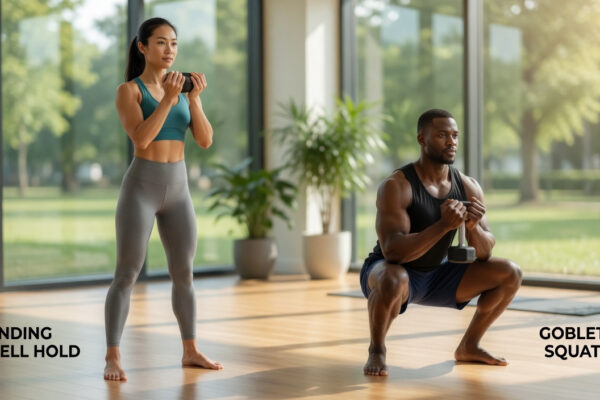
Core Training Is About More Than Visible Abs
Many people still link core workouts with getting a six-pack. That idea can be misleading. A strong core is not defined by how your stomach looks, and visible abs are not the only sign of real strength. Because of this misunderstanding, some people train their core too much, while others skip it completely.
In reality, core strength is more about stability, balance, and control. When your core is healthy, everyday movement can feel safer, easier, and more supported.
Why a Weak Core Can Cause Problems
Your core plays a part in nearly every movement you make. It helps stabilize your middle, supports force transfer between the upper and lower body, and encourages better posture. Simple daily tasks like walking or carrying groceries can feel easier when this area is strong. Efficient core control is also believed to help during childbirth by reducing labor time and supporting recovery.
When the muscles around your midsection are not doing their job well, nearby muscles often try to take over. Over time, that can lead to discomfort and raise the chance of injury, especially during exercise or when lifting loads. One of the core’s biggest jobs is to protect the spine. For people who sit for long hours at a desk, building a stronger base can help offset the strain of being seated all day.
The Good News: You Can Build Core Strength Simply
You do not need expensive equipment or a gym membership to strengthen your core. A yoga mat and a little space are enough to begin. Sticking with a routine of basic movements can bring noticeable progress. Core work should feel helpful, not punishing. When done with care and consistency, it can make a big difference surprisingly fast.
Below are seven simple exercises that can help you build a stronger, more resilient core.
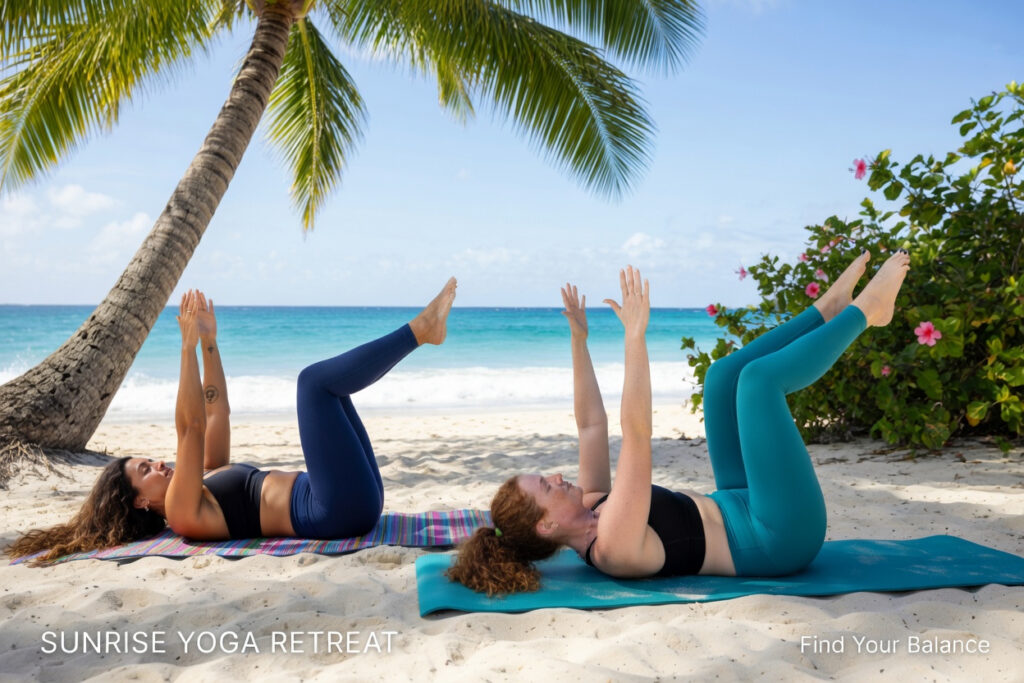
1. Dead Bug
The dead bug is a favorite among regular exercisers and is one of the safest ways to train core stability while your arms and legs move. You alternate your limbs while keeping your lower back and midsection pressed into the floor.
This movement works the abdominal muscles that support posture and body alignment. It is especially beginner-friendly because it teaches control without putting pressure on the lower back. A simple cue for activating your core is to imagine that you are about to sneeze.
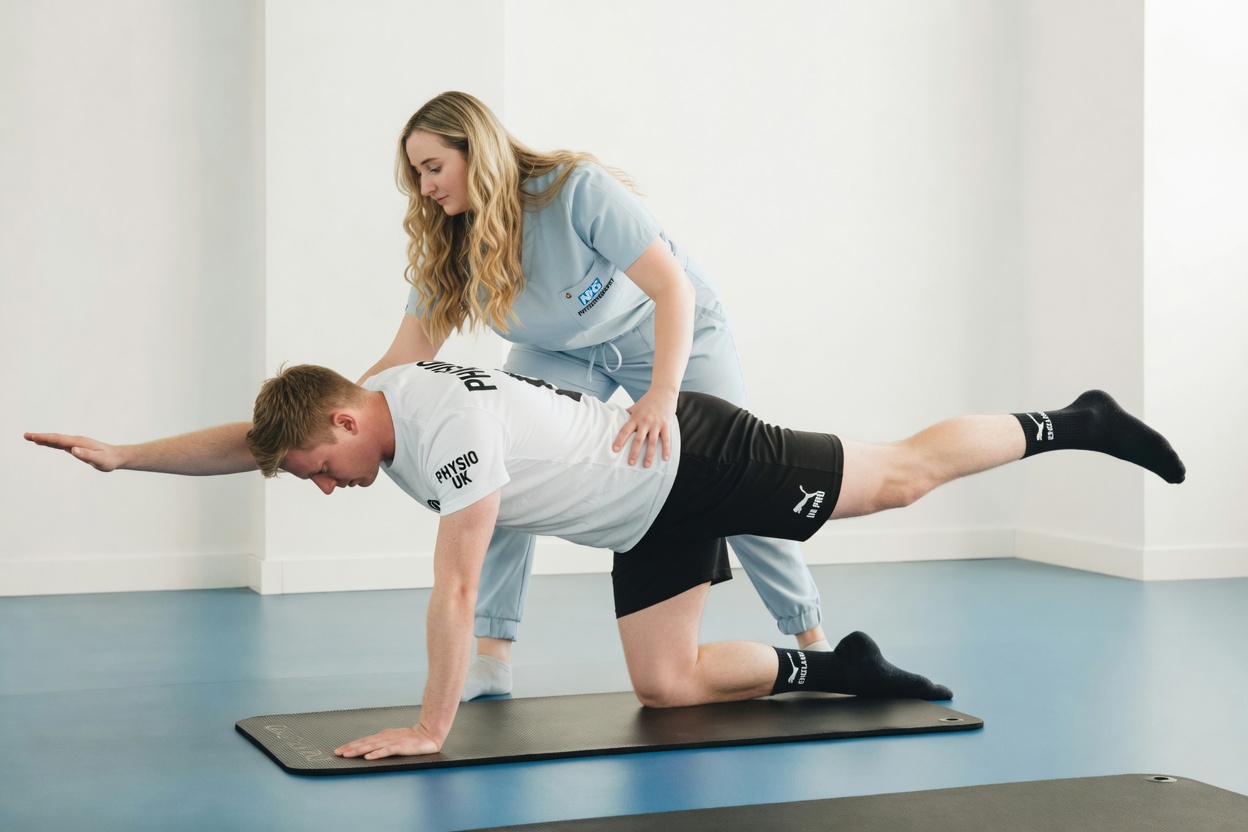
2. Bird Dog
Bird dog is a gentle but effective core exercise. Start on all fours, then extend one arm and the opposite leg while keeping your torso steady. The goal is to avoid extra movement, such as rocking from side to side, while staying balanced.
This exercise helps improve coordination and body control. Practicing which arm and leg move together can make movement feel smoother and more connected. For people dealing with stiffness or tight joints, it can feel especially relieving. Slow, controlled reps are the key to building stability here.
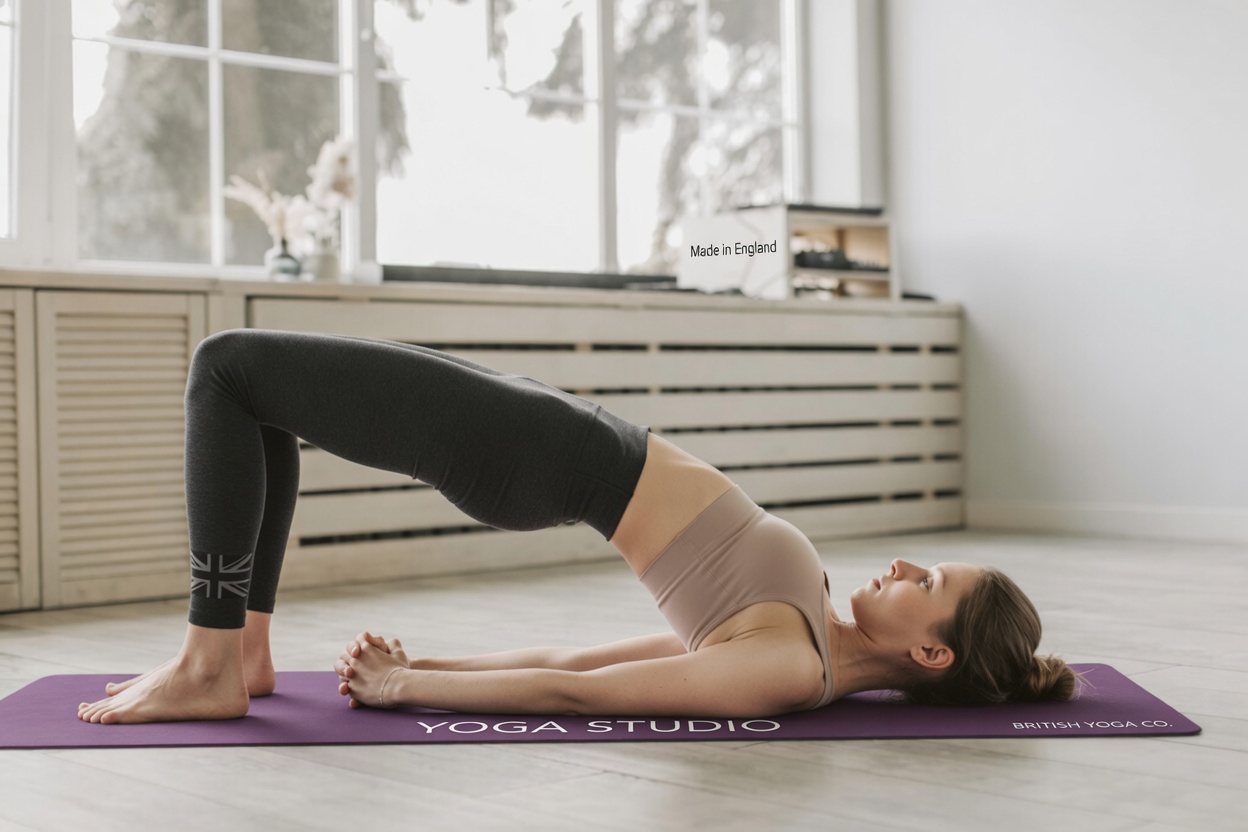
3. Glute Bridge
Glute bridges are a great way to train the midsection along with the glutes and hamstrings. In this exercise, hip mobility and core stability work together. It can help ease tension while strengthening the body’s center.
When the glutes are weak, the lower back often ends up doing too much, which can lead to aches and discomfort during the day. Glute bridges are simple to do and need no equipment. If you want to make them harder over time, you can safely add weight. They can also help improve anterior pelvic tilt.
4. Plank Hold
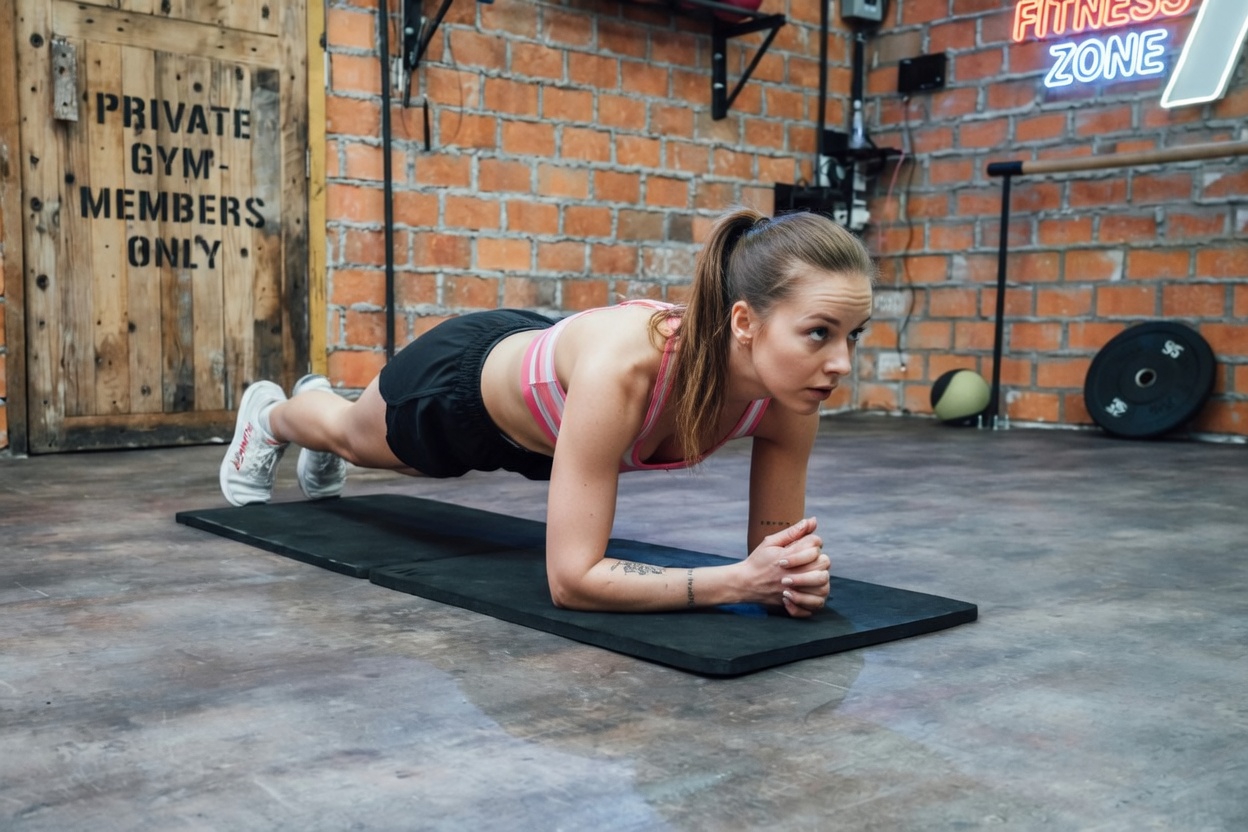
Planks are well known for building core endurance, but many people do them with poor form. When performed correctly, they strengthen the deep core and help stabilize the spine. You can do them on your forearms or your hands.
Like glute bridges, planks can be made more challenging by adding weight on the back. They may also help gradually improve hip tilt. The biggest benefit comes from focusing on proper form and holding steady over time.
5. Side Plank
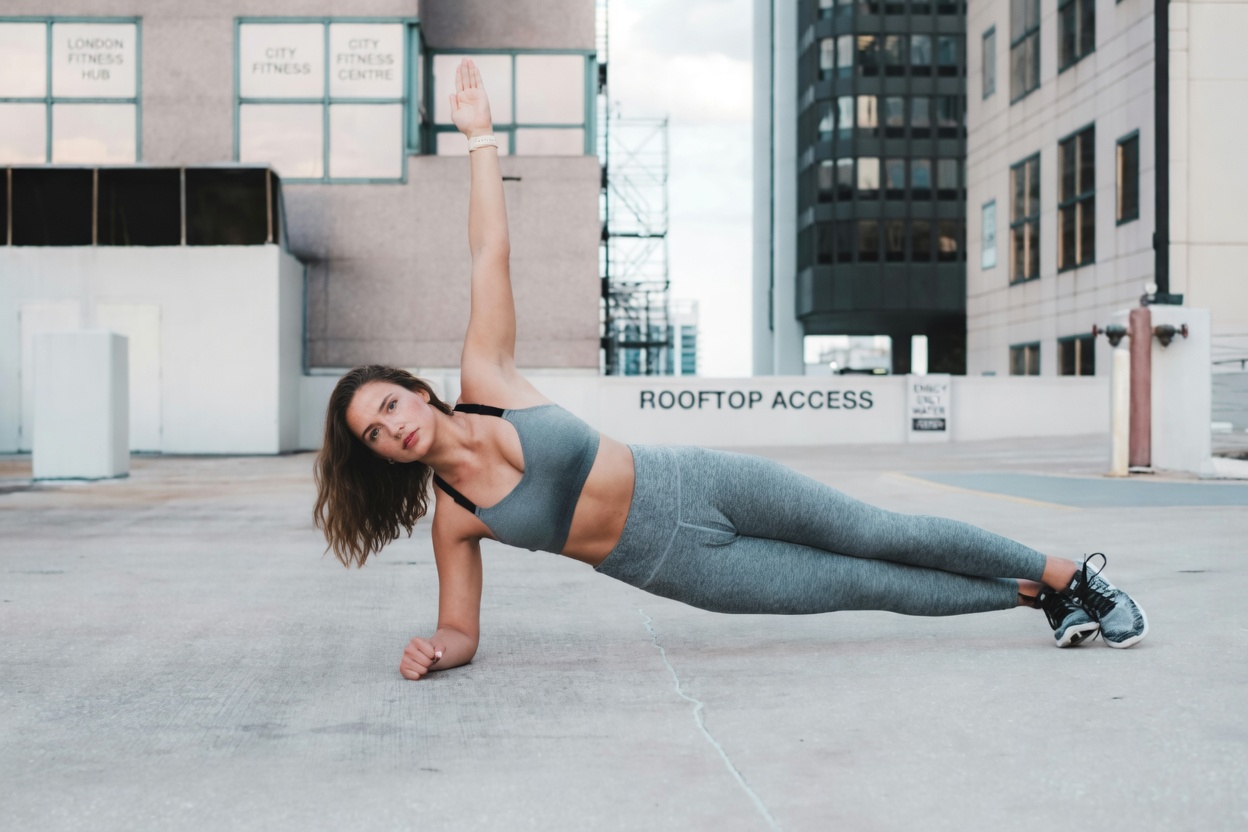
Side planks help create more complete core strength and better torso stability. They target the obliques, which run along the sides of the abdomen. These muscles are easy to overlook, but they are important for a strong and functional trunk.
If balance is difficult at first, start with shorter holds. As with most low-impact exercises, good form matters more than duration. With regular practice, side planks can help your movements feel steadier and more supported.
6. Standing March Hold
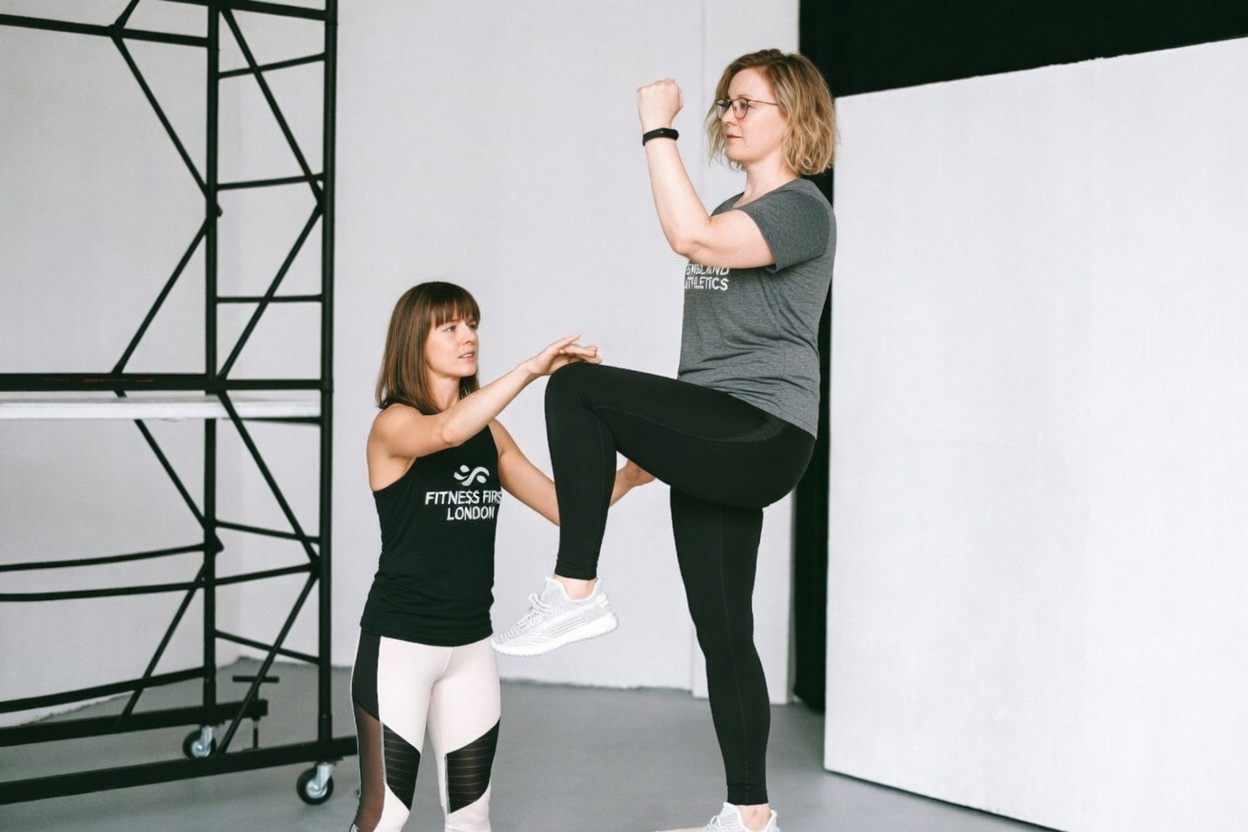
Core training does not always have to happen on the floor. The standing march hold is done upright by lifting one knee and maintaining good posture and balance. It may feel challenging at first, but with regular practice, balance and control improve.
This exercise supports everyday movements such as climbing stairs or bending down to pick something up. Once you feel steady, you can make it more demanding by holding weights overhead or at chest level. Resistance bands around the ankles can also increase the intensity.
7. Heel Slides
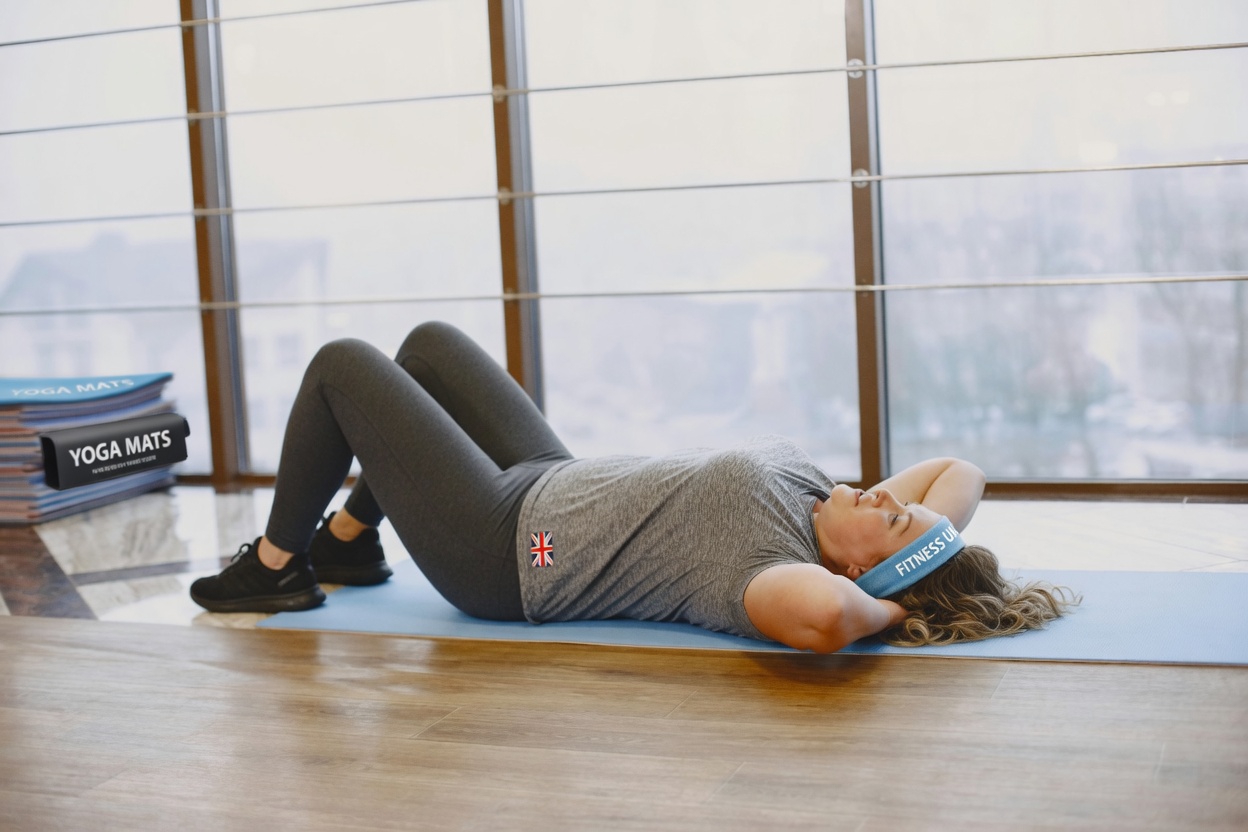
Heel slides are simple, gentle, and suitable for people of all ages. Lie on your back and slide one heel away from your body at a time while keeping your lower back pressed into the floor. You can better engage your core by controlling rib flare and tucking your hips.
When done slowly and with control, heel slides train the deep abdominal muscles. Much like dead bugs, they support coordination and stability. Even though they are basic, they can make functional movement easier and help everyday tasks feel more manageable.
Final Thoughts
A strong core supports a healthy and active lifestyle. You do not need complicated workouts, fancy machines, or even to leave home to improve it. These movements are simple, low-impact, and easy to adjust with weights or resistance if needed.
Making time for core work can support posture, spinal protection, and smoother daily movement. As your core becomes stronger, your body may feel more coordinated, stable, and confident. Slow and mindful practice helps build a stronger trunk, support the joints, and lower the risk of injury.
Consult a healthcare professional before making changes.