Core Strength Is About More Than Visible Abs
A lot of people think core training is only about getting a six-pack. That idea can be misleading. It causes some people to overwork their midsection, while others skip core exercises completely. In reality, a strong core is not defined by appearance. It is built on stability, balance, and control.
A healthy core helps daily movement feel safer and easier. It can make simple tasks like walking, lifting groceries, bending down, or climbing stairs feel more supported. The good news is that you do not need expensive equipment or a gym membership to start. A yoga mat and a little space are enough to begin.
Why Core Weakness Can Lead to Problems
Your core plays a role in nearly every movement. It helps steady your midsection and transfers force between the upper and lower body. It also supports posture and helps protect the spine.
When the core is weak, nearby muscles often take on extra work. Over time, this can lead to discomfort and raise the risk of injury, especially during exercise or when lifting loads. For people who sit for much of the day, building a stronger base can help counterbalance the effects of long hours at a desk.
Core control is also believed to support childbirth by helping reduce labor time and aiding recovery.
The Simple Solution: Build Strength With Consistent Core Work
Core training does not have to be complicated. A steady routine of simple, low-impact movements can produce noticeable results. When done with good form, these exercises help improve posture, coordination, stability, and confidence in movement.
Below are seven exercises that can help strengthen your core.
1. Dead Bug
The dead bug is a safe and beginner-friendly way to train core stability while moving your arms and legs. You lie on your back and alternate your limbs while keeping your lower back and midsection pressed into the floor.
This movement works the abdominal muscles that support posture and alignment. It is especially useful for learning control without placing stress on the lower back. A helpful way to engage your core is to imagine you are about to sneeze.
2. Bird Dog
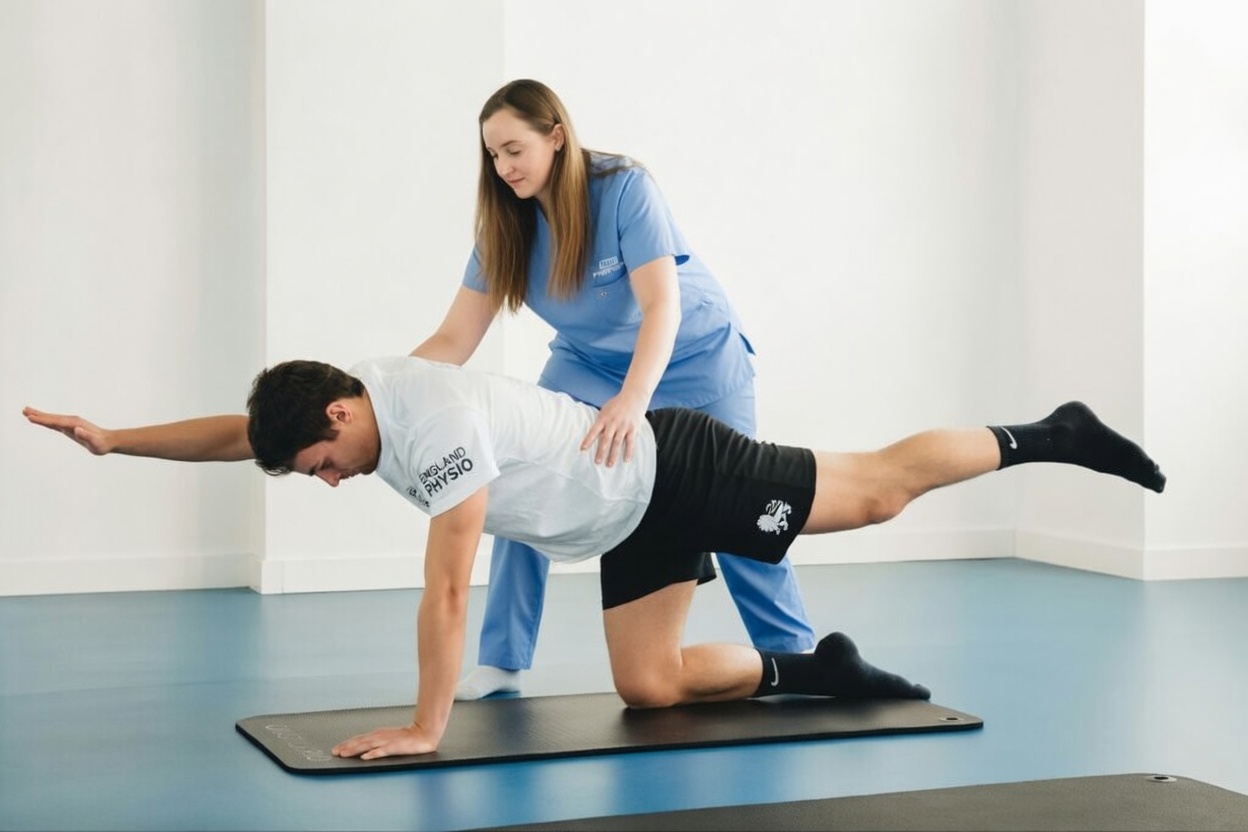
The bird dog is a gentle exercise that trains balance and control. Start on all fours, then extend one arm and the opposite leg while keeping your torso steady. Try not to rock side to side as you move.
This exercise improves coordination and helps you become more aware of how your body moves. Slow, controlled reps can feel especially helpful if you deal with stiffness or tightness in the joints.
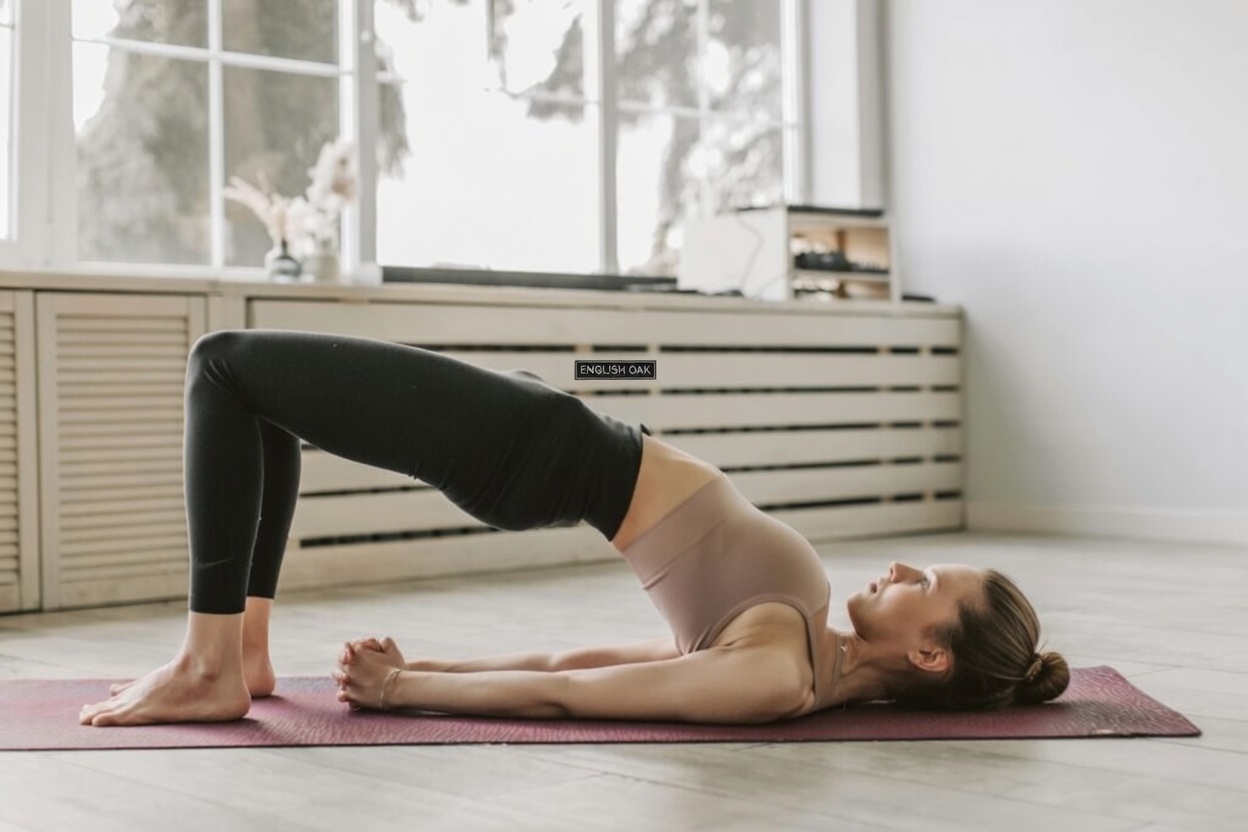
3. Glute Bridge
Glute bridges strengthen the midsection while also working the glutes and hamstrings. They combine hip mobility with core stability and can help release tension while building strength.
When the glutes are weak, the lower back often takes on more work, which can lead to aches during the day. Glute bridges are simple to do and require no equipment. If needed, weight can be added over time for progressive overload. This exercise can also help improve anterior pelvic tilt.
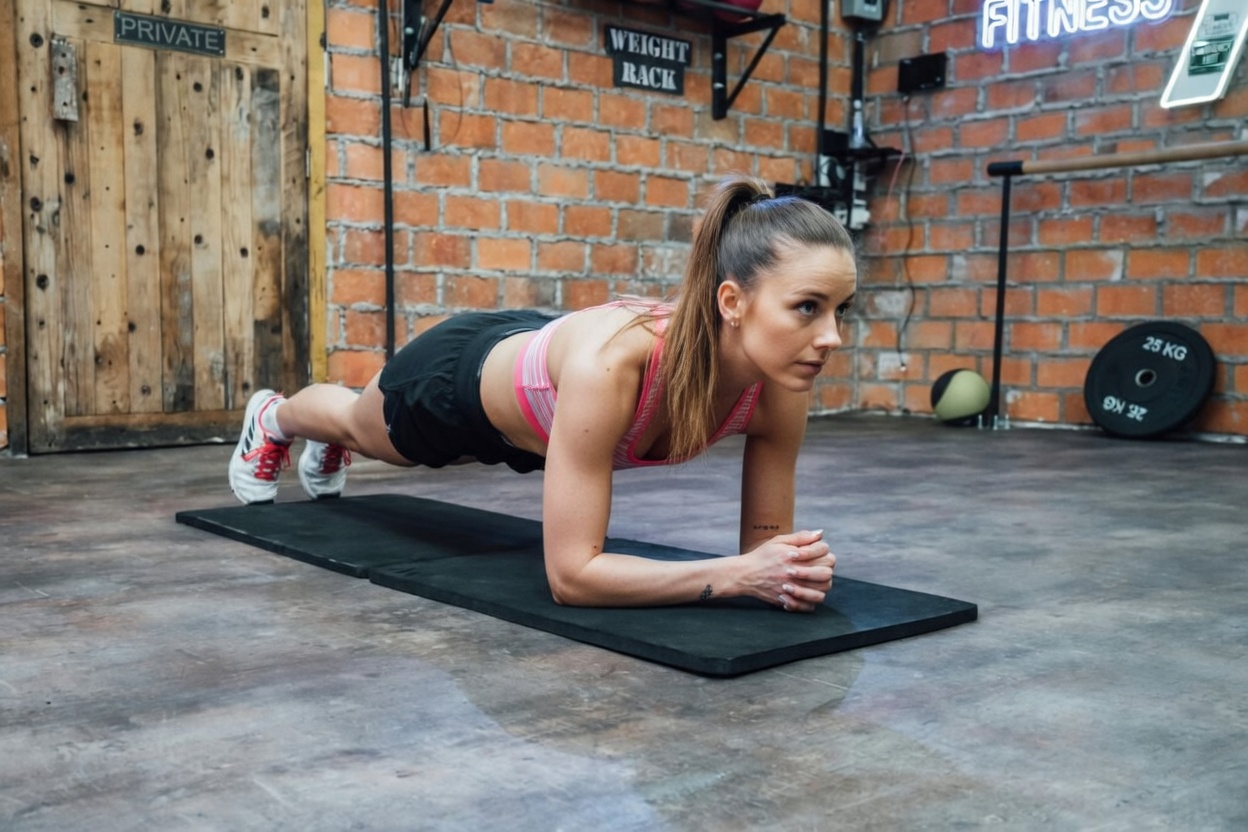
4. Plank Hold
Planks are well known for building core endurance, but form matters. When performed correctly, they train the deep core and help stabilize the spine. You can do them on your forearms or your hands.
Like glute bridges, planks can be made more challenging by adding weight to your back. They may also help with gradually improving hip tilt. The biggest key is focusing on correct technique rather than rushing.
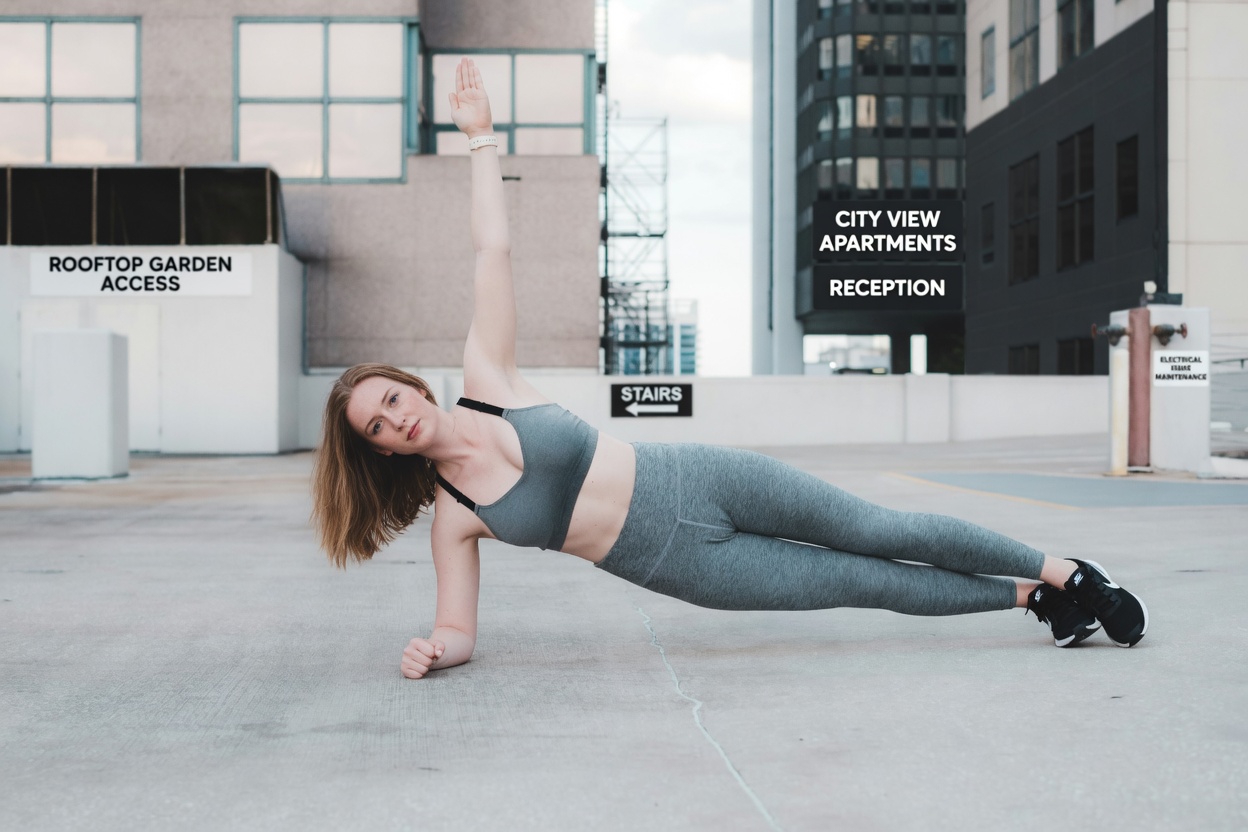
5. Side Plank
Side planks help create stronger overall torso stability. They target the obliques, which run along the sides of the abdomen. These muscles are easy to overlook, but they are important for a strong and functional trunk.
If balancing feels difficult, begin with shorter holds. As with many low-impact exercises, proper form matters most. With regular practice, side planks can help movement feel steadier and better supported.
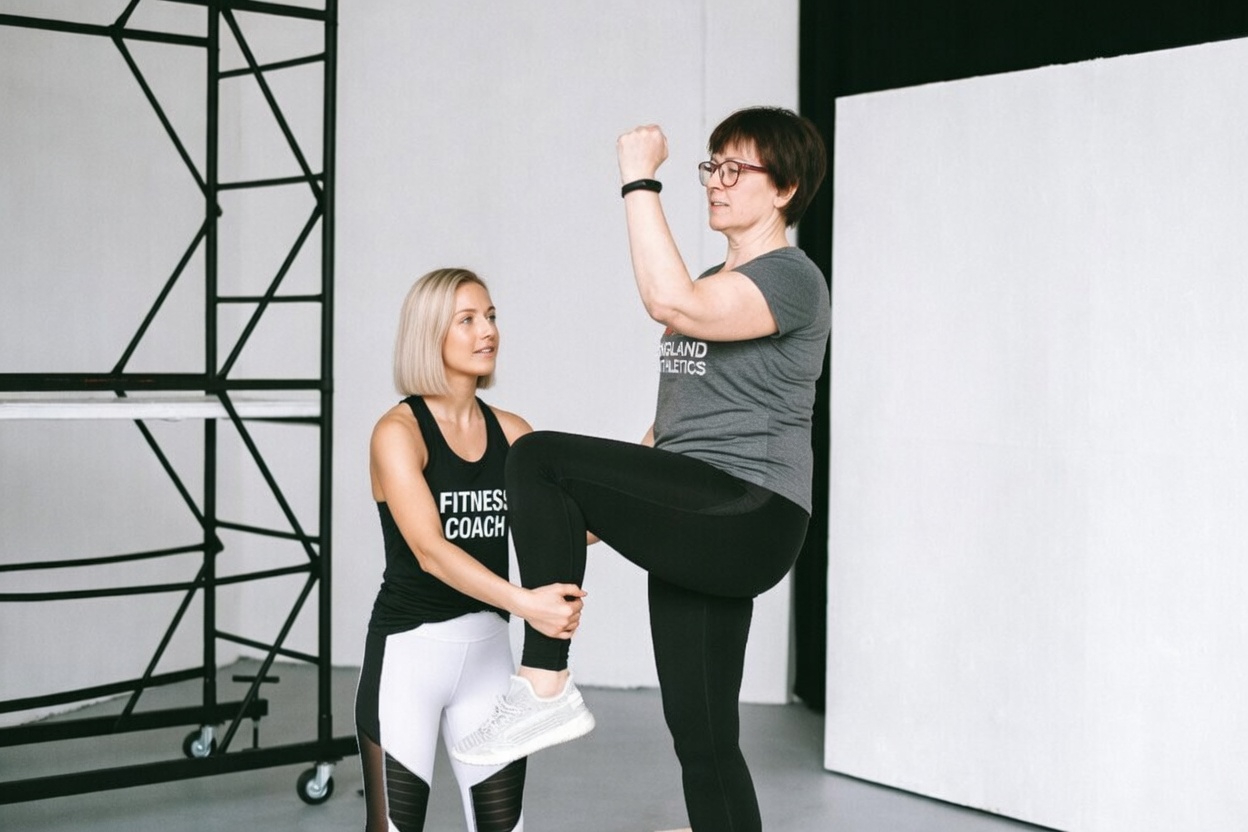
6. Standing March Hold
Core work does not always happen on the floor. In a standing march hold, you stand tall and raise one knee while keeping your balance and posture. It may feel challenging at first, but steady practice can improve both balance and core control.
This movement supports everyday actions such as climbing stairs or bending to pick things up. Once you feel stable, you can increase the challenge by holding weights overhead or at chest level. Resistance bands around the ankles can also make the exercise more intense.
7. Heel Slides
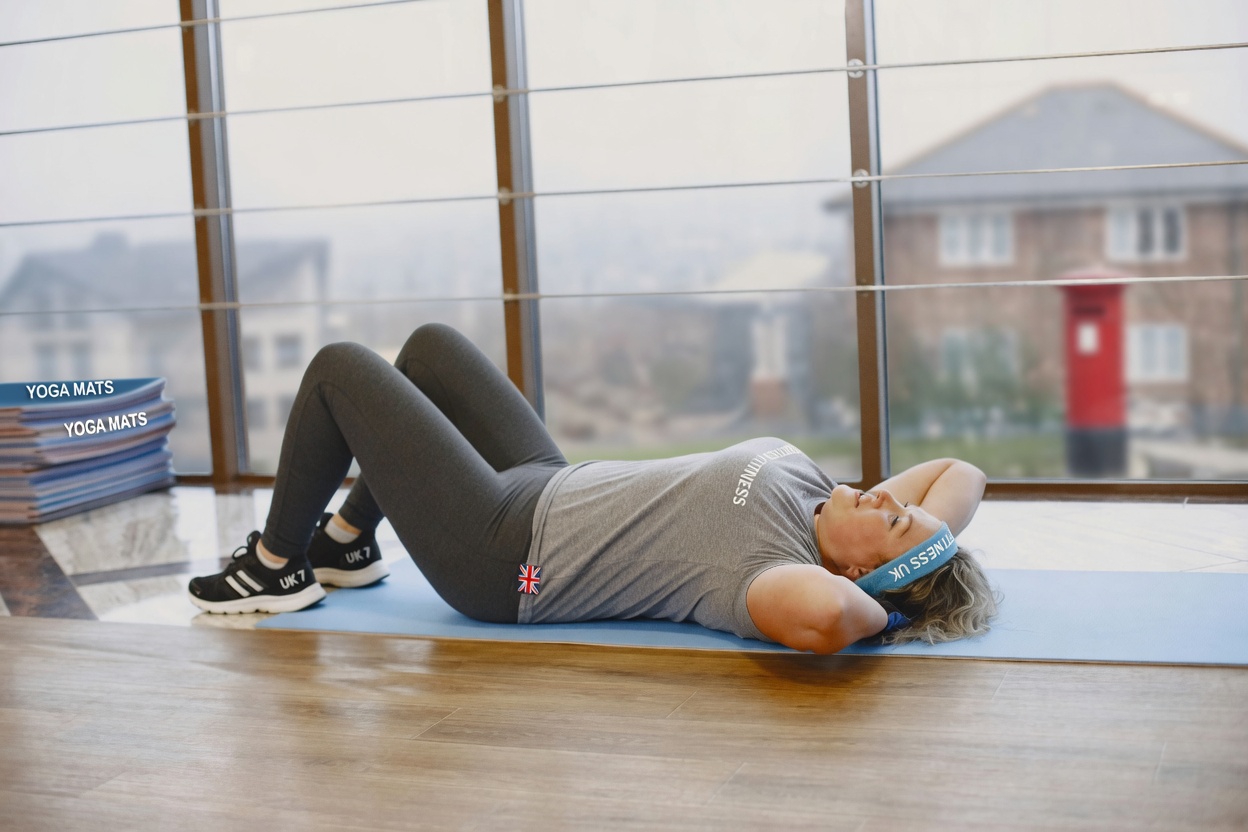
Heel slides are simple and accessible for people of all ages. Lie on your back and slowly slide one heel away from your body at a time while keeping your lower back pressed into the floor. You can further engage your core by controlling rib flare and gently tucking your hips.
When done with care and control, heel slides train the deep abdominal muscles. Like dead bugs, they help improve coordination and stability. Even though they are basic, they support functional movement and make daily activities feel easier.
Final Thoughts
A strong core supports a healthy and active lifestyle. It helps with posture, spinal support, coordination, and daily physical tasks. You do not need machines, a gym, or complex routines to build it. Simple movements done consistently at home can make a real difference.
Training your core with mindful, controlled movement can help your body feel more stable, resilient, and supported. Over time, that stronger foundation can help protect your joints and lower the risk of injury.
Consult a healthcare professional before making changes.