Shoulder Pain Exercises: 7 Effective Moves for Healthier, Stronger Shoulders
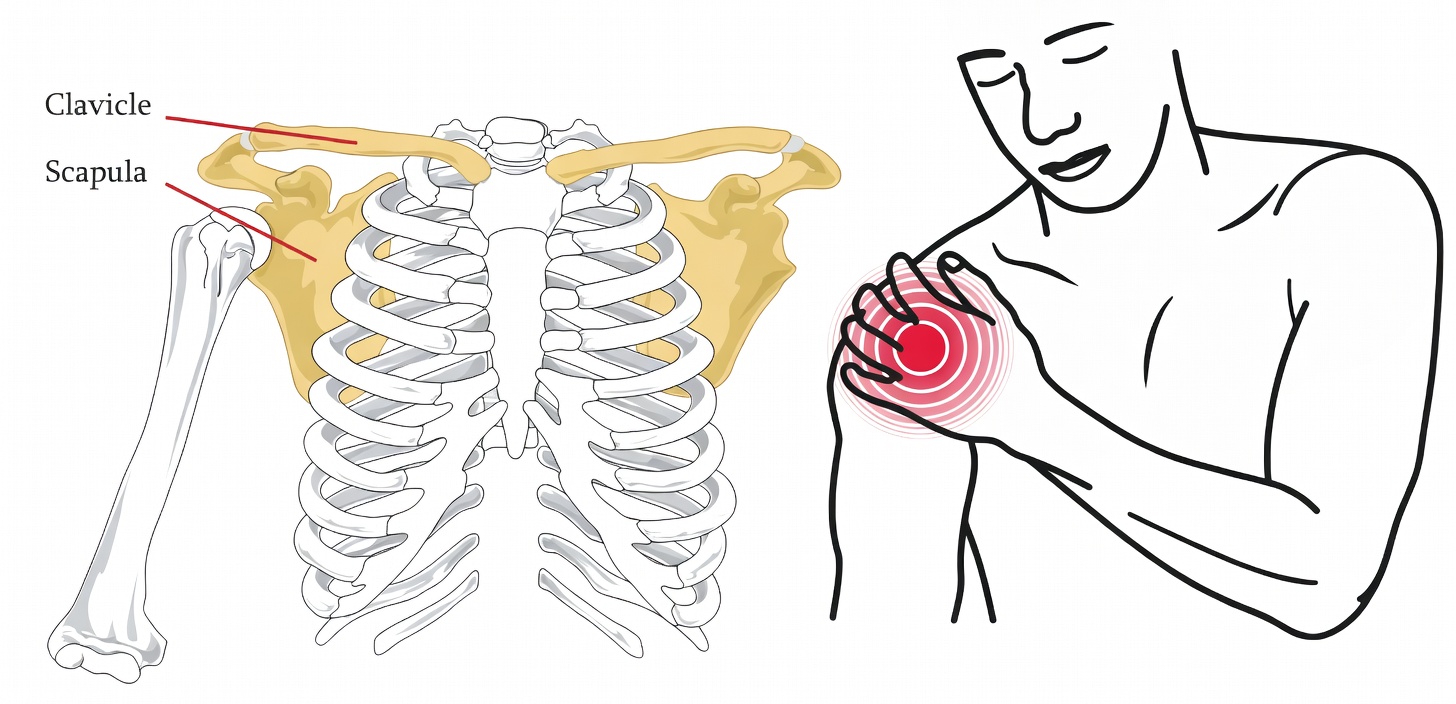
When shoulder pain starts, many people immediately search online for shoulder pain exercises. That is understandable—but most exercise lists leave out one important fact: the shoulder is one of the most complex joints in the human body.
It is designed for mobility, which is why it relies on a coordinated system of small muscles, bones, tendons, and ligaments. Because of that complexity, pain can come from many different structures in and around the shoulder. In some cases, discomfort may even be caused by referred pain from another area of the body.
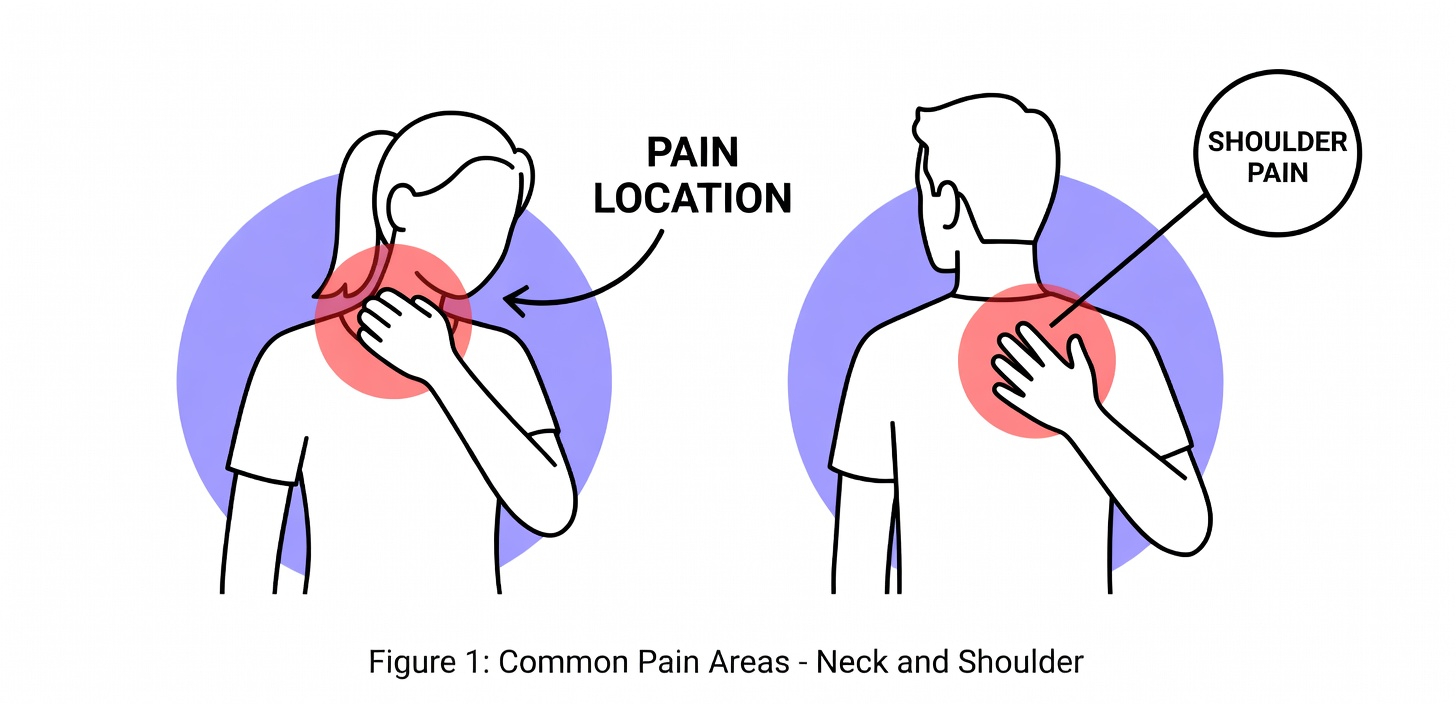
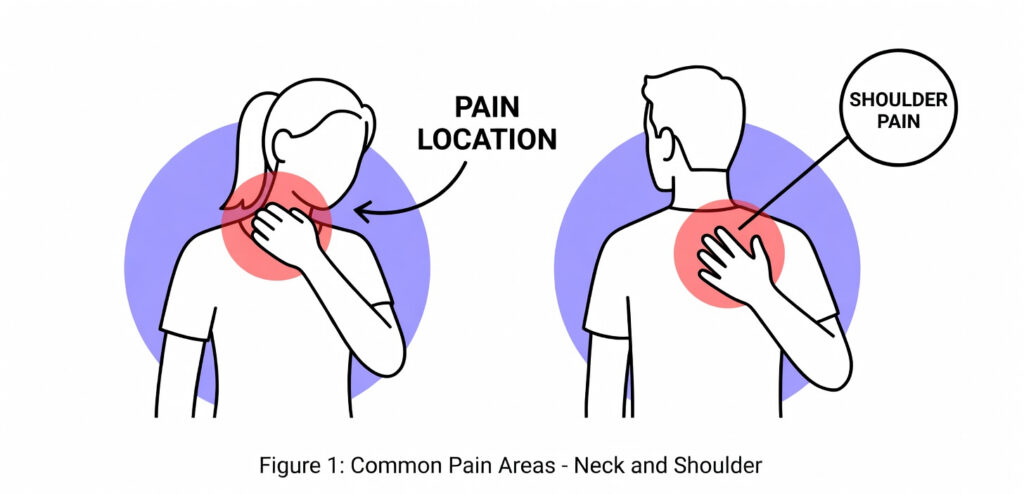
For that reason, the smartest way to deal with ongoing or severe shoulder pain is to see a qualified physical therapist or physician who can properly assess the problem.
Still, there are several foundational exercises that can help support shoulder health in many people. In this guide, you will learn:
- Common reasons shoulder pain develops
- Why exercise matters for shoulder pain relief and prevention
- 7 shoulder exercises that may improve pain and dysfunction
Important: This article is for educational purposes only and is not a replacement for an in-person medical evaluation. If you have shoulder pain, consult a doctor or another licensed healthcare professional.
Related Fitness Articles
You may also enjoy:
- Shoulder Workout: The 6-Move Routine for Strong and Healthy Shoulders
- 5 Best Exercises to Protect Your Back and Improve Posture
- The Best 30-Minute Dumbbell Back Workout Routine
Common Causes of Shoulder Pain
As mentioned above, shoulder pain can have many possible sources. Here, we will focus on the causes that often respond well to exercise, mobility work, and postural correction.
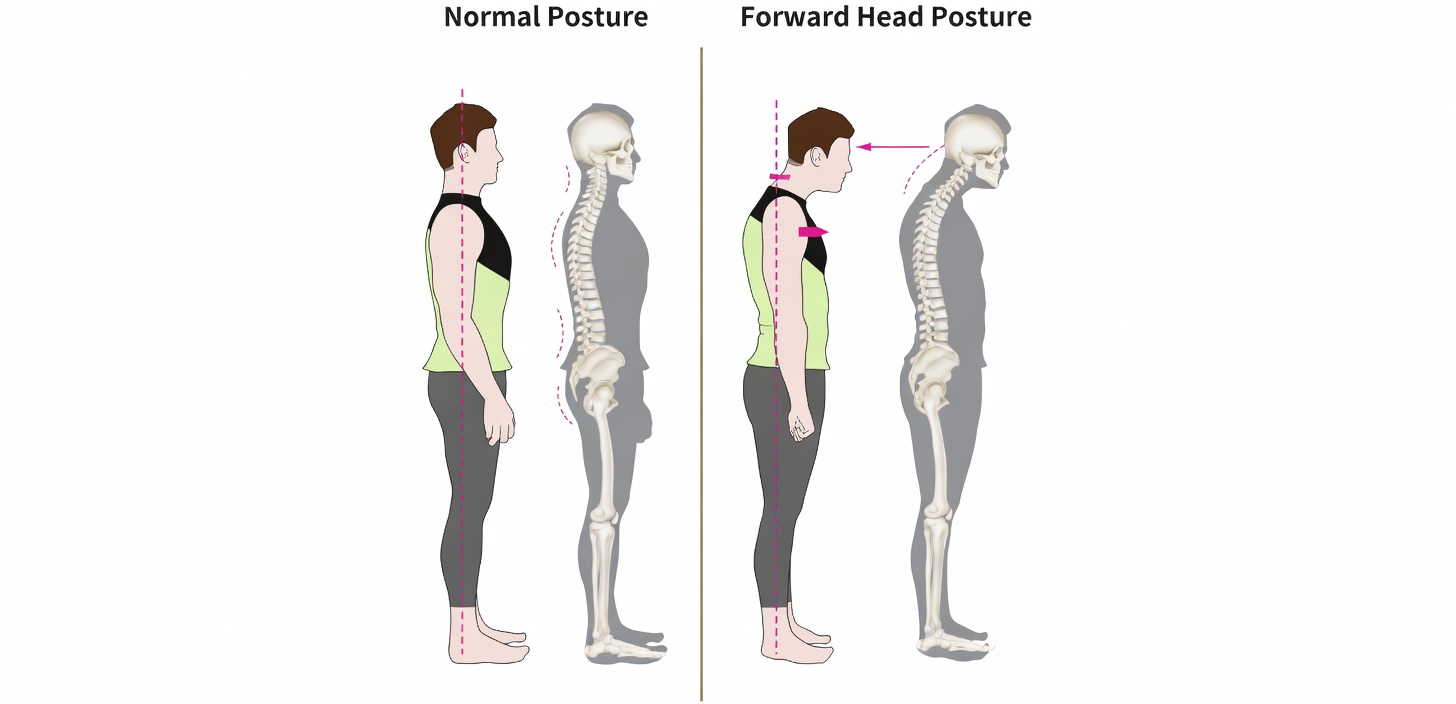
Poor Posture
Forward head posture, rounded shoulders, and general postural weakness are frequent contributors to shoulder discomfort.
This is especially common in people who spend long hours at a desk. Sitting in a slouched position while looking at a screen and typing for most of the day often pulls the shoulders forward.
In that position, part of the shoulder blade called the acromion can place pressure on a rotator cuff tendon or nearby tissues. A short period in this posture usually is not a major problem. But when it happens for hours a day over months or years, irritation and pain can build up.

Repetitive Movement
Shoulder pain is not caused only by posture. Repeating the same motions over and over can also create stress in the joint.
This can happen in:
- Jobs that require reaching or lifting
- Sports involving throwing or overhead activity
- Everyday tasks performed with poor mechanics
Over time, repeated strain may lead to inflammation, stiffness, weakness, and pain.
Sudden or Acute Injury
Unlike posture-related or repetitive-use pain, some shoulder problems begin with a single incident.
For example, someone might fall and catch themselves with one hand, then develop shoulder pain afterward. Acute injuries can affect muscles, tendons, ligaments, or the joint itself.
Why Exercise Matters for Shoulder Pain
Shoulder pain can be frustrating and, in some cases, extremely limiting. The good news is that for many common causes, exercise is one of the most effective tools for improving symptoms.
Regular exercise can help:
- Restore movement
- Improve joint control
- Build strength in weak muscles
- Reduce excessive tension in tight muscles
- Support better posture
- Lower the risk of future injury
Exercise can also be used as prehab—training before pain develops—to keep the shoulders functioning well and reduce the chance of future problems.
What Kind of Exercise Helps Most?
In general, the best shoulder rehabilitation or prevention plan aims to improve two things:
- Full, comfortable range of motion
- Appropriate muscular strength and control
That usually means including both mobility work and strengthening exercises.

1. Stretch Tight, Overworked Muscles
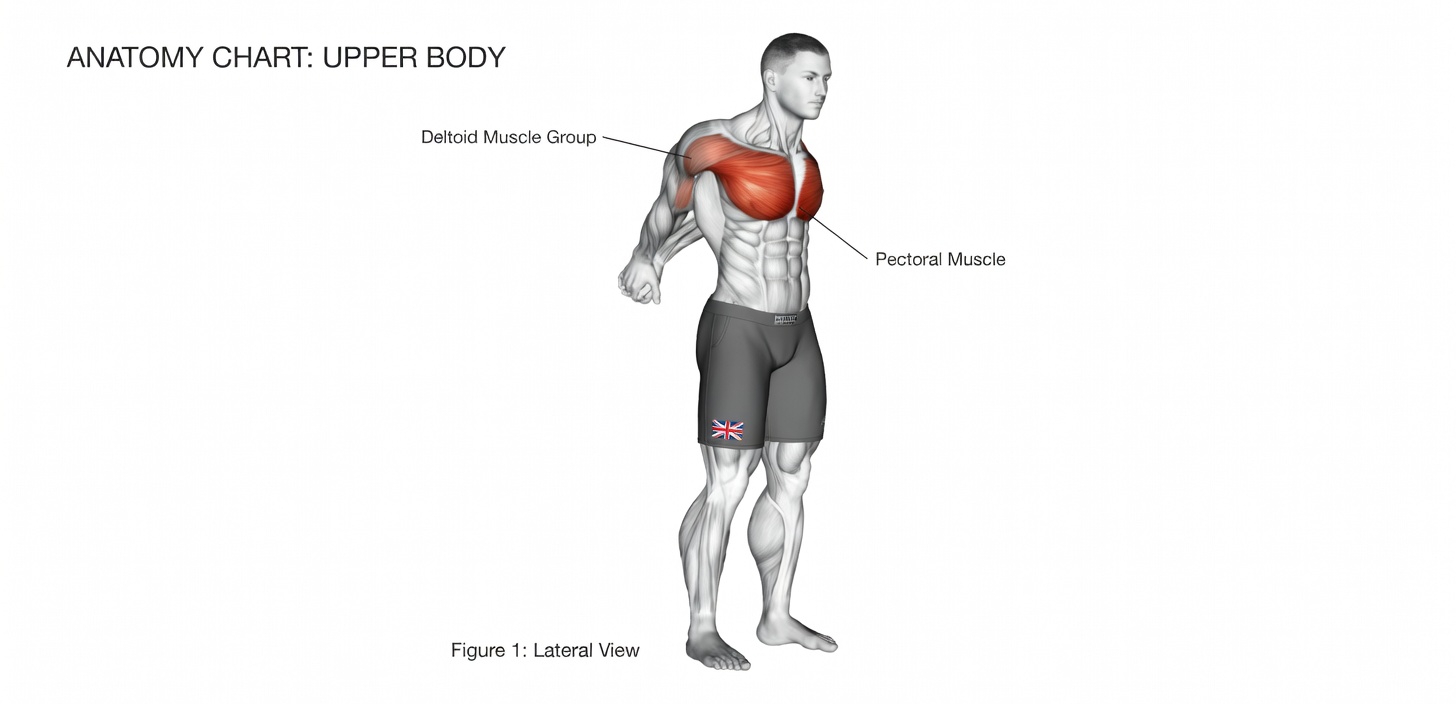
Muscles such as the pectoralis minor and upper trapezius are often tight and overactive, especially in people with poor posture. When those muscles stay shortened for too long, they can increase pressure around the shoulder and contribute to dysfunction.
Stretching and mobility work can help reduce that tension and improve how the shoulder moves.
2. Strengthen Weak Postural Muscles
Many people also have weak muscles in the upper back and rear shoulder region. These include:
- Mid trapezius
- Lower trapezius
- Rhomboids
- External rotators of the shoulder
When these muscles are underactive, posture tends to collapse, and shoulder mechanics often worsen. Strengthening them can improve alignment and reduce stress on sensitive tissues.

7 Best Shoulder Exercises for Pain Relief and Better Function
These exercises can be done daily, but they do not have to be. In most cases, 3 to 5 sessions per week is enough to support shoulder health and help manage discomfort.
That said, posture should be addressed every day. A healthy seated position includes:
- Keeping a neutral spine
- Avoiding rounded shoulders
- Keeping the head aligned rather than pushing the chin forward
Whether or not you currently have pain, developing good posture habits is essential for long-term shoulder function.
Perform the following exercises with control and proper form. As they become easier, you can progress by using slightly more resistance, longer holds, or more repetitions.

1. Upper Trap Stretch
The upper trapezius sits along the top portion of the shoulders and neck. It is often tight in people who carry stress in this area or spend a lot of time sitting at a computer. While it should remain strong, excessive tension in this muscle can contribute to shoulder pain and poor movement.
How to do it
- Sit or stand tall with a straight spine.
- Gently tilt your head toward the right.
- As you do that, rotate your head slightly toward the left.
- To deepen the stretch, place your right hand over the top-left area of your head and apply light pressure.
- Hold for 12 seconds.
- Repeat 10 times on each side.

2. Pec Minor and Biceps Stretch
If you spend much of the day at a desk, this stretch may feel especially helpful. It opens the chest and front of the shoulders—areas that often become tight from prolonged sitting.
How to do it
- Stand upright and clasp your hands behind your back.
- Lift and extend your arms gently behind you while keeping your chest open.
- You should feel a strong stretch across the chest and front of the shoulders.
- If clasping your hands is too difficult, hold a towel between your hands instead.
- Hold for 30 seconds.
- Repeat 4 times.
3. Side-Lying External Rotation
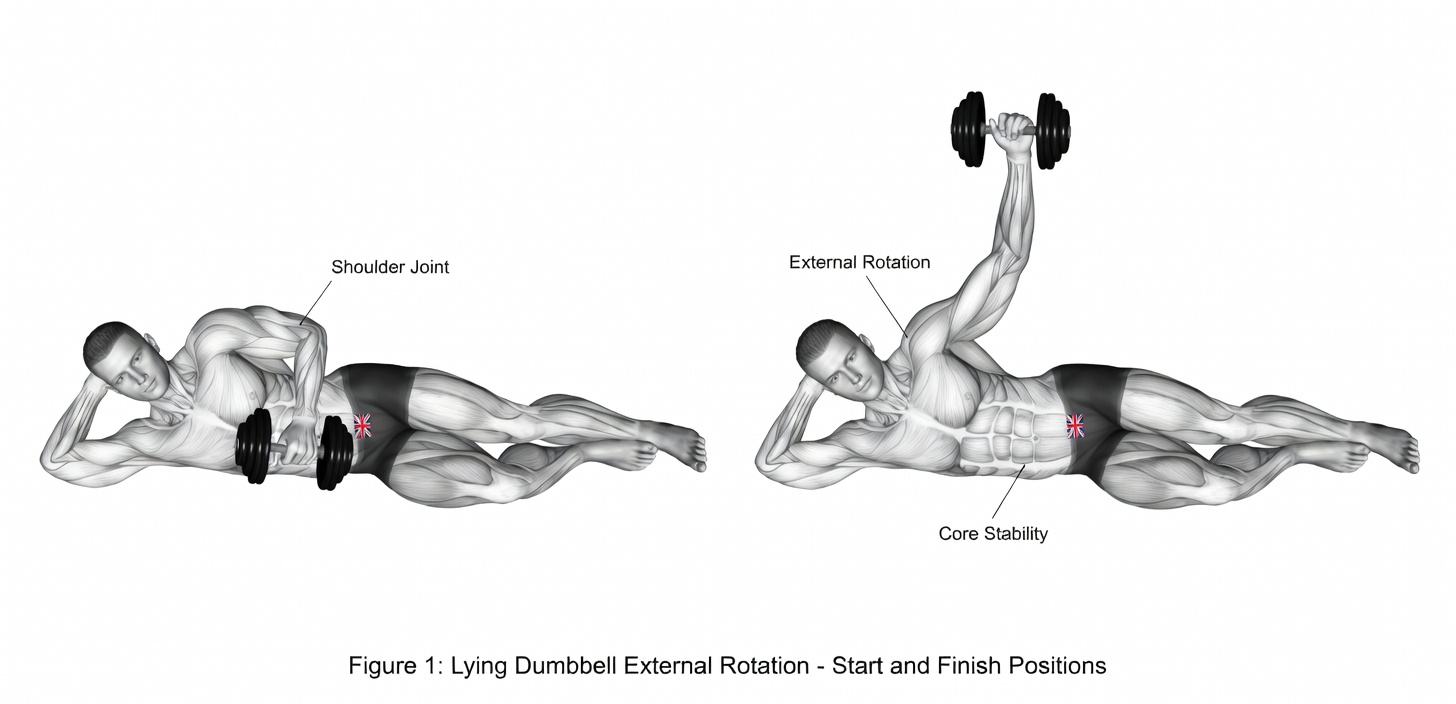
This exercise targets the external rotators, especially two key rotator cuff muscles: the infraspinatus and teres minor. These muscles are important for shoulder stability and often need strengthening.
How to do it
- Lie on your left side.
- Hold a light dumbbell or similar object in your right hand.
- Keep your right elbow tucked against your side.
- Slowly rotate your forearm upward, lifting the weight toward the ceiling.
- Lower it back down with control.
- Perform the movement slowly and avoid letting the elbow drift away from your body.
- Complete 2 to 3 sets of 10 to 15 reps per side.
4. Prone Y Raise
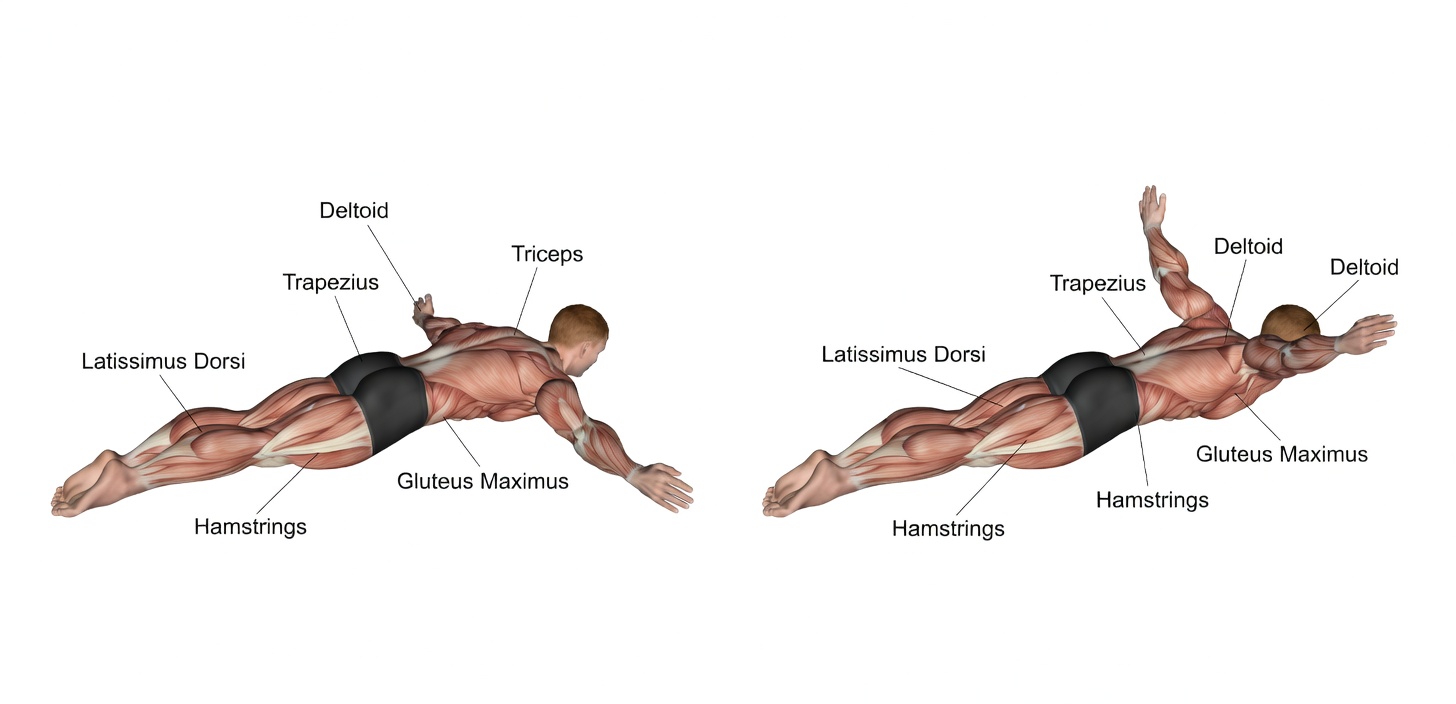
The prone Y raise is excellent for activating the lower trapezius, a muscle that plays a major role in shoulder blade control and posture.
How to do it
- Lie face down on a bench, bed, or stability ball.
- Extend your arms overhead at an angle so your body forms a “Y.”
- Keep your thumbs pointing upward.
- Raise your arms slowly off the surface without shrugging your shoulders.
- Pause briefly, then lower with control.
- Perform 2 to 3 sets of 8 to 12 reps.
5. Prone T Raise
This movement targets the mid traps and rhomboids, which help pull the shoulders back and improve upper-body posture.
How to do it
- Lie face down with your arms straight out to the sides, forming a “T.”
- Keep your thumbs pointed upward.
- Squeeze your shoulder blades together as you lift your arms.
- Avoid using momentum or lifting your shoulders toward your ears.
- Lower slowly.
- Perform 2 to 3 sets of 8 to 12 reps.
6. Wall Slides
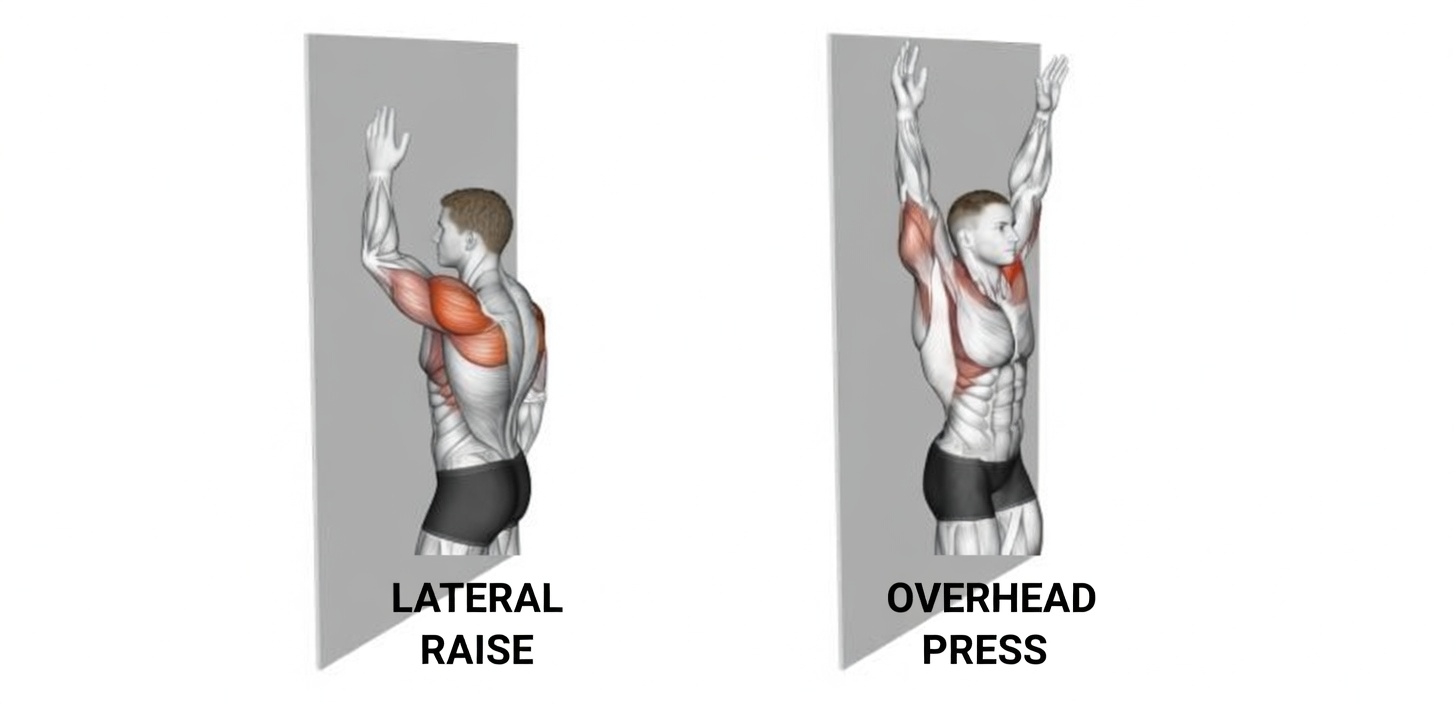
Wall slides help improve shoulder mobility while also teaching better control of the shoulder blades. They are especially useful for people with postural tightness.
How to do it
- Stand with your back against a wall.
- Place your arms against the wall in a goalpost position.
- Keep your ribs down and your head in a neutral position.
- Slowly slide your arms upward as far as you can without pain or compensation.
- Return to the start.
- Perform 2 to 3 sets of 10 reps.
7. Serratus Wall Press or Push-Up Plus
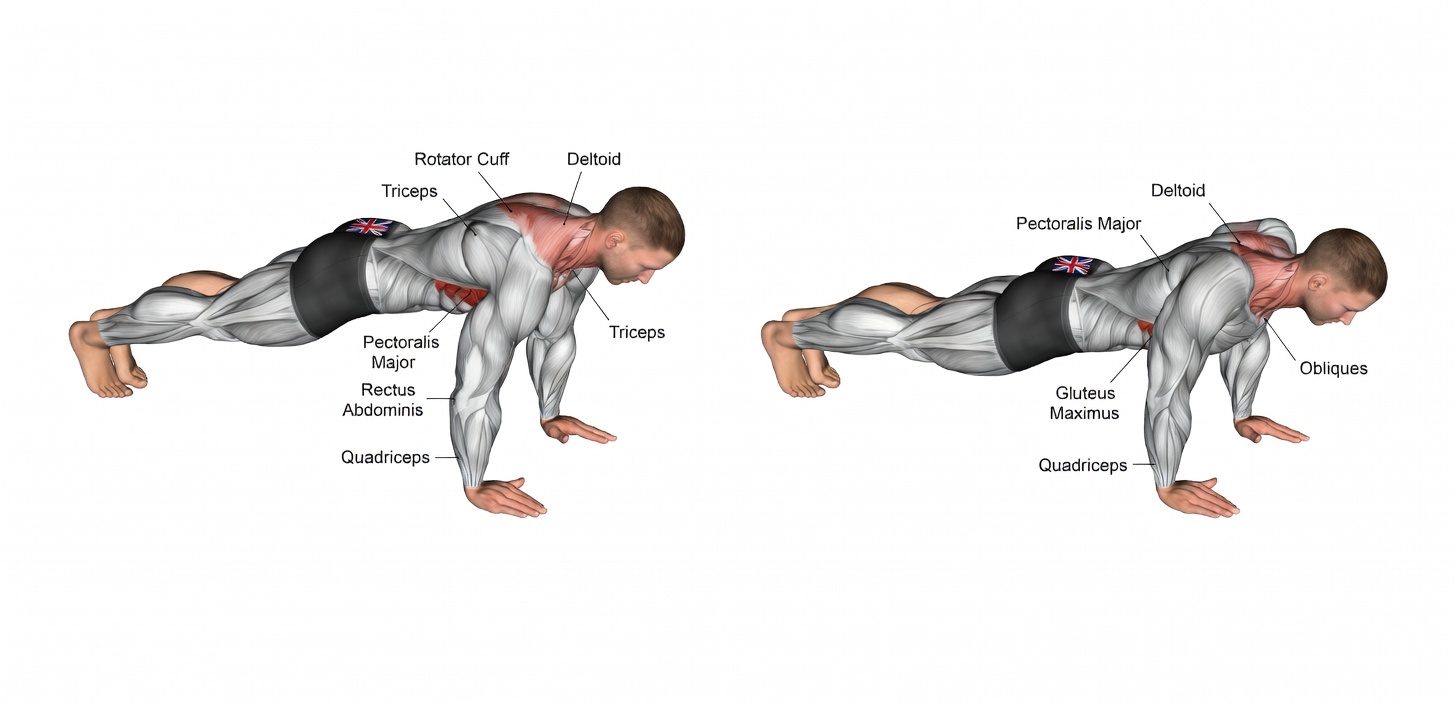
The serratus anterior helps the shoulder blade move properly along the rib cage. Weakness here can contribute to poor shoulder mechanics and discomfort.
How to do it
- Stand facing a wall with your hands placed on it at shoulder height.
- Gently press into the wall and allow your shoulder blades to move forward around your ribs.
- Then return to the starting position without bending the elbows excessively.
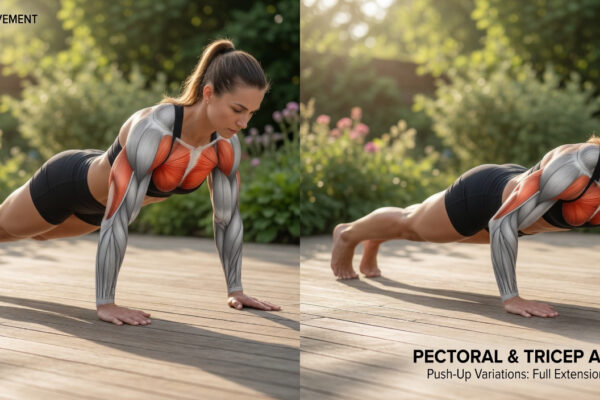
- If you are stronger and pain-free, you can progress to a push-up plus on the floor or against an incline.
- Perform 2 to 3 sets of 10 to 15 reps.
Key Tips for Safe Shoulder Exercise
To get the most benefit from these shoulder pain exercises, keep the following in mind:
- Move slowly and with control
- Never push through sharp pain
- Focus on posture throughout each exercise
- Start with light resistance
- Be consistent rather than overly aggressive
If an exercise clearly increases your pain, stop and seek guidance from a qualified professional.
Final Thoughts
Because the shoulder is such a mobile and complex joint, pain can come from many different sources. Poor posture, repetitive use, and sudden injuries are all common contributors.
For many people, a smart combination of stretching tight muscles and strengthening weak stabilizers can make a major difference. Exercises that improve posture, rotator cuff strength, and shoulder blade control are especially valuable for long-term shoulder health.
If you want healthier shoulders, start with the basics:
- Improve posture
- Restore mobility
- Build strength gradually
- Stay consistent
And if your pain is persistent, severe, or unclear, the best next step is always a proper evaluation from a medical professional.