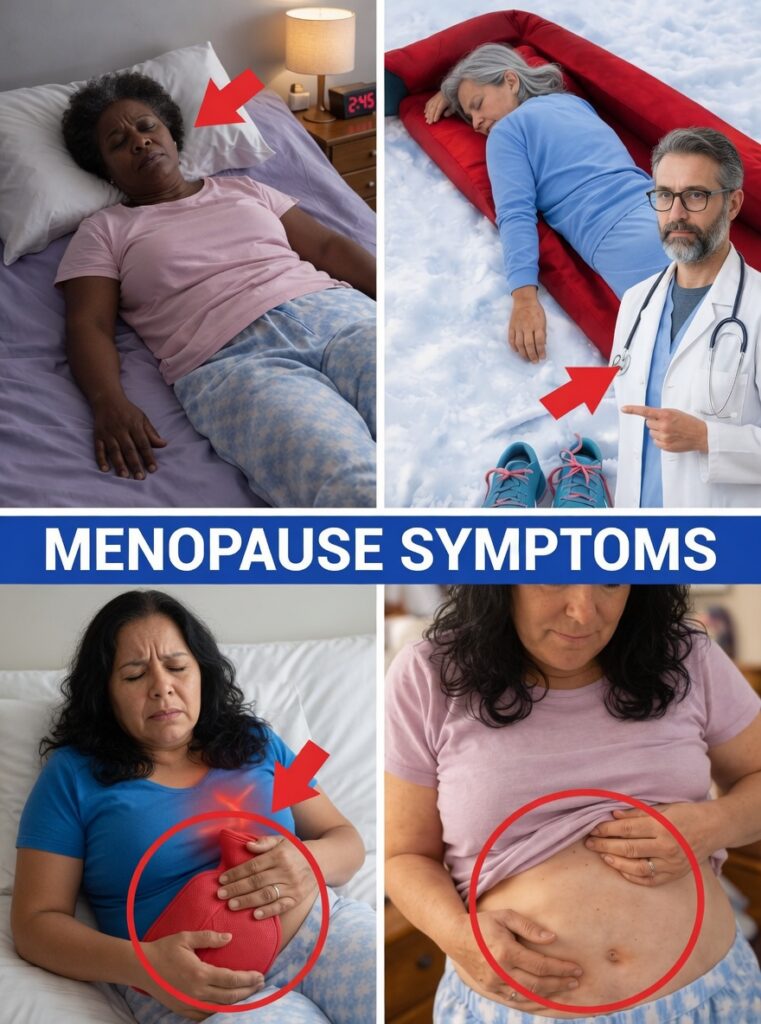
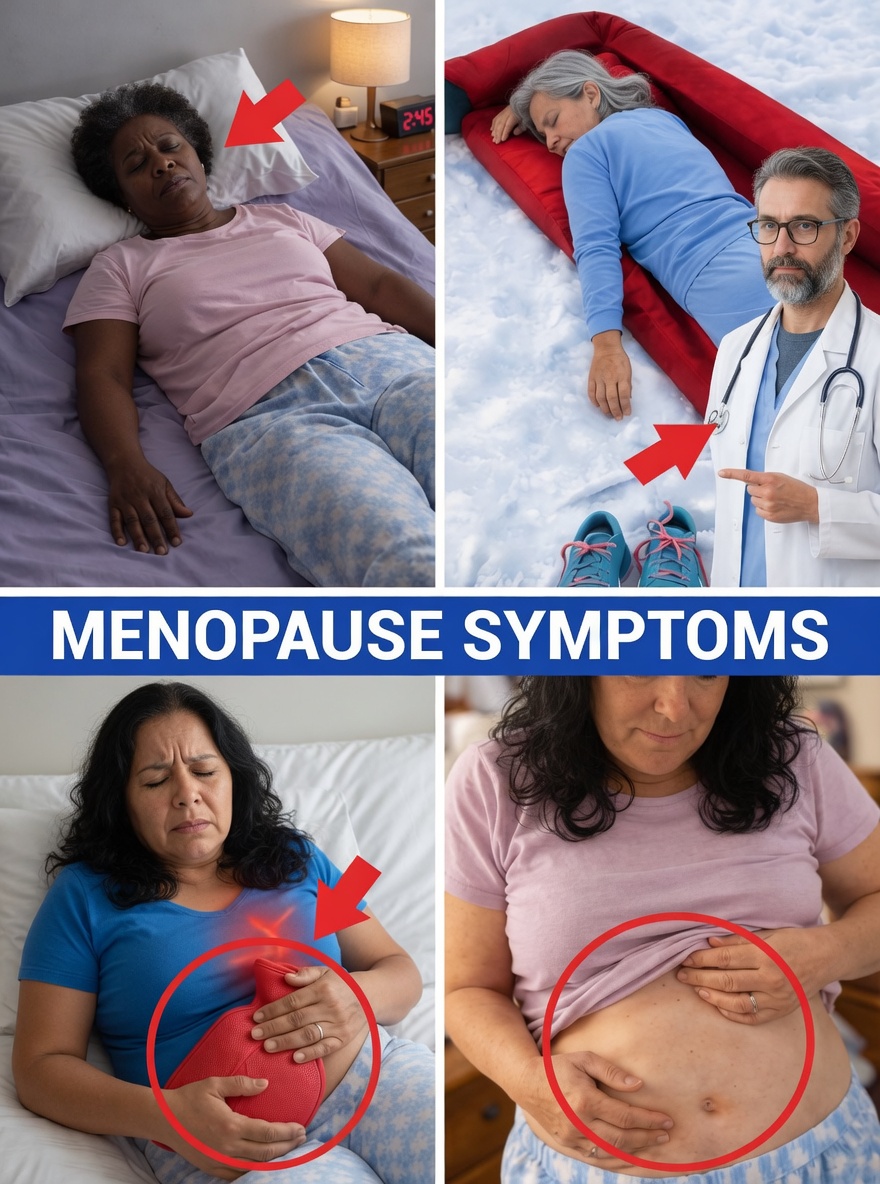
9 Quiet Signs of Menopause — and How to Ease Them Naturally at Home
Have you been waking up in the middle of the night drenched in sweat, even when the room feels cool? Has your favorite pair of jeans suddenly started feeling tighter around the waist for no clear reason? And is your once-reliable period now unpredictable?
If any of this sounds familiar, you’re not alone. Many women in their 40s and early 50s notice these subtle (and sometimes frustrating) shifts and wonder what’s going on. The reassuring news: understanding what your body is doing is a powerful first step toward handling this stage with more calm and confidence.
What Is Menopause—and Why Does It Happen?
Menopause is the natural point in life when menstrual cycles end. Clinically, it’s confirmed after 12 consecutive months without a period. For many women, this happens around age 50, but symptoms often begin earlier during perimenopause, the transitional phase leading up to menopause.
During this time, the ovaries gradually produce less estrogen and progesterone—hormones that affect far more than reproduction. As these hormone levels change, a wide range of symptoms can show up and impact daily life.
1. Irregular Menstrual Cycles
One of the earliest clues is a change in your cycle. Periods may come sooner, arrive late, become heavier or lighter, or disappear for a few months and then return. This is often linked to inconsistent ovulation.
2. Hot Flashes
Hot flashes are sudden waves of intense heat, often felt in the face, neck, and chest. They can last from seconds to several minutes and may appear without warning.
3. Night Sweats
When hot flashes happen during sleep, they can cause heavy sweating that disrupts rest—often leaving you drained and tired the next day.
4. Sleep Problems
Many women struggle to fall asleep or stay asleep during perimenopause and menopause. Hormonal shifts can influence the body’s natural sleep cycle, making sleep feel lighter and less restorative.
5. Mood Changes
Increased irritability, anxiety, or feelings of sadness may appear more often. Estrogen plays a role in brain chemicals connected to mood regulation, which helps explain emotional ups and downs during this phase.
6. Vaginal Dryness
Lower estrogen can reduce natural lubrication and make vaginal tissues feel drier or more sensitive. This may cause discomfort during intimacy—or even during everyday activities.
7. Weight Gain (Especially Around the Belly)
Many women notice gradual weight gain, particularly in the abdominal area, even without major changes to diet. Hormonal changes, aging, and shifts in muscle mass can all contribute.
8. Brain Fog
Trouble focusing, forgetfulness, and a “slower” feeling mentally are commonly reported. While unsettling, these symptoms are often linked to hormonal changes and sleep disruption.
9. Changes in Skin, Hair, and Energy Levels
You may notice drier skin, thinner hair, and more frequent fatigue. Hormone fluctuations can affect collagen production, hair growth cycles, and overall energy.
What Can Help Day to Day?
Small, consistent lifestyle adjustments can make a meaningful difference in managing menopause symptoms naturally:
- Dress in light layers to handle sudden heat changes
- Exercise regularly, including strength training and gentle cardio
- Choose a balanced, nutrient-rich diet with plenty of vegetables
- Keep a steady sleep routine (similar bedtime and wake time daily)
- Stay hydrated, and consider reducing caffeine and alcohol
- Use natural relaxation tools like deep breathing, stretching, meditation, or yoga
Menopause looks different for everyone. Paying attention to your body’s signals and supporting yourself with practical habits matters.
What Should You Do Next?
If these symptoms are affecting your quality of life, consider speaking with a healthcare professional. It can also help to track your symptoms—sleep changes, cycle patterns, mood shifts, and hot flashes—so you can better understand what’s happening and what triggers discomfort.
Menopause is a natural life stage, and with the right information and self-care, it can be navigated with greater balance and well-being.
FAQ
How long do menopause symptoms last?
It varies widely. Some women notice symptoms for a few years, while others experience them for longer.
Do lifestyle changes really help?
Yes. A healthy diet, regular movement, better sleep habits, and stress management can make a measurable difference.
Is it normal to feel overwhelmed?
Yes. Many women feel this way during hormonal transitions. Support—from professionals, friends, or community—can be very helpful.
Notice
This content is for informational purposes only and does not replace medical advice. Always consult a qualified healthcare professional before making decisions related to your health.