Can a 4-Second Workout Help With Weight Loss?
There is no question that losing weight can be challenging.
To reduce body weight, you generally need to create a calorie deficit, which means taking in fewer calories than your body uses through daily activity and exercise. While that idea sounds simple, putting it into practice is often much harder.
Still, newer research has sparked interest in a surprising concept: a 4-second exercise routine for weight loss and fitness. So, what does that really mean, and can it actually help?

Is It Really Only Four Seconds?
Not quite.
The workout is based on very short bursts of intense effort, but the full session lasts longer than four seconds. In the study, participants used an exercise bike for 15 minutes per session, three times per week. During each session, they performed repeated 4-second all-out sprints.
Researchers found that this approach helped improve fat metabolism, which is the body’s ability to use fat for energy more effectively.
What the Results Actually Mean
Does this mean a 4-second workout alone will cause weight loss?
Not necessarily.
These short cycling sprints can help you burn calories, which may contribute to a calorie deficit. However, the amount of energy used in those brief intervals is unlikely to be enough on its own to produce major weight loss. For most people, meaningful fat loss would still require dietary changes and overall calorie control.
That said, this type of routine may still offer important benefits, including:
- Better fat metabolism
- Improved cardiovascular fitness
- Increased muscular strength
- A practical way to add movement into a busy day
The benefits may be even greater when combined with other forms of physical activity such as:
- Walking
- Stretching
- Strength training
- General daily movement
Why This Workout May Be Useful for Office Workers
Although it is not a miracle solution, this quick workout method could be especially helpful for busy professionals who struggle to make time for exercise.
The study was designed with office workers in mind. Many people who work at desks spend most of the day sitting, which places them in the sedentary category if they do not reach at least 150 minutes of exercise per week.
A sedentary lifestyle has been linked to a higher risk of:
- Heart disease
- Metabolic health problems
- Poor overall fitness
- Mental health issues such as depression
Because of these risks, finding realistic ways to help inactive people move more is extremely important.
The Best Time to Exercise During the Day
Unless you are training at a high athletic level, the time of day you exercise is usually less important than simply getting it done.
- If you prefer mornings, an early workout is a great choice.
- If evenings work better for you, that can be just as effective.
This research is especially relevant for people who cannot consistently fit exercise in before or after work. The findings suggest that even a few minutes of movement during the workday can provide real health benefits.
Another advantage is that the study used stationary bikes, which are generally easier on the joints than some other forms of exercise. For people who experience discomfort while walking, cycling may be a more comfortable option.
Other Easy Ways to Exercise at Work
If the 4-second cycling routine does not appeal to you, you can still build more activity into your workday in simple ways.
Here are a few practical options:
- Take a short walk during the final minutes of your lunch break.
- Do a few push-ups between tasks.
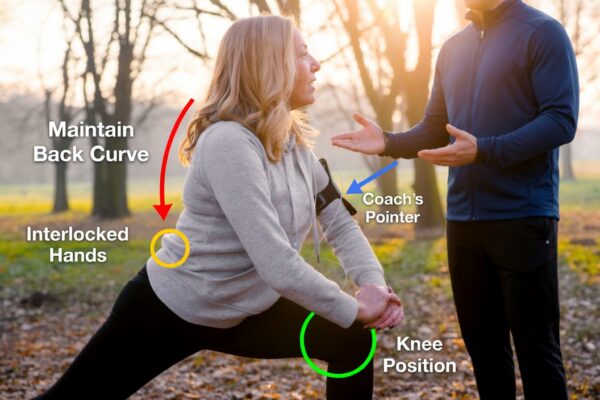
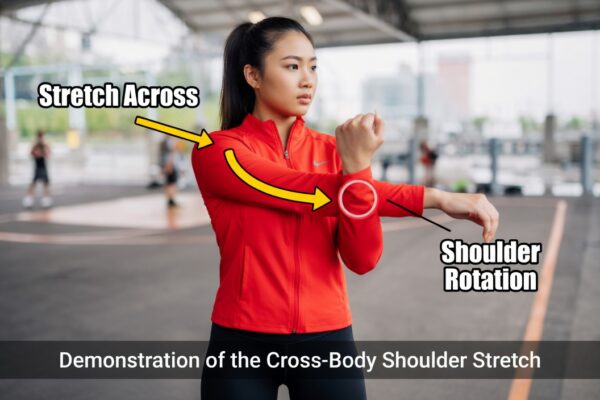
- Stretch while attending a conference call.
- Stand up and move around every hour.
- Use brief activity breaks to reduce long periods of sitting.
Final Thoughts
If you have been delaying exercise because you think you do not have enough time, this research offers encouraging news. Short bursts of activity can still improve fitness, even if they do not lead to dramatic weight loss on their own.
Will this routine give you instant abs or transform your body overnight? Probably not. But it can help you become more active, improve your conditioning, and support better health overall.
In the end, any movement is better than none. If you want a simple, time-efficient way to start exercising, this 4-second interval approach may be worth trying.
References
-
Howell, S., & Kones, R. “Calories in, calories out” and macronutrient intake: the hope, hype, and science of calories. American Journal of Physiology-Endocrinology and Metabolism, 2017, 313(5), E608-E612.
-
Medicine & Science in Sports & Exercise, June 2021, Volume 53, Issue 6, pp. 1188-1193. doi: 10.1249/MSS.0000000000002588
-
Huang, Y., Li, L., Gan, Y., Wang, C., Jiang, H., Cao, S., & Lu, Z. (2020). Sedentary behaviors and risk of depression: a meta-analysis of prospective studies. Translational Psychiatry, 10(1), 26. https://doi.org/10.1038/s41398-020-0715-z