Can Exercise Help Prevent Dementia and Memory Loss?
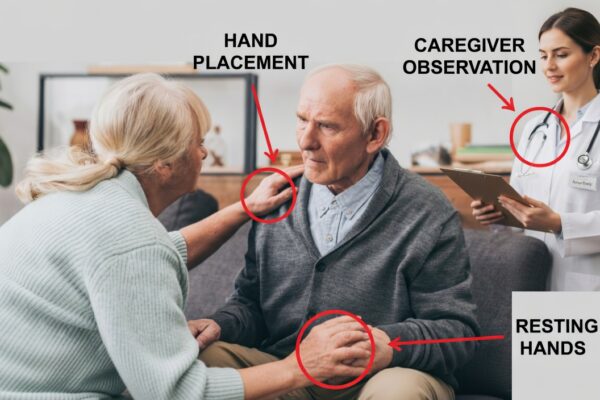
Alzheimer’s disease and other forms of dementia have been increasing for many years, making brain health a growing concern worldwide.
Because of this, researchers have invested enormous time, funding, and attention into understanding these conditions. Even so, truly effective treatments for dementia remain limited. That is why prevention and lifestyle strategies have become so important.
One area attracting major interest is exercise. Growing evidence suggests that regular physical activity may help support memory, improve cognitive function, and possibly reduce the risk of dementia symptoms over time.
This article explores the link between exercise and memory loss, with a special focus on why squats may be a practical option for older adults.
Related Topics
- How Your Calf Muscles Can Determine Your Risk Of Alzheimer’s Disease
- Drinking This Every Day Slashes Your Dementia Risk In Half, Study Says
- Just 2 Spoons of This Food Daily Can Ward off Dementia as You Age
Understanding the Brain-Body Connection
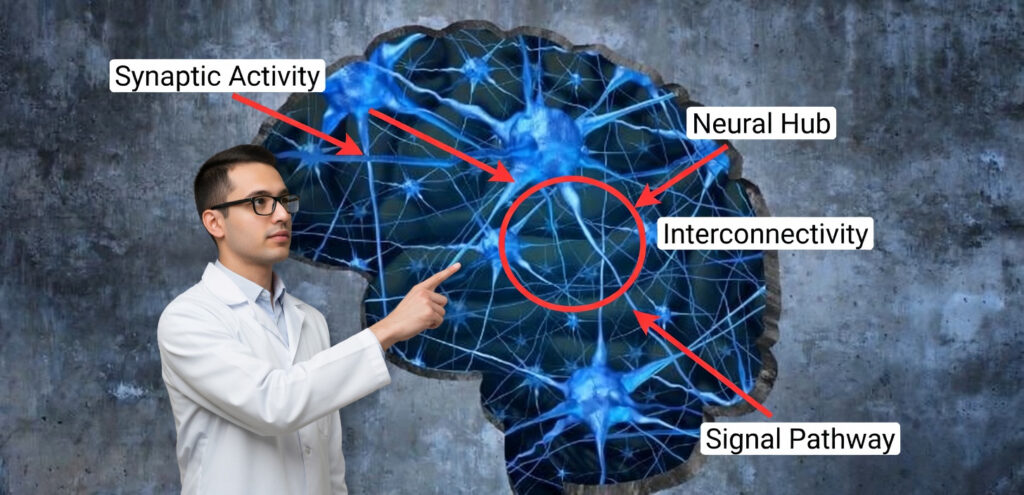
The brain does not work separately from the rest of the body. In reality, the nervous system and physical health are closely linked, even though they are often discussed as if they were independent.
Research has shown that physical activity can enhance cognitive performance. Exercise also appears to play a positive role in managing or reducing symptoms associated with dementia. In many cases, these benefits seem especially noticeable with high-intensity exercise.
However, intense workouts are not ideal for everyone. Many older adults, particularly those who are untrained or have health limitations, may not be able to safely do HIIT sessions, sprint intervals, or other demanding forms of exercise. These activities place heavy stress on the heart, muscles, joints, and overall system.
Fortunately, lower-risk alternatives exist. Some exercises can still offer important health benefits without overwhelming the body. One of the most practical examples is the squat, which may be especially valuable for older adults interested in supporting long-term brain health.
Why Squats May Support Cognitive Health
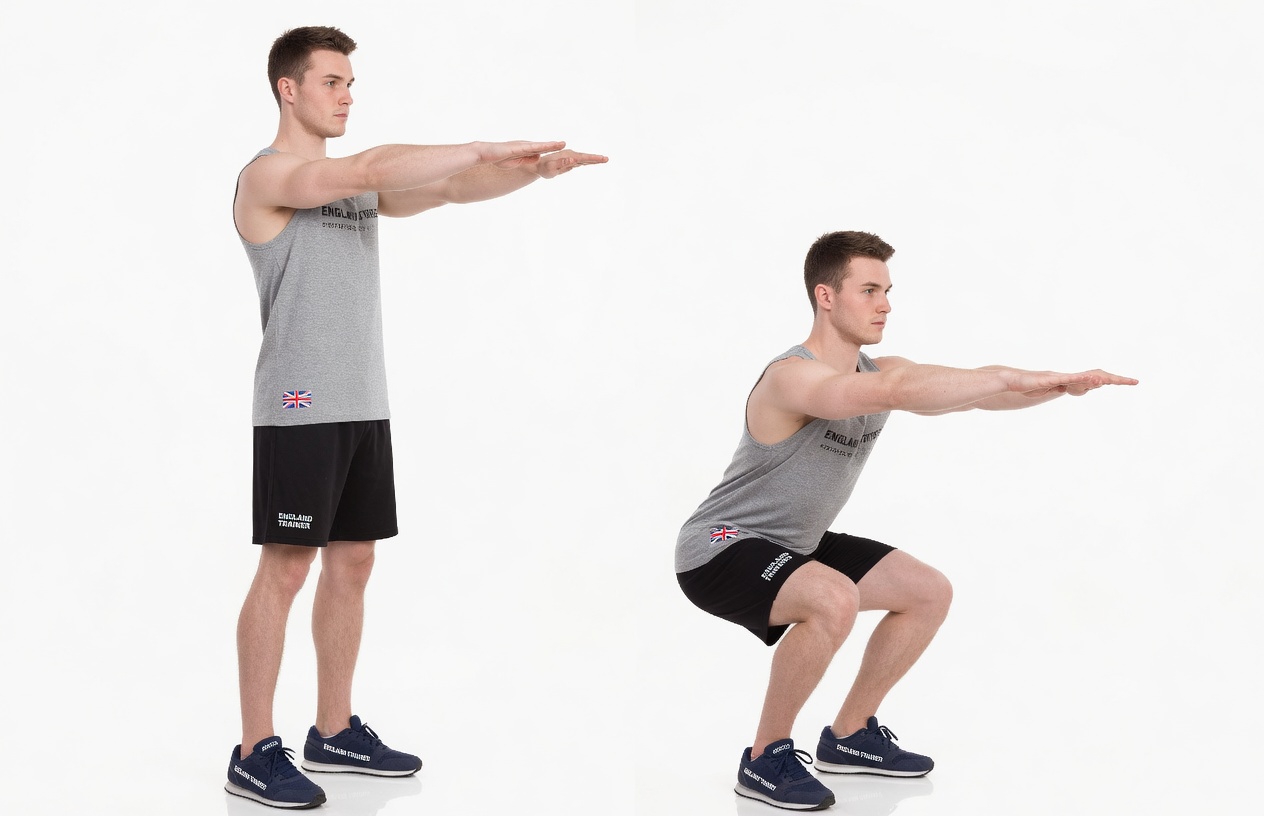
Squats are one of the most effective full-body movements a person can do. They recruit large muscle groups and encourage the heart to circulate blood more efficiently throughout the body.
When squats are performed in rounds with short rest periods in between, they can create an effect similar to a mini high-intensity workout. This idea is so promising that the University of South Wales has been investigating related research.
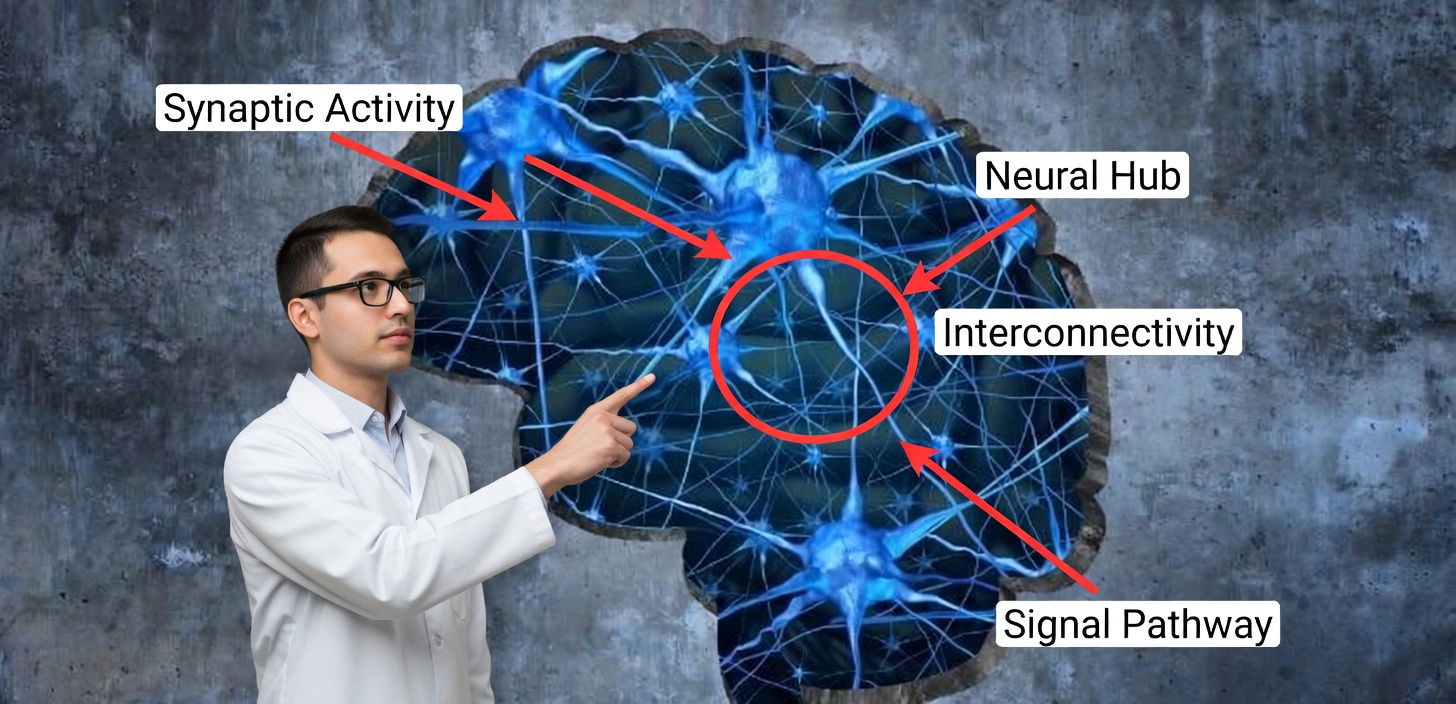
Scientists still do not fully understand every mechanism involved, but high-effort exercise appears to stimulate the release of protective neurochemicals. These compounds may help preserve brain function and support neurological health across different stages of life.
Because of this, higher-intensity movement may be one of the most useful non-drug tools for protecting the brain. For seniors who cannot run or join HIIT classes, squats may offer a safer way to achieve some of the same benefits.
How to Make Squats Easier or Harder
As with any exercise, squats can be adapted to fit different fitness levels.
To Progress the Exercise
If bodyweight squats start to feel too easy after a few weeks, the movement can be made more challenging by adding resistance. For example, you can hold:
- Dumbbells
- Kettlebells
- Household objects with some weight
This added load increases the effort required and can further improve strength and endurance.
To Regress the Exercise
If standard squats feel too difficult, a simple variation called the sit-to-stand can help. In this version, you lower yourself onto a chair and then stand back up repeatedly. This makes the movement more manageable while still training important muscles and functional movement patterns.
Additional Benefits of Squats
While the possible connection between squats and brain health is exciting, the physical advantages of this exercise are also significant.
Squats may help improve:
- Cardiovascular endurance
- Muscular endurance
- Muscle strength
- Lower-body joint mobility
- Lung function
- Functional movement
- Independence in daily life
These benefits are especially important as people age. Stronger legs, better mobility, and improved endurance can make everyday tasks easier and help maintain quality of life.
The Key Takeaway
Dementia remains one of the biggest health challenges of the modern era, and there is still no clearly effective medication that can fully treat it. Even so, exercise continues to stand out as a powerful way to support overall brain health.
For younger and physically capable individuals, activities such as HIIT, sprinting, and other vigorous workouts may offer strong protective effects for the brain.
Older adults may need a more accessible and safer approach. In that case, squats could be a useful alternative, potentially delivering some benefits similar to high-intensity training without placing unnecessary strain on the body.
To be clear, the brain-related effects of squats are not yet proven beyond doubt. Still, their value for physical health is well established. If you want a simple exercise that can support strength, mobility, and possibly cognitive health, squats are a great place to start.
Works Cited
-
Carvalho, J., Borges-Machado, F., Barros, D., Sampaio, A., Marques-Aleixo, I., Bohn, L., Pizarro, A., Teixeira, L., Magalhães, J., & Ribeiro, Ó. (2021). “Body & Brain”: effects of a multicomponent exercise intervention on physical and cognitive function of adults with dementia – study protocol for a quasi-experimental controlled trial. BMC Geriatrics, 21(1), 156. https://doi.org/10.1186/s12877-021-02104-1
-
Ahlskog, J. E., Geda, Y. E., Graff-Radford, N. R., & Petersen, R. C. (2011). Physical exercise as a preventive or disease-modifying treatment of dementia and brain aging. Mayo Clinic Proceedings, 86(9), 876–884. https://doi.org/10.4065/mcp.2011.0252