Stay Strong and Mobile After 60 With This 10-Minute Dumbbell Workout
As we age, it is normal to notice some loss of strength, balance, and mobility. But if you want to stay independent and active after retirement, maintaining fitness becomes more important than ever.
Regular exercise is one of the best ways to slow down age-related physical decline. It can help you build strength, preserve lean muscle, improve flexibility, and support a better range of motion.
At the same time, not every exercise is a good fit for older adults. The wrong movements may place too much stress on the back and joints, increasing the risk of pain, falls, and injury.
If you are over 60, choosing the right exercises for your body is essential. A smart routine should help you improve strength, enhance balance and stability, and maintain mobility. It should also support flexibility so you can move with confidence and ease in daily life.
With the right approach, you can build a body that stays strong, capable, and reliable well beyond 60.
A Simple 10-Minute Dumbbell Workout for Adults Over 60
This quick dumbbell workout at home is an excellent starting point. You do not need a gym membership or expensive equipment to get started.
All you need is:
- A pair of dumbbells
- A safe, open space to exercise
- A sturdy chair or support for certain movements
This short routine is designed to improve overall fitness in just 10 minutes.
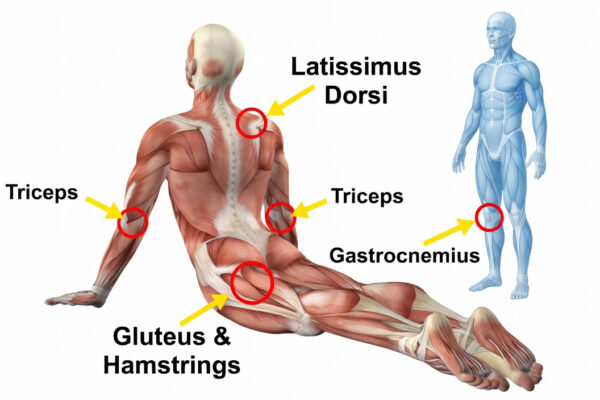
Dumbbells are especially effective because they are free weights, which means they challenge your muscles through natural movement patterns. They work major muscle groups such as the glutes, hamstrings, and core, while also activating smaller stabilizing muscles.
This is also a practical full-body workout for adults over 50 and 60. The exercises target the lower body, including the quads, hamstrings, hips, and glutes. Several movements also strengthen the upper body, including the back, shoulders, arms, and muscles that support spinal stability.
How to Do This Workout
Perform:
- 1 set of each exercise for the recommended repetitions
- Rest briefly after finishing the first round
- Repeat for a second set
If the dumbbells feel too heavy, you can do the same exercises using only your body weight until you build more strength and confidence.
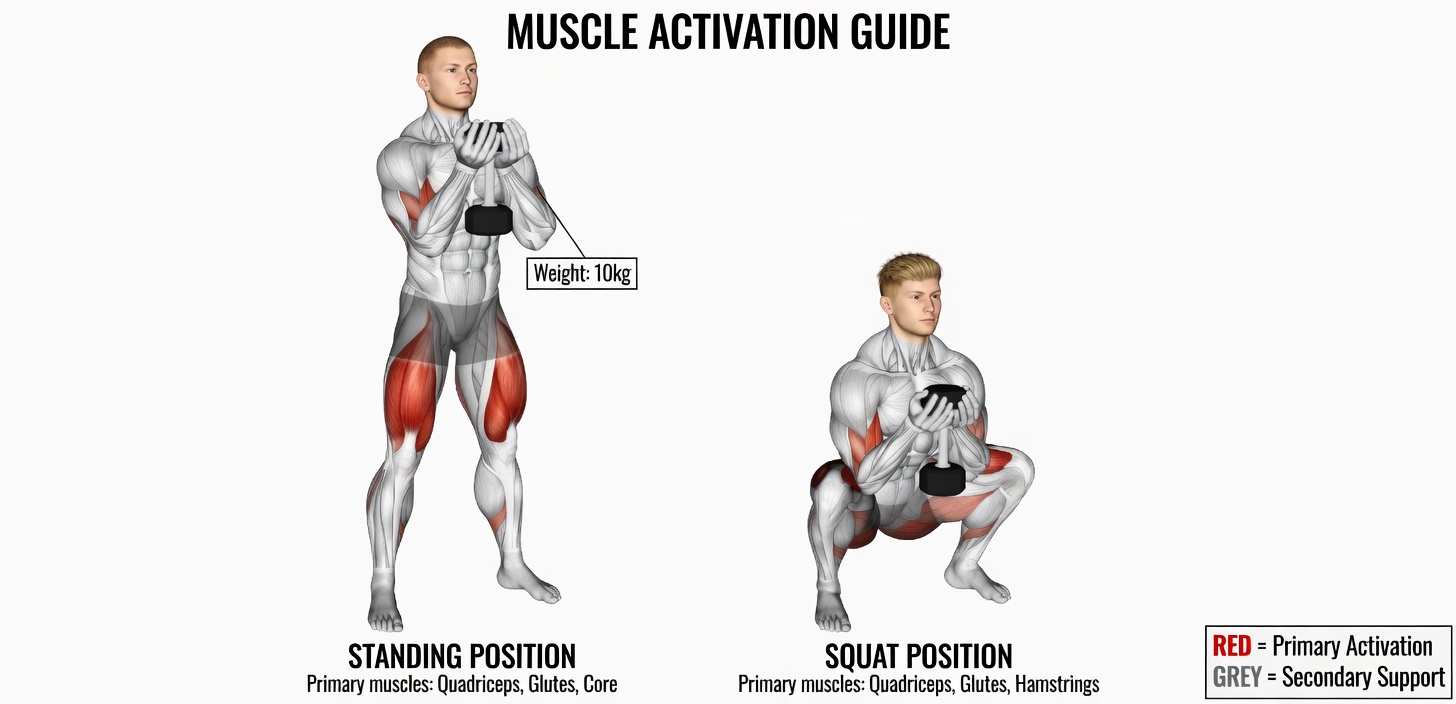
1. Dumbbell Sumo Squat
The sumo squat is a great lower-body exercise that works the glutes and thighs while also targeting the inner thighs, an area often missed in many traditional leg exercises.
Sets: 2
Reps: 10-12
Target muscles: Inner thighs, glutes, hips
How to do a dumbbell sumo squat
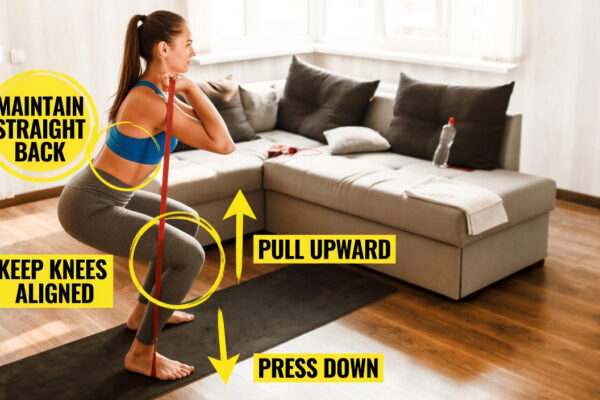
- Hold one dumbbell vertically in front of your chest.
- Stand with your feet slightly wider than hip-width apart.
- Turn your toes outward at about a 45-degree angle.
- Tighten your core and keep your spine neutral.
- Push your hips back and bend your knees as you lower into a squat.
- Go down as far as feels comfortable. If possible, lower until your thighs are parallel to the floor.
- Pause briefly at the bottom.
- Press through your feet and use your glutes, quads, and core to return to standing.
- Repeat for 10 to 12 reps.
2. Supported One-Arm Dumbbell Bent-Over Row
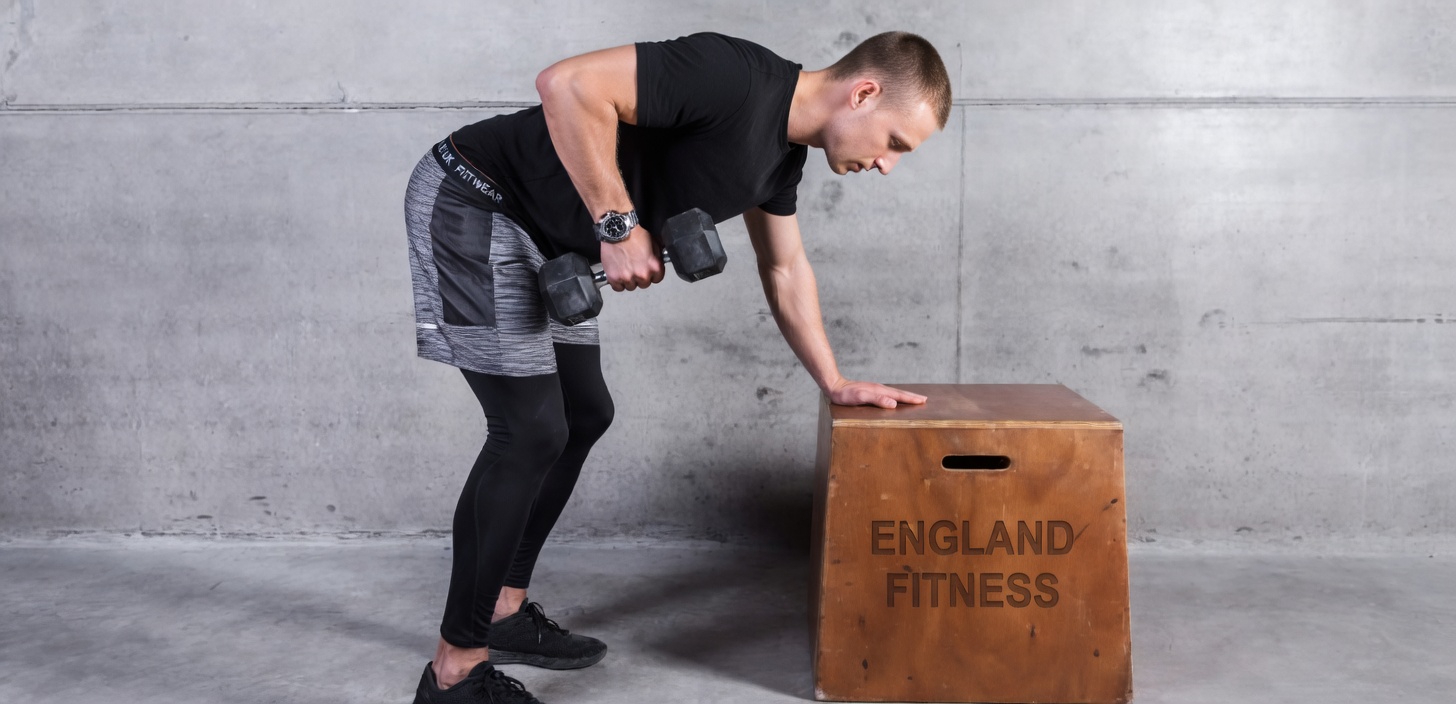
This supported one-arm row is a back-friendly exercise that is often easier and safer than a standard bent-over row. Because you train one side at a time, it can also help correct strength imbalances between the left and right sides of the body.
For added support, use a sturdy chair, table, or surface around hip height.
Sets: 2
Reps: 10-12 each side
Target muscles: Biceps, back, shoulders, core
How to do a supported one-arm dumbbell row
- Hold a dumbbell in your left hand.
- Stand beside a sturdy chair or table, keeping about an arm’s length of distance.
- Step back slightly and place your right hand on the support.
- Engage your core and bend your knees a little.
- Hinge at your hips while keeping your back flat.
- Let your left arm hang down with a slight bend in the elbow.
- Pull the dumbbell upward by drawing your shoulder blade back.
- Lower the weight slowly and with control.
- Complete 10 to 12 reps, then switch sides.
3. Dumbbell Lunge
The dumbbell lunge is an excellent exercise for lower-body strength, stability, and coordination. It also activates the core and helps engage the upper body as you hold the weights.
Sets: 2
Reps: 10-12
Target muscles: Hamstrings, glutes, hips, core, upper body
How to do the dumbbell lunge
- Hold a dumbbell in each hand.
- Stand tall with your feet hip-width apart and your back straight.
- Brace your core.
- Step your right leg back and balance on your back toes.
- Lower your body straight down until your back knee forms roughly a 90-degree angle.
- Keep your front knee from moving past your toes.
- Push through your front foot to rise back up.
- That counts as one rep.
- Complete 10 to 12 reps, then switch legs.
4. Dumbbell Arnold Press
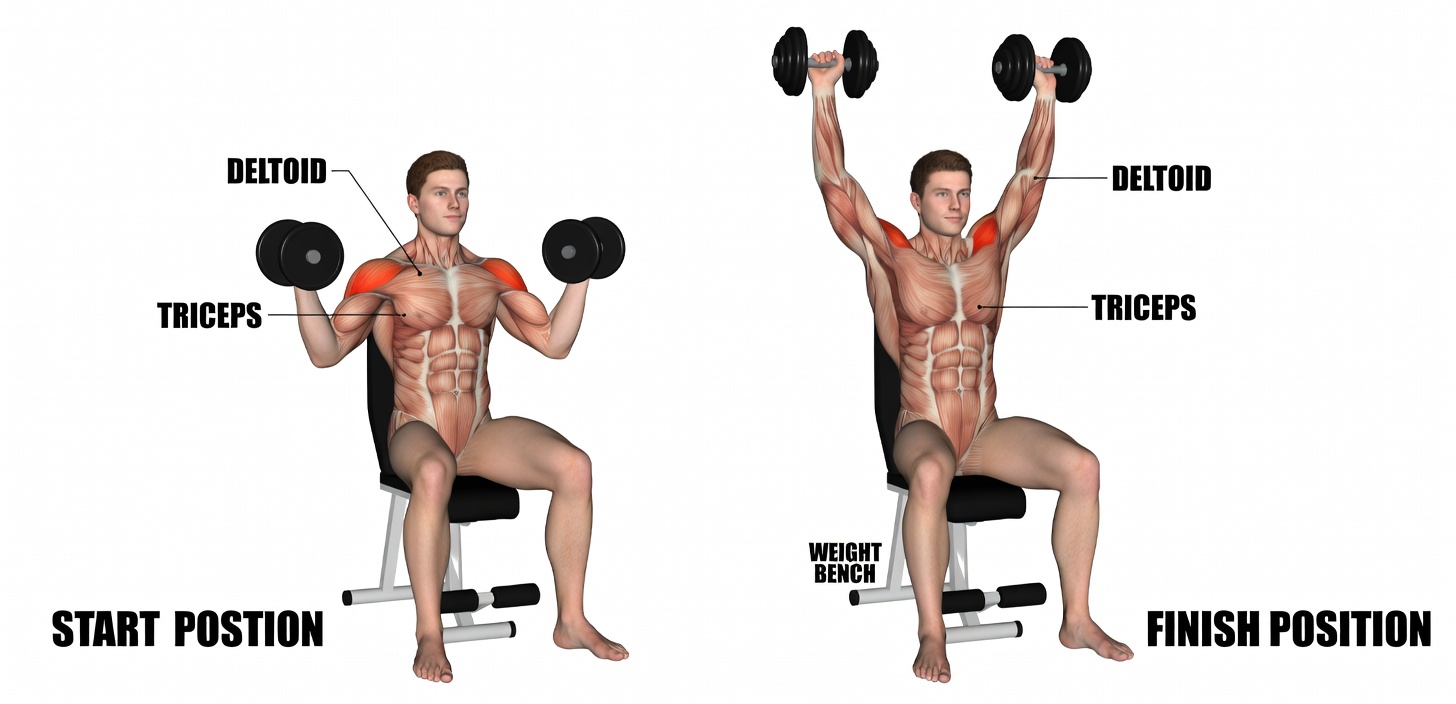
The Arnold press is a shoulder exercise you can easily do at home while seated on a sturdy chair or bench. This movement works all three parts of the deltoid muscles, helping build stronger, more resilient shoulders over time.
Sets: 2
Reps: 10-12
Target muscles: Deltoids, triceps, upper back
How to do the dumbbell Arnold press
- Sit on a sturdy chair or bench with your back straight and core engaged.
- Hold a dumbbell in each hand with a neutral grip, palms facing inward.
- Curl the dumbbells up until they are at chest level. This is your starting position.
- Press the weights overhead while rotating your palms forward.
- Finish with your arms extended overhead.
- Slowly reverse the movement and return to the starting position.
- That is one rep.
- Perform 10 to 12 reps.
Why This Workout Works for Older Adults
This 10-minute dumbbell workout is especially effective for people over 60 because it focuses on the areas that matter most for healthy aging:
- Strength to support daily movement
- Balance and stability to reduce fall risk
- Mobility to help you move more freely
- Flexibility and control for safer, smoother movement patterns
When done consistently, these exercises can help you stay active, protect your joints, and maintain independence as you age.
Final Thoughts
Aging does not mean giving up strength or mobility. With the right exercises, you can continue building a body that feels strong, stable, and capable.
This short home dumbbell workout is a practical way to improve full-body fitness without spending hours exercising. Start with a weight that feels manageable, move with control, and focus on good form. Over time, those small daily efforts can make a big difference in how you feel and move after 60.