4 Exercises to Avoid After 60 for Safer, Smarter Fitness
You have probably heard many times that physical activity and exercise are essential for good health, especially after 60.
Experts often encourage older adults to make movement a regular part of daily life.
That advice is absolutely valuable. Staying active can support healthy aging, help preserve strength, and allow you to remain independent for longer. However, not every exercise is a good choice as your body changes with age.
As the years go by, it is normal to experience a gradual loss of muscle mass, a slower metabolism, and reduced balance, coordination, and stability.
Because of these changes, staying fit after 60 can feel more difficult than it did in your 30s or 40s. If you have not exercised regularly for a while, you may also notice stiffness, joint discomfort, lower back pain, or tension in the neck. Even familiar workouts may suddenly feel harder.
That is why it is important to understand which exercises carry a higher risk of injury and when they should be avoided.
Just as importantly, you should know how to build strength, improve mobility, and maintain performance without causing unnecessary pain or strain.
Below are 4 common exercises people over 60 should avoid, along with safer alternatives.
1. Dumbbell or Barbell Deadlifts
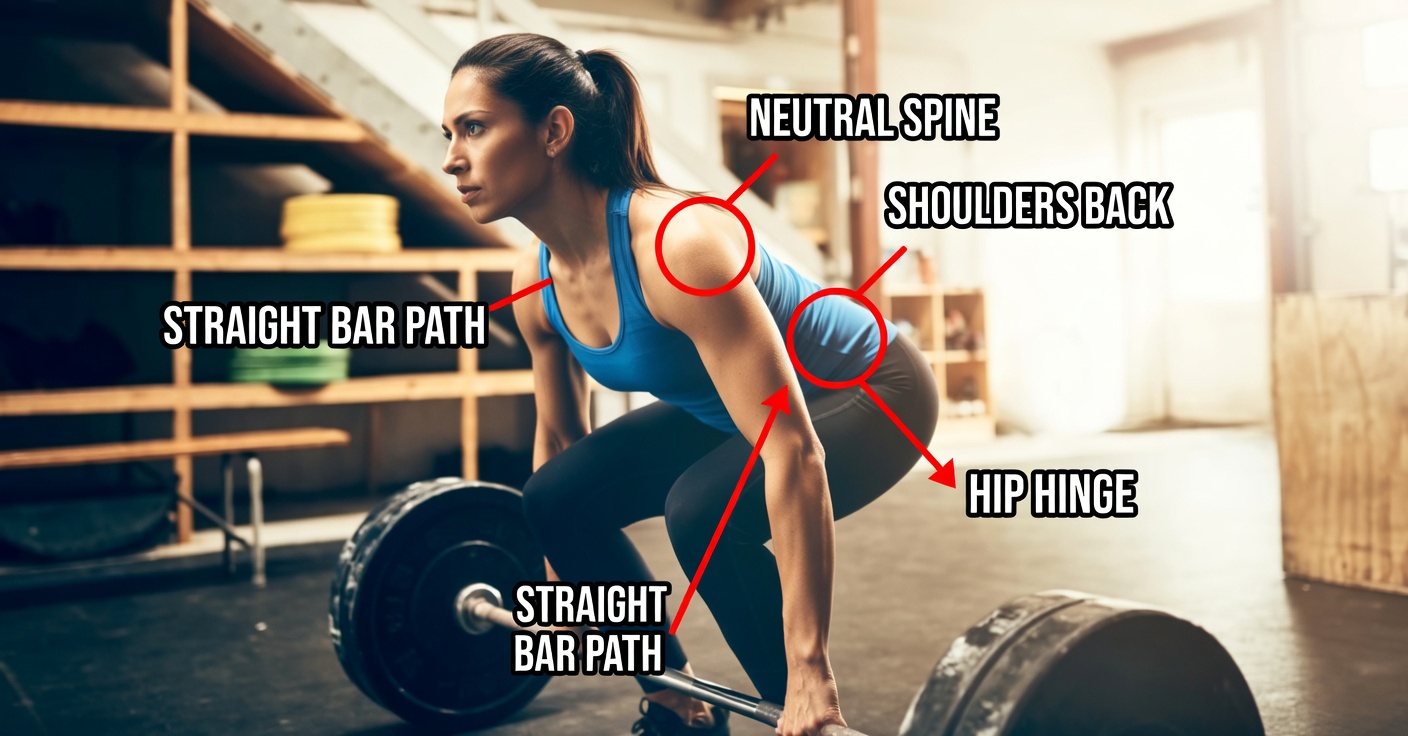
Deadlifts are often praised as one of the best exercises for strengthening the lower body. They can target major muscle groups, including the glutes, hamstrings, core, and lower back.
But there is one issue that is frequently overlooked: deadlifts require solid balance, good coordination, and proper core control to be performed safely.
For many older adults, balance tends to decline with age. When heavy weights such as dumbbells or barbells are added, the risk increases even more.
During a deadlift, you hinge at the hips and lift the weight from the floor using your lower body and trunk. If you do not have enough core strength or stability, your back may end up doing too much of the work. This can lead to poor form and place extra stress on the lower back.
A safer option is to first practice the movement pattern using only your body weight. This can help improve balance and teach correct muscle engagement before resistance is added.
You can also work similar muscle groups with lower-risk alternatives such as:
- Bodyweight squats
- Chair squats
- Glute bridges
- Supported hip hinges
2. Upright Rows
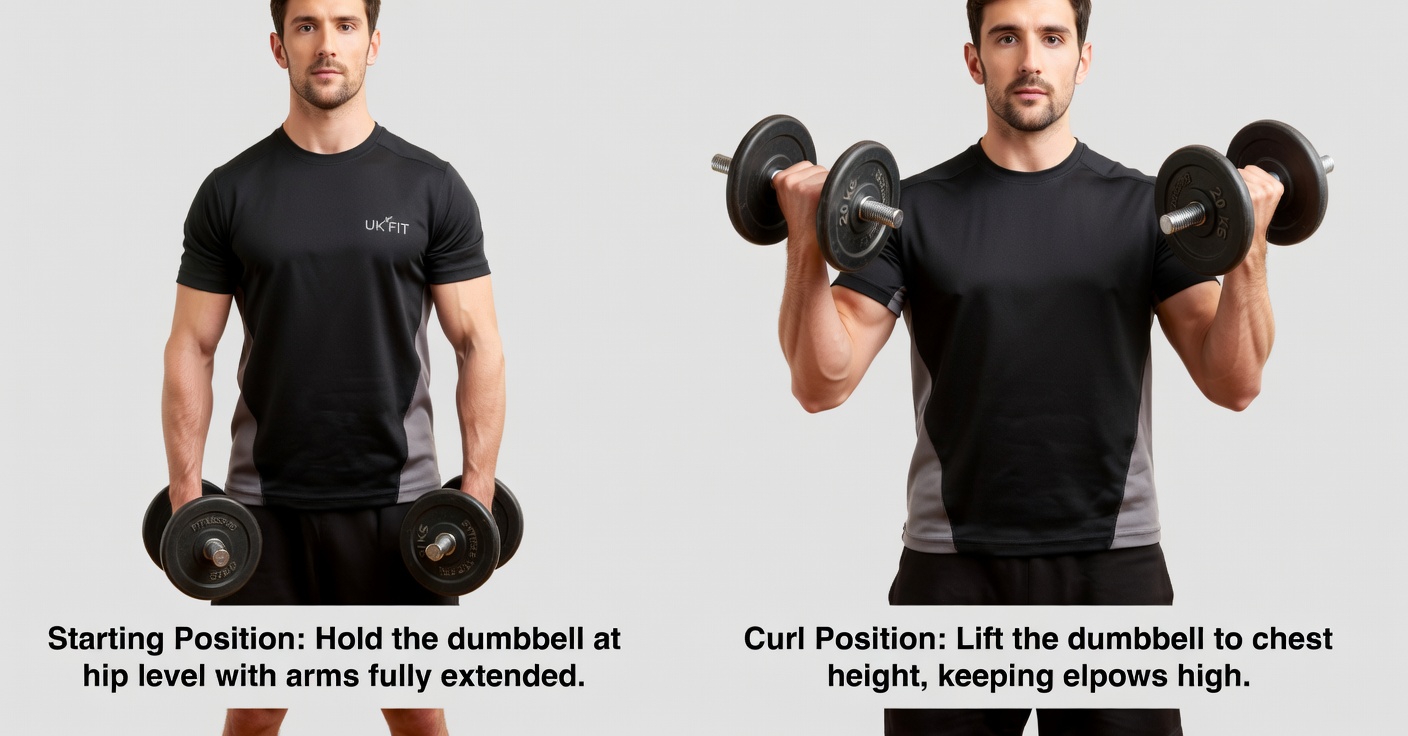
The upright row is commonly used to strengthen the upper back, shoulders, and core. While it can be effective, it may not be the best choice for many people over 60, especially those who have spent years with a mostly sedentary lifestyle.
If your upper body is not regularly trained, there is a good chance that your back feels stiff and the muscles that support your spine are tight or weak.
This lack of mobility and strength can limit your movement during the exercise. As a result, the upright row may place extra strain on the shoulders, upper back, and neck instead of building strength safely.
For older adults with reduced shoulder mobility, this exercise often brings more risk than benefit.
Better alternatives may include:
- Resistance band rows
- Seated cable rows
- Light dumbbell lateral raises
- Chest-supported rowing exercises
These movements can strengthen similar areas while placing less stress on vulnerable joints.
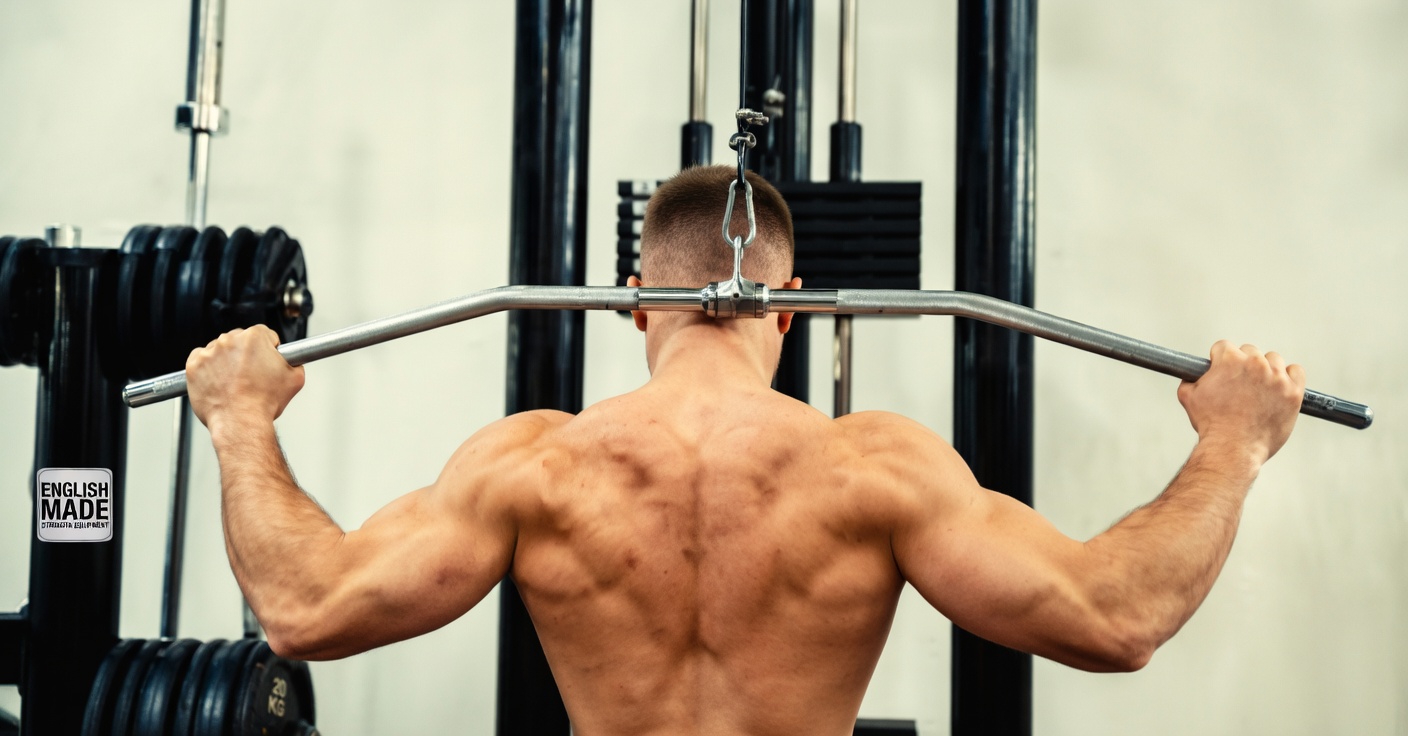
3. Behind-the-Neck Lat Pulldowns
This is one exercise that is especially important to avoid after 60.
Pulling the bar down behind the head places significant stress on the neck and shoulders. Over time, this position can irritate or strain these areas, particularly the front part of the shoulders.
In reality, even many adults younger than 50 lack the shoulder flexibility and upper back mobility needed to perform this exercise correctly. For older adults, the challenge is often even greater.
Limited thoracic mobility and tight shoulders make the behind-the-neck version awkward and potentially harmful. Instead of strengthening the upper body effectively, it may increase your risk of discomfort or injury.
A much safer and more practical choice is the standard lat pulldown performed in front of the body. Lean back slightly and pull the bar toward your upper chest or sternum. This version still works the lats and upper back without putting your neck and shoulders in a risky position.
4. Bench Dips
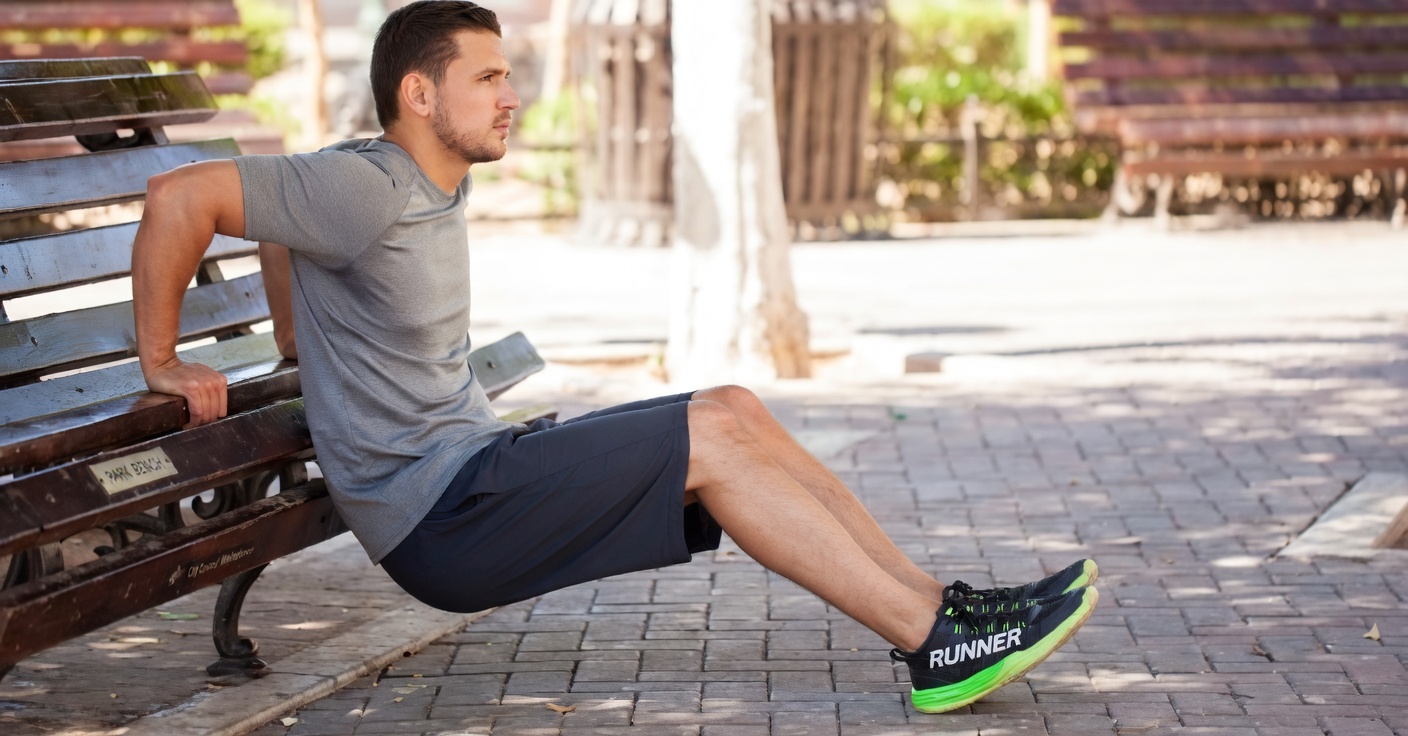
Bench dips are another exercise to approach with caution after 60. The movement itself is not automatically bad, but it is often not the smartest option for aging shoulders.
Many older adults develop a rounded or forward-leaning shoulder posture over time. Bench dips can make this problem worse because they force the shoulders into even more internal rotation.
As you lower your body, the upper arm bone tends to glide too far forward in the shoulder joint. This creates additional pressure on the joint and surrounding tissues.
Since aging naturally brings some decline in muscle strength and flexibility, exercises that are difficult to control can become riskier. Bench dips may increase the chance of shoulder irritation, especially if you already have stiffness or poor posture.
Safer alternatives for building triceps and upper-body strength include:
- Triceps pushdowns with a band or cable
- Wall push-ups
- Incline push-ups
- Light dumbbell triceps extensions, if comfortable
Choose Safer Exercises as You Age
As you get older, it becomes even more important to avoid exercises that are hard to perform with good technique.
Even very common movements, such as sit-ups and crunches, may seem simple but can place too much strain on the lower back. Popular does not always mean safe.
If you are starting or returning to exercise in your 60s, the best approach is to focus on movements that improve:
- Strength
- Balance
- Mobility
- Posture
- Joint stability
Most importantly, work with a qualified professional if possible. A fitness expert or physical therapist can help you create a routine that matches your current ability level and keeps your workouts both effective and safe.
The goal after 60 is not just to exercise more. It is to train in a way that helps you stay strong, mobile, and injury-free for years to come.