Why Hip Strength Matters More as You Age
If there is one part of the body worth focusing on as you get older, it is the hips.
Strong, mobile, and flexible hips play a major role in healthy aging. When hip strength and mobility decline, everyday movement becomes harder and the risk of falling rises.
For older adults, this is especially important. A fall can lead to a hip fracture, reduced independence, and long-term mobility problems. Weak hips can also make routine tasks such as walking, standing up, climbing stairs, and maintaining balance much more difficult.
As the body ages, bones naturally become less dense and more vulnerable to injury. While this is a normal part of aging, regular movement and targeted exercise can make a meaningful difference.
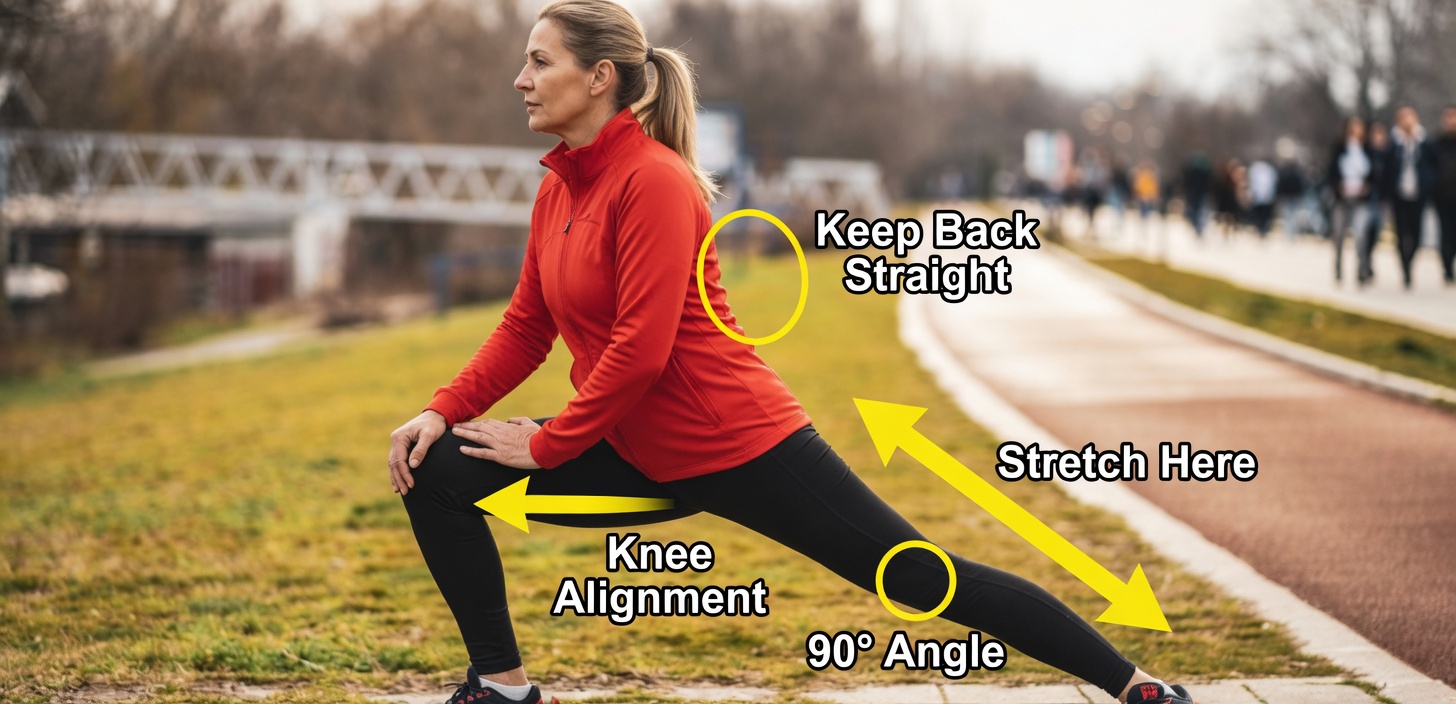
The good news is that consistent exercise can improve strength and flexibility in the hips, legs, and core. Better hip function not only helps lower the chance of falls and fractures, but it can also support recovery and mobility if an injury does occur.
Your hips connect the lower back to the legs, making them central to balance, posture, and movement. When the muscles around the hips are weak, the lower back may lose stability and the lower body may not function as efficiently.
That is why a combination of stretching and strengthening exercises is so valuable. Hip mobility exercises can improve range of motion, support joint stability, ease back discomfort, and help prevent injury.
Benefits of Strong Hips
The hips help stabilize both the upper and lower body by transferring body weight from the torso into the legs.
When the hip muscles are weak, the body may become less stable and less able to distribute weight evenly. This can affect the way you walk, stand, and move. Over time, poor hip strength may also place extra strain on the spine, contribute to poor posture, and increase back pain.
Building stronger hips can help you:
- Improve balance and stability
- Support better posture
- Increase flexibility and range of motion
- Move more confidently
- Reduce the risk of injury and falls
- Strengthen the lower back, core, and legs
Below are 5 effective hip exercises to help improve strength, mobility, and injury prevention.
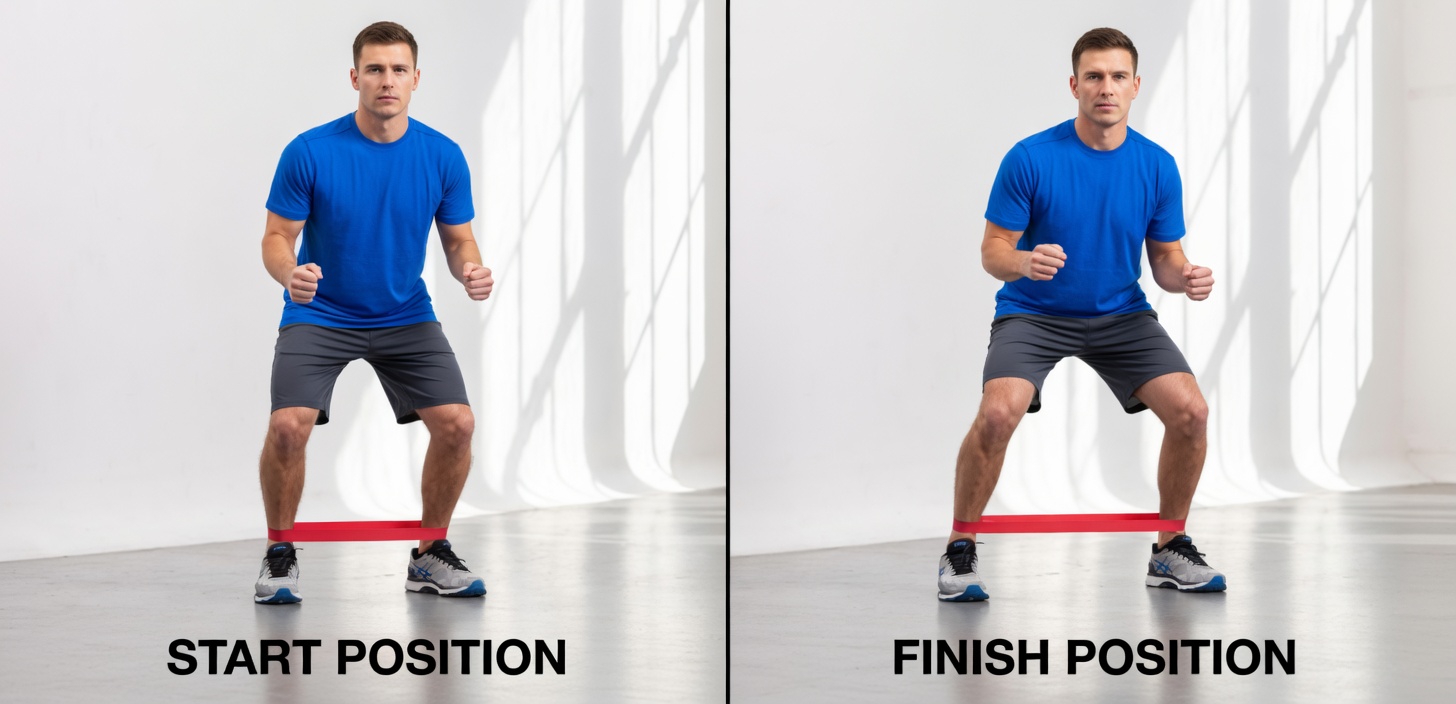
1. Side Step Exercise
The side step is a practical and dynamic movement that targets the hips and glutes. Using a light mini-band adds resistance, which helps activate the muscles more effectively.
Keep your hips and toes pointing forward throughout the exercise. To make it more challenging, place the band closer to the ankles and lower into a deeper squat.
How to do the side step
- Place a mini-band around your ankles.
- Stand with your feet about shoulder-width apart and lower into a half-squat.
- Make sure the band has tension without being overstretched.
- Tighten your glutes and hips.
- Step your right foot out to the right.
- Bring your left foot in toward it while keeping tension in the band.
- Continue for 10 steps in one direction.
- Repeat for 10 steps in the opposite direction.
That counts as one set. Aim for 2 to 3 sets.
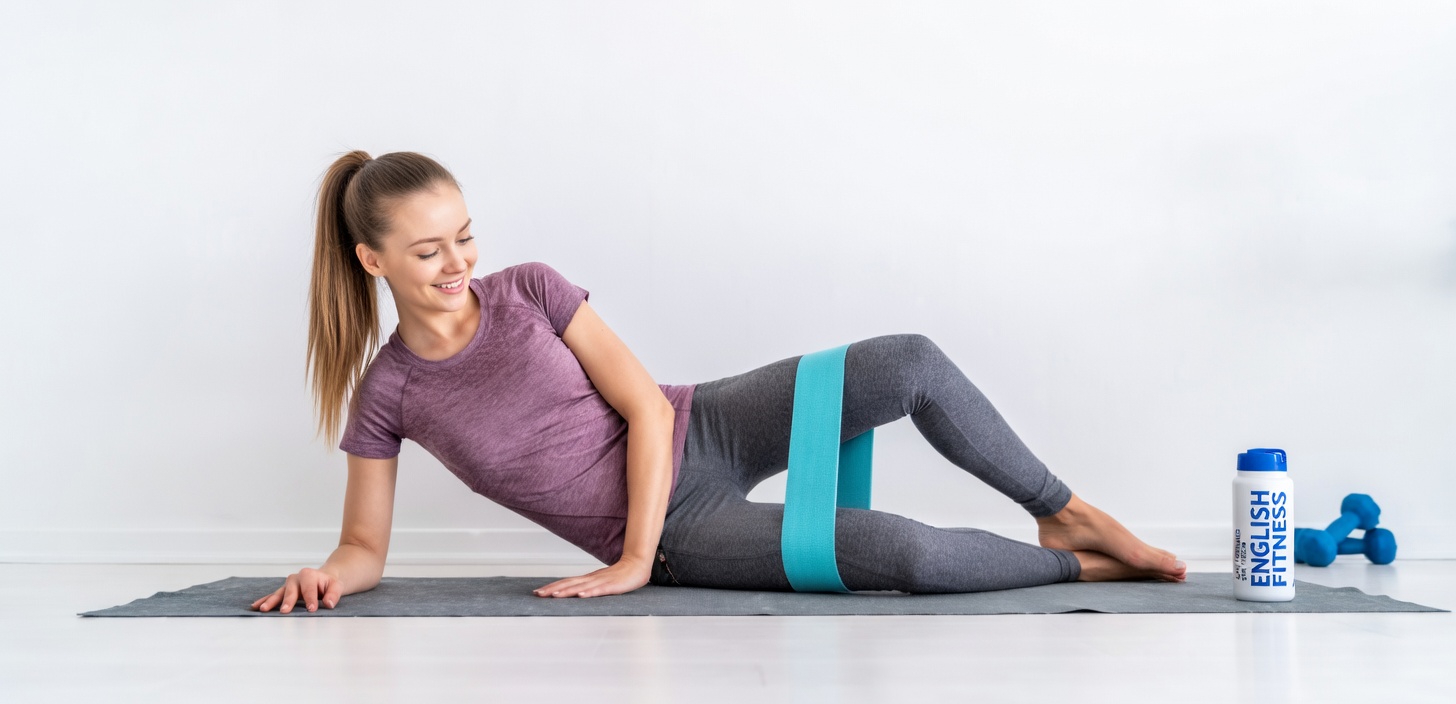
2. Clamshell Exercise
The clamshell is a simple floor exercise that activates the hips, glutes, pelvis, and inner thighs. It also helps engage the core and may reduce tension in the lower back, which can be helpful for preventing discomfort and injury.
How to do the clamshell
- Put a mini-band around your thighs, just above the knees.
- Lie on your left side on the floor.
- Bend your knees and stack your feet together.
- Keeping your feet touching, lift your right knee as high as you comfortably can.
- Pause briefly at the top.
- Lower the knee back down with control.
- Perform 8 to 10 repetitions, then switch sides.
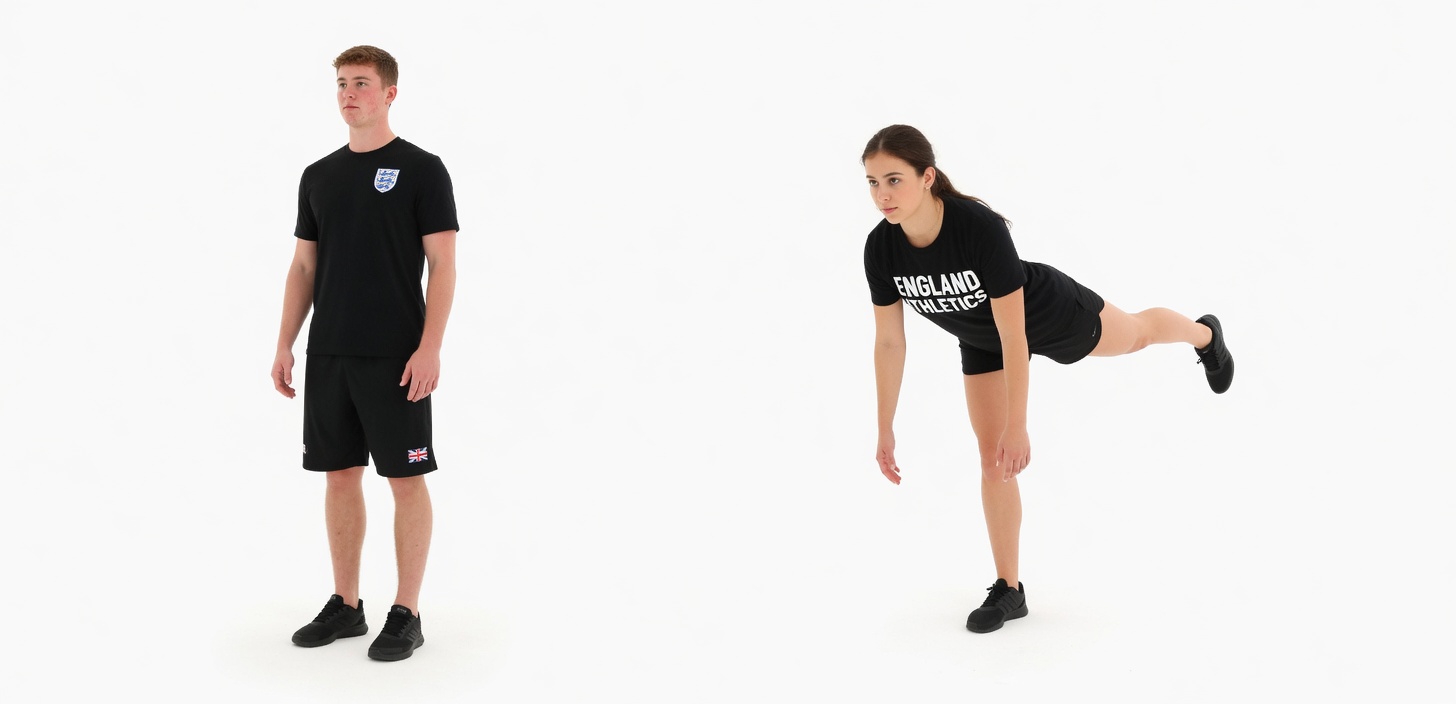
3. Single-Leg Romanian Deadlift
The single-leg Romanian deadlift is excellent for strengthening the hips while also improving balance and coordination. It mainly works the glutes and hamstrings, while challenging the core to keep you stable.
How to do the single-leg Romanian deadlift
- Stand tall with your feet shoulder-width apart.
- Shift your weight onto your right foot.
- Lift your left foot slightly off the floor.
- Keep a small bend in your right knee.
- Brace your core and tighten your glutes.
- With a flat back and neutral spine, hinge at the hips and lower your torso forward.
- At the same time, extend your left leg behind you.
- Try to keep your hips level instead of rotating them.
- Lower until your torso is nearly parallel to the floor, or as far as you can with control.
- Pause, then return to standing.
- Complete 8 to 10 reps, then switch sides.
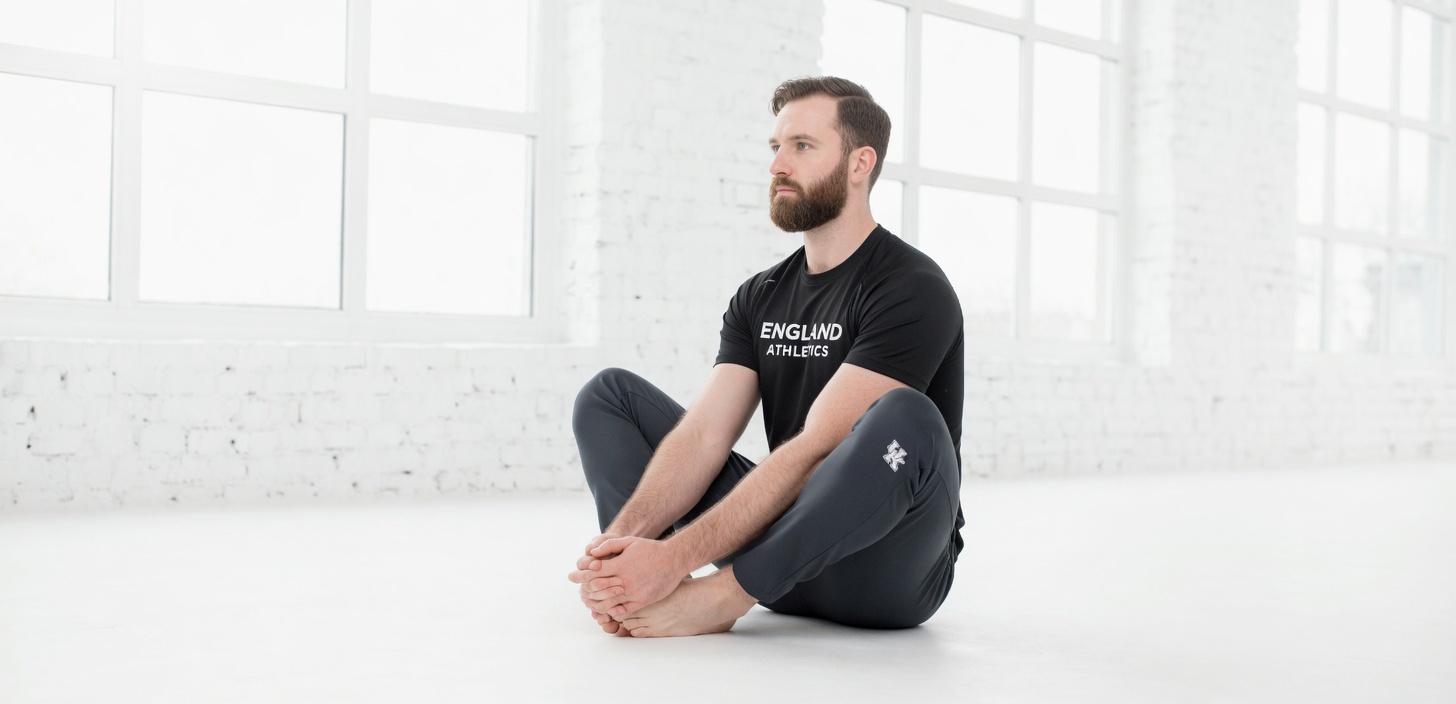
4. Butterfly Pose
The butterfly pose is a gentle stretch that can be especially helpful for tight hips. It opens the hip area, stretches the inner thighs and hip flexors, and may also help improve circulation.
How to do the butterfly pose
- Sit on the floor with your knees bent.
- Let your knees fall outward to the sides.
- Bring the soles of your feet together.
- Hold your toes or feet with your hands.
- Slowly lean your torso forward over your legs.
- Use your elbows to gently press your knees downward if comfortable.
- Hold the stretch for 10 to 30 seconds.
- Return to the starting position and repeat 2 to 3 times.
5. Glute Bridge
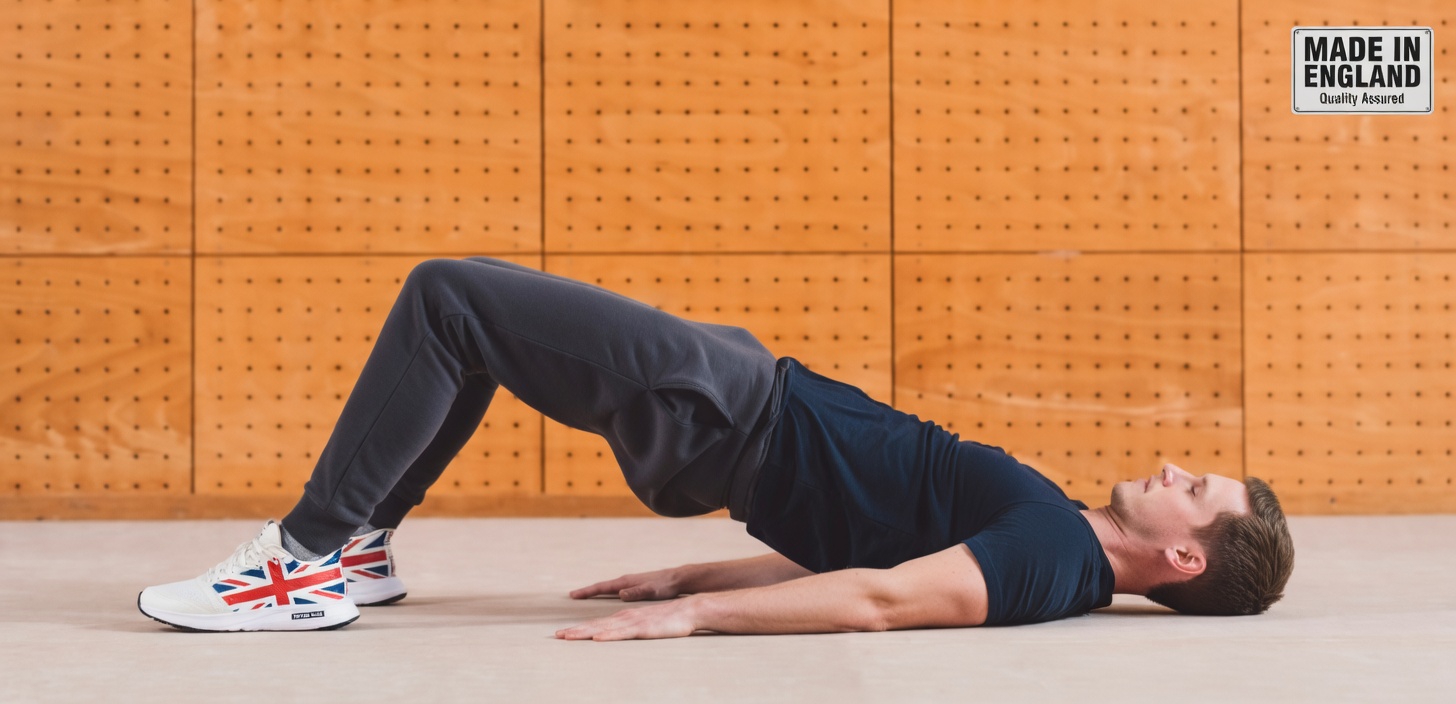
The glute bridge is a highly effective exercise for strengthening the hips, glutes, core, and lower back. It activates important muscles that support the spine and improve overall stability.
How to do a glute bridge
- Lie on your back with your knees bent and your feet flat on the floor.
- Place your feet about shoulder-width apart.
- Let your toes point slightly outward.
- Tighten your core and squeeze your glutes.
- Press through your feet and lift your hips upward.
- Raise your body until there is a straight line from your shoulders to your knees.
- Lower your hips back down slowly and with control.
- Repeat for 10 to 15 repetitions.
Aim for 2 to 3 sets.
Final Thoughts
Adding even a few of these hip-strengthening exercises to your routine can help improve hip mobility, build stability, and support safer movement as you age. Stronger hips can make daily life easier and may reduce the risk of falls and injury.
Before starting any new exercise program, speak with your doctor or healthcare provider to make sure the movements are appropriate for your needs and fitness level.