How to Lose Belly Fat After 50: 5 Practical Strategies That Work
If losing belly fat after 50 feels much harder than it used to, you are definitely not alone. Many people notice that trimming their waistline in their 50s takes more effort than it did in their 20s or 30s. Even so, you still have more control than you may think.
Yes, certain age-related changes can make fat loss more challenging. But the good news is that everyday habits still have a major impact. With the right lifestyle adjustments, you can support your metabolism, improve fat burning, and reduce abdominal fat over time.
Why Belly Fat Becomes Harder to Lose After 50
As you get older, your metabolism naturally slows down. In simple terms, your body starts using energy less efficiently and often needs fewer calories than it did in earlier years. This change can contribute to gradual weight gain, especially around the midsection.
A number of things affect metabolism, including:
- Age
- Gender
- Hormones
- Body size
- Daily habits and activity level
You cannot change your age or biology, but you can change your lifestyle. And even a few smart adjustments can help boost your metabolic health and support fat loss.
Living an active, balanced lifestyle helps your body burn energy more effectively and makes it easier to manage weight after 50.
1. Focus on Whole Foods
If you want to lose belly fat, your diet is the first place to start. Weight loss always depends on consuming fewer calories than your body uses. That calorie deficit is essential for fat loss.
However, instead of obsessing over calorie counting, it can be more helpful to pay attention to food quality.
Whole foods such as:
- Vegetables
- Fruits
- Beans
- Mushrooms
are typically lower in calories and rich in nutrients. They provide important vitamins, minerals, and fiber that support healthy aging and better appetite control.
Fiber is especially helpful because it keeps you feeling full longer and may reduce the urge to snack between meals.
A simple and effective way to improve your meals is to build your plate like this:
- Half your plate: vegetables, fruit, or other whole plant foods
- One quarter: lean protein such as fish, chicken, turkey, or eggs
- One quarter: healthy fats and quality carbohydrates, such as avocado, nuts, and whole grains
If you enjoy carbs, try better-for-you alternatives like:
- Sweet potatoes
- Pumpkin
- Cauliflower rice
- Zucchini noodles
These options can help you cut back on refined grains while still enjoying satisfying meals.
For breakfast or snacks, portable fruits like apples, oranges, and grapefruit are easy and convenient choices.
Protein is also especially important after 50. It helps preserve lean muscle mass and supports healthy skin, hair, and nails.
When you consistently eat this way, you may find that you feel fuller, snack less, and no longer need to rely on strict dieting.
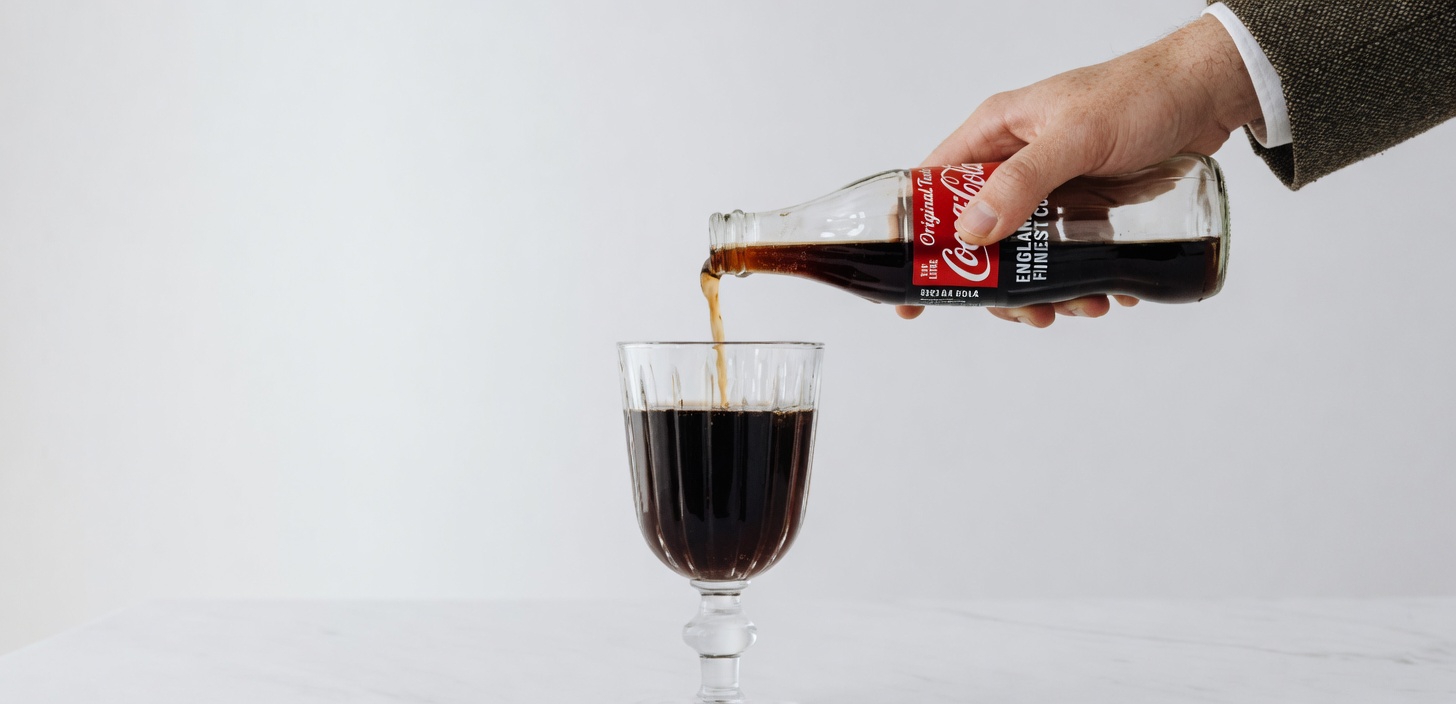
2. Stop Drinking Your Calories
Many people pay close attention to food but forget that drinks can add a surprising number of calories.
In fact, some popular beverages contain more calories than an actual meal. A sugary coffee drink, for example, can easily exceed 500 calories, yet it may do very little to keep you full. Meanwhile, a balanced meal with fewer calories can satisfy your hunger for much longer.
That is why cutting back on high-calorie drinks can make a big difference in belly fat loss.
Try reducing or avoiding:
- Sugary coffee drinks
- Soda
- Sweet tea
- Juice drinks with added sugar
- Flavored energy drinks
Instead, choose lower-calorie options such as:
- Water
- Sparkling water
- Unsweetened tea
- Black coffee
- Homemade smoothies with fruit, oats, and nuts
Healthier drinks can help you stay satisfied without adding unnecessary calories. Small improvements here can speed up weight loss, even after 50.
3. Eat Based on Hunger, Not the Clock
Many of us eat because it is “time to eat,” not because we are truly hungry. Over the years, fixed meal schedules can train us to eat out of habit rather than need.
For example, you might eat a large breakfast late in the morning and then feel expected to eat lunch shortly after, even if your body is not asking for more food yet.
A better approach is to become more aware of your natural hunger cues.
Try these habits:
- Eat when you are genuinely hungry
- Slow down during meals
- Stop when you feel comfortably satisfied, not overly full
- Avoid finishing food just because it is on the plate
Aiming to stop at around 80% fullness can help you avoid overeating without feeling deprived.
This mindset shift may sound simple, but it can have a big effect on calorie intake and belly fat over time.
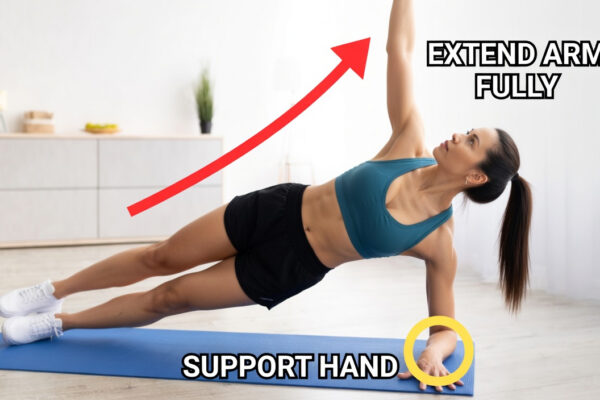
4. Change Your Workout Routine
If you always do the same kind of exercise, your body becomes more efficient at it. That means it may burn fewer calories doing the exact same workout over time.
To keep making progress, it helps to challenge your body in new ways.
One of the best things you can do after 50 is add strength training to your routine. Building muscle supports fat loss because muscle tissue burns more energy than fat, even at rest. In other words, increasing lean muscle can help improve your metabolism.
Strength training also offers important benefits beyond weight loss. It helps support:
- Mobility
- Balance
- Flexibility
- Joint function
- Independence as you age
Functional lower-body exercises are especially useful because they train the muscles you rely on in everyday life.
Good options include:
- Squats
- Lunges
- Step-ups
These movements strengthen large muscle groups in the legs, which can increase calorie burn and contribute to overall fat loss, including around the stomach.
For the best results, mix your workouts with a combination of:
- Strength training
- Walking or cardio
- Mobility work
- Variety in intensity and movement patterns
5. Try Intermittent Fasting if It Suits You
The word “fasting” can sound intimidating, but intermittent fasting does not mean going all day without food. It simply means organizing your eating into a specific daily window and allowing your body more time to digest and use stored energy.
For beginners, a gentle approach may work best. For example, you might:
- Finish dinner about 2 hours before bed
- Sleep for around 7 hours
- Wait about 1 more hour after waking before eating
That creates a 10-hour fasting period without extreme restriction.
Intermittent fasting may help with:
- Weight loss
- Fat burning
- Reduced belly fat
- Better awareness of eating habits
There are many ways to do it, and it is not the right choice for everyone. But if it feels manageable and fits your lifestyle, it may be a useful tool to support your goals.
Final Thoughts
Losing your belly after 50 can be more challenging, but it is absolutely possible. While aging affects metabolism and body composition, your daily habits still matter a great deal.
To summarize, the most effective steps include:
- Eat more whole, nutrient-dense foods
- Cut back on high-calorie drinks
- Let hunger guide your meals instead of habit
- Vary your workouts and include strength training
- Consider intermittent fasting if it works for you
You do not need a perfect plan. A few consistent lifestyle changes can help shrink your waistline, improve your energy, and support healthier aging.