The 3 Most Important Exercises to Do After 60
Exercise is a key part of healthy aging, and its value only grows as you get older. In your 60s, your fitness goals often shift. It is no longer just about weight loss or visible abs. Instead, the priority becomes staying strong, mobile, flexible, and independent.
With age, it is natural to lose some muscle mass, strength, balance, and joint mobility. The body may also become more vulnerable to stiffness, back discomfort, and injuries.
The good news is that the right exercises can help slow down these age-related changes. A smart fitness routine can support better movement, improve daily function, and help you maintain an active lifestyle for years to come.
Functional strength training is especially important after 60. These movements prepare your body for real-life activities such as walking, climbing stairs, driving, standing up, turning, and reaching. They strengthen the muscles you rely on every day while also improving flexibility and mobility.
Here are the three best exercises to focus on after 60.
Why Functional Exercises Matter After 60
Functional exercises are designed to make everyday movement easier and safer. They help improve:
- Balance and coordination
- Strength for daily tasks
- Joint mobility and flexibility
- Posture and spinal support
- Stability to reduce fall risk
Adding these movements to your weekly routine can help you stay independent and confident in your body.
1. Single-Leg Balance
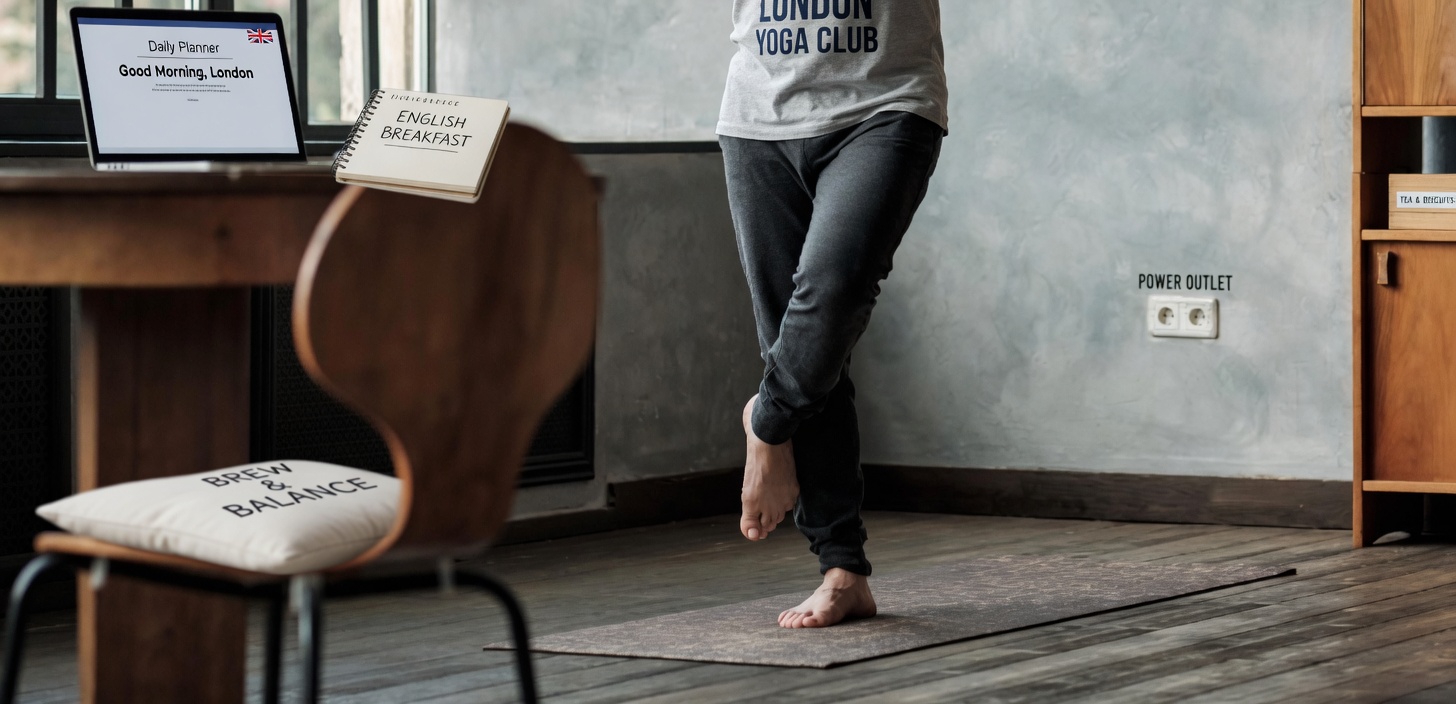
The single-leg balance is one of the best exercises for building lower-body stability. It strengthens the legs, hips, core, and ankles while helping improve balance and posture.
Balance is easy to overlook when you are younger, but it often declines with age. Practicing single-leg balance can help train your body to stay steady during both low-impact and more demanding daily activities.
Although this move looks simple, it is still a weight-bearing exercise. It challenges your stabilizing muscles, especially around the spine, hips, and core. This can support better posture and may also contribute to stronger bones.
Another major benefit is that it is highly functional. This exercise helps prepare you for common movements such as:
- Getting up from a chair
- Rising from the floor
- Walking on uneven surfaces
- Climbing stairs
Because it can be done almost anywhere, it is an easy exercise to include in your day. Aim to practice it 3 to 4 times per week, or even daily as part of your morning routine.
How to Do a Single-Leg Balance
If you have a medical condition, including osteoporosis, consult your doctor before starting a new exercise program.
- Stand beside a sturdy chair or countertop that is about waist height.
- Place your feet close together.
- Slowly bend one knee and lift that foot off the floor in front of you.
- Hold on to the chair if you need support.
- Raise the knee only as high as feels comfortable.
- Hold the position for a few seconds.
- Slowly lower the foot back down.
- Repeat on the other side.
That counts as one repetition. Continue for several reps and gradually work on holding the position for longer. A good goal is to hold each side for about 5 seconds or more as your balance improves.
2. Bird Dog
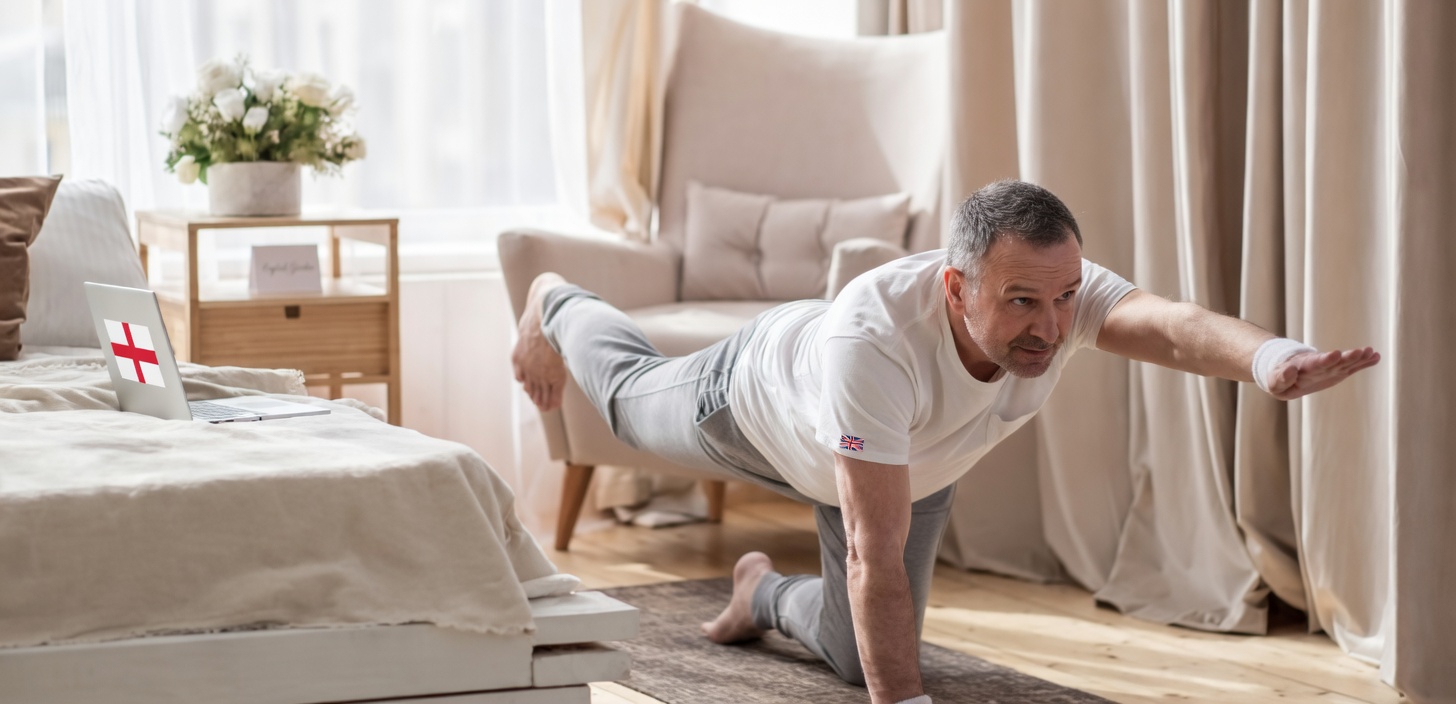
The bird dog is an excellent exercise for older adults because it strengthens the core while also improving balance, coordination, hip control, and posture.
Your core includes the muscles of your trunk, and it acts as the body’s foundation. Most movement either starts from the core or passes through it. When your core is stronger, it becomes easier to support upper-body movement, maintain posture, and stay stable through the hips and lower body.
Bird dog is also a low-impact exercise, which makes it gentle on the joints while still training the body effectively.
Benefits of the Bird Dog
- Builds core strength
- Improves balance and stability
- Supports better posture
- Enhances range of motion
- Strengthens the hips and back
How to Do a Bird Dog
- Begin on all fours in a tabletop position with your hands under your shoulders and knees under your hips.
- Keep your back flat and your core engaged.
- Extend one arm straight in front of you.
- At the same time, extend the opposite leg straight behind you.
- Pause briefly while staying balanced.
- Slowly return to the starting position.
- Switch sides and repeat.
That is one repetition. Try 2 sets of 10 reps per side.
3. Reverse Snow Angel
The reverse snow angel is a floor-based movement that improves shoulder mobility, upper-back strength, and core stability. It is especially helpful for posture, which often suffers as lean muscle mass declines with age.
Many people naturally use their legs often through walking, cycling, and climbing, but the shoulders, upper back, and arms are frequently undertrained. This exercise helps correct that imbalance.
It gently activates the muscles that stabilize the spine and support the shoulders. It can also help reduce tension in the neck and shoulders while improving range of motion in the upper body.
Benefits of the Reverse Snow Angel
- Improves shoulder mobility
- Strengthens the upper back
- Supports posture correction
- Engages the core
- May reduce shoulder and neck discomfort
How to Do a Reverse Snow Angel
- Lie face down on the floor with your legs extended and your arms resting by your sides.
- Gently lift your chest.
- Extend your arms forward.
- Keep your back steady and draw your shoulder blades together.
- Move your arms in a wide arc back toward your thighs, like making a snow angel in reverse.
- Keep your core engaged throughout the movement.
- Pause for a moment.
- Relax the shoulder blades and return your arms to the starting position.
Final Thoughts
After 60, exercise should focus on helping you move well, stay strong, and remain independent. The single-leg balance, bird dog, and reverse snow angel are three highly effective exercises that support exactly that.
Together, they help improve:
- Balance
- Core strength
- Posture
- Mobility
- Everyday movement
By practicing these exercises regularly, you can protect your body against common age-related declines and continue living an active, confident life.