Healthy, Sustainable Ways to Lose Weight and Keep It Off
According to the CDC, carrying excess weight can increase the risk of many chronic and serious health issues. While weight loss is not a cure-all, reducing excess body fat can support better overall health and improve quality of life.
If you are starting a weight loss journey, one of the most important mindset shifts is to treat healthy eating as a long-term lifestyle — not a short-term diet.
Lasting weight loss does not happen overnight. In fact, losing more than 1 to 2 pounds per week may be difficult to maintain and can lead to a frustrating cycle of yo-yo dieting. A gradual, balanced approach is usually the safest and most effective way to lose weight and maintain results over time.
The Best Evidence-Based Ways to Lose Weight
If your goal is to lose weight and keep it off, these research-backed strategies can help.
1. Choose a Clean, Balanced Diet
A clean diet focuses on whole, minimally processed foods instead of heavily processed products.
Many processed foods are made with refined grains, added sugars, unhealthy fats, and other ingredients that can increase calorie intake without providing much nutrition. These extra calories can make weight management much harder.
2. Build Your Meals Around Whole Foods
Whole foods are foods that are unprocessed or only lightly processed, staying as close as possible to their natural form.
Good examples include:
- Whole grains
- Fruits
- Vegetables
- Legumes
- Nuts
- Seeds
- Meat
- Chicken
- Eggs
- Some dairy products
These foods provide essential nutrients your body needs for energy, health, and healthy weight maintenance.
3. Eat More Fiber
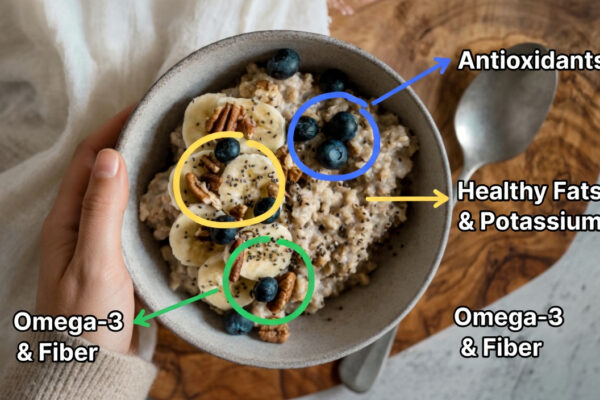
Getting enough dietary fiber is linked to lower body weight. One reason is that high-fiber foods take longer to digest, which helps you feel satisfied for longer.
This increased fullness may reduce overeating and naturally lower your daily calorie intake. Fiber may also play a role in reducing fat absorption, which can further support healthy weight management over time.
To boost fiber intake, include a wide range of plant foods in your diet, such as:
- Whole grains
- Fruits
- Vegetables
- Beans and lentils
- Nuts
- Seeds
4. Stay Properly Hydrated
Thirst and hunger can feel surprisingly similar. Both may show up as:
- Fatigue
- Headaches
- Poor concentration
Because of this, it is easy to eat when your body may actually need water. Repeating this pattern can slow progress toward your weight loss goals. On the other hand, sometimes people drink water when their body truly needs food and nourishment. Stress and lack of sleep can make these signals even more confusing.
Here are a few practical ways to tell the difference:
- Prioritize good-quality sleep
- Use healthy stress-management techniques
- Drink water regularly throughout the day
- If you feel hungry shortly after eating, try a glass of water first and see whether the feeling passes
Plain water is the best choice for hydration, but other unsweetened drinks can also help, including:
- Water with lemon or lime
- Unsweetened iced tea
- Sparkling water

5. Include Protein in Every Meal and Snack
Protein is one of the most important nutrients for appetite control and weight management. It helps increase satiety, which can reduce the total number of calories you eat throughout the day.
Adding protein-rich foods to meals and snacks may help reduce cravings and keep you feeling full longer.
High-protein options include:
- Eggs
- Cheese
- Yogurt
- Cottage cheese
- Nut butters
- Seeds
- Beans
- Meat
- Chicken
- Fish
6. Practice Mindful Eating
Mindfulness means paying attention to the present moment without judgment. Applied to food, mindful eating means fully noticing the experience of eating — flavors, textures, hunger, fullness, and satisfaction.
Although mindful eating is not only about weight loss, many people find that it naturally supports healthier eating habits. The opposite is mindless eating, which often happens when you eat while distracted and disconnected from your body’s signals.
To eat more mindfully:
- Sit down at a table when you eat
- Avoid eating while driving or standing
- Turn off the TV and move your phone away
- Notice the taste, smell, and texture of your food
- Put your fork down between bites
- Chew thoroughly before swallowing
- Pay attention to hunger and fullness cues
- Stop when you feel comfortably satisfied and save leftovers for later if needed
7. Manage Stress Effectively
Stress can make weight management more difficult. When stress levels stay high, the body releases more cortisol, a hormone linked to increased appetite, sugar cravings, overeating, and weight gain.
Chronic stress can also lead to behaviors that work against weight loss, such as:
- Emotional eating
- Mindless snacking
- Skipping meals
- Poor sleep
- Unhealthy food choices
- Low physical activity
Helpful strategies for reducing stress include:
- Following healthy daily habits
- Exercising regularly
- Getting enough sleep
- Using relaxation techniques
Effective relaxation practices may include:
- Deep breathing
- Meditation
- Yoga
- Visualization

8. Consider Intermittent Fasting Carefully
Intermittent fasting, often called IF, is an eating pattern that alternates between fasting periods and eating periods. Some people find that this structured routine helps them better manage their weight.
However, intermittent fasting does not mean eating without limits during non-fasting hours. For the best results, it should still be combined with a nutritious, balanced diet based on whole foods.
IF is not suitable for everyone, so it is important to speak with a doctor before trying it to make sure it is safe for your needs.
9. Prioritize High-Quality Sleep
Sleep plays a major role in both weight control and overall health. Research has shown a connection between poor sleep and a higher risk of obesity.
Sleep affects important hormonal and metabolic functions in the body. When you do not get enough rest, those processes can become disrupted. For example, sleep deprivation can interfere with the hormones that regulate hunger and appetite.
As a result, overeating becomes more likely, especially later in the evening.
To improve sleep quality:
- Keep your bedroom cool
- Make the room dark and quiet
- Turn off cell phones and other distractions before bed

The Bottom Line
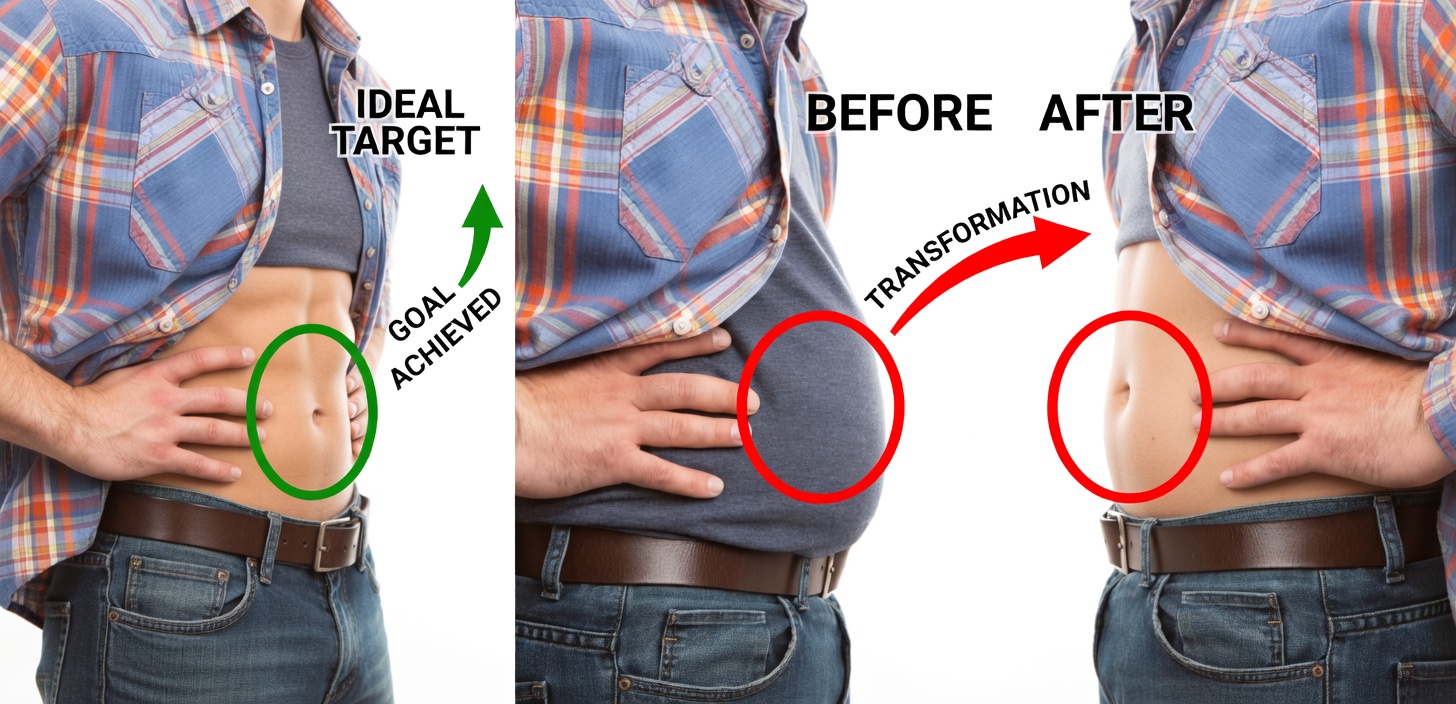
Body fat is necessary for health, but too much can raise the risk of serious medical conditions. If you want long-term success, aim for safe, steady weight loss instead of rapid results. Just as importantly, think of healthy eating as a lifelong habit rather than a temporary plan.
Successful weight loss and weight maintenance require a full-body approach. Eating clean, choosing whole and fiber-rich foods, drinking enough water, managing stress, staying active, and getting quality sleep all work together to support lasting progress.
References
- Slavin JL. Dietary fiber and body weight. Nutrition. 2005 Mar;21(3):411-8. doi: 10.1016/j.nut.2004.08.018. PMID: 15797686.
- Dalia, E. K. Dietary Proteins: A Target for Appetite Regulation. Biochemistry & Physiology: Open Access, vol. 1,1 (2012). https://doi.org/10.4172/2168-9652.1000e103
- Beccuti G, Pannain S. Sleep and obesity. Curr Opin Clin Nutr Metab Care. 2011;14(4):402-412. doi:10.1097/MCO.0b013e3283479109
- Sharma S, Kavuru M. Sleep and metabolism: an overview. Int J Endocrinol. 2010;2010:270832. doi:10.1155/2010/270832
- Leproult R, Van Cauter E. Role of sleep and sleep loss in hormonal release and metabolism. Endocr Dev. 2010;17:11-21. doi:10.1159/000262524