Exercise for Older Adults: Clear, Science-Based Cardio Advice
When it comes to fitness for older adults, the advice can feel overwhelming. One article may claim that HIIT, or high-intensity interval training, is the best choice. Another may insist that only LISS, or low-intensity steady-state exercise, is appropriate.
For anyone without a background in exercise science, these mixed messages can be frustrating and confusing.
One way to sort through the noise is to spend years studying training methods, research, and exercise terminology. That would certainly help you judge the evidence for yourself.
A simpler and more practical option is to follow trusted, science-based guidance from the American College of Sports Medicine, or ACSM.
In this article, you will find the ACSM’s cardio recommendations, several excellent aerobic exercise options for adults over 60, and a few exercises that are generally less suitable for seniors.
ACSM Cardio Guidelines for Older Adults
Let’s begin with a simple definition of cardio exercise.
According to the ACSM, cardiorespiratory exercise is any activity that:
- Uses large muscle groups
- Can be continued for a sustained period
- Involves rhythmic movement
That definition covers a wide range of activities. Later in this article, we will look at some of the best cardio exercises for seniors.
Now the next important question: how much cardio should older adults do?
The ACSM recommends that healthy adults aim for 150 minutes of moderate-intensity aerobic activity each week. A simple way to meet that target is:
- 30 minutes a day
- 5 days per week
For people who enjoy more demanding workouts or have less time, there is another option. The ACSM also states that healthy adults can choose 20 minutes of vigorous-intensity exercise, 3 days per week instead.
So far, we have two key points:
- Cardio includes rhythmic, continuous movement that uses large muscle groups.
- The general goal is either 150 minutes of moderate exercise weekly or 20 minutes of vigorous exercise 3 times per week.
What Makes a Good Aerobic Exercise?
Before choosing an activity, it helps to remember the basic features of effective cardio exercise. It should be:
- Rhythmic
- Driven by large muscle groups
- Sustainable over time
With that in mind, there are many great fitness options for seniors.
No matter which activity you prefer, the main goal is to reach at least:
- 150 minutes of moderate aerobic exercise per week, or
- 20 minutes of vigorous aerobic exercise 3 times weekly
Best Cardio Exercises for Seniors
Walking
Walking is one of the easiest and most effective forms of exercise for older adults. In fact, a brisk 30-minute walk, 5 days a week, is enough to satisfy the ACSM’s basic aerobic exercise recommendation.
Walking works well for many people because it:
- Requires no special equipment
- Lets you control the pace and intensity
- Can be done alone or with others
It is simple, accessible, and highly effective.
Step Aerobics
Step aerobics became especially popular in the 1980s. While dedicated step classes are less common today, many group fitness sessions still include step-based movements as part of mixed workouts.
You do not even need a formal class to benefit. Walking on stairs or uphill routes can provide an excellent cardiovascular challenge. Climbing stairs or hills for 10 to 15 minutes can quickly raise your heart rate and create a strong aerobic workout.
Yoga
Not every style of yoga counts as aerobic exercise. Classes focused mainly on breathing, meditation, or stillness may be excellent for relaxation and flexibility, but they may not significantly improve cardiovascular fitness.
However, more active yoga styles that include continuous flowing movements can challenge the heart and lungs. These classes may also improve:
- Balance
- Flexibility
- Stability
- Body awareness
For many older adults, that combination makes yoga a valuable addition to an exercise routine.
Biking
Cycling is another strong cardio option for seniors. It can be especially helpful for those who want a lower-impact workout while still being able to exercise at a moderate or vigorous intensity.
Stationary bikes are usually the safest choice, especially for people with balance concerns. Outdoor biking can also be enjoyable for experienced riders, offering fresh air, scenery, and a rewarding way to stay active.
Rowing
If you live near the water and have access to a rowing program, that is a fantastic opportunity.
Still, you do not need a lake or river to enjoy the benefits of rowing. Most gyms have rowing machines, and they provide an excellent full-body cardio workout. Rowing engages both the upper and lower body, making it one of the most efficient aerobic exercises available.
Swimming
Swimming is not accessible to everyone. Some people do not have access to a pool, while others may feel uncomfortable in the water or may not know how to swim.
But for those who enjoy it, swimming is one of the best exercises for seniors. It offers:
- Very low joint impact
- Full-body muscle engagement
- Strong cardiovascular benefits
Because it is gentle on the joints, swimming can be an excellent option for older adults dealing with stiffness or discomfort during land-based exercise.
Tai Chi
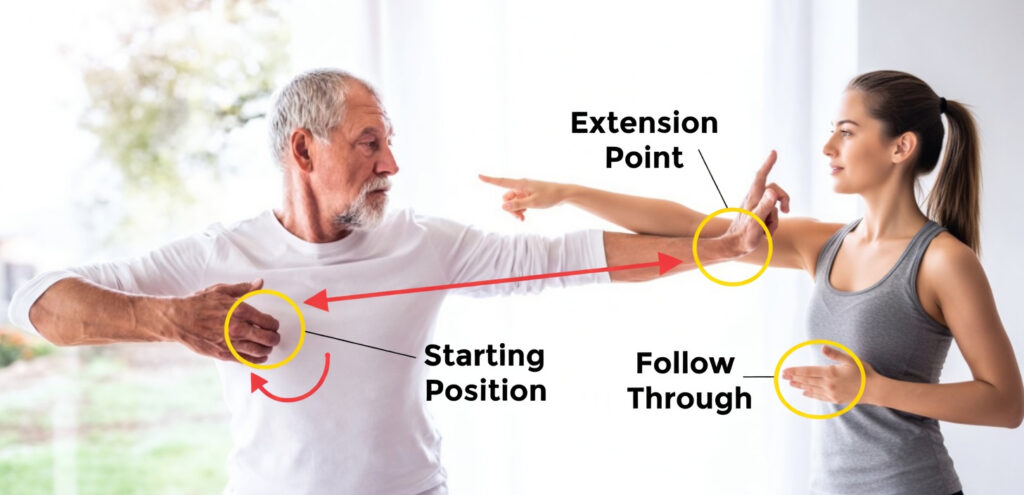
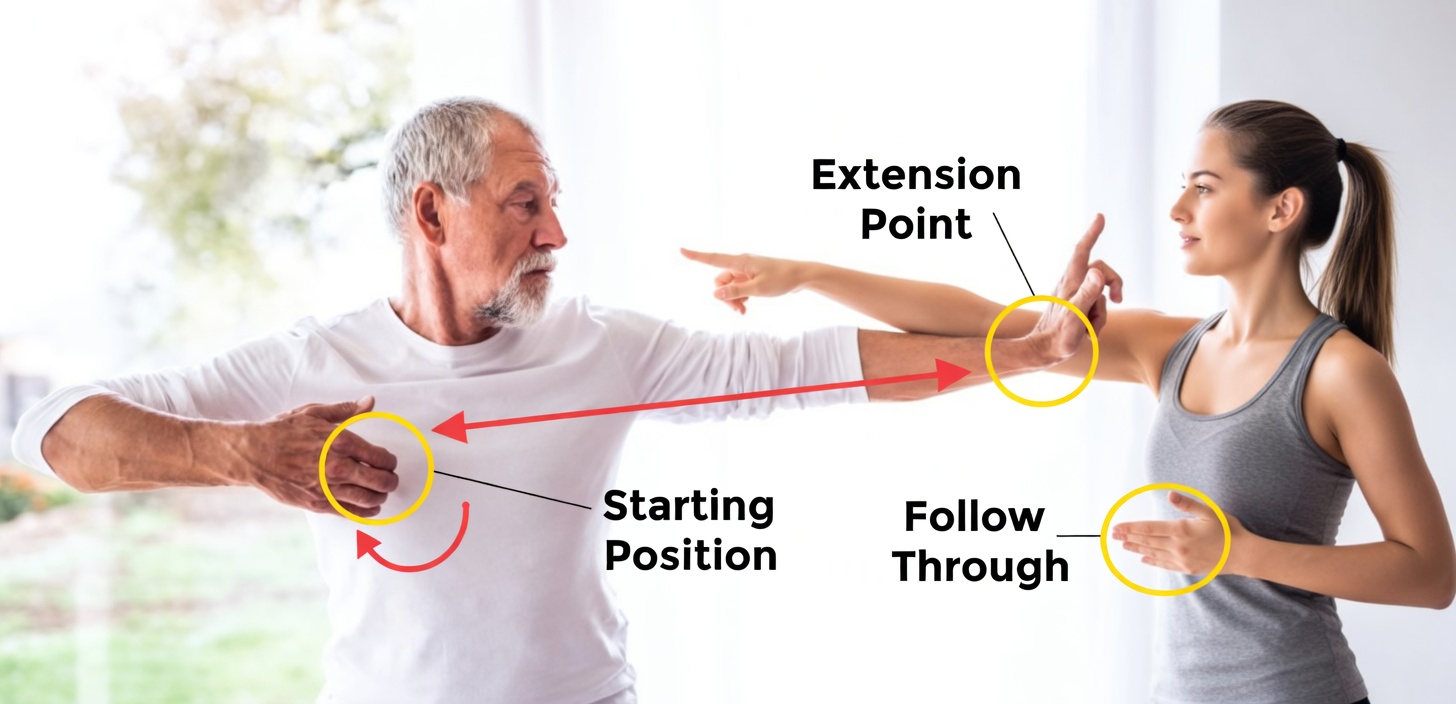
Tai Chi is a centuries-old practice that some people view as martial arts and others use for movement, balance, and wellness.
Regardless of how it is approached, Tai Chi can be a smart exercise choice for older adults. It supports gentle aerobic conditioning while also helping with coordination and stability.
Dancing
Dancing is one of the most enjoyable ways to improve fitness.
Programs such as Zumba have made dance-based exercise popular for people of all ages, including seniors. But you do not need to join a class to get the benefits. Dancing at home can also raise your heart rate and provide a fun, effective cardio workout.
For many older adults, dancing is easier to stick with because it feels more like enjoyment than exercise.

Exercises Older Adults May Want to Limit
It is important not to label every movement as good or bad. Most exercises can be useful when matched to the right person, ability level, and situation.
That said, there are a few exercises that are often less ideal for seniors, especially when safer and more effective alternatives are available.
Upright Rows
The upright row is a strength exercise in which a person:
- Holds a barbell or dumbbells
- Pulls the weight straight upward
- Leads the movement with the elbows
Although it may seem straightforward, this exercise can place considerable stress on the shoulder joint. For many people, it may irritate tendons and other tissues, increasing the risk of pain or injury.
Because of that, it is often better for seniors to choose shoulder-friendly alternatives.
Single-Joint Exercises
When it comes to strength training, multi-joint exercises are usually the better choice for most older adults.
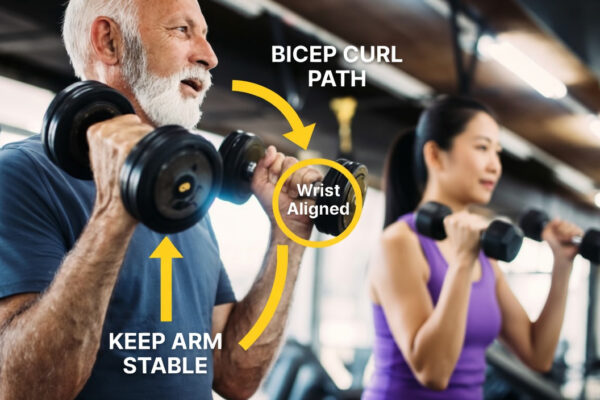
Single-joint movements, such as a bicep curl, are not harmful on their own. However, they tend to train only a small number of muscles at one time. A multi-joint exercise, such as a lat pulldown, can train some of the same muscles while also involving additional muscle groups.
In many cases, multi-joint exercises are:
- More efficient
- More functional
- Potentially safer
- Better for total-body strength
For older adults, this can mean better results in less time, with a lower chance of overuse or unnecessary strain.
Final Thoughts on Cardio for Seniors
Exercise advice for older adults does not need to be complicated. By following established guidance from the ACSM, it becomes much easier to build a safe and effective routine.
The key recommendation is clear:
- 150 minutes of moderate aerobic exercise per week, or
- 20 minutes of vigorous exercise 3 times per week
The best cardio exercise for seniors is often the one that fits their abilities, feels enjoyable, and can be performed consistently. Walking, cycling, yoga, swimming, rowing, Tai Chi, dancing, and step-based workouts can all be excellent choices.
At the same time, older adults may benefit from limiting exercises that place unnecessary strain on the body, such as upright rows, and from focusing more on efficient multi-joint strength movements.
The goal is not to find the perfect trend. The goal is to choose safe, sustainable exercise that supports long-term health, mobility, and independence.