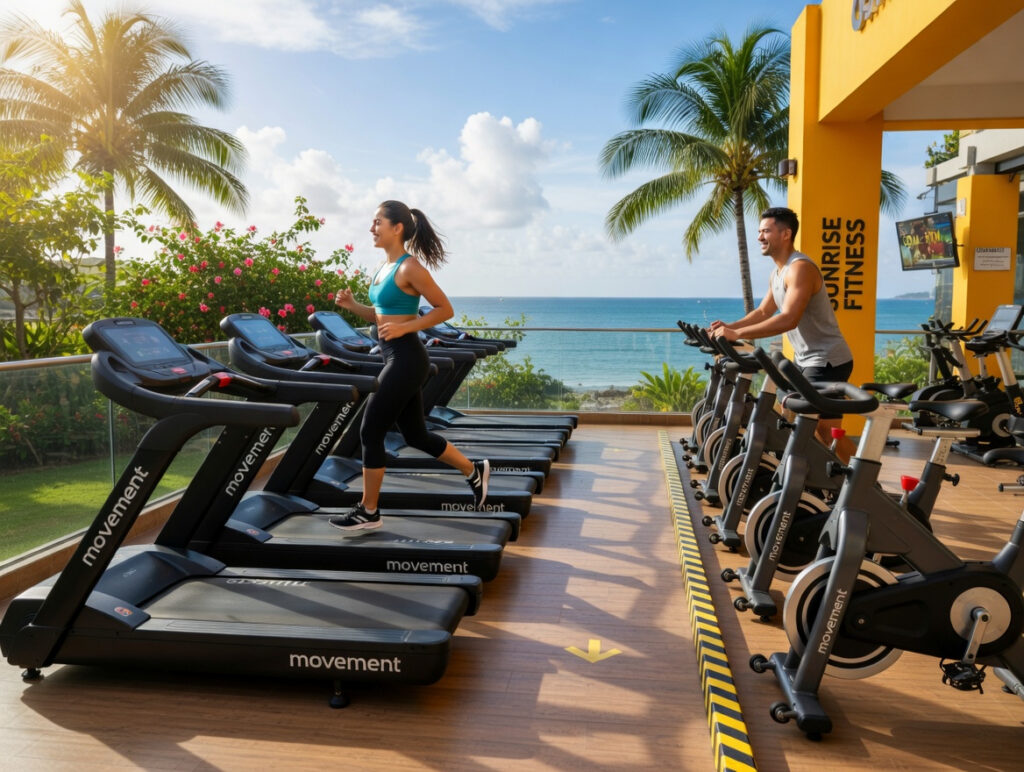
Treadmills Are Often Overlooked — and That’s the Problem
A lot of people assume the treadmill is only for running, which means they miss out on how useful it can really be. At first glance, it may seem like one of the more boring machines in the gym. But it can do much more than help burn a few calories.
Treadmills can support fat loss, heart health, and better overall stamina. They are not just for building endurance through walking or running. In fact, this machine is one of the most flexible fitness tools available.
Why So Many People Underestimate the Treadmill
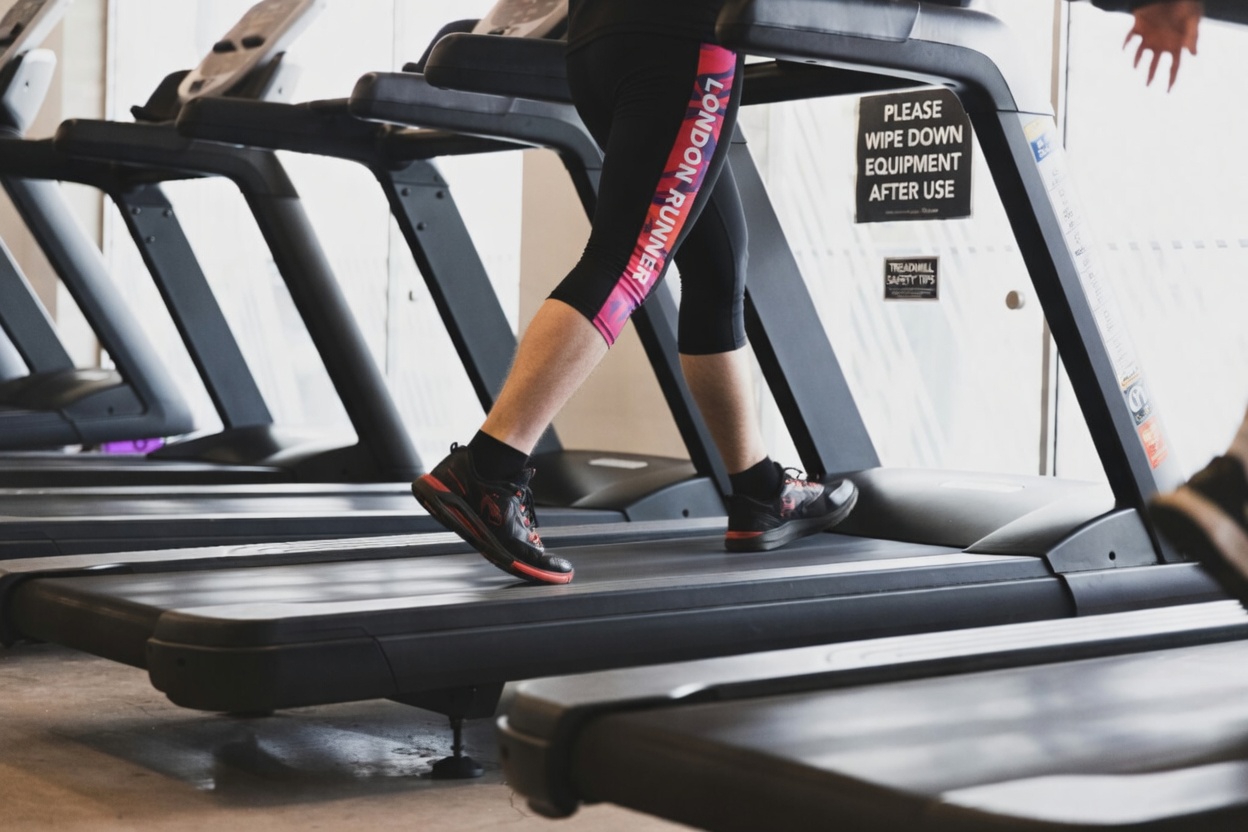
One reason the treadmill gets overlooked is that many people think the workouts are limited. They imagine only two options: walking or running at the same pace. That can make treadmill training seem repetitive and exhausting.
Another common issue is not realizing how easy it is to control and track your workout. Small adjustments, like changing the speed or adding incline, can make an exercise much more effective. You do not need complicated equipment or advanced routines to make progress.
Simple Treadmill Workouts That Can Make a Big Difference
The good news is that treadmill workouts are easy to adjust for nearly any fitness level. Beginners can start with simple settings and build up over time. You also do not need to spend hours on the treadmill to notice results. What matters most is staying consistent.
Below are simple treadmill exercises that can help improve different areas of fitness.
1. Brisk Walking Workout
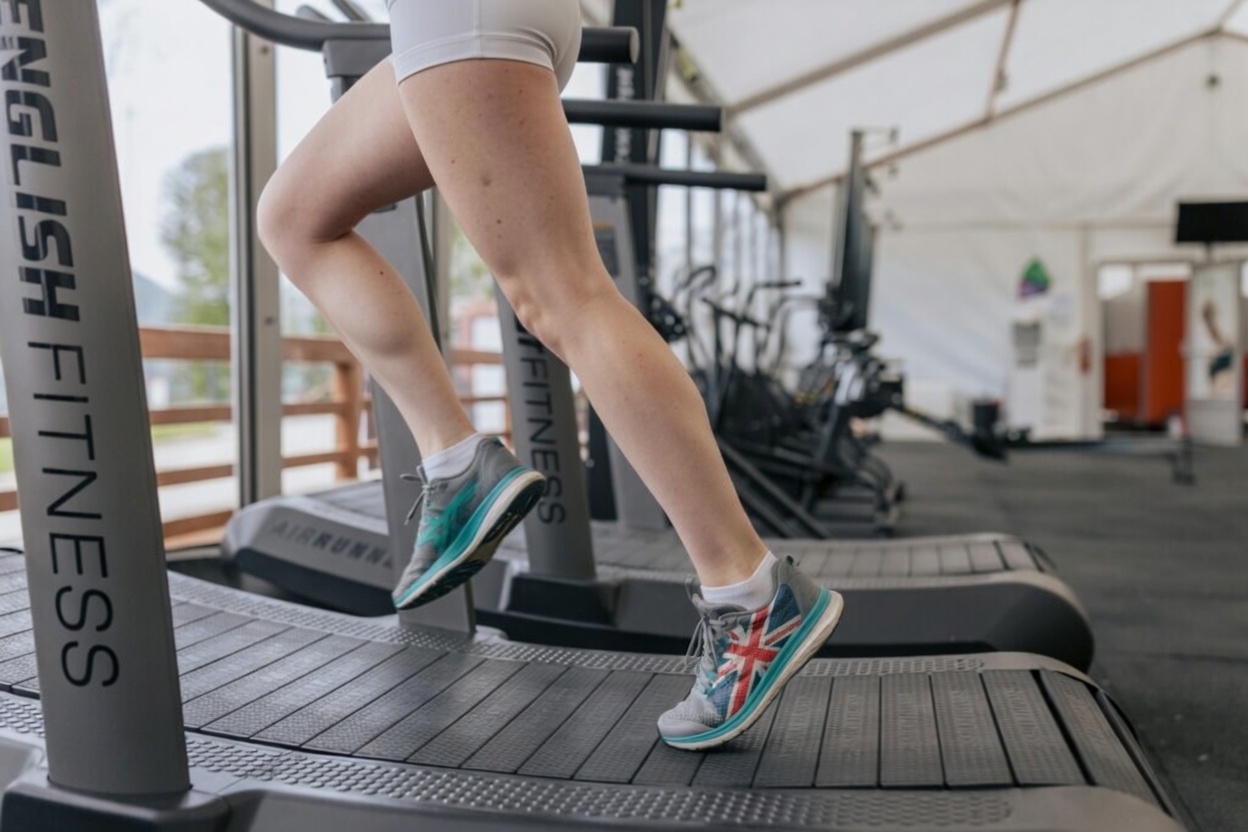
Many people have a hard time managing their heart rate during exercise. Brisk walking is a safe way to raise your heart rate, challenge yourself, and still keep the workout low-impact.
This type of walking supports cardiovascular health while strengthening the legs and hips. Regular sessions can help lower blood pressure and improve circulation. For beginners who are unsure where to begin, brisk walking is an easy and approachable starting point.
2. Incline Walking
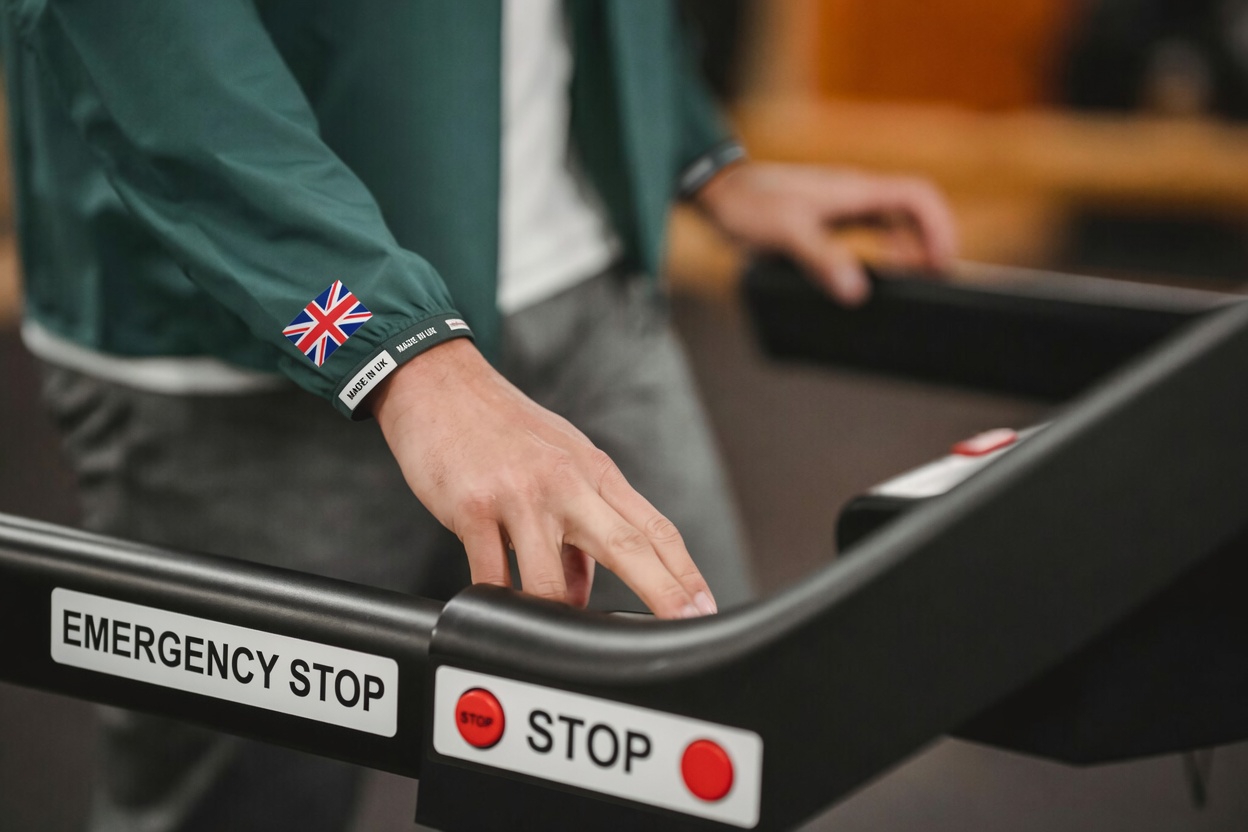
Doing the same workout over and over can quickly become dull. Incline walking is a simple way to add variety while making your treadmill session more effective.
For weight management, incline walking is especially helpful because it increases calorie burn right away. It also activates the glutes and hamstrings and can strengthen the calves when done consistently. Compared with jogging, incline walking places less stress on the joints, which makes it a smart option for people who want a joint-friendly workout.
3. Interval Walking
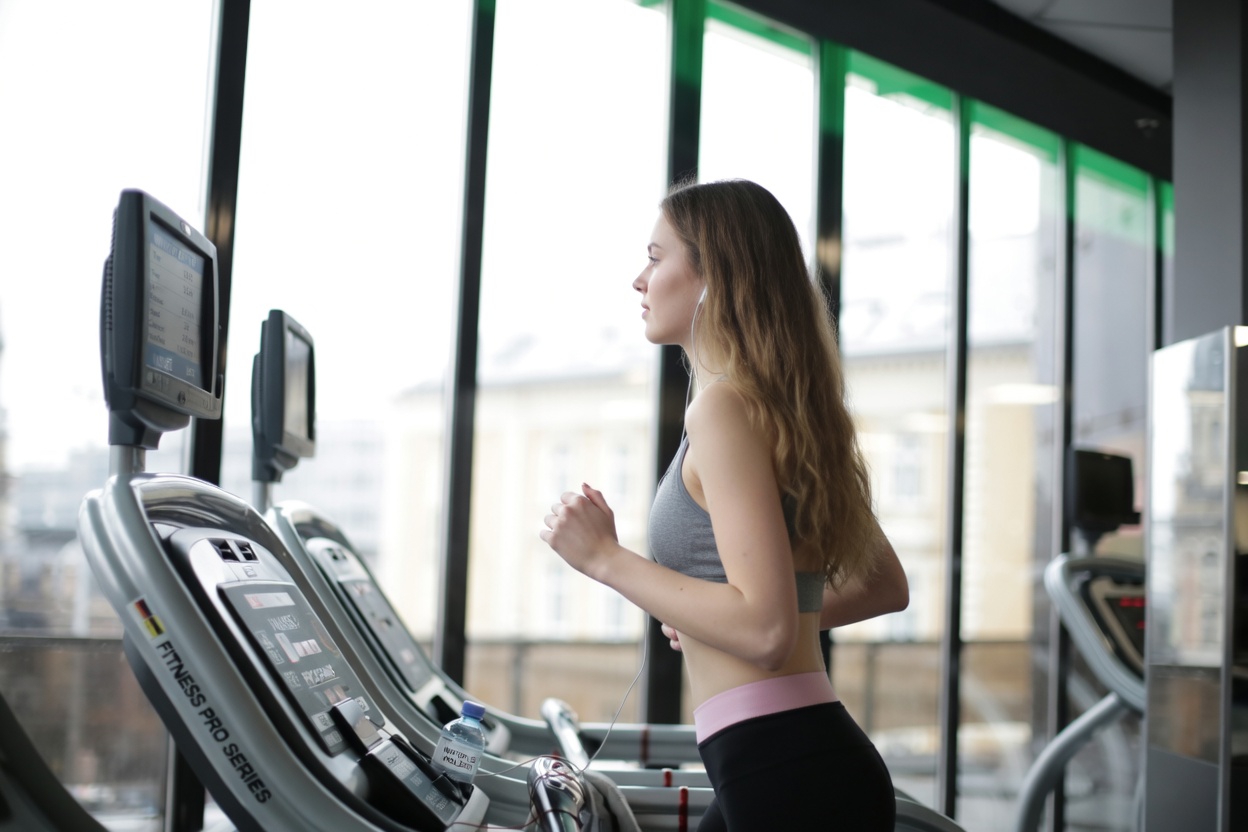
One of the biggest challenges with treadmill exercise is boredom. Walking or running at one pace for too long can feel draining. Interval walking helps by alternating between faster and slower speeds.
These short bursts can improve fitness and burn more calories in less time. The slower periods give your body time to recover, which helps reduce fatigue. This style of workout is also easy to customize. Beginners can begin with longer slow intervals and then gradually increase intensity as they adapt.
4. Power Walking
Power walking does more than work the lower body. A strong arm drive can help strengthen the upper body and improve coordination as well.
If long hours of sitting have affected your posture, power walking may help improve it. It is also a workout that can make you feel more confident, helping you move with more purpose in daily life. That sense of energy is exactly why it is called power walking.
5. Treadmill Hill Workout
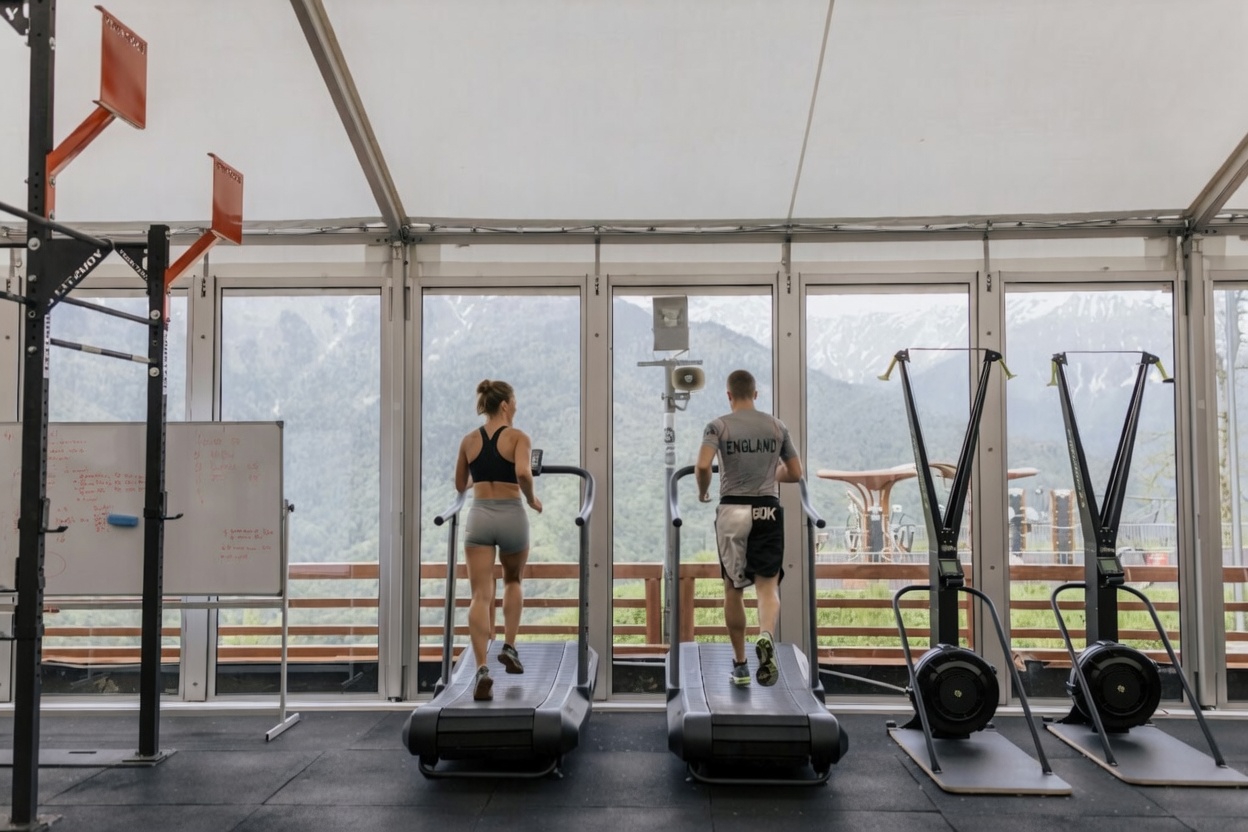
Not everyone has access to mountains or hiking trails, but a treadmill can offer a similar challenge. Hill workouts are a practical way to build leg strength indoors.
Walking uphill targets the glutes and calves while also improving endurance. It naturally works the hips and raises heart rate in a controlled way. These workouts can simulate outdoor terrain, improve muscle tone, and support bone health. If incline feels intimidating at first, start small and build up gradually.
6. Steady-State Workout
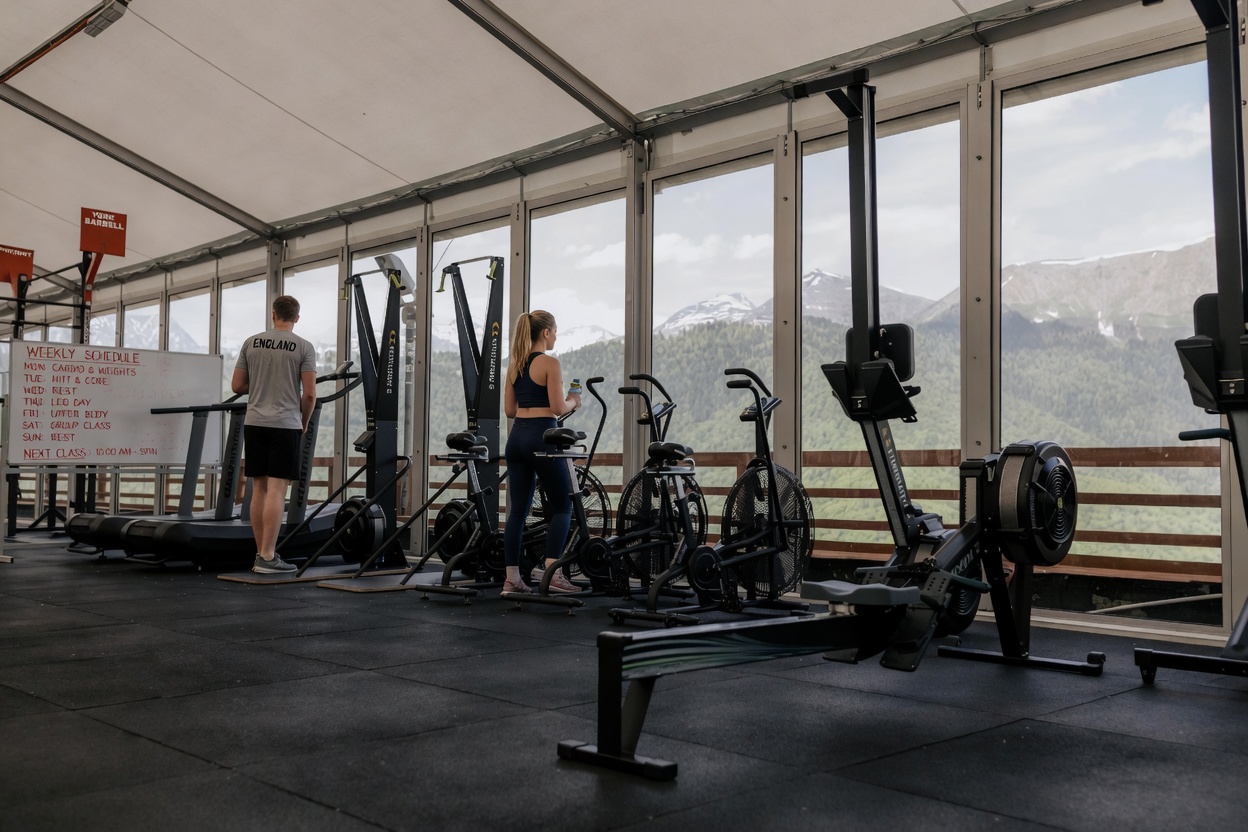
Steady-state treadmill workouts are often the easiest to stick with because the pace remains consistent. That makes them a great option for beginners or anyone who wants a more relaxed and stress-free form of exercise.
Keeping a steady, comfortable pace can improve breathing efficiency, support heart health, and boost mental clarity. Another advantage is that workout fatigue tends to stay low. This training style also supports recovery and metabolic flexibility, making it one of the simplest approaches to follow and track.
7. Low-Impact Treadmill Workout
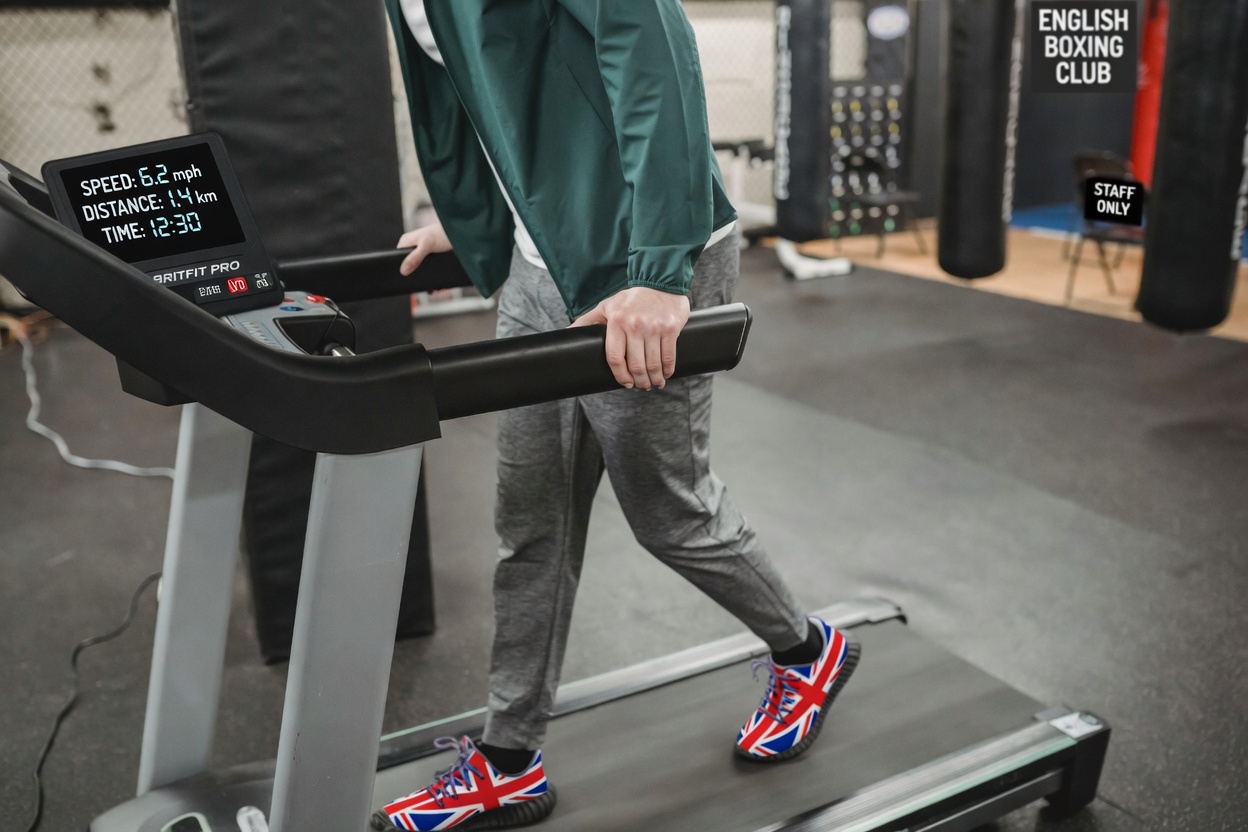
Cardio does not always need to be intense to be effective. Low-impact treadmill workouts can be suitable for all ages and are especially helpful for protecting the knees and hips.
Gentle walking and other easy movements reduce joint stress and lower injury risk. They also support joint lubrication, reduce stiffness, improve hip stability, and help with overall balance. These workouts may also reduce back strain. A slower speed does not mean slower progress. When done regularly, low-impact treadmill sessions can lead to meaningful health improvements.
Final Thoughts
A treadmill makes it easier to stay active no matter the weather. If it is raining or too cold outside, you can still get your workout done. That convenience alone can make it easier to stay consistent.
The treadmill is far more flexible than many people realize. You can begin with beginner-friendly workouts and gradually move toward more challenging sessions using the same machine. Real progress does not require complicated routines. Often, simple workouts are exactly what lead to lasting results.
Consult a healthcare professional before making changes.