Healthy Salty Snacks to Satisfy Cravings Without Too Much Sodium
Craving something salty but still want to make healthy choices? You are not alone. Most people want salty foods from time to time, and enjoying them occasionally can absolutely fit into a balanced diet.
Sodium, a key part of salt, is actually necessary for life. Your body needs it to maintain fluid balance, support nerve signaling, and help organs function properly.
That said, getting too much sodium on a regular basis can be harmful. A high-sodium diet may contribute to elevated blood pressure, which over time can raise the risk of heart disease and stroke.
Many people assume the salt shaker is the main problem, but that is not usually the case. About 70% of the sodium in the average diet comes from packaged foods, processed meals, fast food, and restaurant dishes. Because so much sodium is hidden in everyday foods, it can be surprisingly hard to keep intake in check.
One simple way to take back control is to choose healthy homemade salty snacks more often. With the right ingredients and preparation, you can enjoy satisfying savory snacks without going overboard on sodium.
Salt vs. Sodium: What’s the Difference?
Although the terms are often used interchangeably, salt and sodium are not exactly the same thing.
- Sodium is a mineral found naturally in many foods or added during manufacturing and processing.
- Salt usually means sodium chloride, the crystal form most people use in cooking and at the table.
Salt is made up of about:
- 40% sodium
- 60% chloride
For perspective:
- 1 teaspoon of salt contains about 2,300 mg of sodium
Understanding this difference can help you better read nutrition labels and manage your daily sodium intake.
How Much Sodium Do You Need?
According to the Dietary Guidelines for Americans, adults should aim to keep sodium intake below 2,300 mg per day. That is roughly equal to 1 teaspoon of salt total.
The tricky part is that much of the sodium you eat is already built into food before it reaches your plate.
Sodium occurs naturally in whole foods such as:
- Meat
- Fish
- Milk
- Fruits
- Vegetables
However, most dietary sodium comes from:
- Processed foods
- Packaged snacks
- Restaurant meals
- Fast food
If you want to reduce sodium, one of the best strategies is to eat more whole foods and fewer heavily processed products. This gives you greater control over how much salt is added.
Nutrition labels can also be a helpful tool. In general:
- Low sodium means less than 140 mg per serving
Be careful with serving size, though. A food may be labeled low sodium, but if you eat multiple servings, your sodium intake adds up quickly.
7 Healthy Salty Snacks to Try
If you want flavorful, savory snacks that are also nutrient-dense, these ideas are a great place to start.
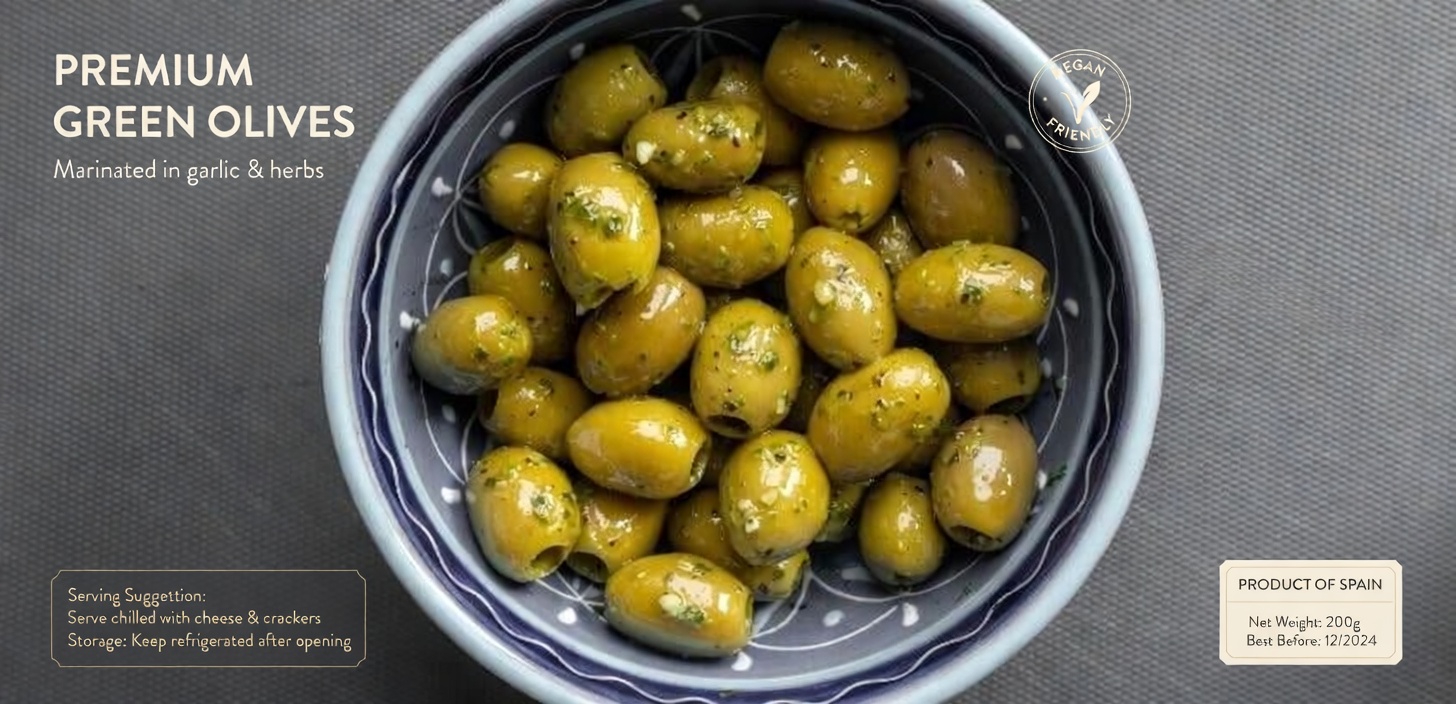
1. Olives
Olives are rich in heart-healthy monounsaturated fats and make a satisfying salty snack. Because they are typically cured, they can be quite high in sodium.
The good news is that many grocery stores carry low-sodium olives. You can lower the sodium a bit more by rinsing them under water before eating.
Just keep portions in mind, since the sodium can rise quickly if you eat more than one serving.
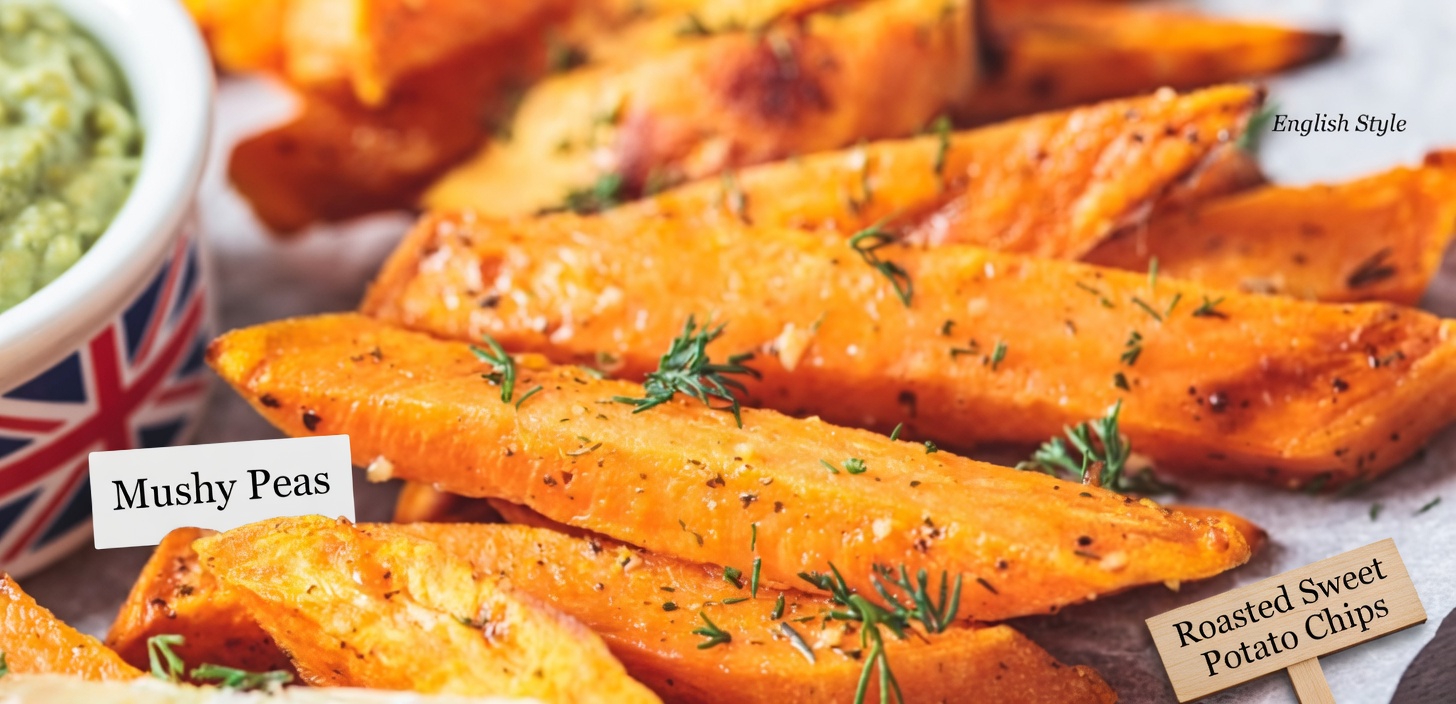
2. Homemade Sweet Potato Fries
Sweet potato fries offer the perfect sweet-and-salty balance. They also provide:
- Beta carotene
- Vitamin C
- Potassium
- Fiber
Ingredients
- 3 large sweet potatoes, peeled and cut into sticks
- 3 tbsp olive oil
- Homemade no-salt seasoning
- Sea salt
No-Salt Seasoning Blend
Mix together:
- 1/2 tsp paprika
- 1/2 tsp garlic powder
- 1/2 tsp black pepper
- Any other salt-free spices you enjoy
Instructions
- Preheat the oven to 400°F.
- Lightly grease 2 large baking sheets.
- Mix the no-salt seasoning in a small bowl.
- Place the sweet potato sticks in a large bowl and toss with olive oil.
- Coat the fries with the seasoning blend and add a light sprinkle of sea salt.
- Spread them evenly on the baking sheets.
- Bake for 15 minutes, flip, then bake for another 10 minutes until crisp.
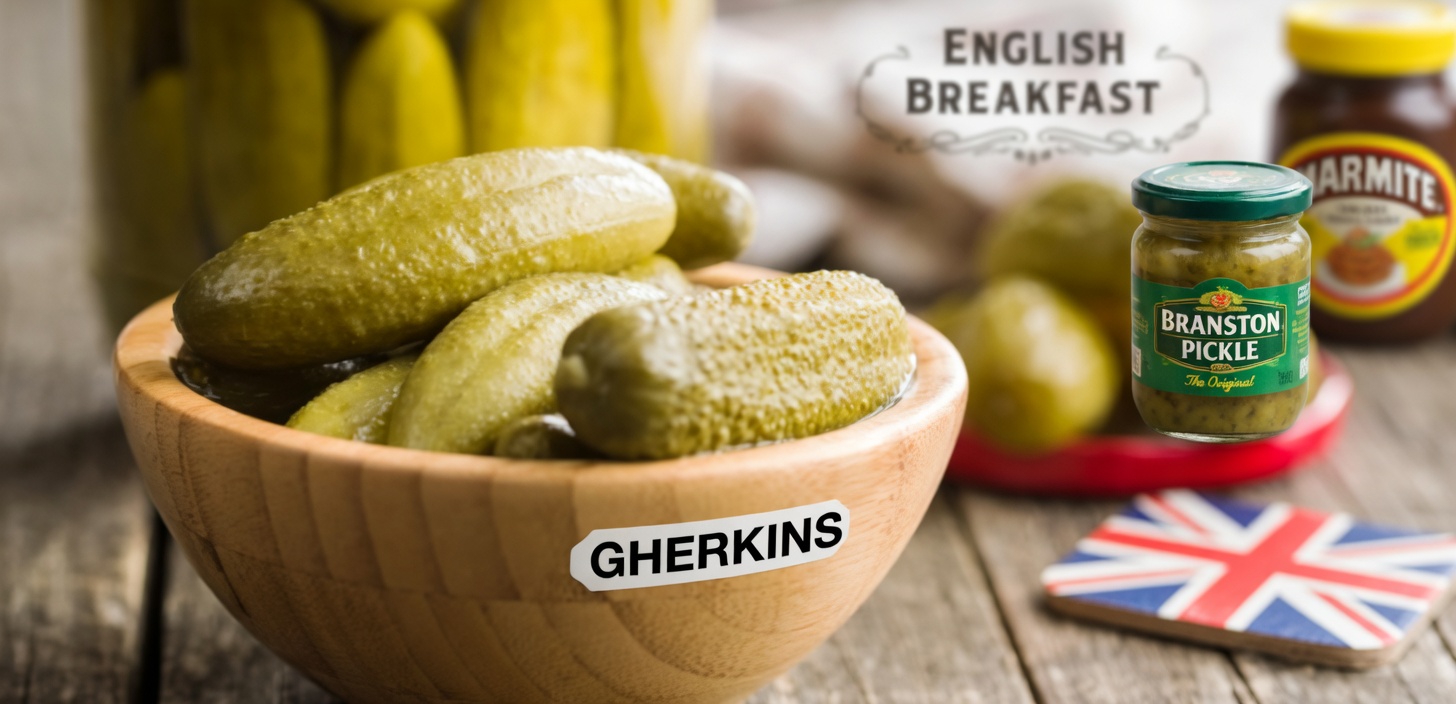
3. Homemade Pickles
If you are trying to cut back on sodium, pickles may seem off-limits. But making your own at home is an easy way to enjoy their tangy, salty flavor with better control over ingredients.
Ingredients
- 2 medium pickling cucumbers
- 3 sprigs fresh dill
- 1/2 tbsp sugar
- 1/2 tsp salt
- 2 garlic cloves
- 1/2 sweet onion, sliced
- 1 cup apple cider vinegar
- 1/2 tsp black pepper
- 1 cup water
- 1/2 tsp turmeric
- 1/2 tsp ground mustard
Instructions
- Slice the cucumbers into spears or rounds.
- Add dill, garlic cloves, and sliced onion to a mason jar.
- Pack the cucumbers into the jar.
- In a saucepan, combine vinegar, water, sugar, salt, black pepper, turmeric, and ground mustard.
- Warm the mixture until the salt and sugar dissolve.
- Remove from heat and let it cool slightly.
- Pour the liquid over the cucumbers until covered.
- If needed, top off with extra vinegar.
- Let cool to room temperature, cover, and refrigerate for 24 hours before eating.
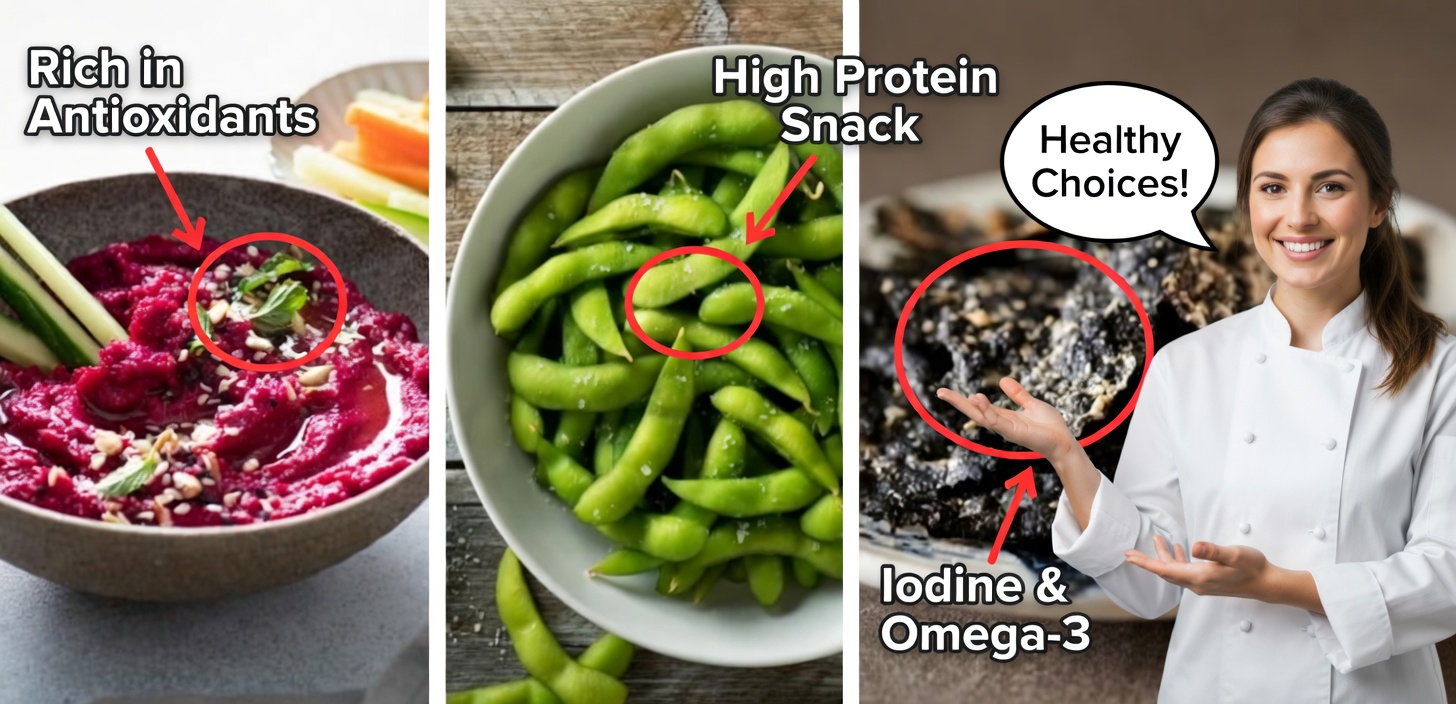
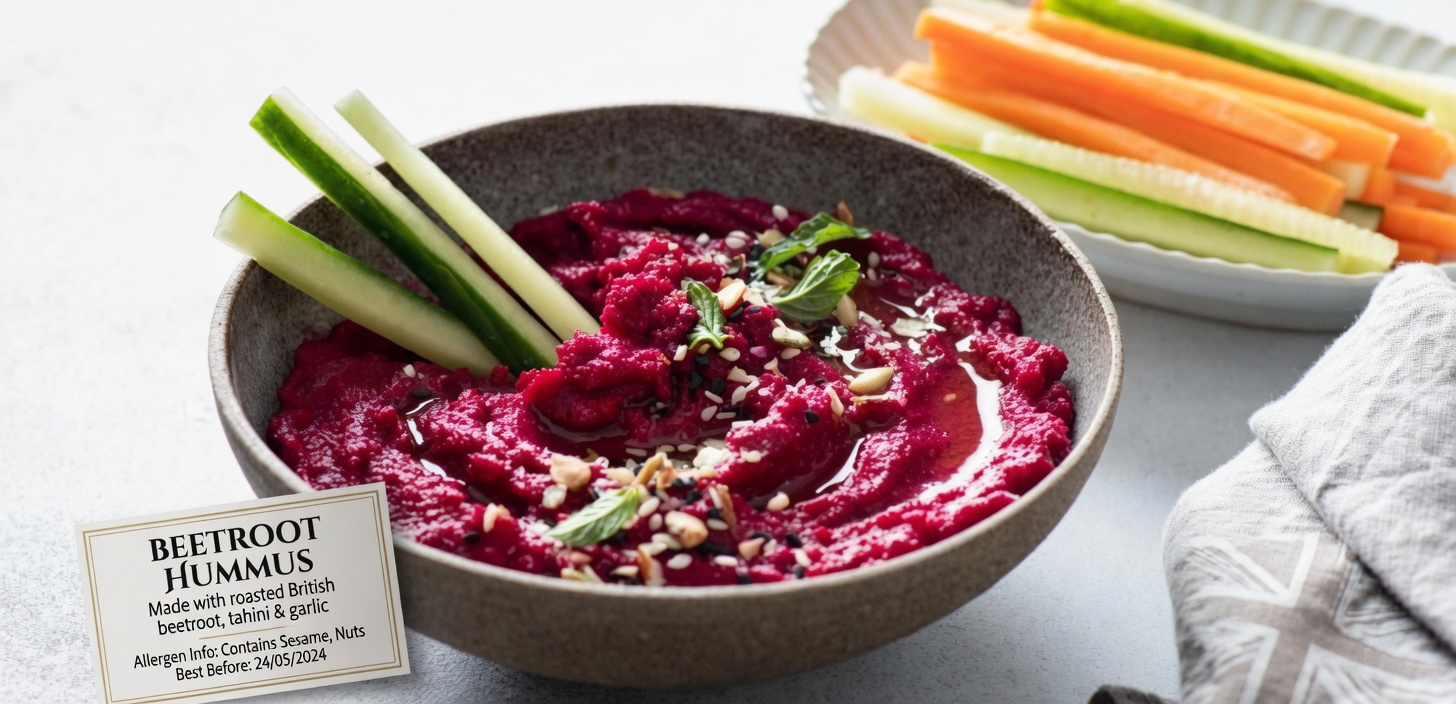
4. Beet Hummus
Beet hummus is a colorful, nutrient-rich snack that delivers:
- Healthy fats
- Plant protein
- Fiber
- Antioxidants
Serve it with fresh vegetables such as:
- Carrot sticks
- Cucumber slices
- Celery
When buying hummus, always check the sodium on the label. A good target is 100 mg of sodium or less per serving. Keep in mind that a standard serving of hummus is usually 2 tablespoons.
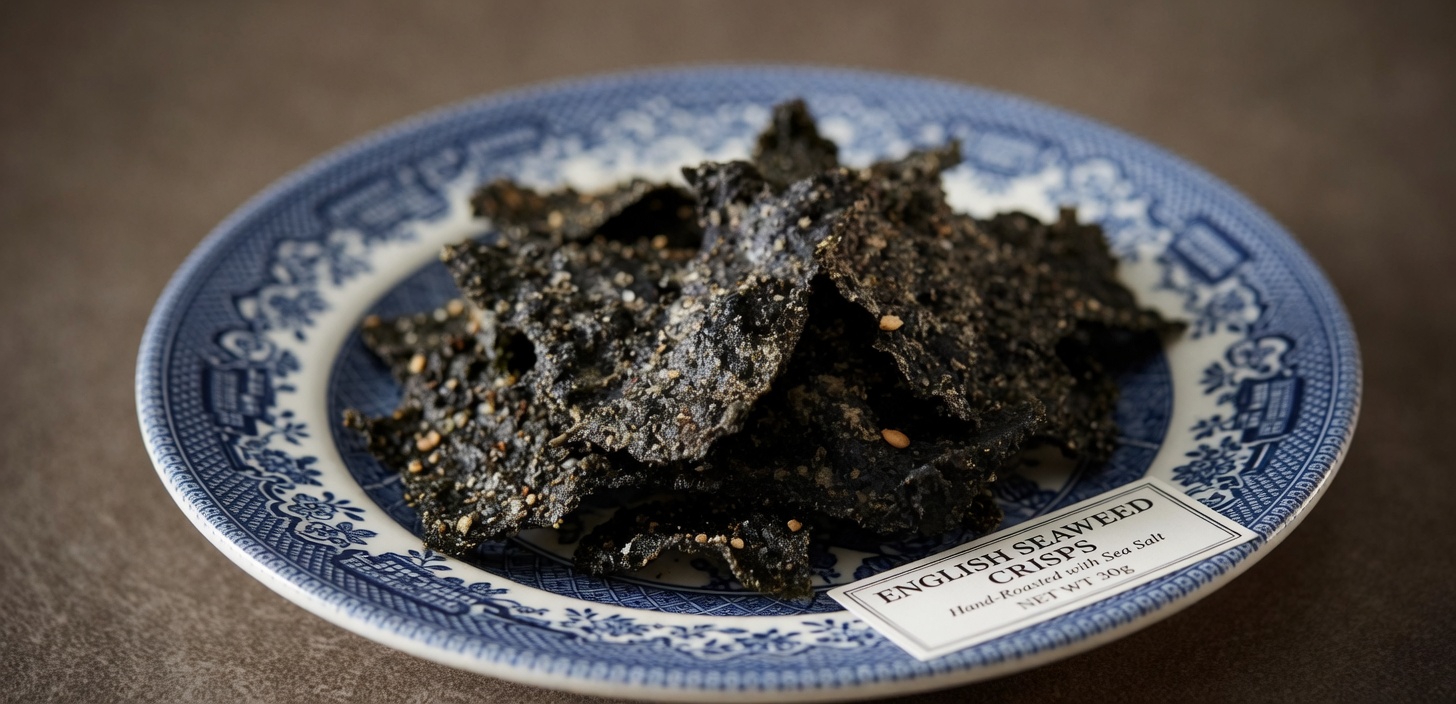
5. Seaweed Snacks
Seaweed snacks are light, crispy, and naturally savory. They are also a good low-calorie option when you want something salty.
Some brands contain as little as 45 mg of sodium per container, but sodium levels vary by product. Always read the packaging before buying.
6. Popcorn
Popcorn can be a healthy salty snack depending on how it is prepared. The best option is homemade air-popped popcorn, since you can decide exactly how much salt to use.
If you want to add flavor without relying on sodium, try seasonings such as:
- Garlic powder
- Paprika
- Cumin
- Ground mustard
- Nutritional yeast
- Rosemary
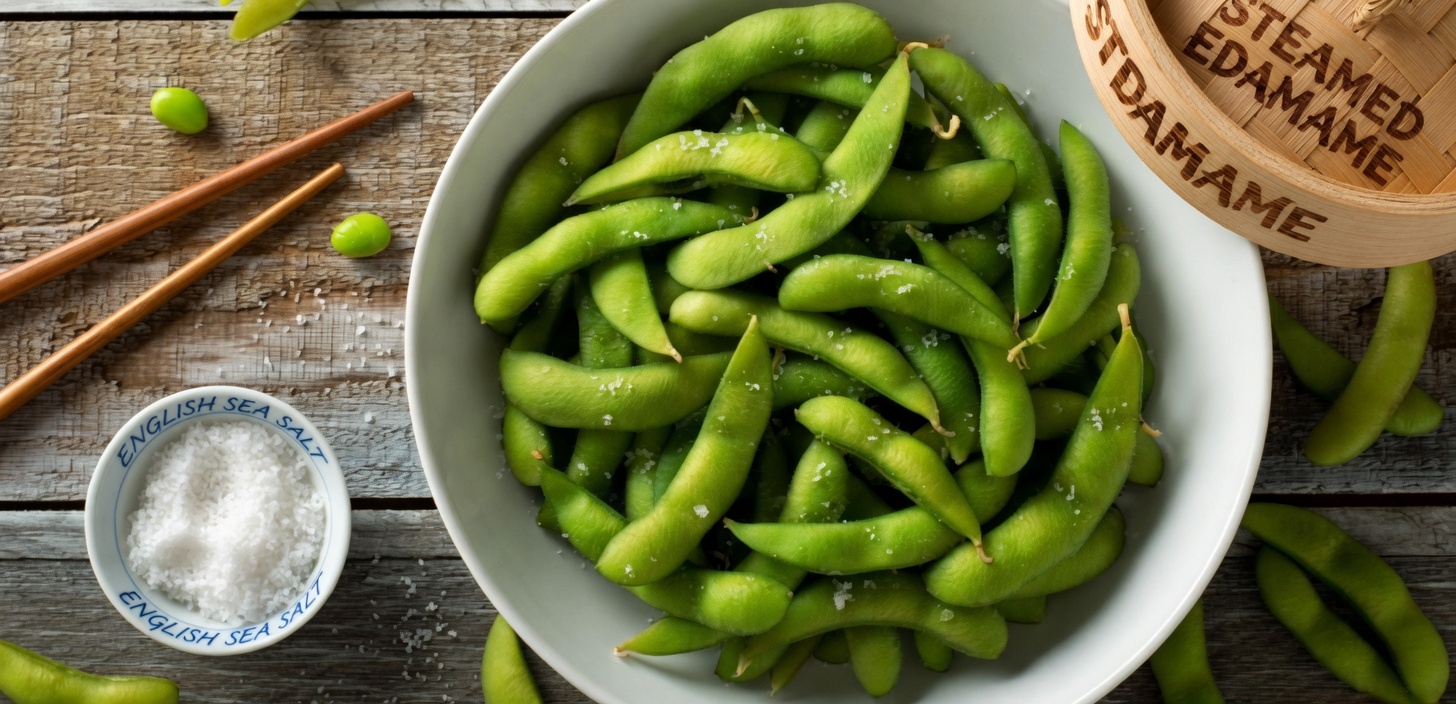
7. Savory Edamame
Edamame is filling, easy to make, and packed with both protein and fiber. It is a great snack when you want something warm and salty.
Ingredients
- 1 lb frozen edamame pods
- 1 tbsp sesame oil
- 2 tsp minced garlic
- 2 tsp minced ginger
- Red pepper flakes, optional
- Sea salt
Instructions
- Cook the edamame according to the package directions, then drain.
- Heat sesame oil in a large skillet.
- Add the cooked edamame and sauté for 3 to 5 minutes until the pods begin to brown slightly.
- Stir in the garlic and ginger.
- Add red pepper flakes if you want some heat.
- Cook over low heat for about 2 minutes.
- Transfer to a bowl, sprinkle lightly with sea salt, cool slightly, and enjoy.

More Healthy Savory Snack Ideas
Looking for even more salty snack inspiration? Try these nutritious options:
- Sprouted grain toast with avocado, sea salt, garlic powder, and onion powder
- Lightly salted nuts such as almonds or cashews
- A cashew and date bar
- Greek yogurt with fruit and nuts
- Low-sodium cottage cheese with sliced apples and nuts
- Dates stuffed with nut butter
- Apple or banana slices with nut butter
- Lightly salted trail mix
- Hard-boiled eggs with sea salt and black pepper
- Sprouted grain toast with peanut butter, banana slices, and chia seeds
Key Takeaway
Sodium is an essential nutrient, but the body only needs it in small amounts. Regularly consuming too much can negatively affect your health, especially when most of that sodium comes from processed foods, takeout, and fast food.
The good news is that there are plenty of healthy salty snacks that can satisfy cravings without sacrificing nutrition or flavor. The secret is planning ahead. Keep simple, wholesome snack ingredients at home so you can make smarter savory choices whenever a salt craving hits.