How to Lose Weight After 60: 7 Smart and Effective Strategies
As the years go by, many everyday tasks can start to feel more challenging than they once did.
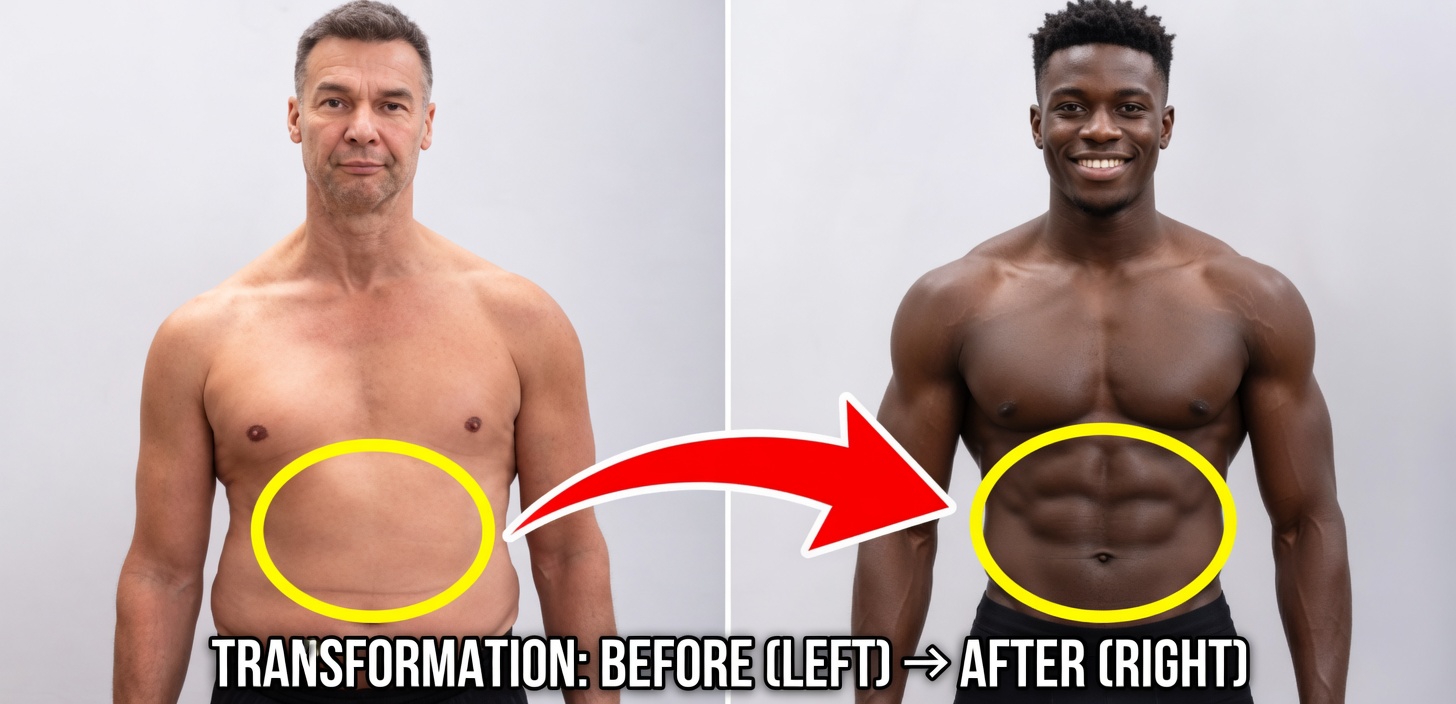
For many adults, weight loss after 60 is one of the toughest goals to achieve. Extra pounds often become more stubborn with age, especially during your 60s and beyond.
The good news is that there are proven, practical ways to support healthy weight loss for seniors. With the right approach, it is absolutely possible to make progress and feel better in your body.
Understanding the Science of Weight Loss
Before exploring the best weight loss tips for older adults, it helps to understand one essential idea: calories in versus calories out.
In simple terms, losing weight requires your body to burn more calories than you consume. If your calorie intake is higher than the amount of energy you use, weight loss will not happen.
As people age, metabolism often slows down. That means the body may burn fewer calories than it did in earlier decades. For adults over 60, this can make weight management more difficult than before.
Still, the calories in, calories out (CICO) principle offers flexibility. There is more than one way to create a calorie deficit.
You might choose to improve your diet by cutting back on certain unhealthy foods, or you may increase the amount of movement and exercise in your weekly routine. In many cases, the most effective plan includes both.
7 Best Weight Loss Tips for People Over 60
1. Increase Your Daily Physical Activity
Being more active throughout the day is one of the simplest ways to support weight loss at any age.
It is important to understand that physical activity is not exactly the same as structured exercise. Physical activity includes all the natural movement you do during the day, even when you are not following a workout plan.
Examples include:
- Walking to the mailbox
- Gardening
- Shopping for groceries
- Taking the stairs
- Doing household chores
These small actions may seem minor, but they can make a meaningful difference over time. Increasing daily movement raises your total energy expenditure and can support steady fat loss.
2. Try HIIT Workouts
High-intensity interval training, or HIIT, can sound intimidating at first, but it does not have to be extreme.
HIIT simply means alternating short periods of harder effort with periods of recovery. The workout can be adjusted to match your current fitness level, making it accessible for many adults over 60.
This style of exercise can help burn a significant number of calories in a relatively short amount of time. It may also improve endurance and overall fitness when done safely and consistently.
If you are new to HIIT, start slowly and choose low-impact options that are easier on the joints.
3. Exercise with a Partner or Group
Staying motivated is often easier when you are not doing it alone.
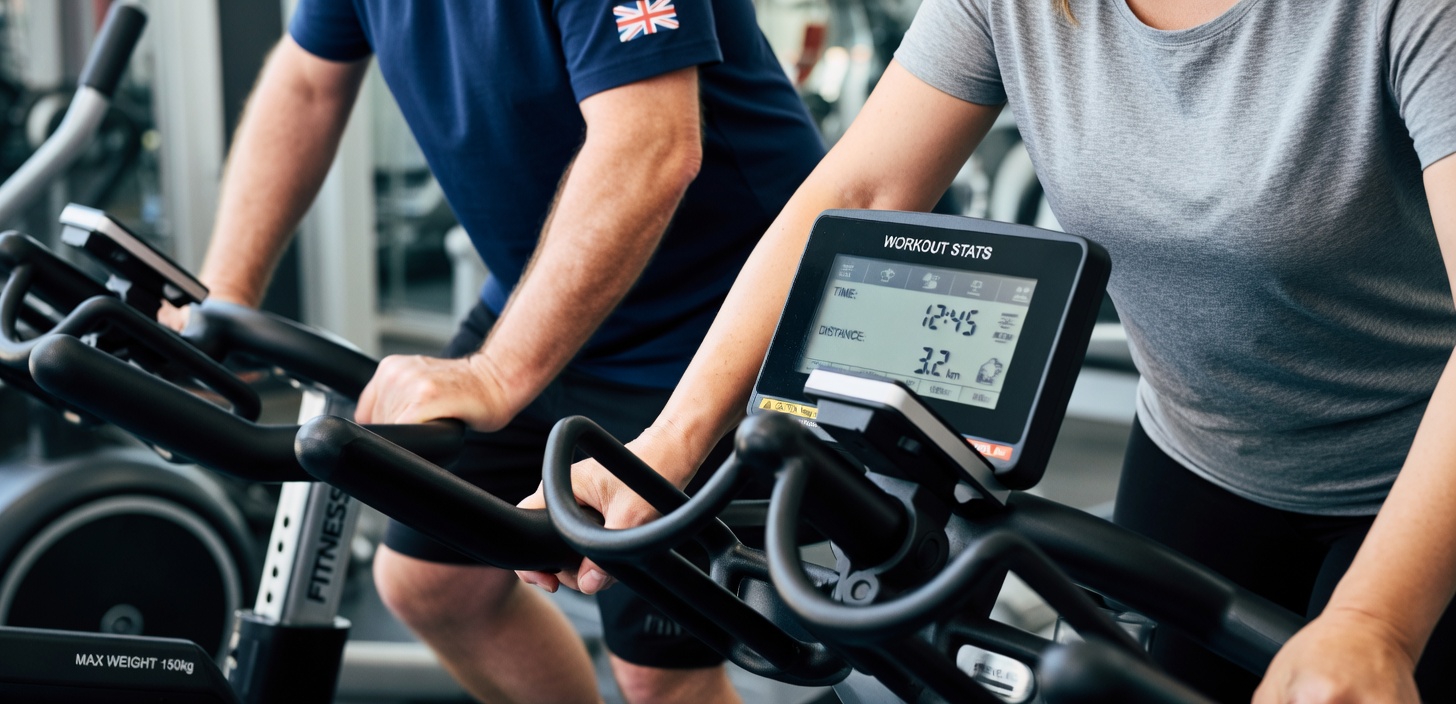
Finding a workout partner, joining a walking group, or taking part in a fitness class can increase accountability and make exercise more enjoyable. When other people are counting on you, it becomes easier to stay consistent.
Social support can also help you stay focused on your goals and make your weight loss journey after 60 feel less overwhelming.
4. Add Explosive or Power-Based Movements
Slow, controlled exercise absolutely has value and should remain part of your routine. However, including some explosive exercises once or twice a week may also be helpful for weight loss.
Power-based movement can come in many forms, depending on your ability and fitness level. These exercises are designed to help the body move with speed and strength, which can increase workout intensity and support calorie burning.
In some cases, power training can even be added to core workouts or functional movement routines. If you are unsure how to begin, it is a good idea to speak with a qualified trainer who can guide you safely.
5. Stay Focused on the Positive
Weight loss can be frustrating, especially when progress feels slower than expected. That is completely normal.
During difficult moments, try to pay attention to the positive changes you are making. If you are exercising regularly and eating better, you are already doing something valuable for your health.
Even if the scale does not move as quickly as you want, consistency matters. Healthy habits often take time to show results, but they do work. Staying committed is far more productive than giving up and returning to old routines.

6. Choose Exercise You Actually Enjoy
Some workouts burn more calories than others, but the best exercise for weight loss is the one you can stick with.
If you dislike a certain activity, it is unlikely to become a lasting part of your lifestyle. Long-term success depends on consistency, so enjoyment matters.
You may prefer activities such as:
- Cycling
- Walking or jogging
- Aerobics
- Jump rope
- Core training
- Circuit workouts
- Yoga
The key is to find a form of movement that feels right for you. When you enjoy your workouts, it becomes much easier to stay active and keep making progress.
7. Track Your Progress
One common reason people stop exercising is that they feel they are not improving. That is why it is so important to keep a record of your results.
Tracking progress can help you notice changes that might otherwise go unnoticed. You can use:
- A fitness app
- A step counter
- A spreadsheet
- A notebook or journal
Monitor milestones such as body weight, workout frequency, steps per day, energy levels, or how your clothes fit. Seeing progress over time can boost motivation and help you stay committed.

Final Thoughts on Weight Loss After 60
Losing weight after 60 can be challenging, but it is far from impossible.
By moving more, trying effective workouts, staying positive, choosing enjoyable activities, and tracking your results, you can build habits that support lasting success.
Start with these seven strategies and see which ones work best for your lifestyle. With patience and consistency, healthy weight loss can happen step by step.