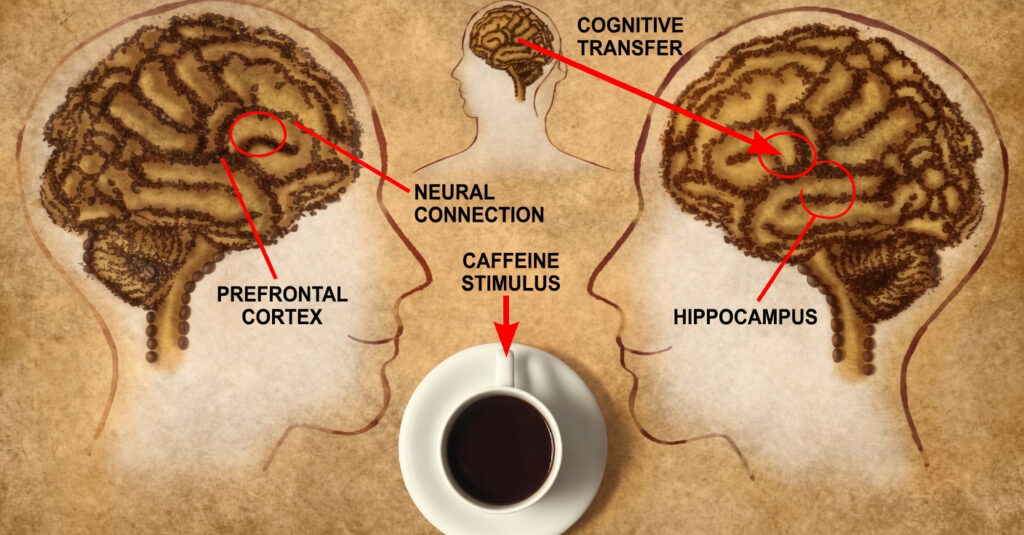
Can Coffee Help Protect Your Brain?
Your everyday coffee routine may be doing more than simply waking you up. While coffee is best known for increasing alertness and energy, research suggests it may also offer important benefits for brain health.
That stimulating effect is one reason why millions of people begin their day with a cup of coffee. In fact, coffee ranks as the world’s third most consumed beverage, behind only water and tea. Beyond its popularity, a growing body of evidence points to the long-term health benefits of drinking coffee in moderation.
Regular coffee intake has been linked to a lower risk of several chronic conditions, including type 2 diabetes. One of its lesser-known advantages is its potential role in supporting the brain.
Harvard-trained psychiatrist and nutrition specialist Dr. Uma Naidoo has explained that moderate coffee consumption may help memory and may reduce the risk of neurodegenerative conditions such as dementia.
She highlighted research showing that men who drank coffee experienced less cognitive decline than those who did not. The strongest benefit was seen in those who consumed about 3 cups per day, while smaller or larger amounts appeared to have weaker effects.
So, what does the broader research say about coffee and brain health? And at what point does coffee become too much?
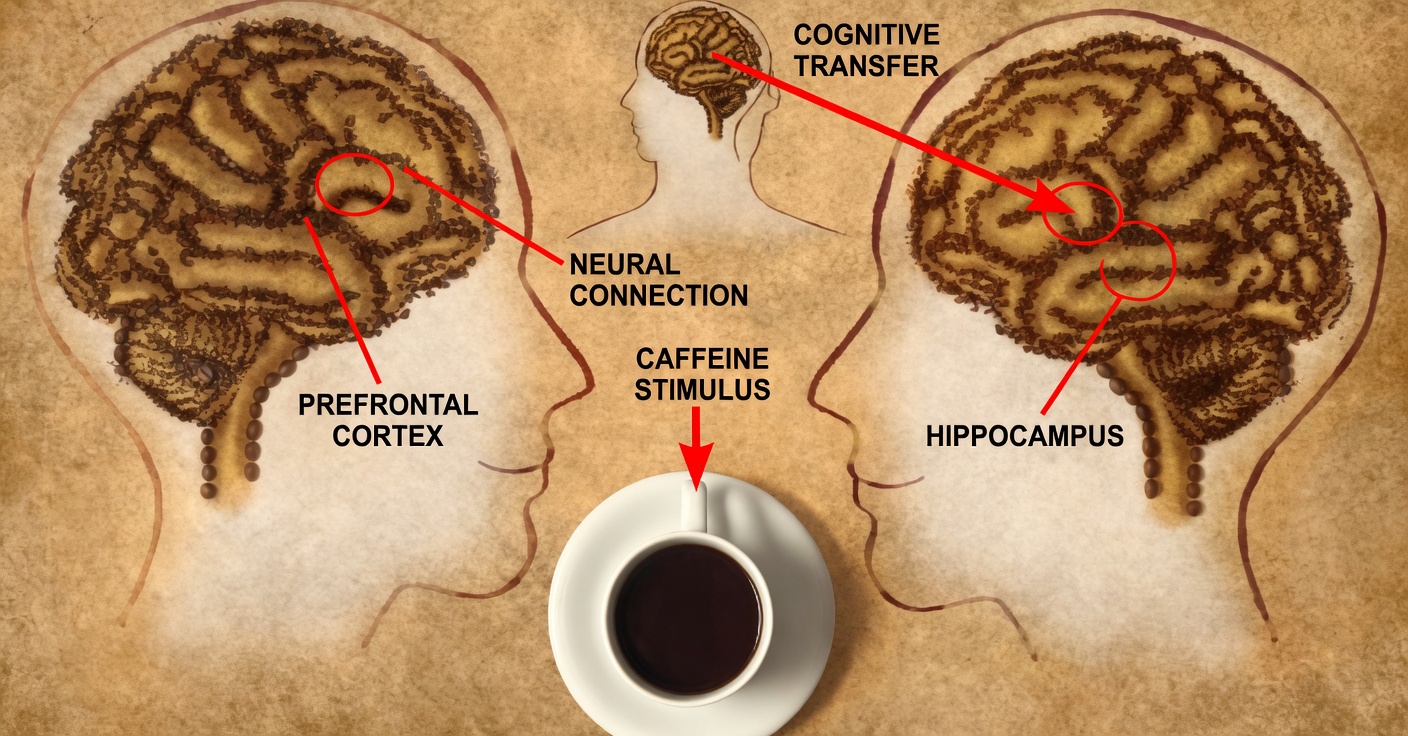
How Many Cups of Coffee May Support Brain Health?
Across the studies discussed below, drinking between 1 and 5 cups of coffee per day was associated with positive effects on the brain.
A large UK cohort study involving 365,682 participants found that people who drank 2 to 3 cups of coffee daily had a lower risk of both stroke and dementia.
A 2020 review of 57 studies reported that consuming 100 to 400 mg of caffeine per day may improve cognitive performance and may lower dementia risk. That amount is roughly equal to 1 to 4 cups of coffee.
Another study of 1,409 people found that those who drank 3 to 5 cups per day had the lowest likelihood of developing dementia.
In addition, a review of 3 major cohort studies found that regular coffee intake of 1 to 5 cups daily was linked to a reduced risk of death related to cardiovascular and neurological diseases.
Research has also shown that regular coffee consumption may slow cognitive decline in older men, with the smallest decline observed in those drinking 3 cups a day.
When Does Coffee Become Too Much?
As with most things, too much coffee may not be beneficial. Excess caffeine can cause unwanted effects such as shakiness, restlessness, and fatigue.
For most healthy adults, up to 400 mg of caffeine per day is generally considered safe. This is equal to about 4 cups of coffee.
However, coffee is not the only source of caffeine. To understand your total intake, you should also consider caffeine from other foods and drinks, including:
- Tea
- Energy drinks
- Chocolate
- Cocoa
- Some soft drinks
Caffeine Tolerance Is Different for Everyone
People respond to caffeine in different ways. Some can drink 3 to 5 cups of coffee without any problem, while others may feel best limiting themselves to just 1 cup.
Reducing caffeine is especially important if it disrupts your sleep or increases feelings of anxiety. Individuals who are very sensitive to caffeine may need to avoid regular coffee entirely.
Unless, of course, they choose decaffeinated coffee.
The following groups should be especially cautious and may need to limit or avoid caffeine:
- Pregnant women
- Breastfeeding women
- Children
- People with heart conditions
- People with other underlying health concerns
If you have a medical condition or any concerns about caffeine, it is best to speak with your doctor about what amount is appropriate for you.
What You Put in Your Coffee Matters
What you add to your coffee can affect whether it remains a healthy habit. Many processed creamers contain high amounts of sugar, calories, and other less desirable ingredients, which may reduce the potential health benefits.
The simplest option is to drink your coffee black.
If black coffee is not your preference, there are several healthier alternatives you can try, such as:
- Cinnamon
- Vanilla extract
- Coconut milk
- Coconut oil
- Cocoa powder
- Collagen powder
- Stevia
Summary
For millions of people worldwide, coffee is part of the daily morning ritual. Although many rely on it for an energy boost, coffee may offer more than just improved alertness. Research increasingly suggests that it may help protect the brain, particularly when it comes to reducing cognitive decline.
Drinking anywhere from 1 to 5 cups of coffee per day has been associated with potential health benefits. For most people, up to 400 mg of caffeine daily, or about 3 to 4 cups of coffee, is considered safe. Around 3 cups per day may be a practical amount for gaining benefits without overdoing caffeine intake.
Still, personal tolerance matters. Too much caffeine can lead to unwanted side effects, especially sleep problems and anxiety. If caffeine affects you negatively, it is wise to reduce intake from all sources. And if you are unsure how coffee fits into your health needs, talk with your doctor.