Tea for Weight Loss: A Simple Swap That Can Cut Calories
Sugary, high-calorie coffee drinks may be quietly undermining your weight loss goals.
A better option may be a comforting cup of tea. Replacing sweetened beverages with unsweetened tea over time can save a significant number of calories and support steady weight management.
Tea is one of the world’s most widely consumed drinks. In fact, it ranks second only to water. For centuries, people across many cultures have valued tea not only for its flavor, but also for its traditional medicinal uses.
Health Benefits of Tea
Tea is linked to a wide range of health benefits. Research suggests that regular tea consumption may help protect against conditions such as:
- Cancer
- Heart disease
- Neurological disorders
Studies also indicate that tea may offer:
- Anti-diabetic effects
- Anti-aging properties
- Antioxidant support
- Anti-inflammatory benefits
Its positive effects may also extend to:
- Metabolism
- Immune health
- Long-term disease prevention
Much of tea’s health-promoting potential is believed to come from its powerful antioxidant compounds. Scientists are still exploring exactly which components are responsible for these benefits.
With all of these advantages, it is natural to ask whether tea can also help with weight loss. The answer appears to be yes.
That said, tea is not a magic solution. Healthy weight loss still depends on a broader lifestyle approach that includes:
- Balanced eating habits
- Regular physical activity
- Good sleep quality
- Proper hydration

The 3 Main Types of Tea for Weight Loss
Tea for weight loss is generally divided into three major categories:
- Non-fermented tea: Green tea
- Semi-fermented tea: Oolong tea
- Fully fermented tea: Black tea
All three come from the same plant, Camellia sinensis. The difference lies in how the leaves are processed, which affects each tea’s:
- Color
- Flavor
- Aroma
- Chemical profile
Although tea can be classified more specifically by fermentation level, these three main groups are the easiest to understand and are the most commonly discussed for weight management.
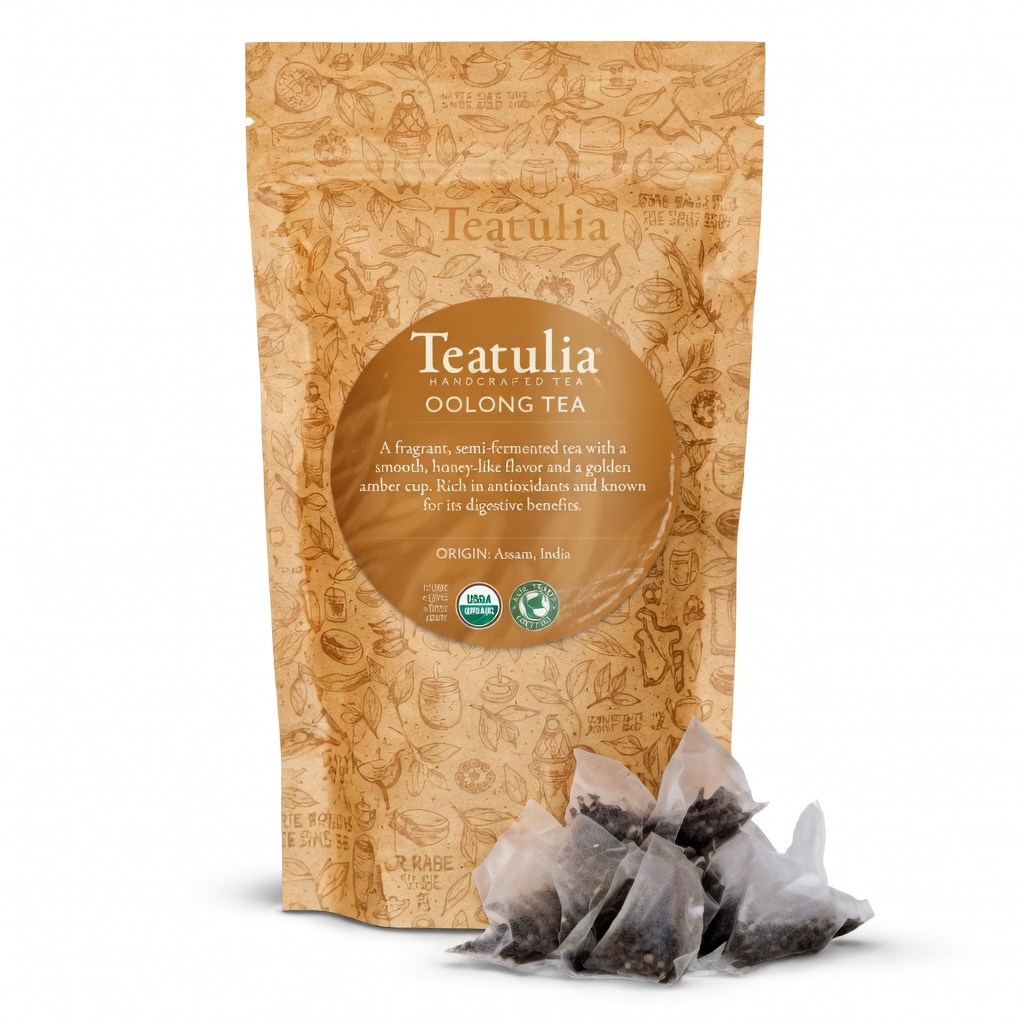
1. Oolong Tea
Oolong tea is a traditional Chinese tea known for its distinct flavor and fragrance. It has gained increasing attention because of its potential role in supporting fat loss.
Researchers suggest that oolong tea may help body weight in several ways. One of the main theories is that it can improve metabolism by increasing fat oxidation, which means the body may become more efficient at using fat as energy.
Some animal research has also found that oolong tea reduced body weight and fat storage, even when subjects were fed a high-fat diet. There is also evidence that it may increase fecal fat excretion, which means more fat leaves the body rather than being absorbed.
2. Green Tea
Green tea is one of the most studied beverages in the world. It is especially well known for its effects on metabolism, body weight, and overall wellness.
Research shows that green tea may support weight loss, although the exact mechanisms are still being investigated. Scientists believe it may help by:
- Regulating appetite
- Reducing food intake
- Increasing carbohydrate metabolism
- Increasing fat metabolism
- Lowering fat absorption
- Reducing fat accumulation
- Increasing fat excretion
Because of these potential effects, green tea is often considered one of the best teas for people trying to lose weight naturally.
3. Black Tea
When people think about tea and weight loss, green tea usually gets the most attention. However, black tea may also play an important role.
Studies suggest black tea may help reduce body weight in two main ways:
- It may slow down fat digestion and absorption, which can reduce overall calorie intake.
- It may encourage fat metabolism while limiting fat storage.
Like green tea and oolong tea, black tea has also been associated with increased fecal fat excretion, which may further support weight control.
How Much Tea Should You Drink?
A good starting point is 1 to 2 cups of tea per day. If you tolerate it well, you may choose to increase your intake to 3 or 4 cups daily.
Tea does contain caffeine, though usually less than coffee. Even so, the caffeine can add up if you drink several cups per day. If you are sensitive to caffeine or trying to reduce your intake, keep this in mind when deciding how much tea to drink.
In general, tea is considered safe for most people. Still, it is wise to speak with your doctor before making major dietary changes, especially if you have an existing health condition.
Extra caution is important if you have:
- Heart disease
- Liver problems
- Kidney disease
- Blood-related disorders
Pregnant and breastfeeding women should also limit caffeinated drinks.
Another point to remember is that the tannins in tea can reduce iron absorption. If you have low iron levels, it may be better to drink tea between meals rather than with food.
Experts also warn against using green tea extract supplements, as concentrated forms may have toxic effects on the liver.
How Much Caffeine Is in Tea?
Green, black, and oolong tea all come from the Camellia sinensis plant, so they naturally contain caffeine.
Typical caffeine levels per cup are:
- Black tea: about 40 to 80 mg
- Green tea: about 30 to 50 mg
- Oolong tea: about 30 to 50 mg
By comparison, coffee often contains around 100 to 200 mg per cup, making tea a lower-caffeine choice for many people.
What About Herbal Tea?
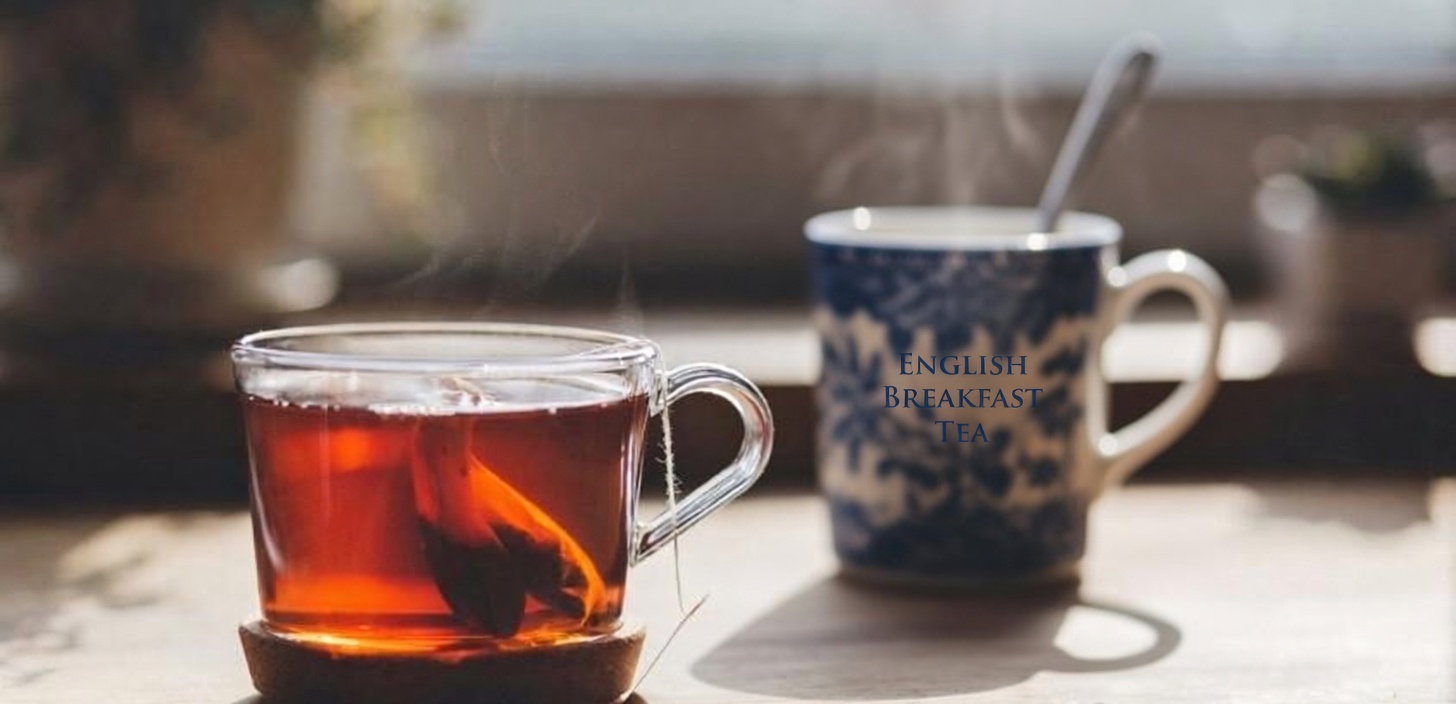
If you want to avoid caffeine, herbal teas are another option. These are not considered “true” teas because they are not made from the Camellia sinensis plant.
Instead, herbal teas are prepared from other plant parts such as:
- Leaves
- Roots
- Stems
- Fruits
- Buds
- Flowers
Popular caffeine-free herbal options include:
- Chamomile
- Ginger
- Mint
- Lemongrass
Always check the label to confirm that the product is truly caffeine-free.
Summary
Tea is one of the most popular drinks in the world and has a long history of traditional medicinal use. Today, it is also widely recognized for its potential role in supporting metabolism and healthy weight loss.
While tea alone will not cause dramatic fat loss, it can be a helpful part of a healthy lifestyle. Replacing high-sugar, high-calorie drinks with unsweetened tea may lower your total calorie intake and make it easier to lose weight over time.
As an added benefit, tea may also provide valuable antioxidant and protective health effects, making it a smart everyday beverage choice.