Knee Pain: A Common Problem That Affects Millions
Knee pain is one of the most frequent musculoskeletal complaints worldwide, impacting people of all ages and activity levels. Each year, about 23% of people report experiencing some form of knee discomfort.
The good news is that, in many cases, a few well-chosen exercises can help reduce knee pain and may even lower the risk of future problems.

Why Is Knee Pain So Common?
There is no single cause of knee pain. It can develop for many different reasons, including:
- Injury or trauma
- Rheumatoid arthritis
- Obesity
- Systemic disease
- Osteoarthritis, often described as joint “wear and tear”
Some of these causes require closer medical attention. For example, people with knee pain related to trauma or rheumatoid arthritis are often best served by consulting a doctor or physical therapist.
However, many people experience knee pain because of gradual joint stress and degeneration over time. In these cases, one of the most effective ways to support knee health is to improve strength and flexibility through regular exercise.
How Exercise Supports Knee Health
When the muscles around a joint are weak or tight, the joint itself often becomes stiff, irritated, and painful. On the other hand, when those muscles are strong and mobile, the joint usually functions better as well.
Exercise helps by increasing circulation throughout the body. Better blood flow delivers important nutrients to muscles and other tissues, which supports healing, improves tissue quality, and may reduce discomfort.
Strong muscles also play a major protective role. During daily activities such as walking, running, jumping, or climbing stairs, your muscles absorb much of the force placed on your legs. If those muscles are weak, the knees may end up handling more stress than they should.
In short, exercise can help by:
- Building strength in the muscles that support the knees
- Improving flexibility and movement quality
- Boosting blood flow and tissue recovery
- Reducing the load placed directly on the knee joints
When combined with regular cardiovascular activity, the following lower-body exercises can be a great way to maintain healthier knees.
5 Best Exercises for Stronger, Healthier Knees
There is no universal solution for knee pain. Every person’s symptoms, movement patterns, and physical condition are different.
If your knee pain is severe, persistent, or has not been evaluated by a healthcare professional, it is best to seek medical advice before starting a new exercise program.
If your pain is relatively mild—around less than 4 out of 10 on a pain scale—these exercises may be a helpful place to start.
As you perform each movement:
- Move slowly and with control
- Focus on good technique
- Avoid rushing through repetitions
- Expect the exercises to feel easier as strength improves
Recommended Training Volume
Unless otherwise noted, perform these exercises with the following guidelines:
- 10–12 repetitions per set
- 3–5 sets per workout
- 2–3 workouts per week
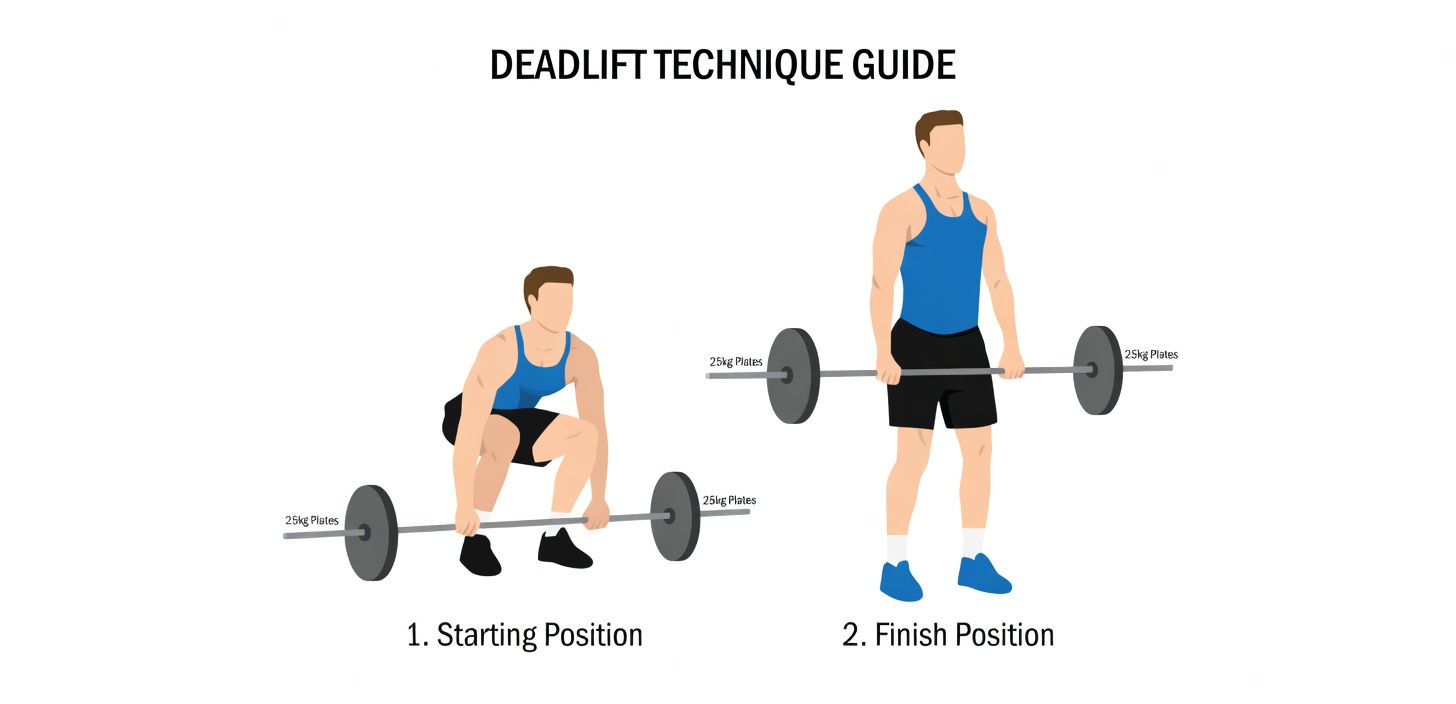
1. Conventional Deadlift
The conventional deadlift is an excellent movement for developing total lower-body strength. While there are several deadlift variations—such as Romanian, sumo, and hex bar deadlifts—the conventional version is a strong option for improving lower-body power and supporting the knees.
Target muscles:
- Glutes
- Hamstrings
- Quadriceps
How to Do It
- Grip the barbell using either a mixed grip or both palms facing backward.
- Bend your knees slightly while keeping your spine neutral and back straight.
- Stand up by driving through your legs and forcefully contracting your glutes and hamstrings.
- Lower the bar back to the ground slowly and under control.
The main focus of this exercise should be strong engagement through the posterior chain, especially the glutes and hamstrings.
2. Lateral Tap Downs
Lateral tap downs often look easy at first glance, but they quickly become challenging when performed with proper form. This exercise is especially useful for building strength in the quadriceps and hip stabilizers, both of which play an important role in knee control.
If you are new to this movement, start with a low step. A higher step increases the difficulty.
Target muscles:
- Quadriceps
- Hip abductors
- Glutes
How to Do It
- Stand on a raised surface with all of your weight on one leg.
- Let the opposite leg hang off the side.
- Slowly lower the hanging leg toward the floor without allowing your hips to shift or drop.
- Lightly tap the ground with your heel.
- Push back up to the starting position.
- Complete all repetitions on one side before switching legs.
Common Mistakes to Avoid
- Moving too quickly
- Stepping all the way down and losing tension in the working leg
- Letting the hips drop toward the hanging side
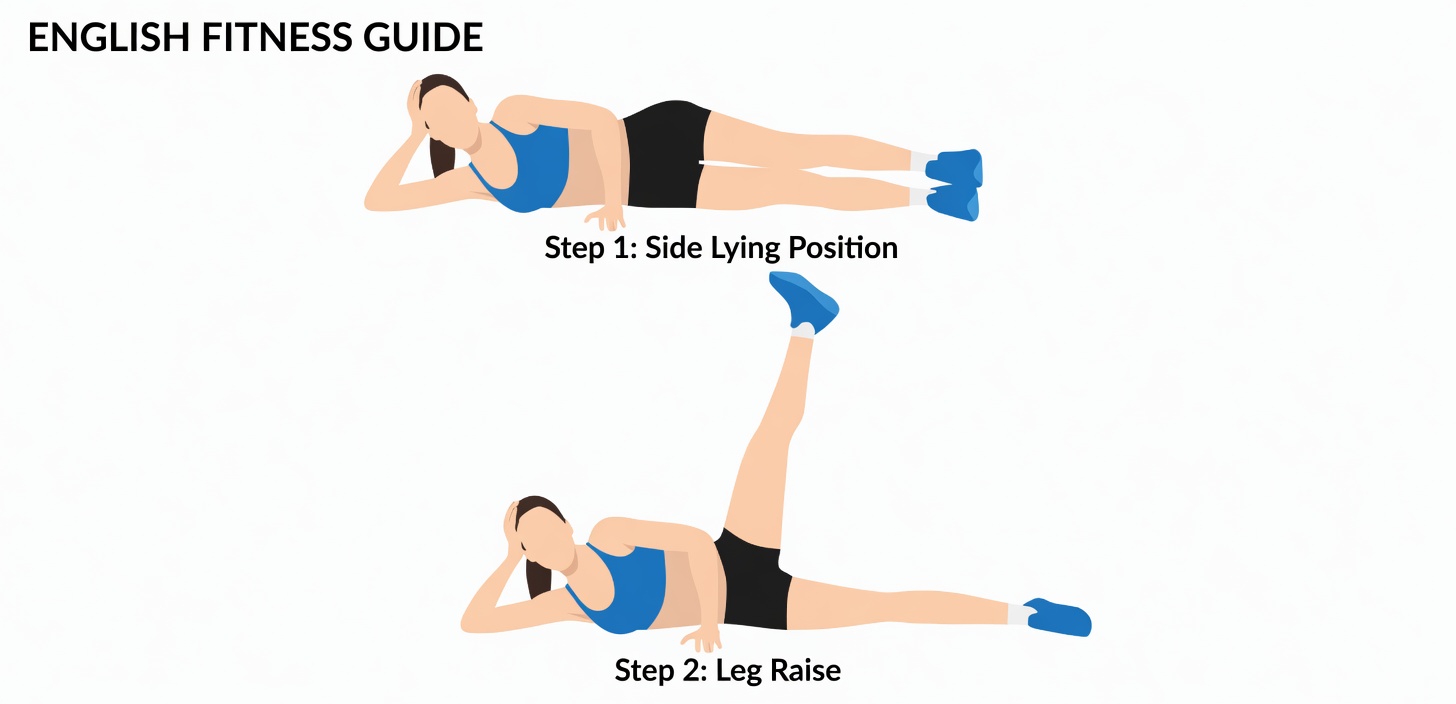
3. Side-Lying Straight Leg Raise
Although this movement does not directly target the knee joint, it strengthens the hip abductor muscles, which are essential for controlling side-to-side knee stability. Strong hips often contribute to better knee mechanics.
You should feel this exercise working along the outer hip.
Target muscles:
- Gluteus medius
- Gluteus minimus
- Gluteus maximus
How to Do It
- Lie on your right side with your hips stacked and aligned.
- Raise your left leg upward a small amount while keeping the leg straight and avoiding rotation.
- Lower the leg slowly back down.
- Repeat the same movement on the other side.
Focus on smooth, controlled motion rather than lifting the leg as high as possible.
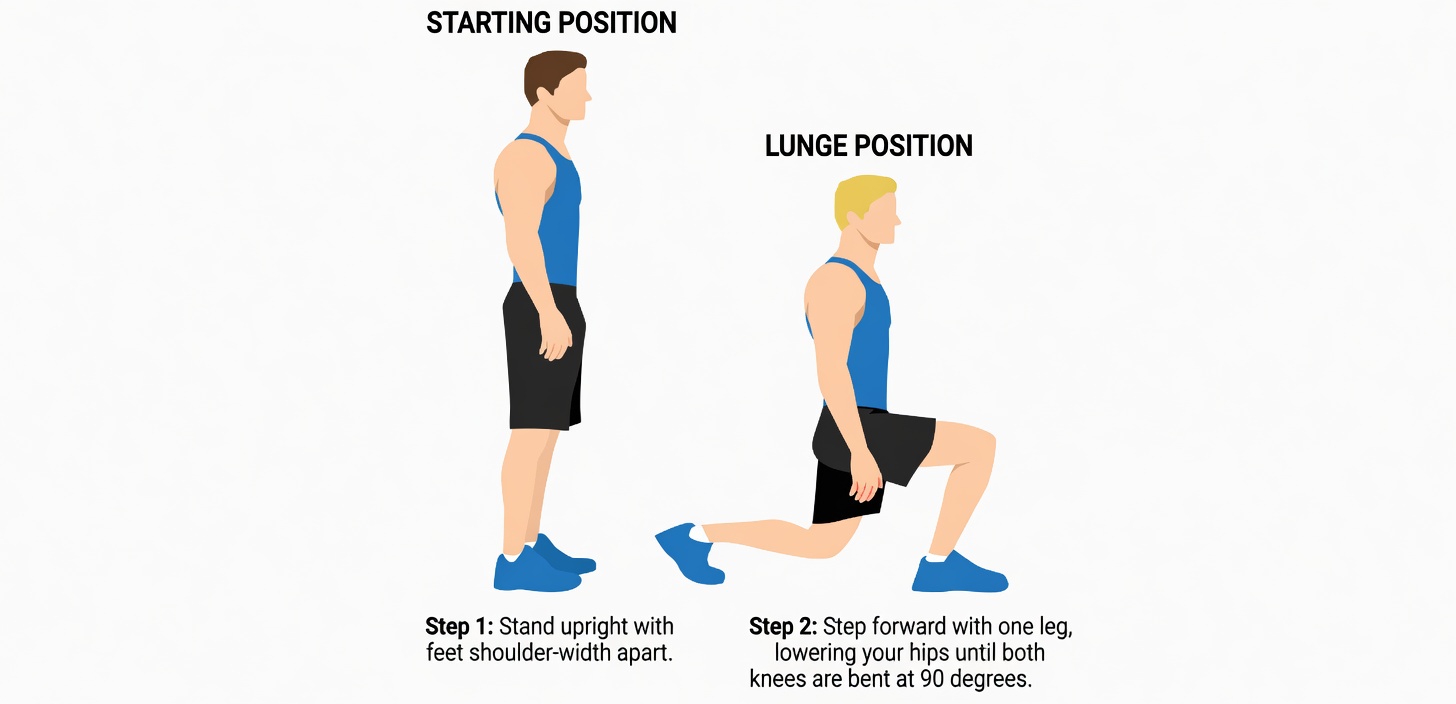
4. Isometric Lunges
Lunges are a staple in many fitness and rehabilitation routines. They can be performed dynamically, with repeated up-and-down movement, or isometrically, where you hold the position for a period of time.
For knee support and lower-body endurance, the isometric version can be especially effective.
Target muscles:
- Glutes
- Quadriceps
- Hamstrings
- Calves
- Core stabilizers
How to Do It
- Step one foot forward so your stance is split.
- Bend the front knee and lower the back knee until it hovers about one inch above the floor.
- Hold this position for 30–40 seconds.
- Return to standing.
- Repeat for 10–12 reps per leg.
Sets
- Perform 1–2 sets of this exercise
This movement challenges both strength and control, especially in the front leg.
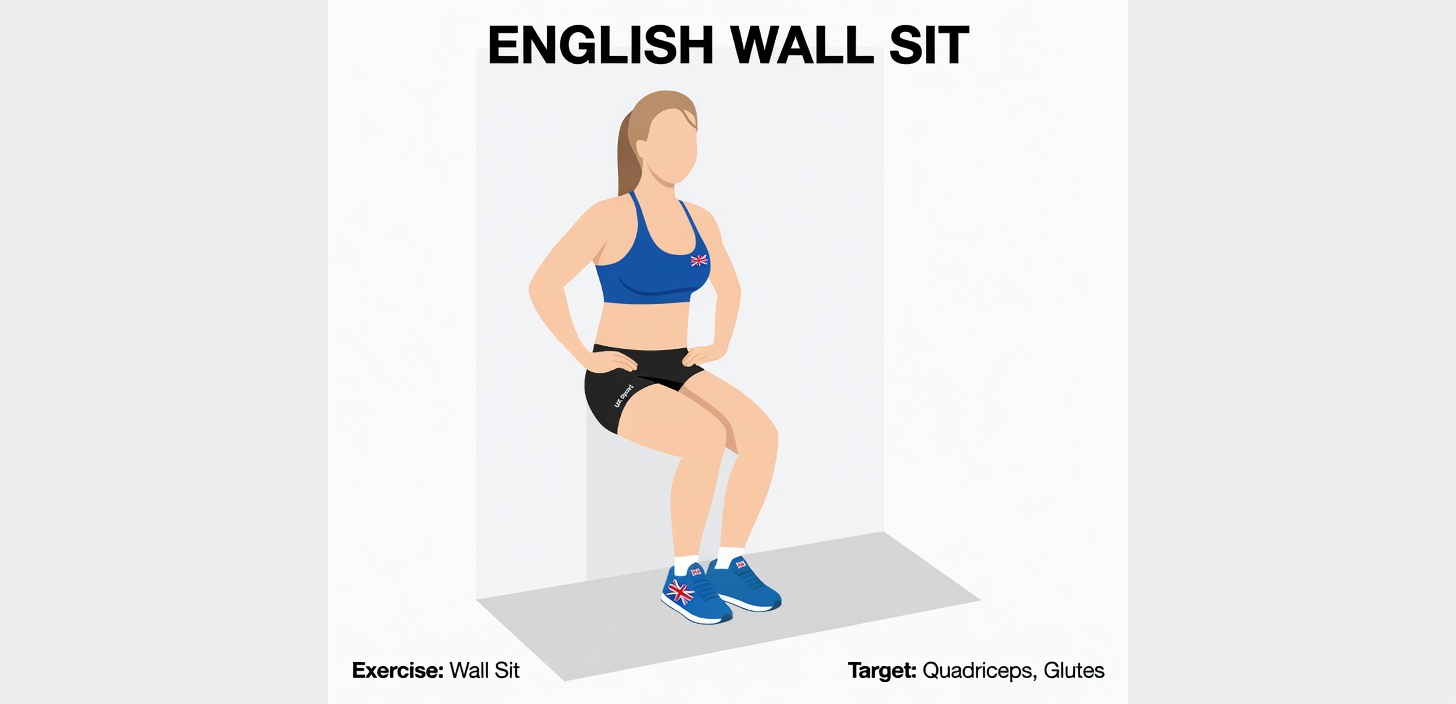
5. Wall Sits
Wall sits are a classic lower-body exercise that many people remember from school sports or gym class. Despite their simplicity, they are highly effective for building quadriceps endurance and improving tolerance to sustained knee-bending positions.
Like lunges, wall sits can be done dynamically or isometrically. Here, the isometric version is the focus.
Target muscles:
- Quadriceps primarily
How to Do It
- Stand with your back against a wall.
- Place your feet about hip-width apart.
- Slide down into a squat until your knees are at about a 90-degree angle, keeping your full back in contact with the wall.
- Hold the position for 30–60 seconds, or longer if able.
- Repeat for 10–12 reps.
Sets
- Perform 1–2 sets
This exercise is simple, but it can be very demanding when done correctly.
Final Thoughts on Exercise for Knee Pain
Knee pain sends countless people to orthopedic clinics and healthcare providers every year. In some situations, professional guidance from a doctor or physical therapist is absolutely necessary.
Still, many cases of mild knee pain can improve with consistent, well-executed exercise. Strengthening the muscles of the hips and legs, improving movement quality, and increasing stability can all make a meaningful difference.
If you want to support your knee health naturally, these five exercises for knee pain relief and prevention are a great place to begin. Try them consistently, pay attention to your form, and see how your knees respond.