Sweet Ways to Enjoy Dessert Without Spiking Blood Sugar
Living without a dessert to look forward to can feel restrictive. But if you have blood sugar concerns, that does not mean you need to give up sweet foods entirely. A balanced approach can still leave room for enjoyable treats.
Today, there are several sugar substitutes and naturally sweet options designed to reduce the impact on blood glucose. When used wisely, these alternatives can help you enjoy desserts with less concern about sudden sugar spikes.
1. Stevia: A Natural Zero-Calorie Sweetener
Not every sweetener is artificial. Some come directly from plants, and stevia is one of the best-known examples. It is derived from the stevia plant and offers sweetness without adding calories.
One of stevia’s main advantages is that it does not significantly affect blood glucose levels or trigger insulin release. This makes it a popular option for people managing diabetes or insulin resistance. Since stevia is far sweeter than regular sugar, only a very small amount is needed.

2. Monk Fruit Sweetener
Fruit-based sweetness is nothing new, so it makes sense that some sugar alternatives are developed from naturally sweet fruits. Monk fruit sweetener comes from the luo han guo fruit and contains zero calories.
Its sweetness is produced by compounds called mogrosides, which do not raise blood sugar or insulin levels in the same way regular sugar does. Monk fruit is a practical choice for:
- Baking
- Cooking
- Sweetening drinks
- Everyday sugar replacement
The goal is not to eliminate sweetness from your life, but to choose better options and use them thoughtfully.

3. Dark Chocolate in Moderation
If you want something rich and satisfying, dark chocolate can be a better dessert choice than many sugary snacks. Varieties with 70% cocoa or more usually contain less sugar than standard milk chocolate and provide antioxidants that may support heart health.
Because it has a lower sugar content, dark chocolate tends to have a gentler effect on blood sugar when eaten in small portions. It can also help curb cravings, which may reduce the urge to overeat other sweets.
A few tips to keep it blood-sugar friendly:
- Choose dark chocolate with at least 70% cocoa
- Check the label for added sugars
- Keep portions small
- Enjoy it after a meal for better balance
A small piece can be enough to satisfy your sweet tooth without causing a major glucose spike.

4. Fruit: A Naturally Sweet Dessert Option
When you want something sweet without relying on sweeteners, whole fruit is always a smart choice. Fruit contains natural sugar, but it also provides fiber, which slows sugar absorption and helps reduce rapid blood sugar increases.
Not all fruits have the same sugar content. In general, berries are among the best options because they are lower in sugar than many other fruits. They also offer vitamins, antioxidants, and digestive benefits.
Fruit stands out as one of the healthiest desserts because it supports:
- Gut health
- Metabolic health
- Better digestion
- Natural energy
Compared with heavily processed desserts, whole fruit offers sweetness along with real nutritional value.

The Pros and Cons of Artificial Sweeteners
Modern food technology has made many artificial sweeteners widely available. These products are designed to provide sweetness without directly increasing blood sugar, and their low or zero-calorie content can also support weight management.
Still, moderation matters. Even though artificial sweeteners can be useful, they are not perfect. In some people, they may increase cravings for sweet foods, which can make appetite control more difficult over time.
Before choosing one, it is important to understand how each sweetener works. Different products affect the body in different ways, so what works well for one person may not be the best option for another.
How to Choose the Best Sugar Alternative
With so many options on the market, selecting the right sugar substitute can feel confusing. The good news is that several alternatives can work well, especially when chosen based on your needs and preferences.
When comparing sweeteners, keep these points in mind:
- Read the ingredient label carefully
- Look for zero-glycemic options
- Research their potential effects on gut health
- Think about how you plan to use them
Some sweeteners are better suited for baking and cooking, while others may lose their flavor or sweetness when exposed to high temperatures. Choosing the right one depends not only on blood sugar impact, but also on how you plan to use it in daily life.
Final Thoughts
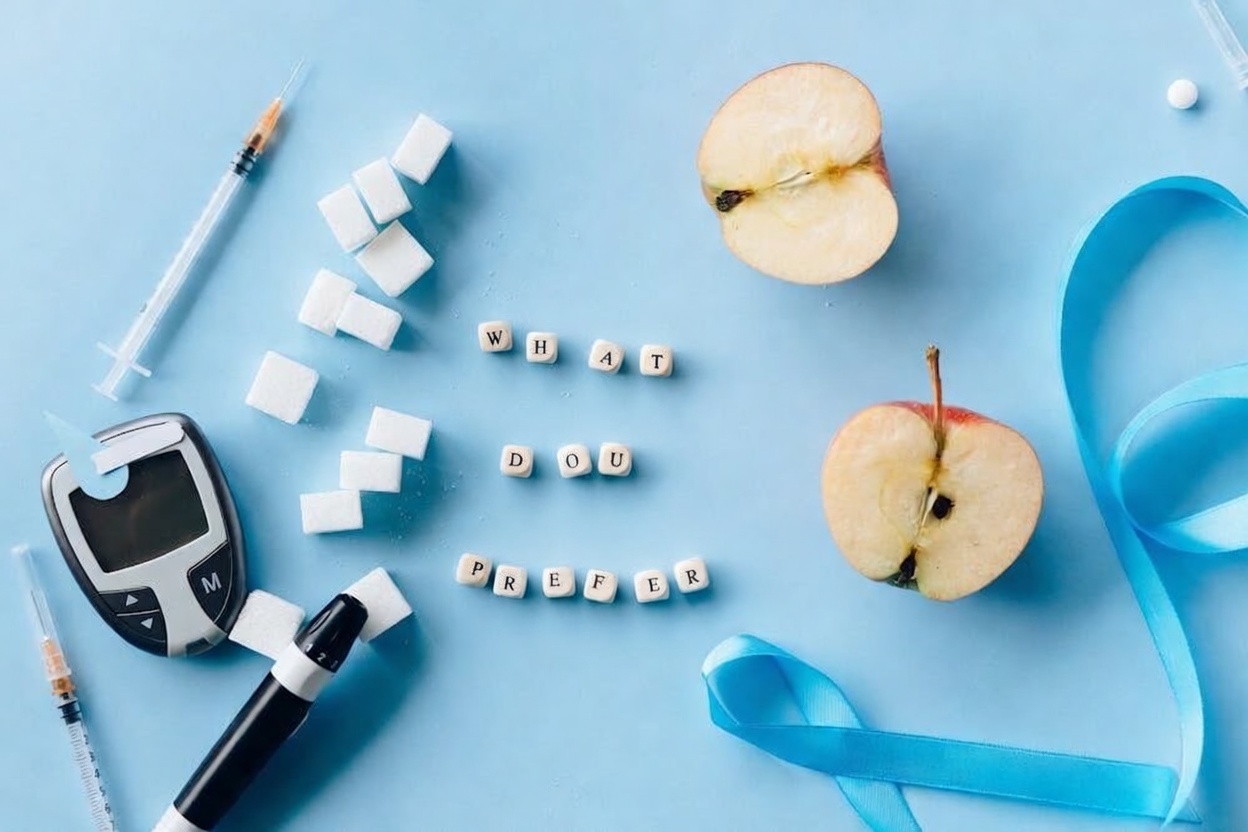
Giving these alternatives a try is far better than feeling like sweets are completely off-limits. They can help you enjoy dessert from time to time while still supporting better blood sugar control. Since many foods in the kitchen already contain hidden sugar, replacing some of them with smarter options can be a positive step.
That said, sugar substitutes should not be seen as a long-term excuse to keep eating large amounts of sweet foods. Even artificial sweeteners may come with downsides if used too often. The healthiest strategy is to gradually reduce your overall dependence on sweetness.
Use these alternatives occasionally and mindfully. And when it comes to fruit, feel free to make it a regular part of your routine—it remains one of the best naturally sweet choices available.