
Menopause Can Feel Overwhelming, but Movement Can Help
Almost every woman experiences menopause at some point, yet many people still do not talk about it openly. This stage of life can bring both physical and emotional symptoms that are difficult to manage. It can sometimes seem like you simply have to put up with the changes in silence. The good news is that certain lifestyle habits and beginner-friendly exercises can make this time feel more manageable.
Why Menopause Changes the Way Your Body Feels
A natural decline in estrogen during menopause affects several important parts of the body. It can impact:
- Muscle mass
- Bone density
- Metabolism
- Recovery
Because of this, strength can decrease more quickly if you are not exercising regularly. Menopause can also bring stiffness, body aches, stress, mood changes, and low energy. The right kinds of workouts can support both your body and your mind during this transition.
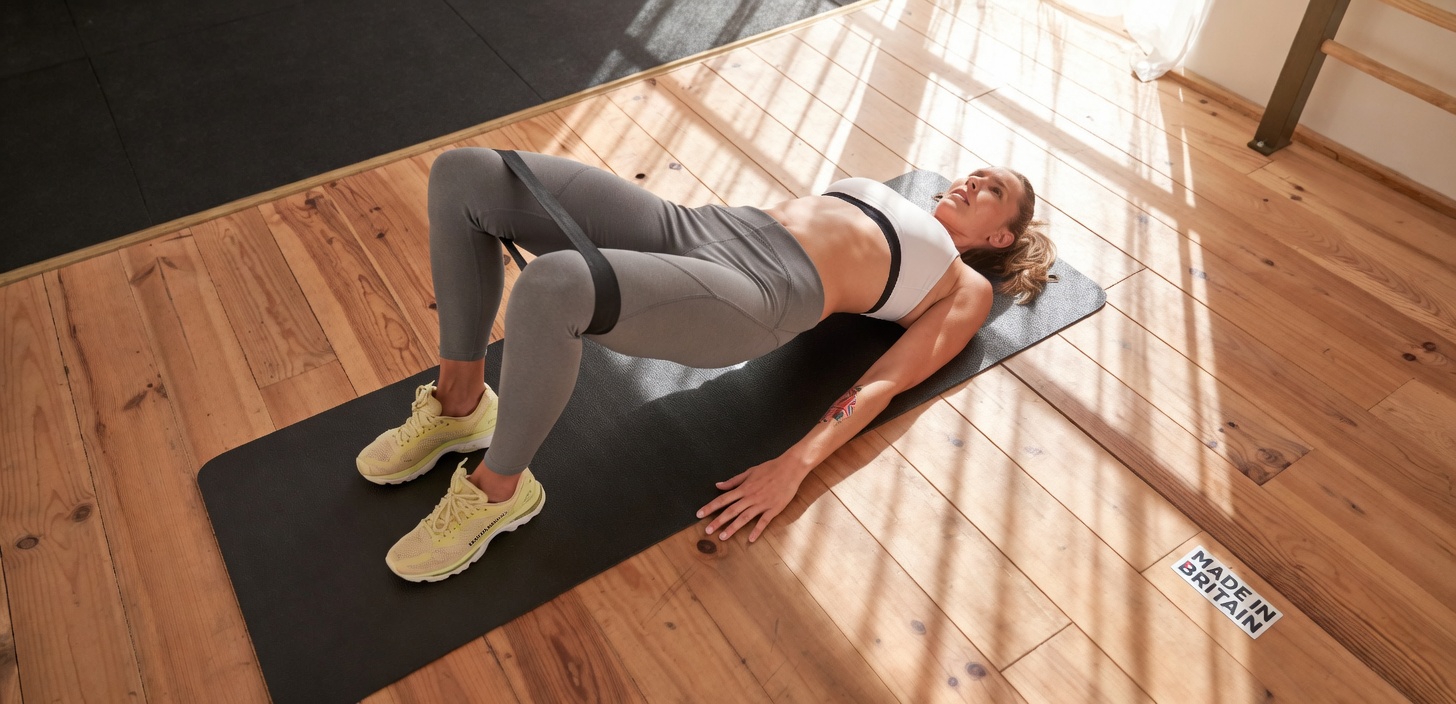
The Best Approach: Consistent, Supportive Exercise
Menopause workouts do not need to be extreme. What matters most is consistency, not intensity. Regular movement helps your body adapt to these changes and can help you feel stronger in everyday life while supporting long-term health.
1. Strength Training to Support Muscle and Bone Health
Since menopause can lead to faster muscle loss, strength training becomes especially valuable. It can help slow that natural loss while also supporting:
- Bone density
- Joint health
- Posture
For women dealing with stiffness and body aches, strength work may also bring relief.
You do not need anything complicated to notice benefits. Simple exercises such as:
- Squats
- Rows
- Presses
- Hinges
can make everyday movement feel easier. You can use dumbbells, resistance bands, or just your bodyweight. Even if these exercises seem a little intimidating at first, doing them twice a week can be enough to see results.
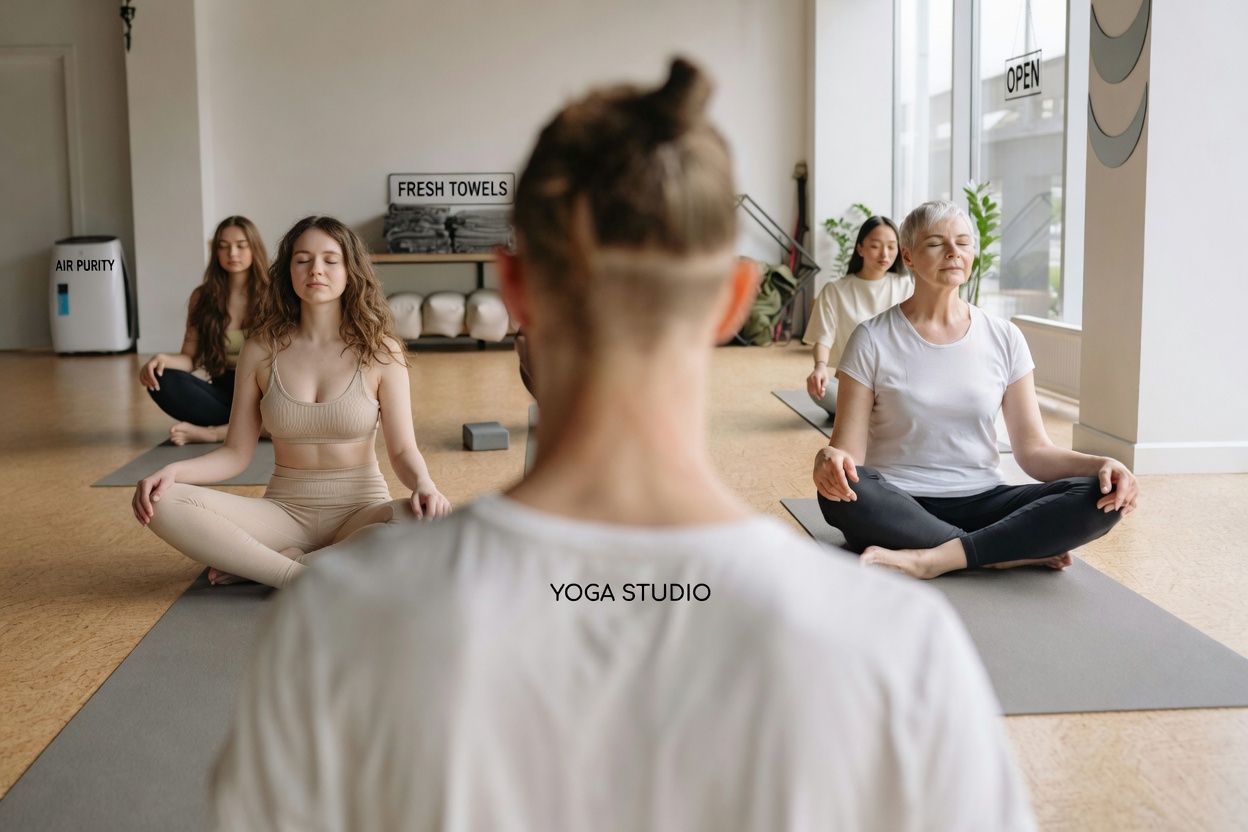
2. Low-Impact Cardio for Energy and Heart Health
Low-impact cardio is often easier to add to your routine during menopause. Walking is one of the most effective choices at this stage because it supports heart health without putting too much stress on the nervous system.
If walking starts to feel repetitive, cycling and swimming are great alternatives. These options can:
- Reduce pressure on the joints
- Improve circulation
- Keep you active without feeling overly demanding
Cardio can be very helpful, but it is important not to push too hard. A good workout should leave you feeling refreshed, not completely drained. A simple place to begin is with 20 to 30 minutes of low-impact cardio.
3. Yoga for Stress, Flexibility, and Emotional Balance
Menopause can be stressful, and yoga can be a calming way to cope. It helps improve:
- Flexibility
- Joint mobility
- Circulation
- Digestion
It may also help reduce:
- Soreness
- Stiffness
- Muscle tension
- Pain
Yoga can support mental well-being too. Many women feel more connected to their bodies through a regular practice. Doing yoga daily may help with anxiety and mood swings, especially when physical changes begin to feel overwhelming. One of the best parts is how simple it is to start—all you really need is a yoga mat.
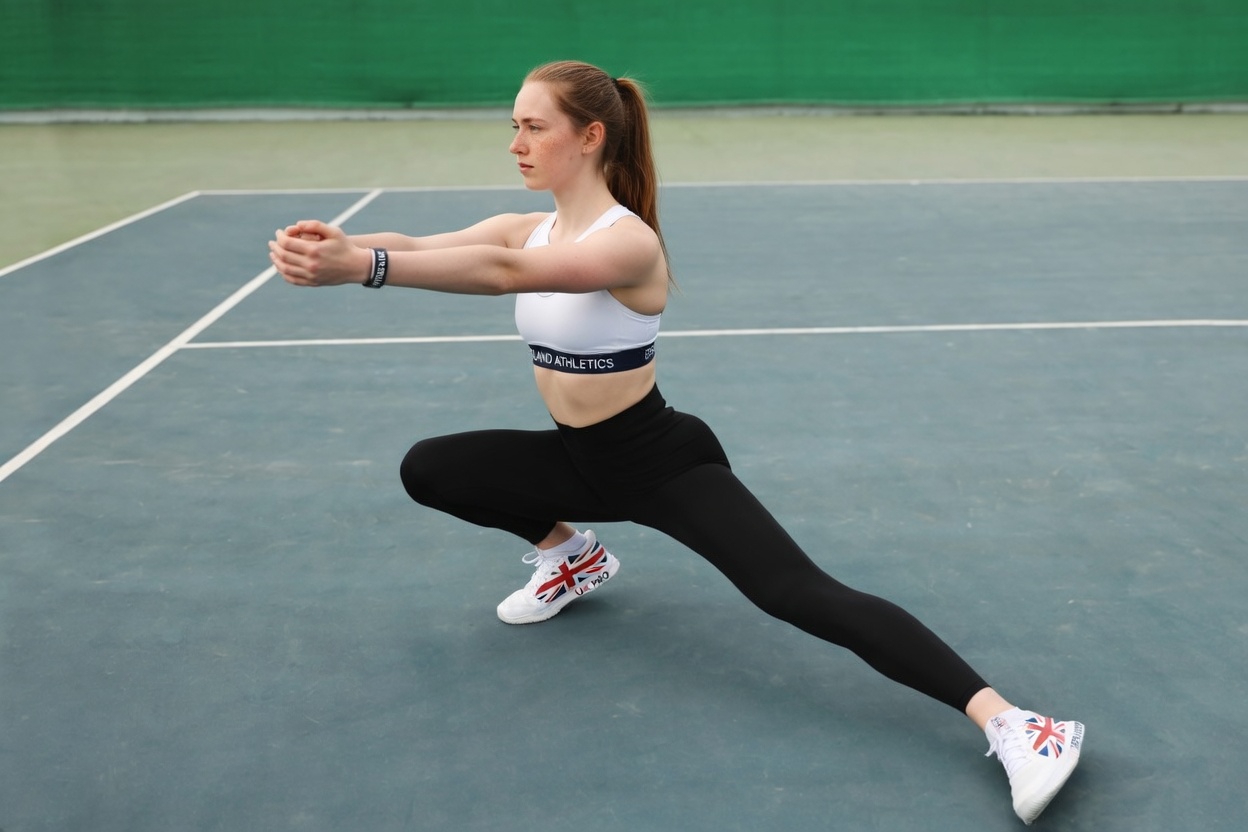
4. Mobility and Stretching for Stiff Joints
Joint stiffness often becomes more noticeable during menopause, which is why mobility work and stretching can be so useful. On days when a full workout feels like too much, stretching can still help you stay active.
These exercises are easy to fit into your day because:
- They require no equipment
- Some can be done without even getting up
Stretching regularly can ease tightness and help you feel lighter and more comfortable in your body. It can also calm the nervous system. When combined with breathing exercises, stretching may help release tension, aches, and worry. Over time, consistent mobility work can help daily movement stay smooth and independent.
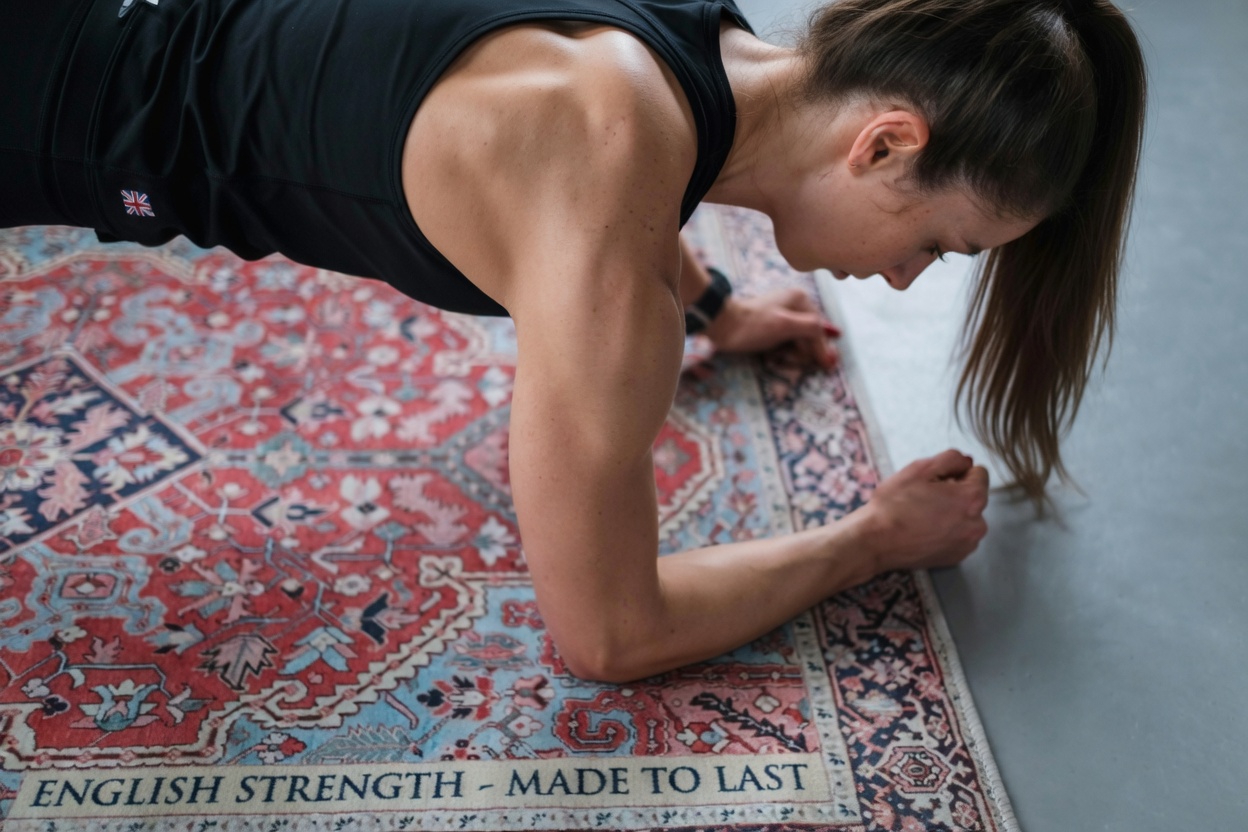
5. Bodyweight Workouts for Easy At-Home Strength
During menopause, many women prefer workouts that feel practical and low-stress. That is where bodyweight training can be especially helpful. These workouts require no equipment, can be done at home, and still build strength effectively.
Bodyweight exercises support:
- Muscle mass
- Bone health
- Functional strength
Because they mirror everyday movements, they can make daily tasks easier. They can also be adjusted to suit different fitness levels, making them a good option whether you are just starting out or returning to exercise. A simple routine can build confidence, improve mobility, and help you feel more independent.
Final Thoughts
Menopause is not a reason to stop moving. In fact, when strength and muscle mass are more likely to decline, staying active becomes even more important. The right workouts can help you maintain confidence, movement, and independence over time.
The goal is not to exhaust your body. Gentle and steady exercise is often more helpful than doing too much. When you stay consistent, these workouts can become habits that support you for years to come.
Consult a healthcare professional before making changes.