7 Anti-Inflammatory Foods With Low DII Scores
Inflammation is a normal part of the body’s defense system. It helps repair injured tissue and fight infections. However, when inflammation becomes long-lasting, it can harm healthy cells and raise the risk of chronic conditions such as heart disease, arthritis, and type 2 diabetes. One practical way to help reduce this ongoing inflammation is to eat more anti-inflammatory foods.
Researchers often use the Dietary Inflammatory Index (DII) to estimate how foods may affect inflammation in the body. Foods with a lower DII score are generally considered more anti-inflammatory, while foods with a higher score may promote inflammation.
This guide highlights seven anti-inflammatory foods with especially low DII scores. These are realistic, budget-friendly choices that can fit easily into everyday meals.
1. Mushrooms and Their Inflammation-Fighting Compounds
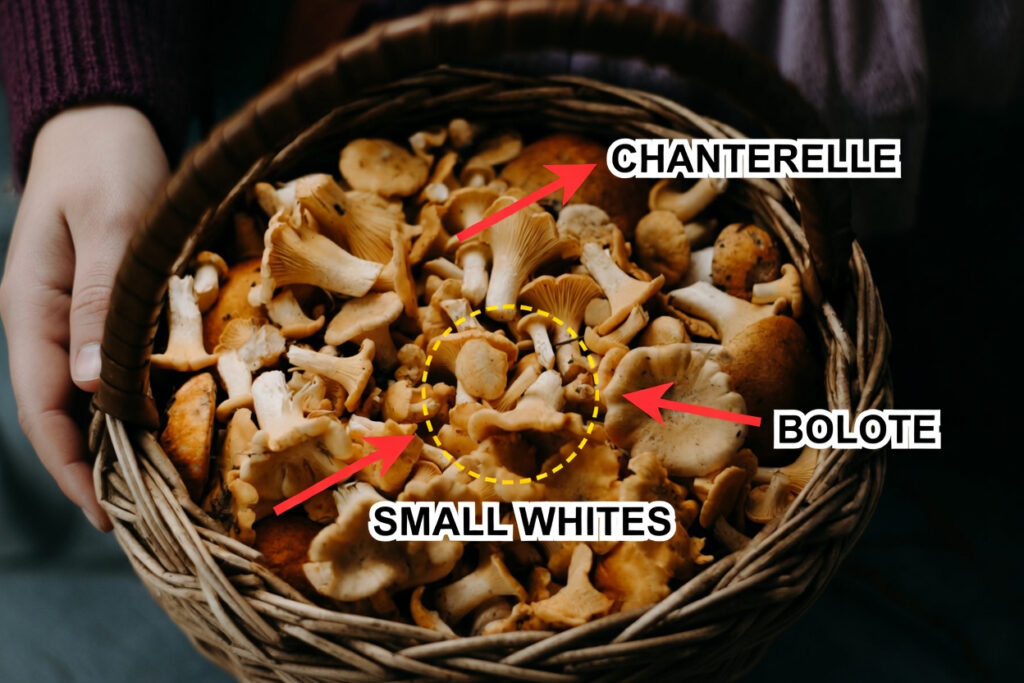
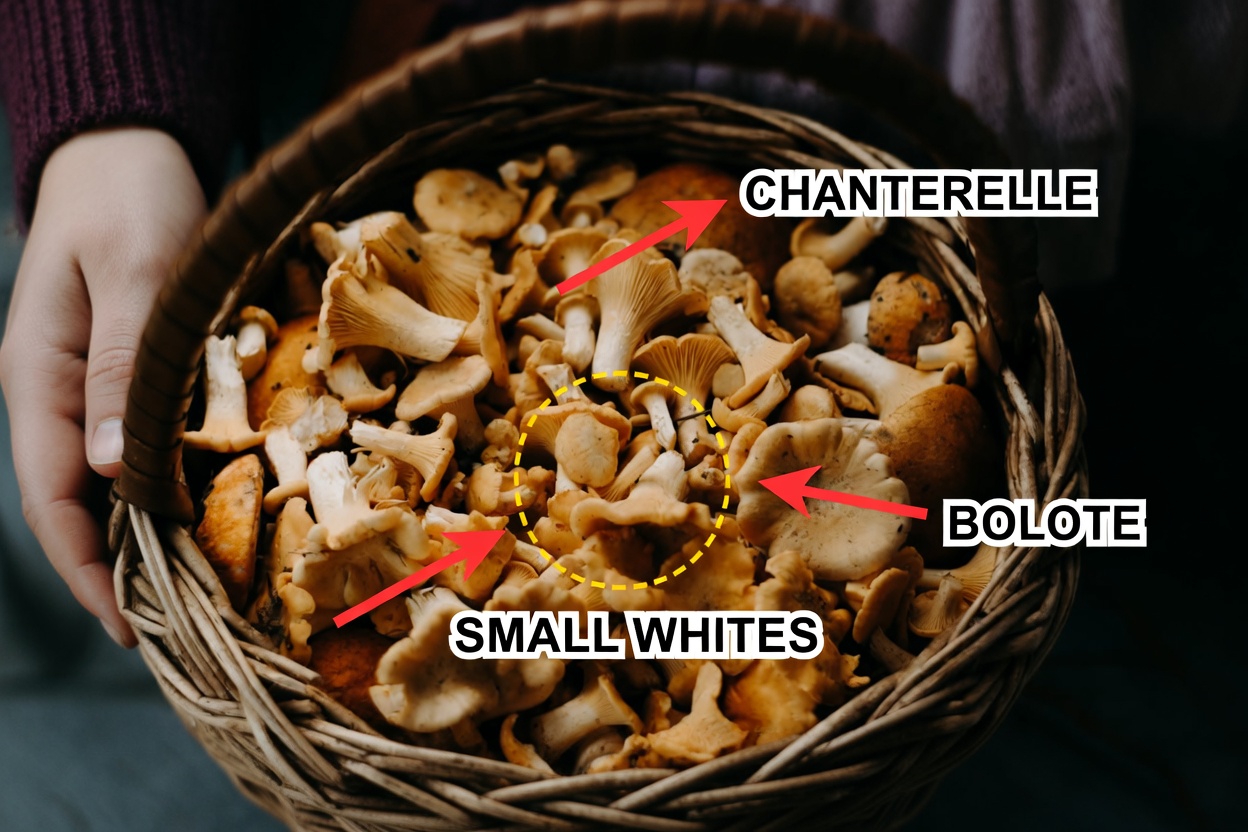
Mushrooms are widely studied for their anti-inflammatory potential. They provide important bioactive substances such as beta-glucans, polysaccharides, and antioxidants, which help support a balanced immune response. By helping regulate immune activity, mushrooms may reduce excessive inflammation in the body.
They are also associated with lower C-reactive protein (CRP) levels, a common blood marker linked to inflammation. That makes mushrooms a smart food to include regularly.
Mushrooms are easy to use in everyday cooking. You can add them to:
- Eggs and omelets
- Soups and stews
- Stir-fries
- Grain bowls and pasta dishes
They are flavorful, low in calories, and can also contribute some protein, making them a useful option for people trying to manage weight while following an anti-inflammatory diet.

2. Green Tea for Daily Anti-Inflammatory Support
Green tea is often overlooked when people think about anti-inflammatory foods, but it deserves attention. This drink is rich in polyphenols and catechins, plant compounds known for their antioxidant effects. These nutrients help reduce oxidative stress and may lower the body’s inflammatory response.
Regular green tea consumption has been linked to reduced CRP levels, suggesting it may help protect against chronic inflammation over time.
Drinking one to two cups a day is usually enough to gain benefits. Green tea may also support:
- A healthy metabolism
- Recovery after exercise
- Better beverage choices by replacing sugary drinks
If you want a simple daily habit that supports overall wellness, green tea is an easy place to start.
3. Tart Cherries for Recovery and Better Rest
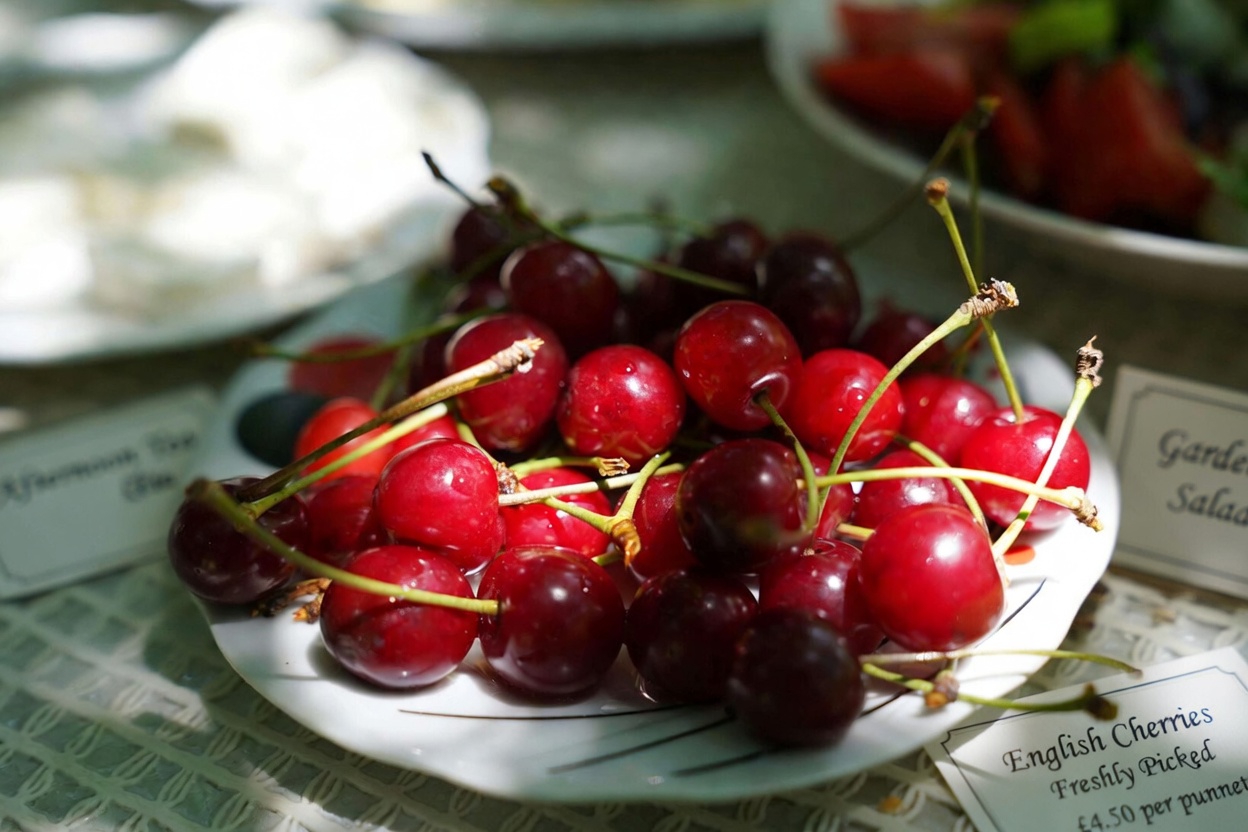
Tart cherries are more than just a flavorful fruit. They are packed with anthocyanins, natural plant compounds that may help reduce inflammation and ease muscle soreness after intense exercise. This makes them especially useful for active people or anyone looking to support faster recovery.
Another benefit of tart cherries is their reputation for helping improve sleep quality, which is important because poor sleep can also contribute to inflammation.
You can enjoy tart cherries in several forms, including:
- Fresh
- Frozen
- Unsweetened tart cherry juice
- Blended into smoothies
Adding tart cherries to your routine may help support recovery, promote better rest, and reduce chronic inflammation over time.
4. Fatty Fish and the Power of Omega-3s
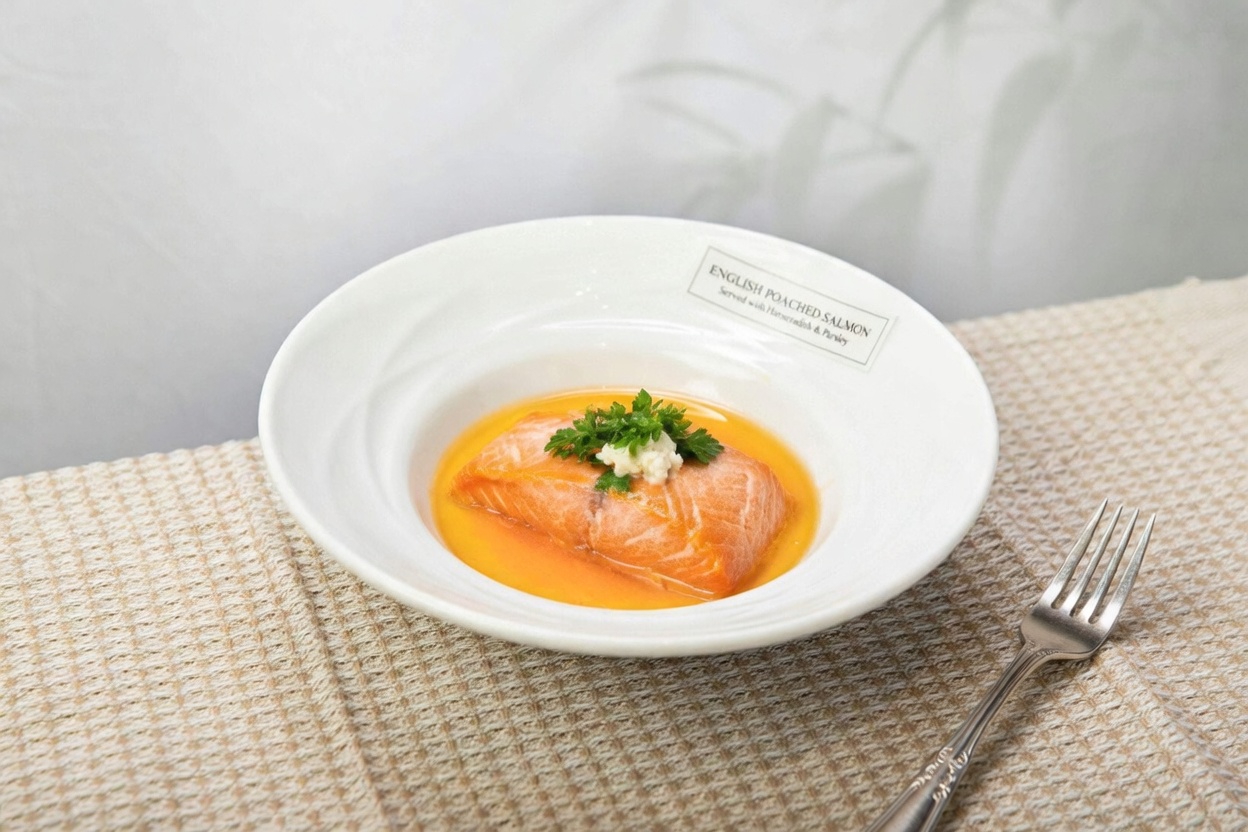
Fatty fish such as salmon, sardines, and mackerel are among the best-known anti-inflammatory foods. Their biggest advantage comes from their high content of omega-3 fatty acids, which help the body produce compounds that calm inflammation and support heart health.
People who eat fatty fish on a regular basis often show lower levels of C-reactive protein (CRP), which is a positive sign for inflammation control.
You do not need to eat fish every day to benefit. Eating fatty fish two to three times per week can be enough to support overall health.
For the best nutritional value, choose cooking methods like:
- Baking
- Grilling
- Roasting
These methods help preserve the omega-3 fats better than deep-frying. The key is consistency, not excess.
5. Black Cumin Seeds for Natural Inflammation Control
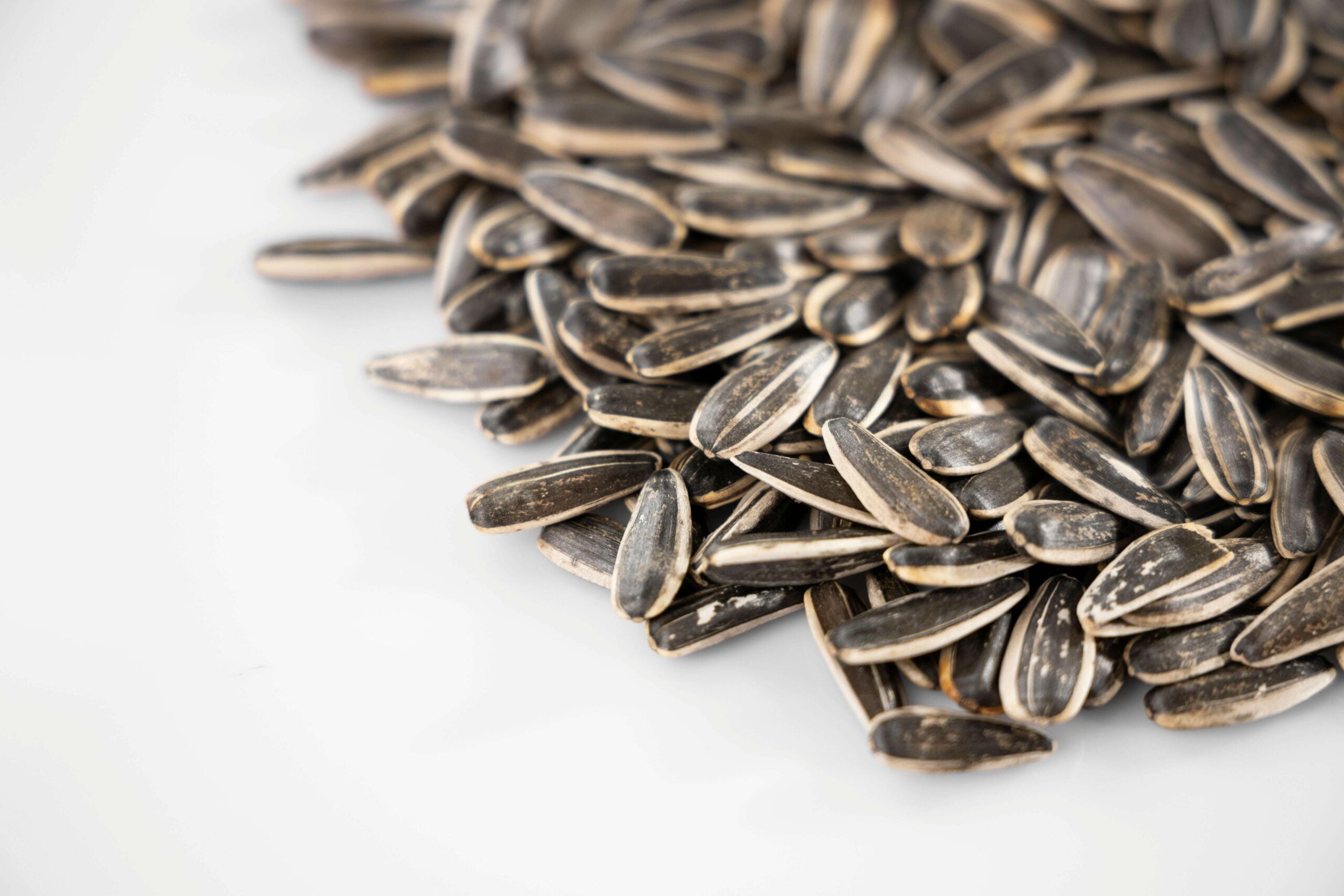
Black cumin seeds, also called Nigella sativa, have a long history of traditional use for health support. Today, they continue to attract attention because of thymoquinone, a powerful compound that may help calm inflammatory activity and reduce oxidative stress.
Even small amounts used regularly may help make your eating pattern more anti-inflammatory.
Black cumin seeds can be added to meals in simple ways, such as:
- Sprinkling ground seeds over yogurt
- Mixing them into salads
- Adding them to warm grain or vegetable dishes
Their mild earthy taste makes them easy to include without changing the flavor of meals too much.
6. Oats for Fiber and Lower Inflammation
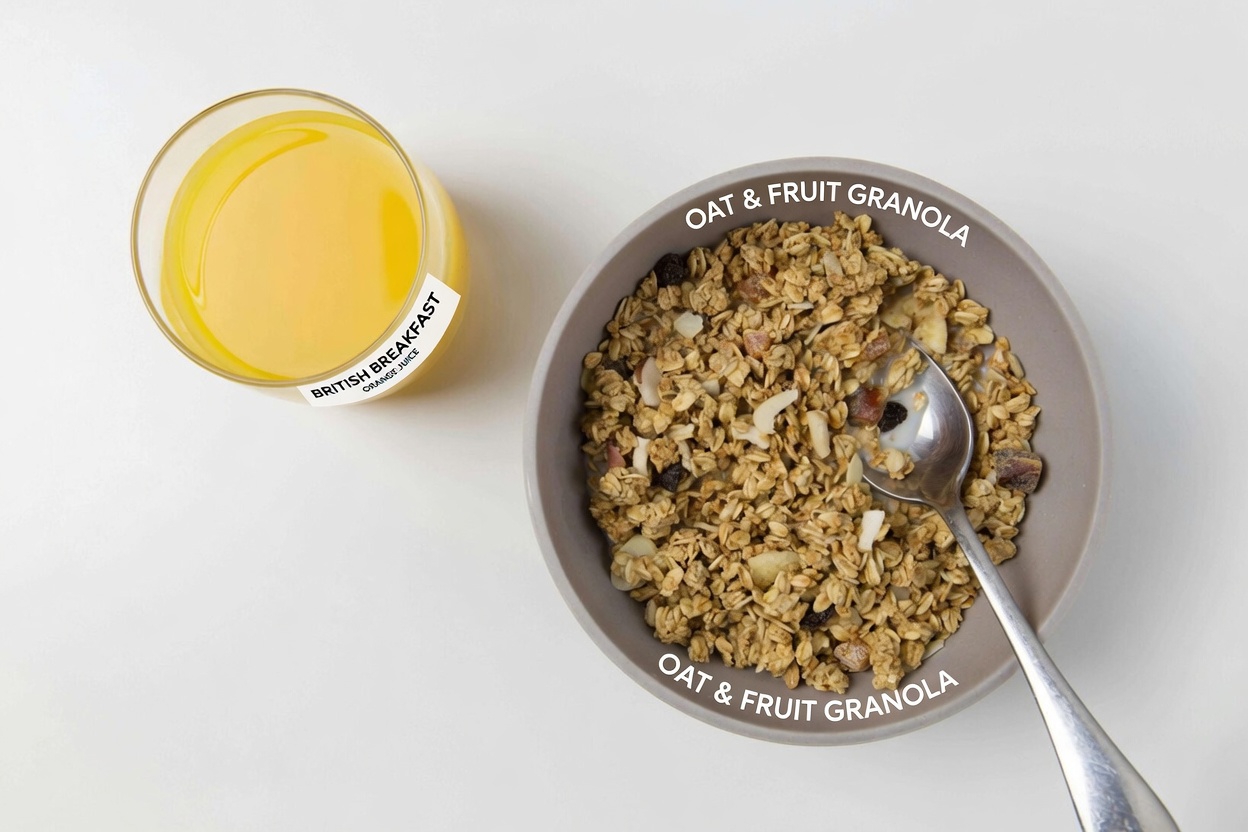
Oats are one of the easiest anti-inflammatory foods to eat on a daily basis. They are rich in beta-glucan, a type of soluble fiber that supports healthy cholesterol levels and may help lower inflammation.
Like several other foods on this list, oats are also linked to reduced CRP levels, making them a strong choice for a low-inflammatory diet.
A bowl of oats can provide long-lasting energy and help keep blood sugar more stable throughout the day. For extra nutritional value, pair oats with:
- Fresh fruit
- Berries
- Nuts
- Seeds
Replacing refined breakfast cereals or processed breads with oats is a simple change that can support better long-term health.
7. Lentils as an Affordable Everyday Anti-Inflammatory Food
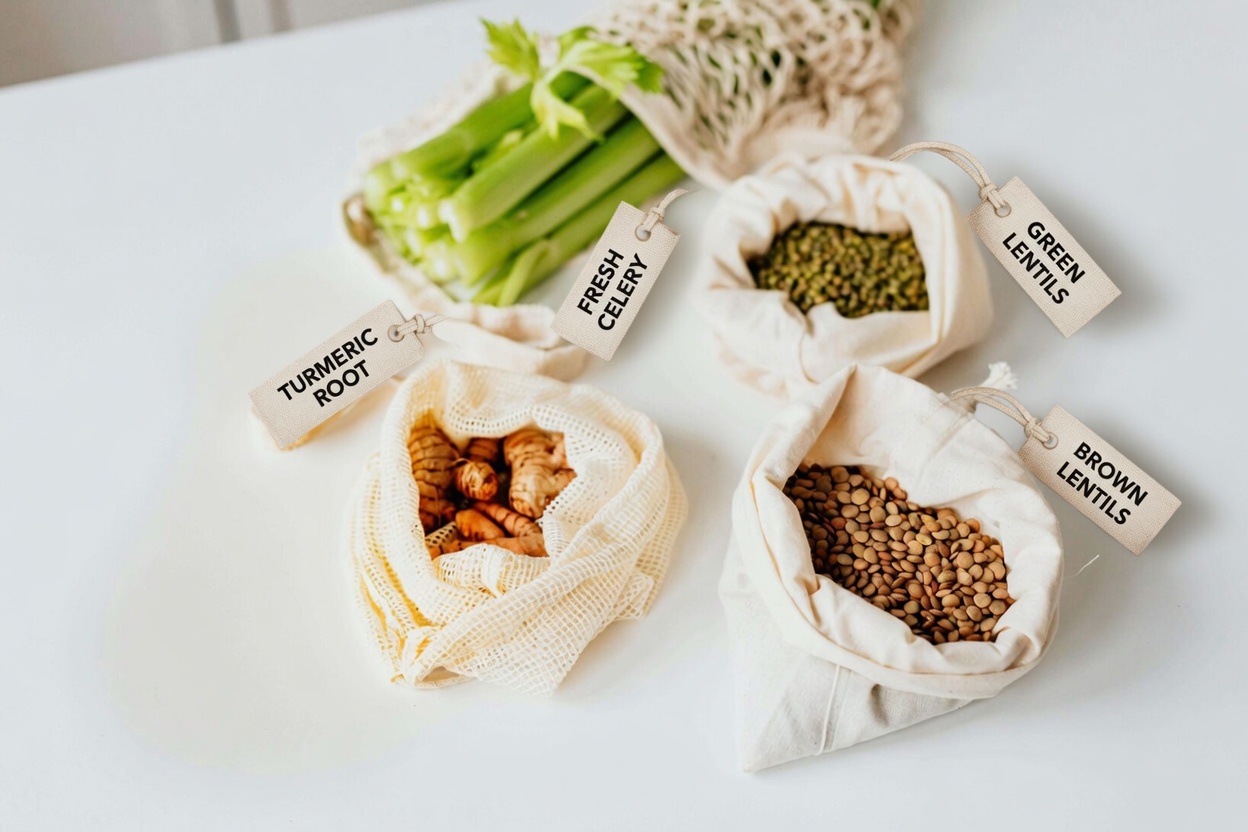
Lentils are inexpensive, versatile, and highly effective for an anti-inflammatory eating plan. Their low DII score comes from their combination of fiber, plant protein, and essential minerals. They may help lower inflammation while also supporting blood sugar control and gut health.
One reason lentils are so practical is that they fit into many familiar meals. You can use them in:
- Soups
- Curries
- Salads
- Tacos
- Burgers
- Pasta sauces
They also work well as a plant-based alternative to meat, making them a smart pantry staple for both health and budget reasons.
Final Thoughts
Adding more anti-inflammatory foods to your meals can help reduce the harmful effects of chronic inflammation and support better long-term health. The seven foods listed here, from mushrooms and green tea to oats and lentils, are backed by research and stand out for their low Dietary Inflammatory Index scores.
Instead of focusing on what to avoid, try building meals around these foods more often. Small daily choices can help lower inflammation while also improving energy, recovery, heart health, and overall well-being.