Piriformis Muscle and Sciatica: How to Reduce Pain With Simple Stretches
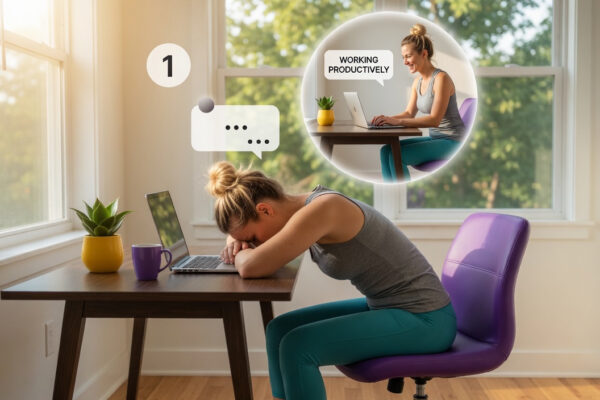
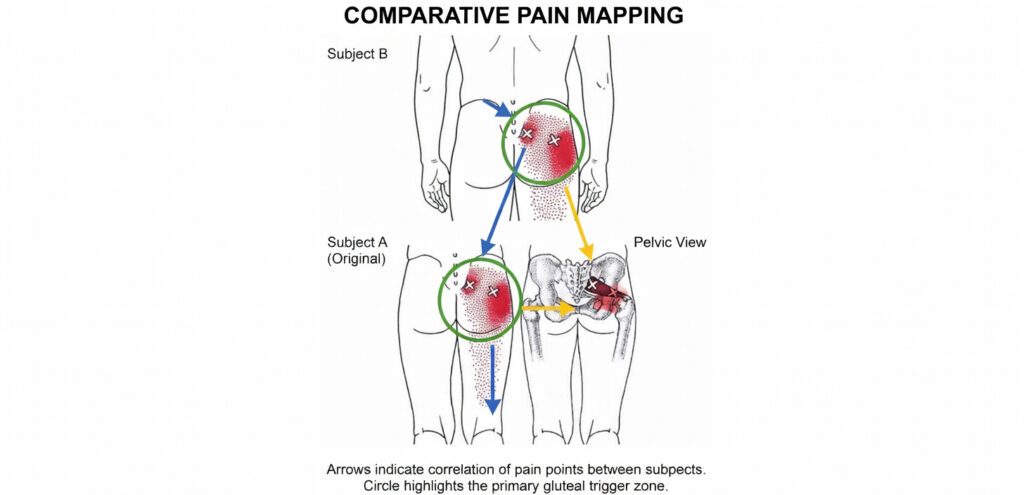
Have you ever noticed a sharp pain running from your hip down your leg? A small muscle called the piriformis may be involved. Even though it is not a large muscle, it can create major discomfort when it becomes tight or irritated.
Because the piriformis sits very close to the sciatic nerve, tension in this area can trigger symptoms such as pain, tingling, numbness, and weakness in the buttock and leg.
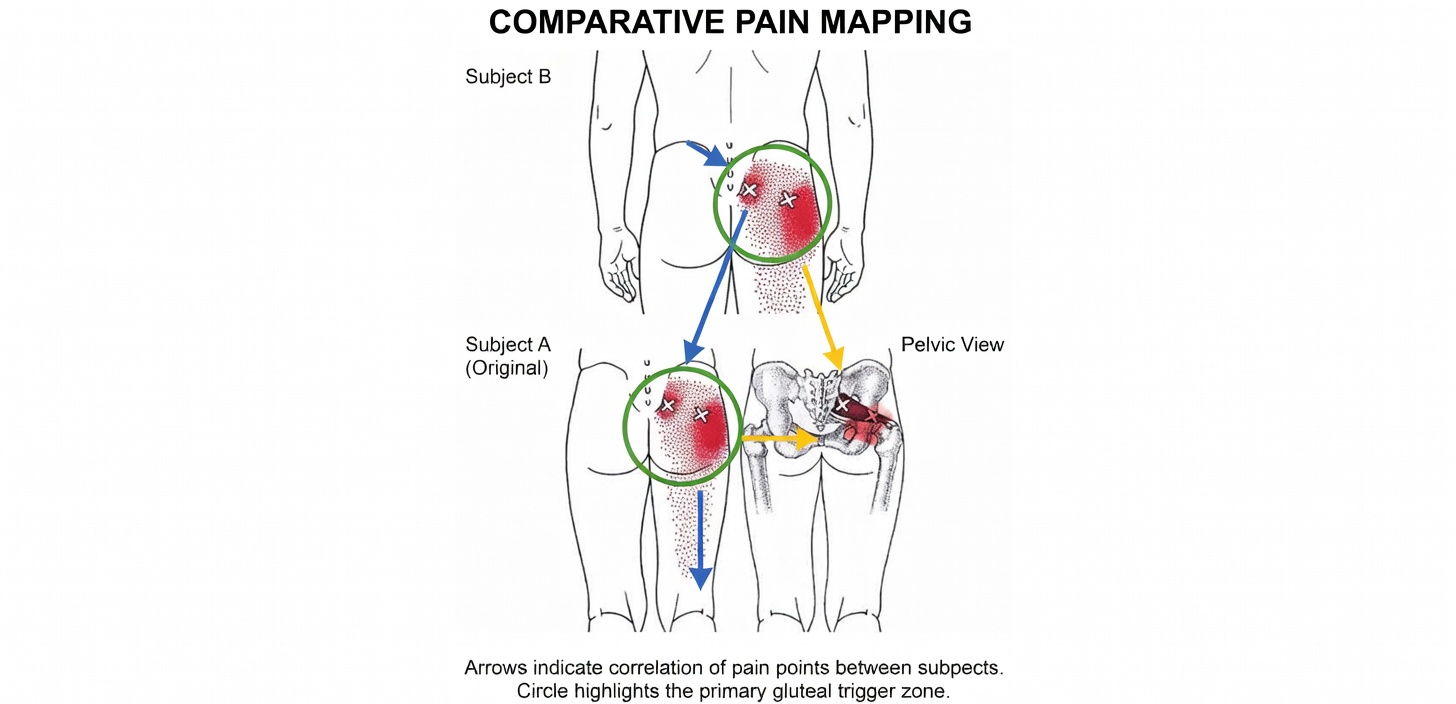
In this guide, you will learn what the piriformis muscle does, why it matters, and how it can contribute to sciatica-like symptoms. Most importantly, you will discover effective piriformis stretches that can help ease tension and improve mobility.
If you are ready to move more comfortably and calm sciatic nerve irritation, let’s begin.
You May Also Like
- 5 Easy Sciatica Stretches to Ease Nerve Pain
- 10 Unique Stretches to Improve Flexibility in 4 Weeks
- Can’t Touch Your Toes? Try These 3 Stretches to Increase Flexibility
What This Article Covers
This article has two main goals:
- To explain the key features and function of the piriformis muscle
- To show how stretching and mobility exercises may help reduce piriformis tightness and relieve discomfort
Let’s look at both areas step by step.
Understanding the Piriformis Muscle
Before getting into the stretches, it helps to know a little about the muscle itself. If you only want the exercises, you can jump ahead to the stretching section.
Where Is the Piriformis Located?
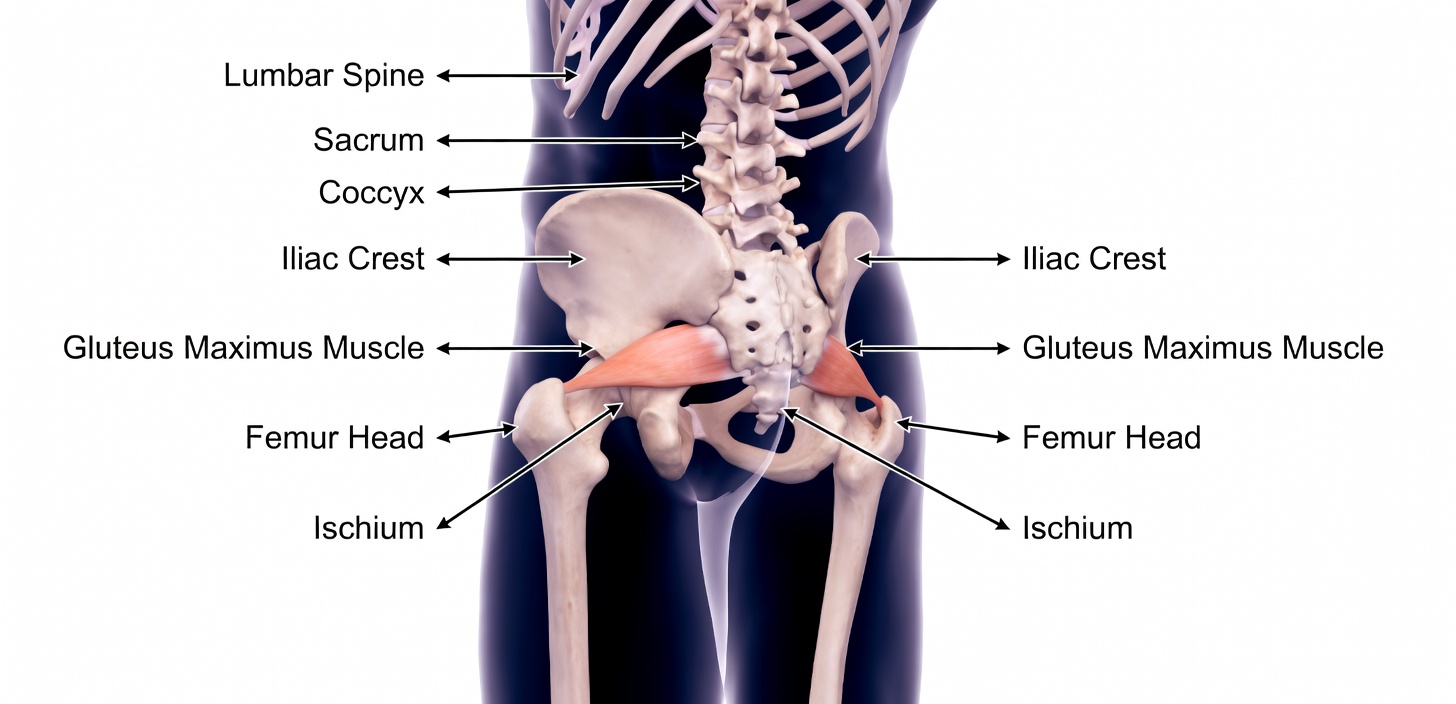
The muscles of the hip and leg are arranged in layers, and each layer has a specific role. The piriformis is a deep muscle found underneath the gluteus maximus, the large muscle that forms much of the buttocks.
It travels diagonally from the sacrum at the base of the spine to the upper part of the thigh bone, attaching near the greater trochanter of the femur.
This position is important because the piriformis lies directly over, or very close to, the sciatic nerve, which is the longest nerve in the body.
What Does the Piriformis Do?
The piriformis helps control movement at the hip. Its primary actions include:
- External rotation of the leg, which means turning the thigh outward
- Abduction, which means moving the leg away from the center of the body
When the hip is bent forward, however, the piriformis can also assist with internal rotation. This changing role is one reason hip position matters during stretching.
Why Is the Piriformis Important?
Because of its close relationship with the sciatic nerve, the piriformis needs to stay both strong and flexible. When it becomes overly tight, it may press against the nerve and interfere with normal nerve function.
This can lead to symptoms often associated with piriformis syndrome or sciatica, including:
- Pain in the buttock or down the leg
- Tingling or numbness
- Weakness in parts of the leg
- Increased discomfort when sitting or moving
The good news is that targeted stretching and mobility work may help reduce tension and improve comfort.
Piriformis Stretches for Sciatica Relief
The following exercises are designed to improve flexibility in the piriformis and surrounding hip muscles.
A common recommendation for flexibility training is to accumulate about 2 minutes of stretch time per exercise, stopping at the level of mild discomfort, not pain.
For example, you could:
- Hold a stretch for 30 seconds and repeat it 4 times
- Hold for 20 seconds and repeat it 6 times
- Hold for 10 seconds and repeat it 12 times
Choose the version that feels safest and most manageable for your body.
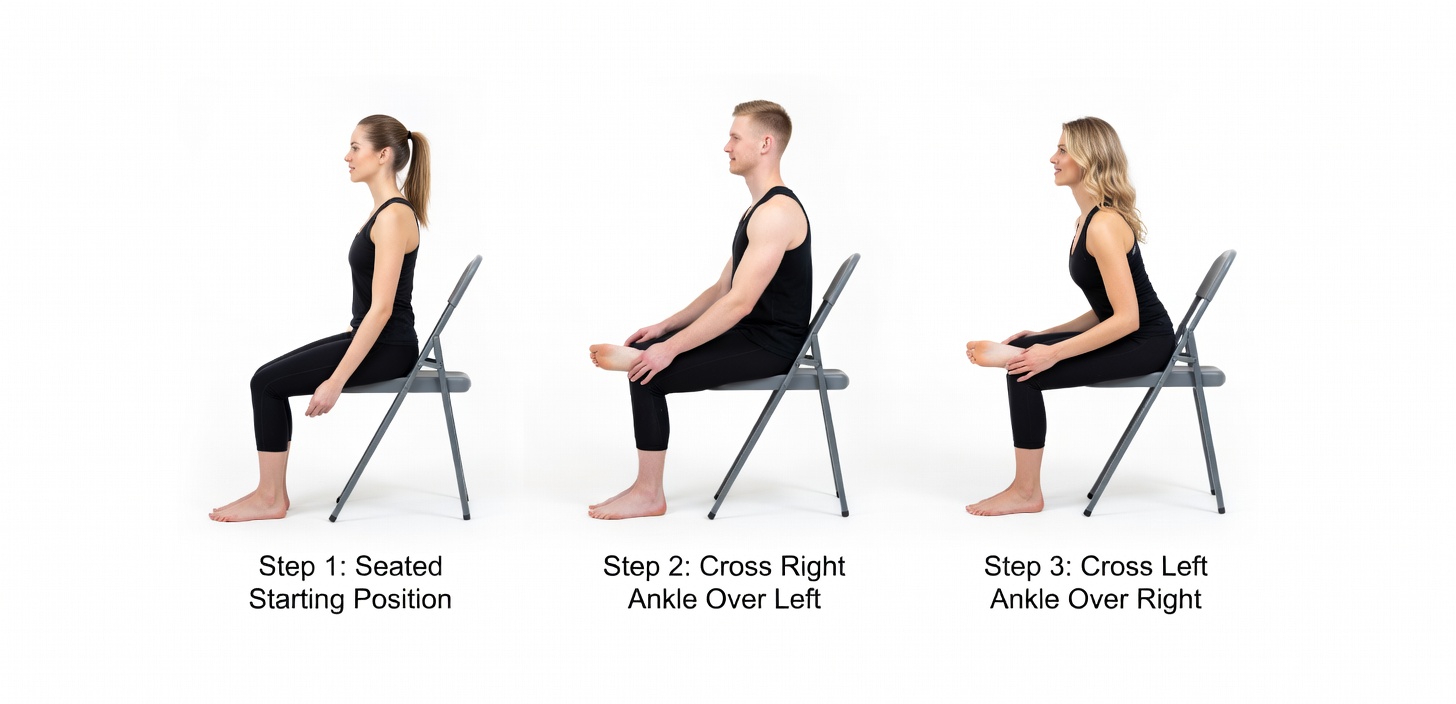
1. Simple Seated Piriformis Stretch
This is a beginner-friendly stretch that can easily be done in a chair.
- Sit upright in a firm chair.
- Cross the painful leg over the other knee.
- Keep your back straight and gently hinge your chest forward.
- Lean a little farther only if you do not feel pain.
- Hold for 30 seconds and repeat 4 times.
- Repeat on the other side.
This stretch is a great option for people who spend long hours sitting.
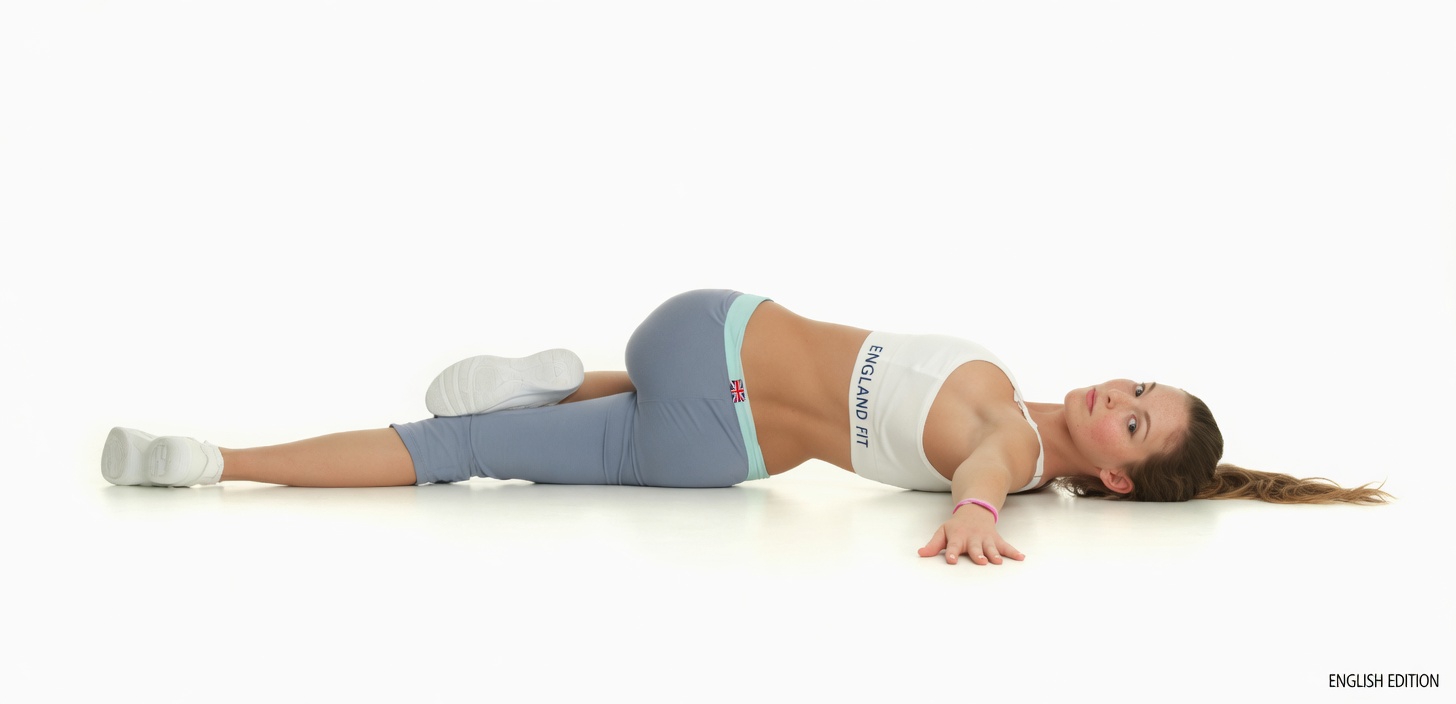
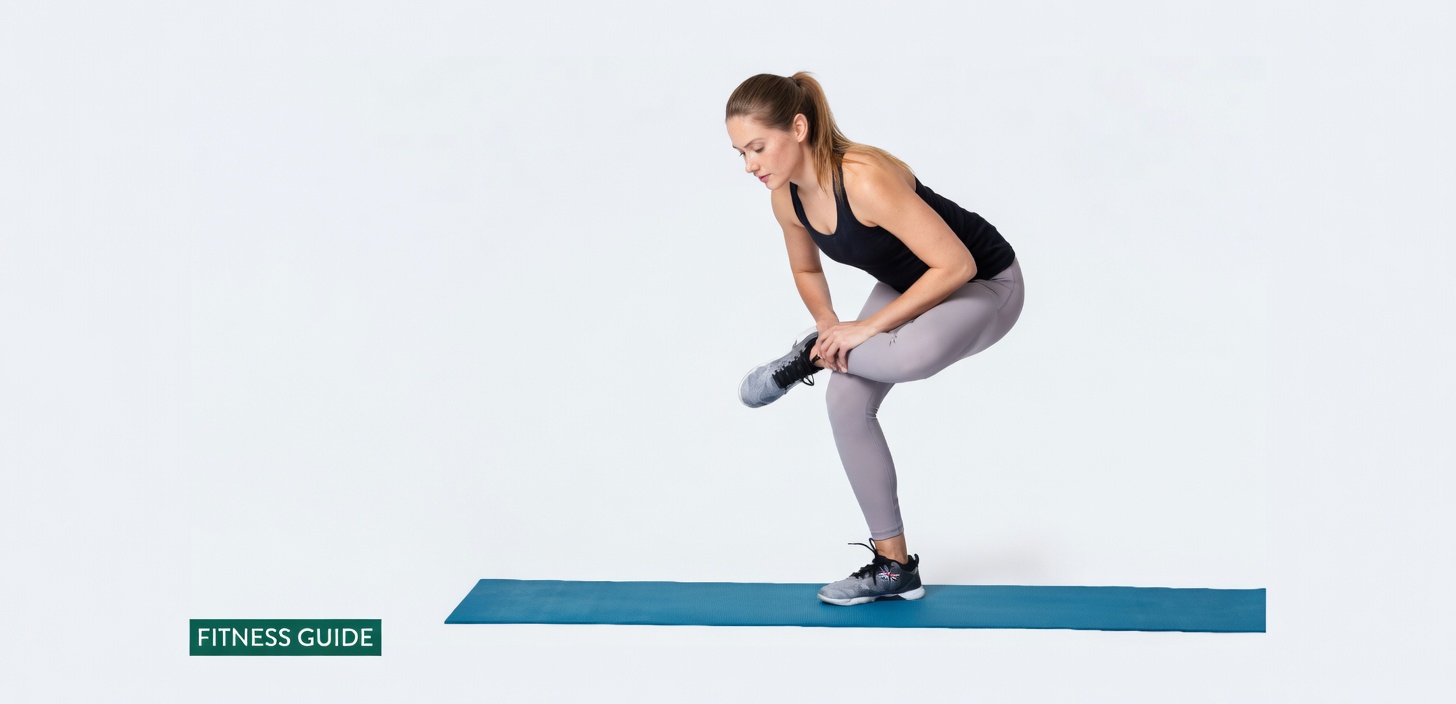
2. Standing Piriformis Stretch
This variation is more challenging because it requires balance. If needed, stand with your back near a wall for support.
- Stand tall and place the painful leg across the opposite knee, creating a figure-4 position.
- Hinge forward at the hips while keeping your spine long.
- Reach your hands downward as you lower into the stretch.
- Hold for 10 seconds and repeat 12 times.
- Perform the movement on both legs.
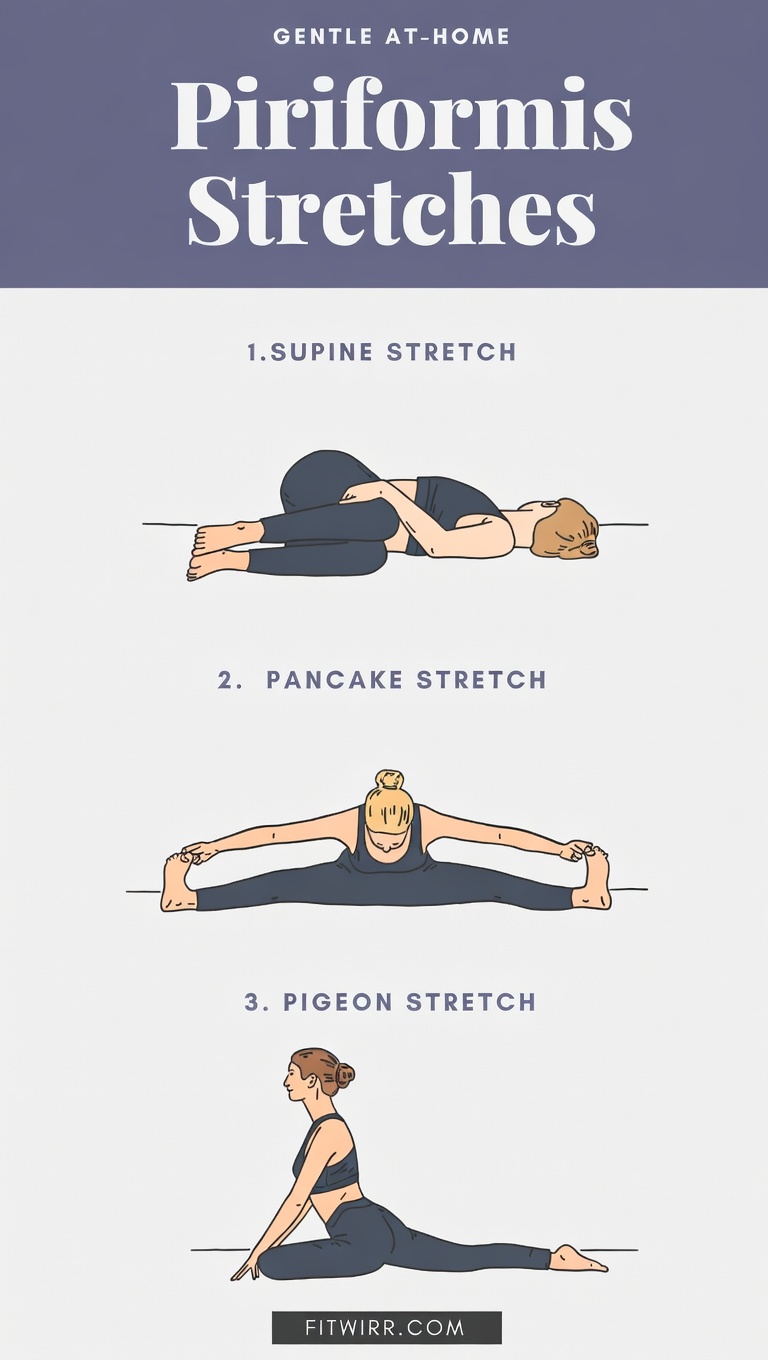
3. Supine Piriformis Stretch
This stretch targets the piriformis directly and is easy to perform on the floor without equipment.
- Lie on your back with both knees bent and feet flat.
- Cross the affected leg over the other leg.
- Hold the knee of the affected leg with one hand and the ankle with the other.
- Gently draw the leg toward your chest until you feel mild tension deep in the hip.
- Hold for 30 seconds and repeat 4 times per side.
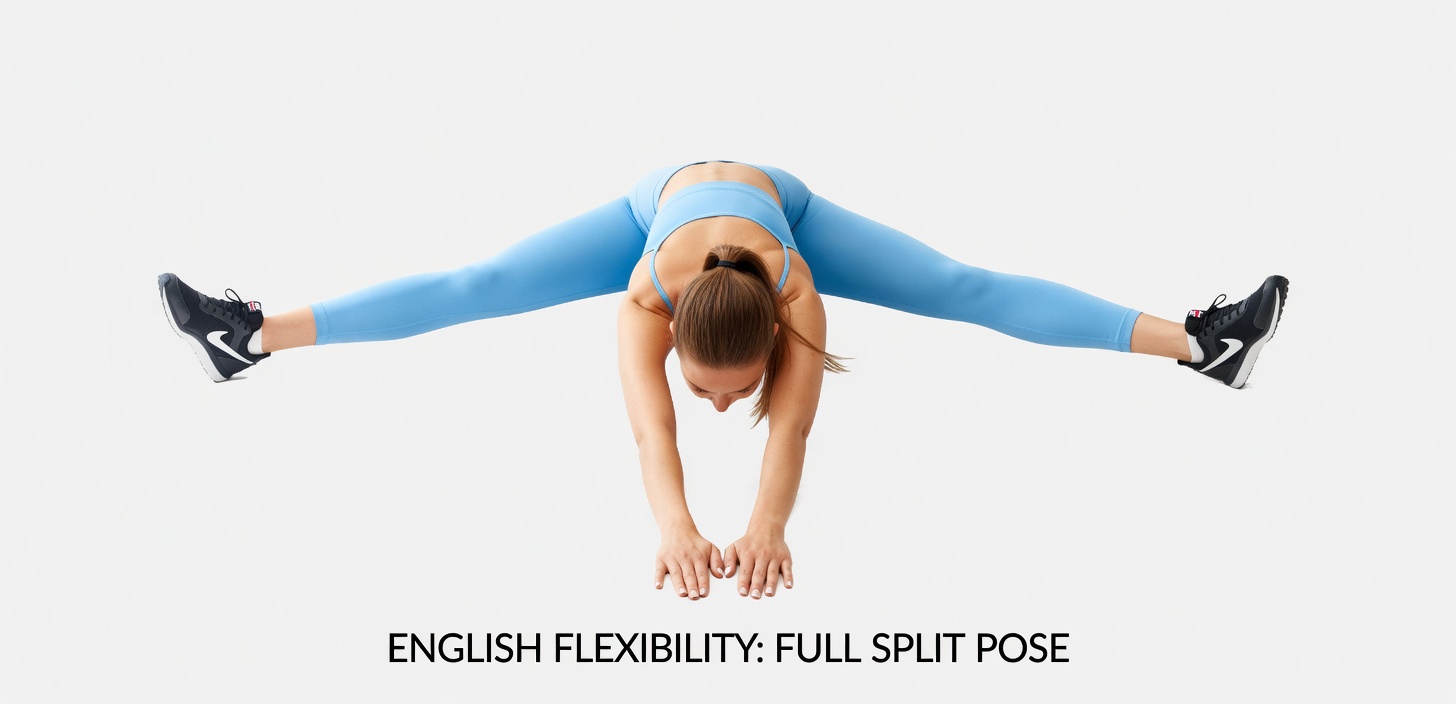
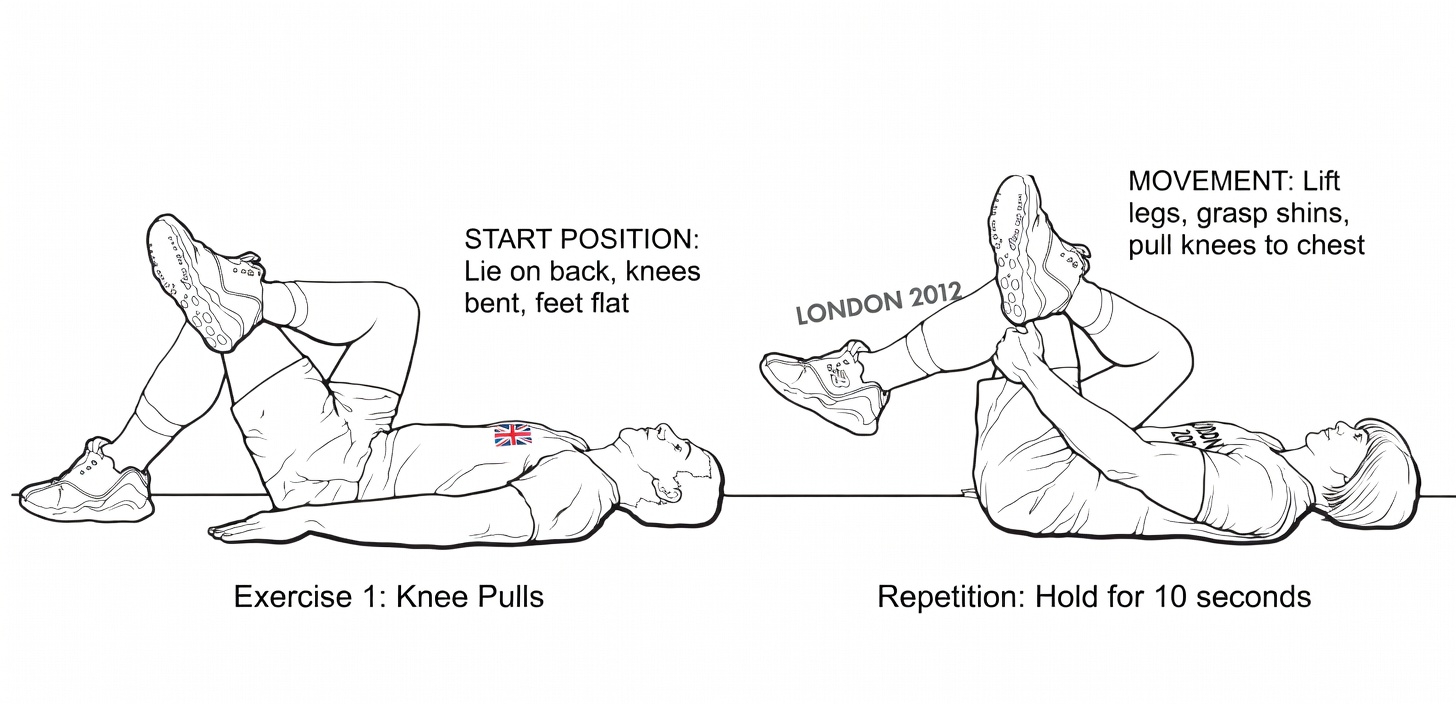
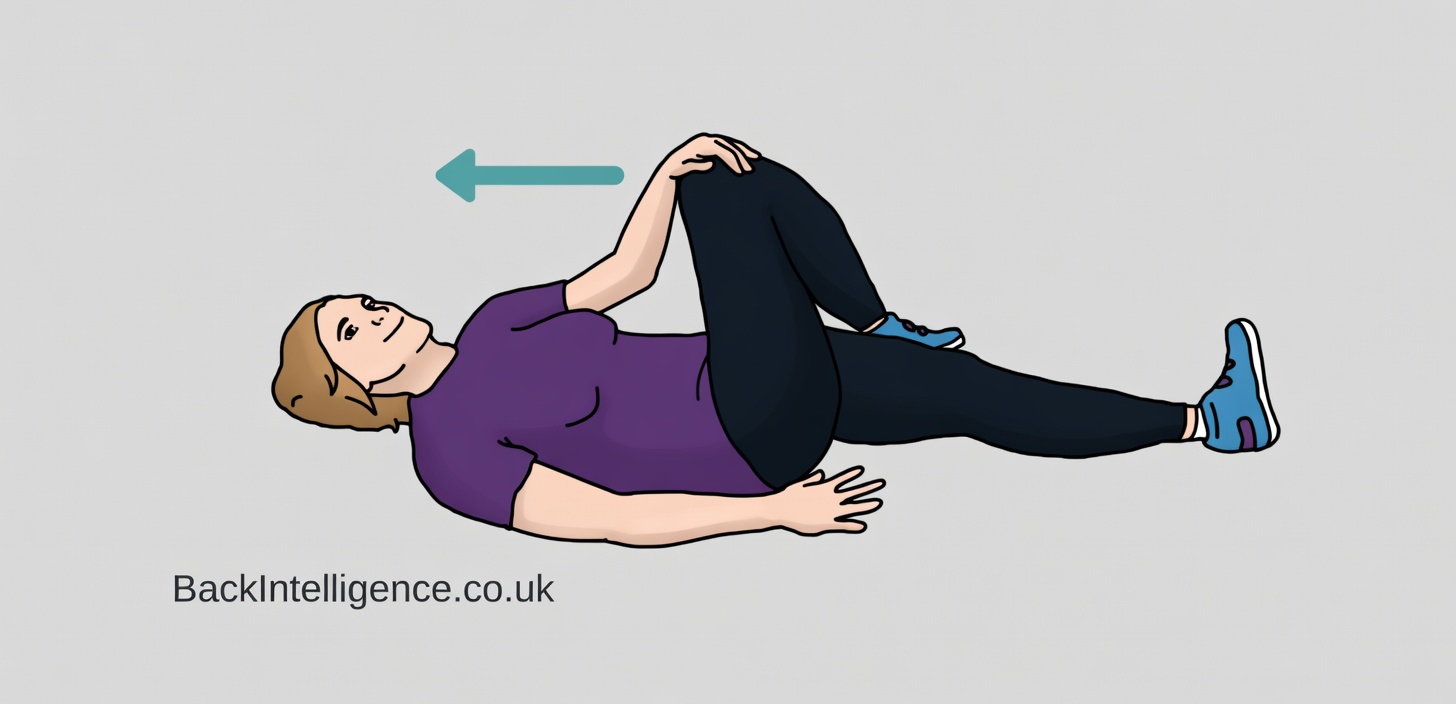
4. Outer Hip Stretch
This can feel intense for people with stiff hips, so it is best done after a warm-up or a few easier stretches.
- Lie on your back.
- Bend the affected leg.
- Use the opposite arm to pull the knee toward the opposite armpit.
- Keep the movement slow and controlled.
- Hold for 20 seconds and repeat 6 times.
- Repeat on both sides.
5. Pancake Stretch
The pancake stretch helps improve mobility through the hips and inner thighs, both of which can influence tension around the piriformis.
- Sit on the floor with your legs straight and spread as wide as comfortable.
- Place your hands on the floor in front of you.
- Lean your torso forward gradually.
- If your flexibility allows, lower onto your elbows.
- Stop immediately if you feel pain.
- Hold for 20 seconds and repeat 6 times.
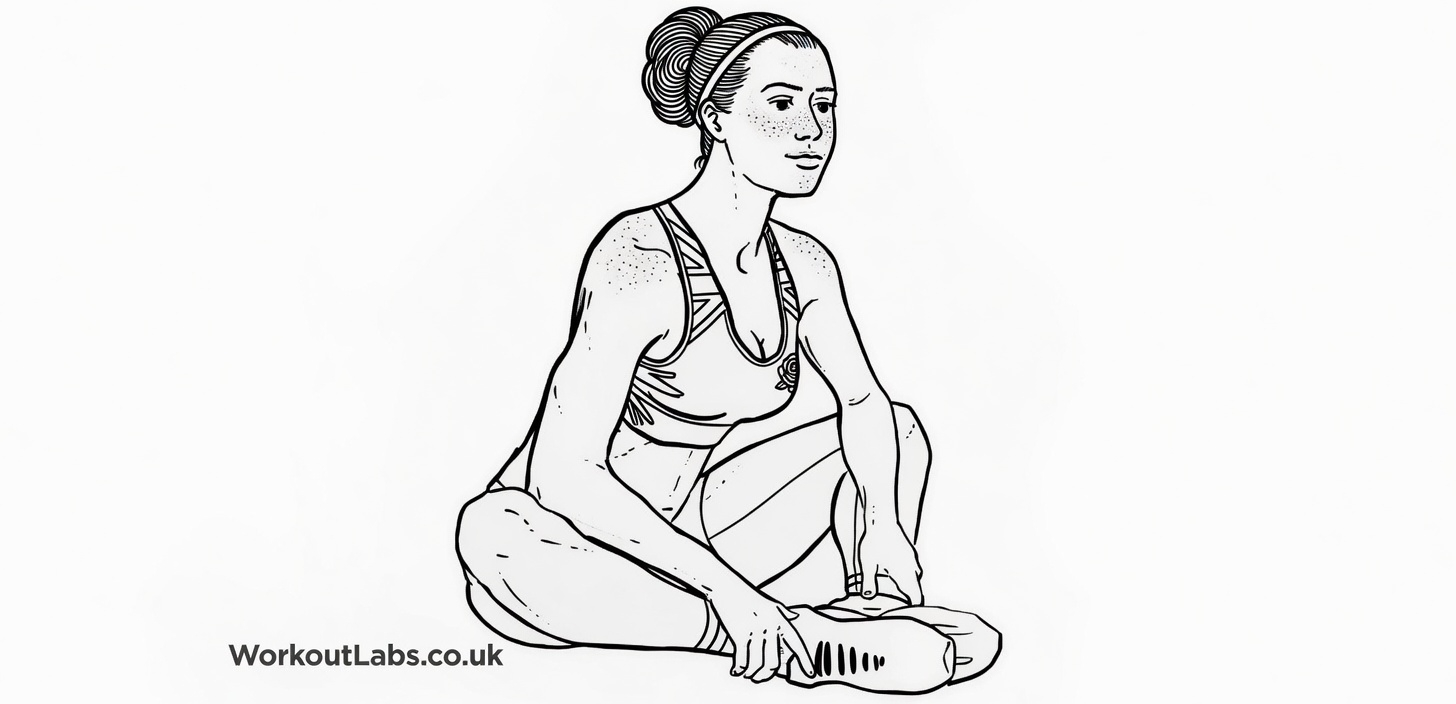
6. Adductor or Inner Thigh Stretch
The adductors run along the inner thigh and help with adduction and internal rotation of the leg. Keeping them mobile can improve overall hip function.
- Sit on the floor and bend your knees.
- Bring the soles of your feet together in front of you.
- Hold your ankles with your hands.
- Place your elbows lightly against your inner thighs or knees.
- Relax the knees downward toward the floor without forcing them.
- Hold for 30 seconds and repeat 4 times.
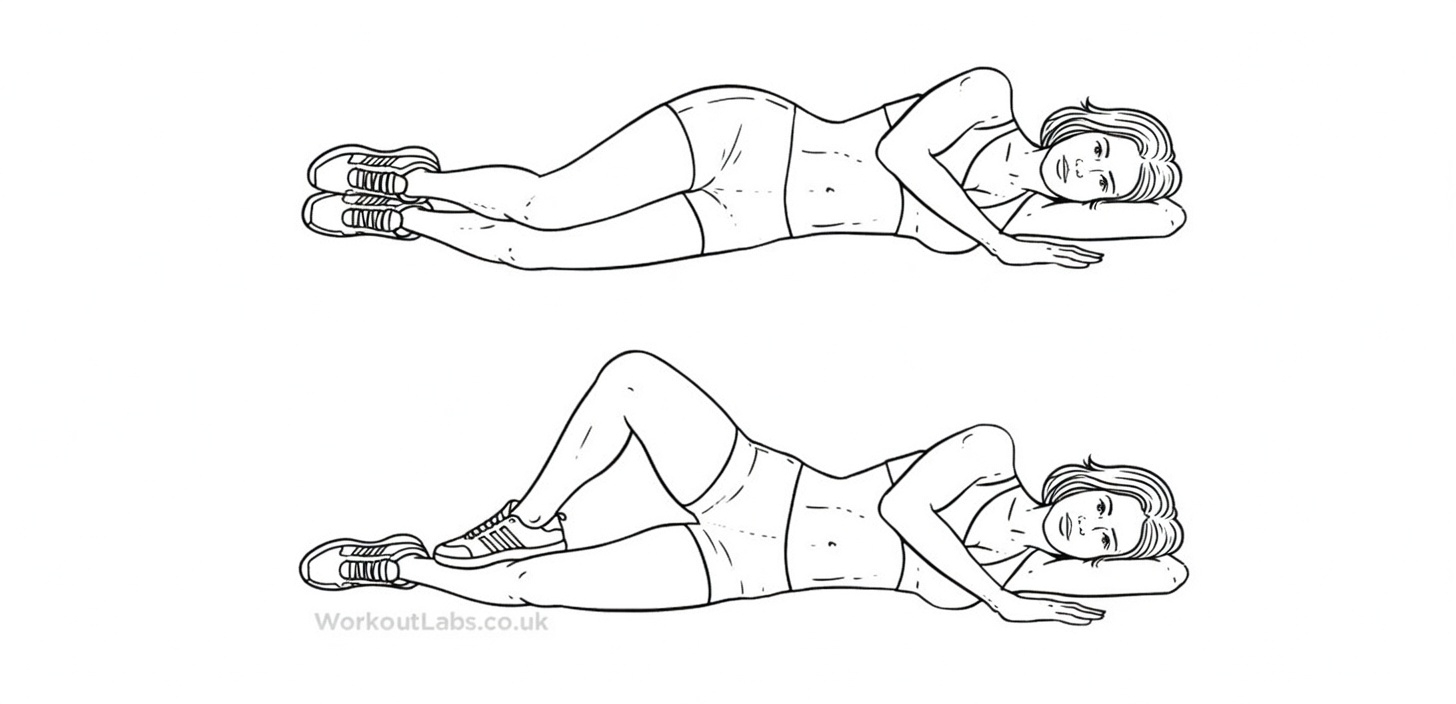
7. Side-Lying Clamshells
Although often used as a strengthening exercise, clamshells also help open the hips and support better pelvic stability.
- Lie on your non-painful side.
- Bend both legs so they form an L shape.
- Stack the painful leg on top.
- Keep your feet together and lift the top knee.
- Avoid rolling your body backward.
- Slowly return to the start.
- Perform 15 repetitions for 3 sets on each side.
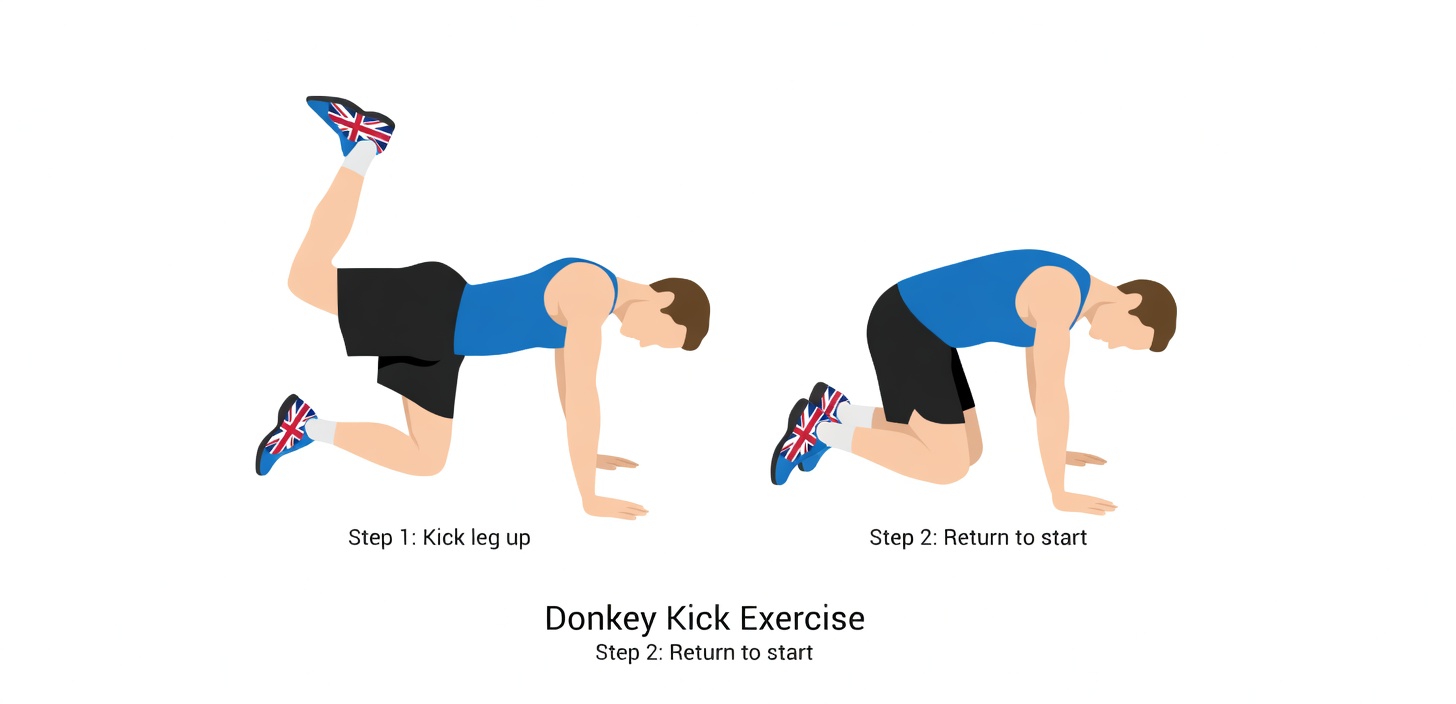
8. Hip Extension Exercise
This movement helps strengthen the glutes and improve mobility around the hips, which is especially useful for athletes and anyone who sits for long periods.
- Start on your hands and knees.
- Keep your hands directly under your shoulders.
- Bend one knee and lift that foot upward toward the ceiling.
- Move slowly and keep your core steady.
- Lower the leg back down with control.
- Complete 15 repetitions for 3 sets on each side.
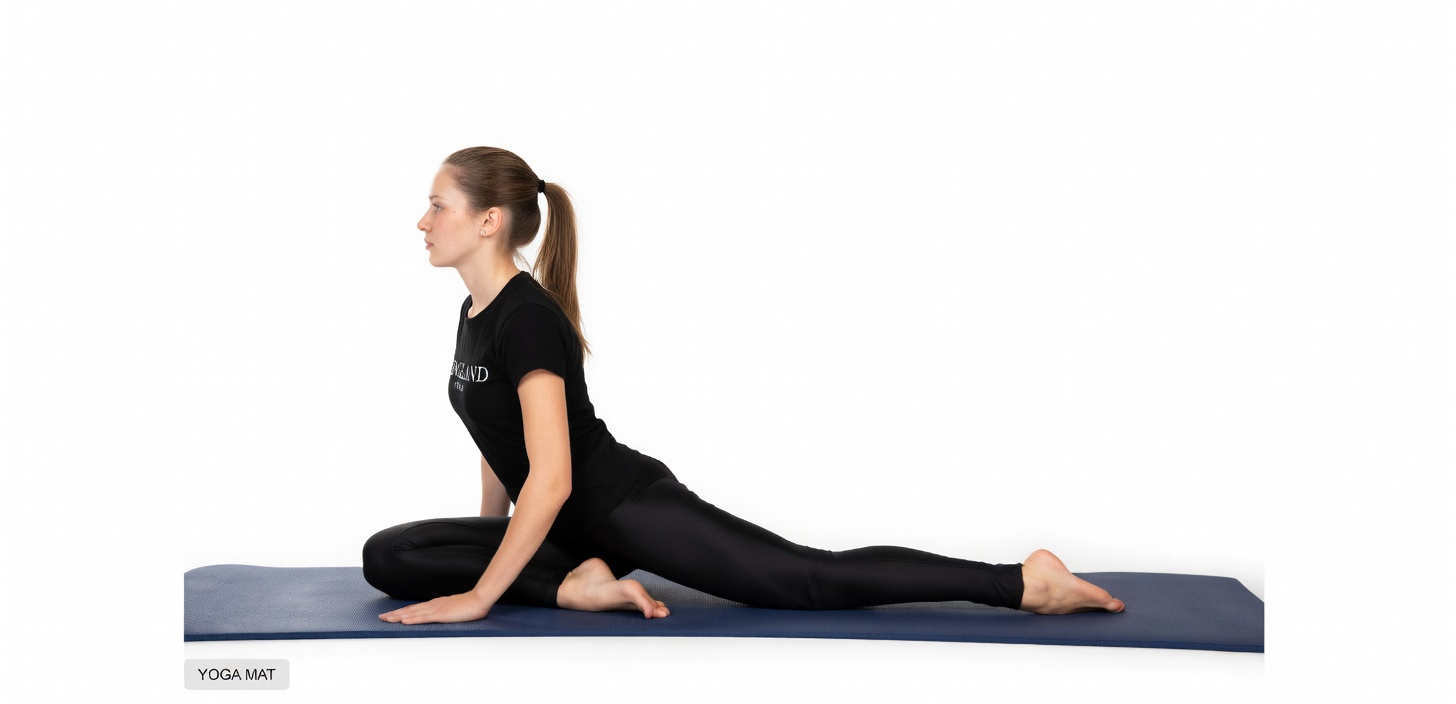
9. Figure-4 Floor Stretch
This is another effective variation for deep hip tension and can be especially helpful when piriformis tightness contributes to sciatic discomfort.
- Lie on your back with knees bent.
- Cross one ankle over the opposite thigh.
- Reach through and hold the back of the lower thigh.
- Pull the leg toward your chest until you feel a stretch in the outer hip.
- Hold for 30 seconds and repeat 4 times on each side.
10. Glute Bridge for Hip Support
While not a passive stretch, this exercise supports the muscles around the pelvis and hips, which can reduce strain on the piriformis.
- Lie on your back with knees bent and feet flat.
- Keep your arms at your sides.
- Tighten your glutes and lift your hips off the floor.
- Pause briefly at the top.
- Lower down slowly.
- Perform 12 to 15 repetitions for 3 sets.
Tips for Getting the Best Results
To make these piriformis stretches more effective and safer:
- Warm up before deeper stretching
- Stretch to mild discomfort, never sharp pain
- Breathe steadily and avoid bouncing
- Work both sides of the body
- Stay consistent rather than forcing intensity
When Tight Piriformis Muscles May Be Causing Trouble
A tight piriformis does not always cause symptoms, but when it irritates the sciatic nerve, you may notice:
- Buttock pain on one side
- Pain that travels down the back of the leg
- Tingling or numbness
- Weakness in the leg
- Discomfort after sitting, walking, or climbing stairs
If symptoms are severe, persistent, or worsening, it is important to speak with a qualified healthcare professional.
Final Thoughts
The piriformis may be small, but it plays a major role in hip movement, posture, and sciatic nerve comfort. When this muscle becomes tight, it can contribute to pain and reduced mobility throughout the lower body.
Regular piriformis stretches, combined with supportive strengthening exercises, can help relieve pressure, improve flexibility, and make everyday movement easier.
If sciatic pain has been limiting your daily life, these simple exercises are a practical place to start. With patience and consistency, you may begin to notice meaningful relief.