Low Back Pain Relief: 6 Simple Stretches and Exercises That Can Help
If you have never dealt with low back pain, it is hard to understand how overwhelming it can be. Even small movements may trigger sharp pain that spreads through the lower back and down the legs.
In severe cases, it may feel impossible to find a comfortable position. That can make sleep difficult and slow down the recovery process.
On top of that, many people become afraid to move because they do not want to set off the pain again. As a result, the body becomes more tense and guarded, which often leads to more stiffness. Over time, that stiffness can create even bigger problems.
The good news is that a few targeted stretches and exercises can offer meaningful relief for many types of lower back pain.
Active Rest for Low Back Pain
Many people grow up hearing that complete rest is the best way to recover from an injury. In some situations, that advice makes sense. There are times when the body truly needs a break.
However, more recent research suggests that gentle movement can be extremely helpful during episodes of intense back pain.
This idea is often called active rest. It means using light, controlled movement to improve circulation around irritated tissues. Better blood flow can support healing and help you return to normal activities sooner.
In this guide, you will find six of the best stretches and exercises to include in an active rest routine. If your back starts acting up, try these movements carefully and see which ones help you feel better.
6 Best Stretches and Exercises for Low Back Pain
Below are some of the most effective options for easing serious low back discomfort and improving mobility.
1. Child’s Pose With a Side Bend
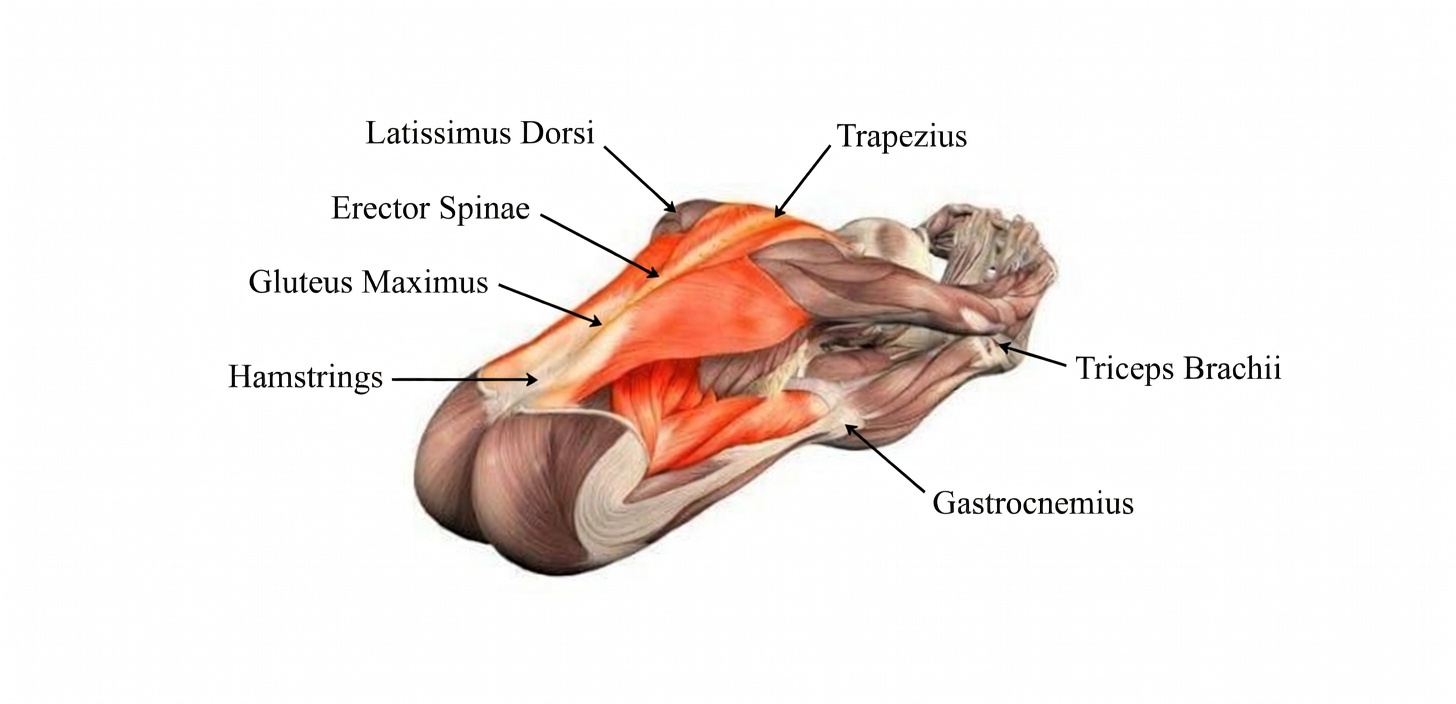
Child’s pose is one of the most familiar stretches in yoga. It gently lengthens the body, encourages relaxation, and can help calm the nervous system.
This version adds a side bend, which gives extra attention to the lat muscles and the sides of the back. That makes it especially useful for people dealing with lower back tightness.
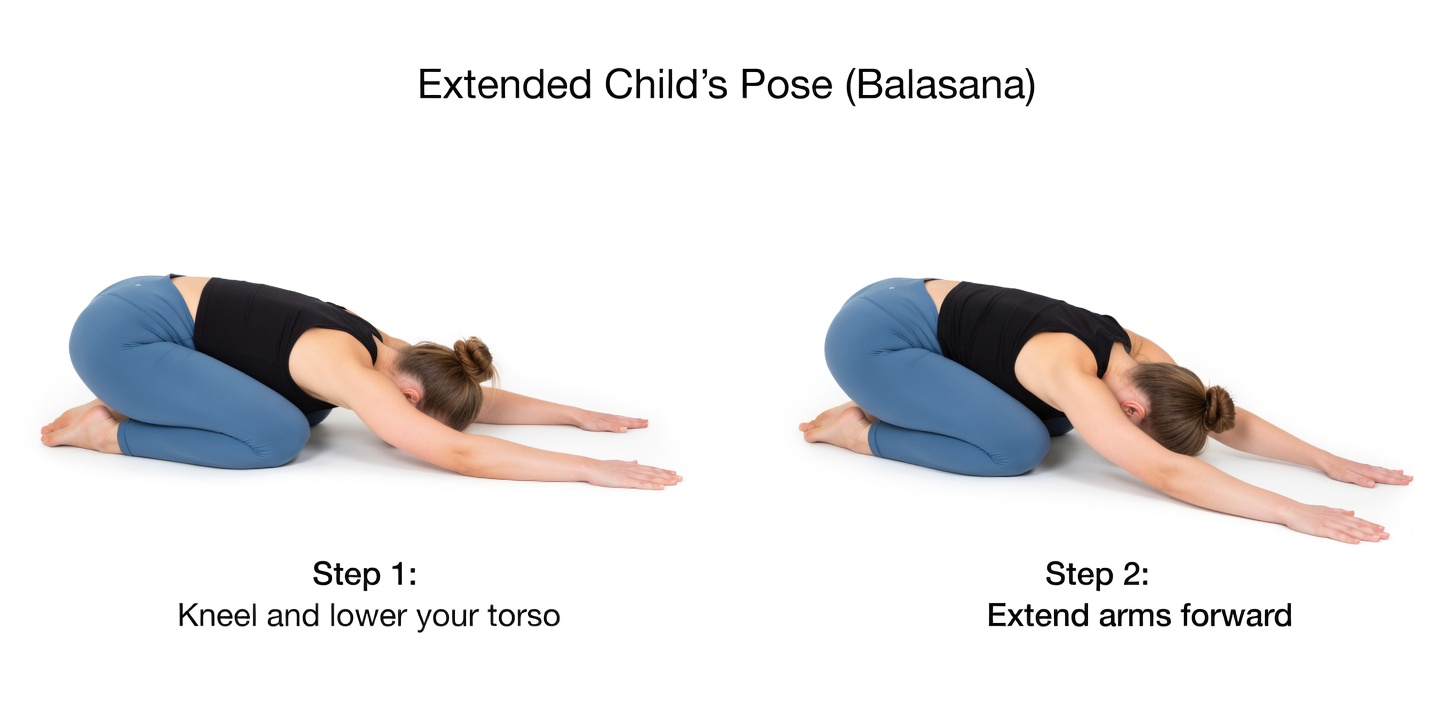
How to do it:
- Begin on your hands and knees.
- Place your left hand over your right hand.
- Slowly sit your hips back toward your heels, aiming to bring your buttocks toward your ankles.
- Hold for 30 seconds.
- Repeat 4 times on each side, once a day.
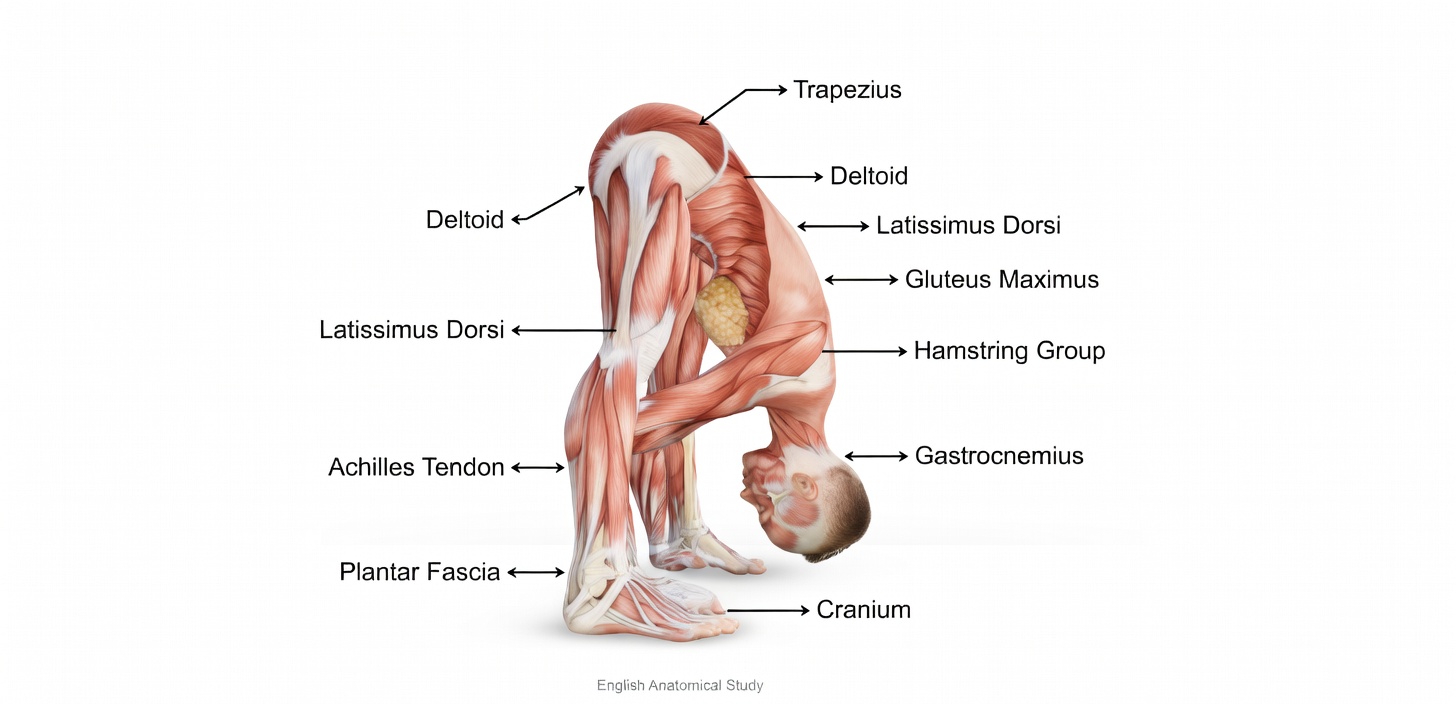
2. Standing Trunk Flexion
For many people with back pain, bending forward can feel intimidating. Still, when tolerated, it is important to gradually bring this movement back into your routine.
Standing trunk flexion lightly stretches the back of the body, including tissues that connect into the lower back. This can help reduce tension and improve flexibility.
How to do it:
- Stand with your feet about hip-width apart.
- Slightly bend your knees.
- Slowly fold forward and reach your hands toward the floor.
- Go only as far as feels manageable.
- Hold for 30 seconds, then slowly roll back up to standing.
- Repeat 4 times per day.
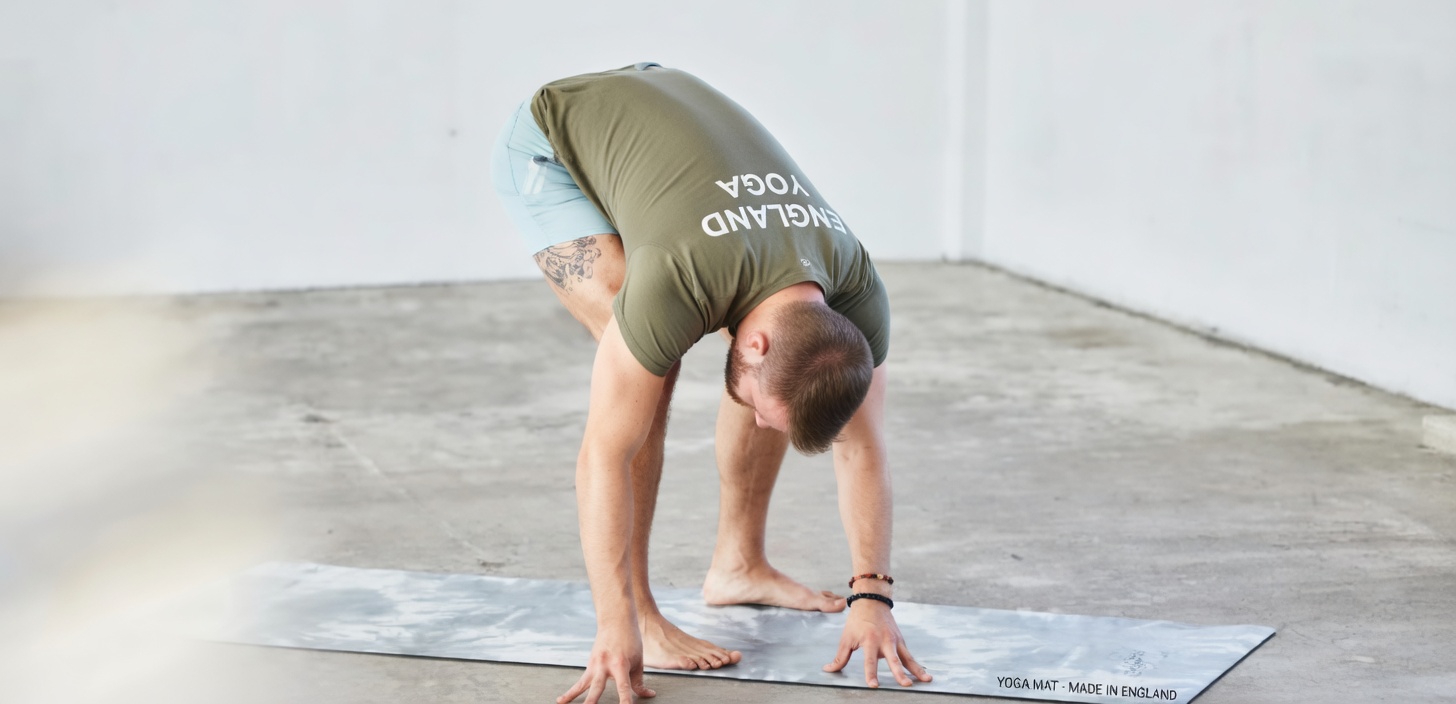
3. Standing Quadratus Lumborum Stretch
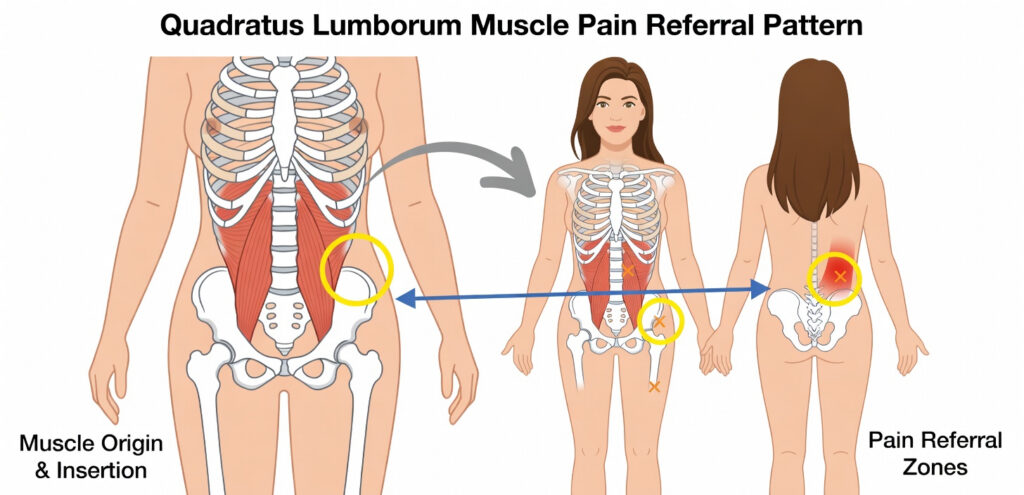
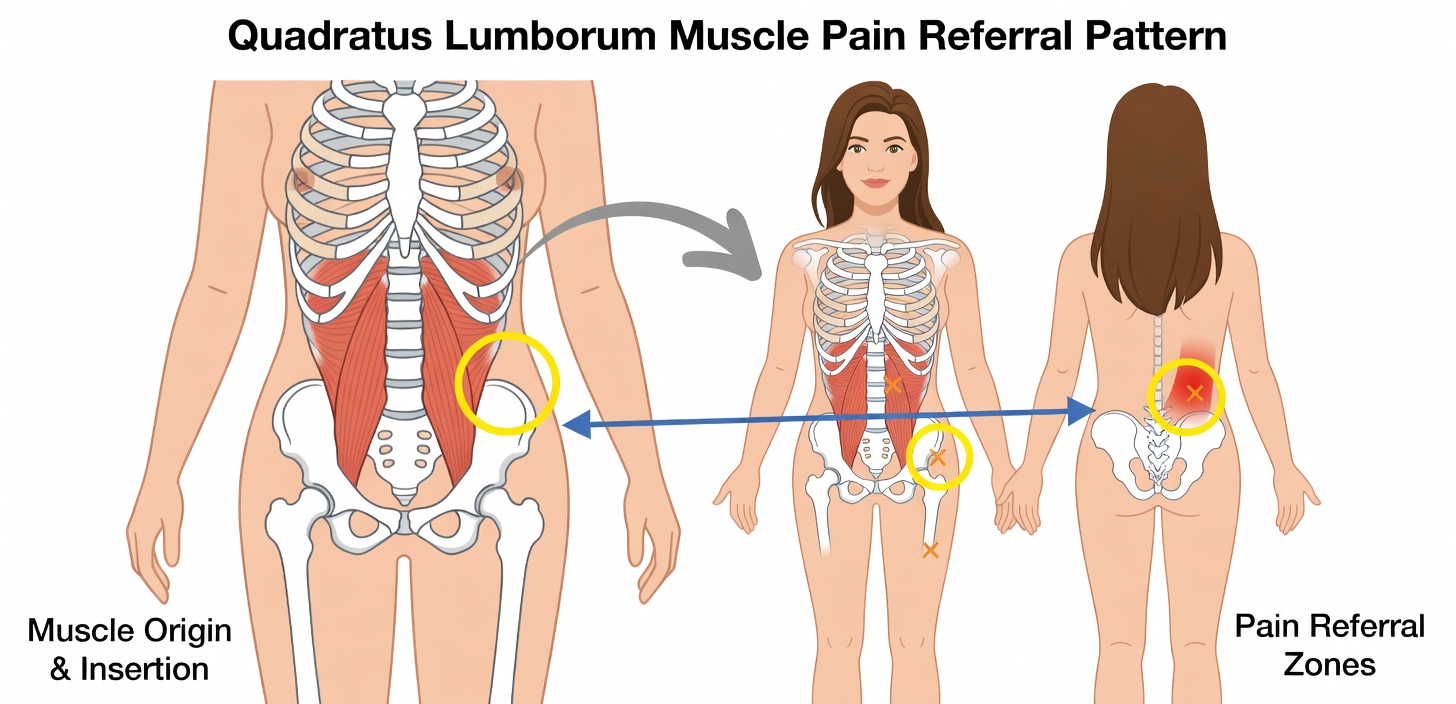
The quadratus lumborum, or QL, is a deep muscle in the lower back that often plays a role in back pain.
When this area is tight, daily stretching may gradually reduce symptoms and improve comfort.
How to do it:
- Stand with your feet hip-width apart and your knees slightly bent.
- Gently fold forward, similar to the standing trunk flexion stretch.
- Walk your hands to the right to target the left QL.
- Hold for 30 seconds.
- Return to standing.
- Repeat 4 times on each side daily.
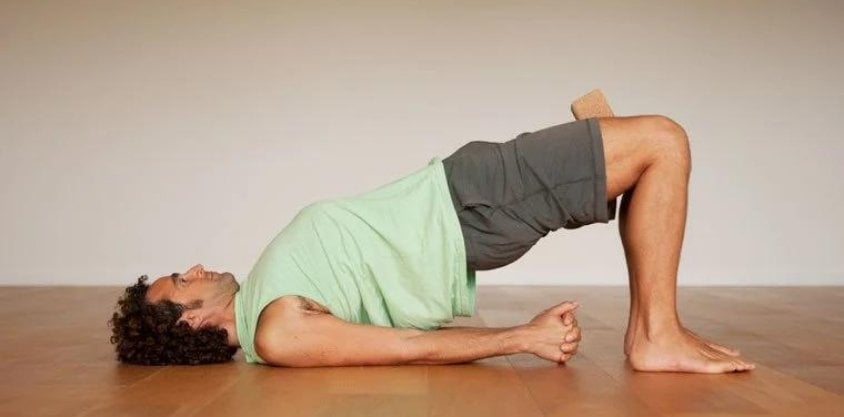
4. Bridges
Bridges are especially helpful because they combine stretching and strengthening in one movement.
Done consistently, this exercise can build better support through the hips and lower back, which may lower the risk of future pain episodes.
How to do it:
- Lie on your back with your knees bent and your feet flat on the floor.
- Tighten your glutes and lift your hips toward the ceiling.
- Hold the top position for 10 seconds.
- Slowly lower back down.
- Repeat 10 times per day.
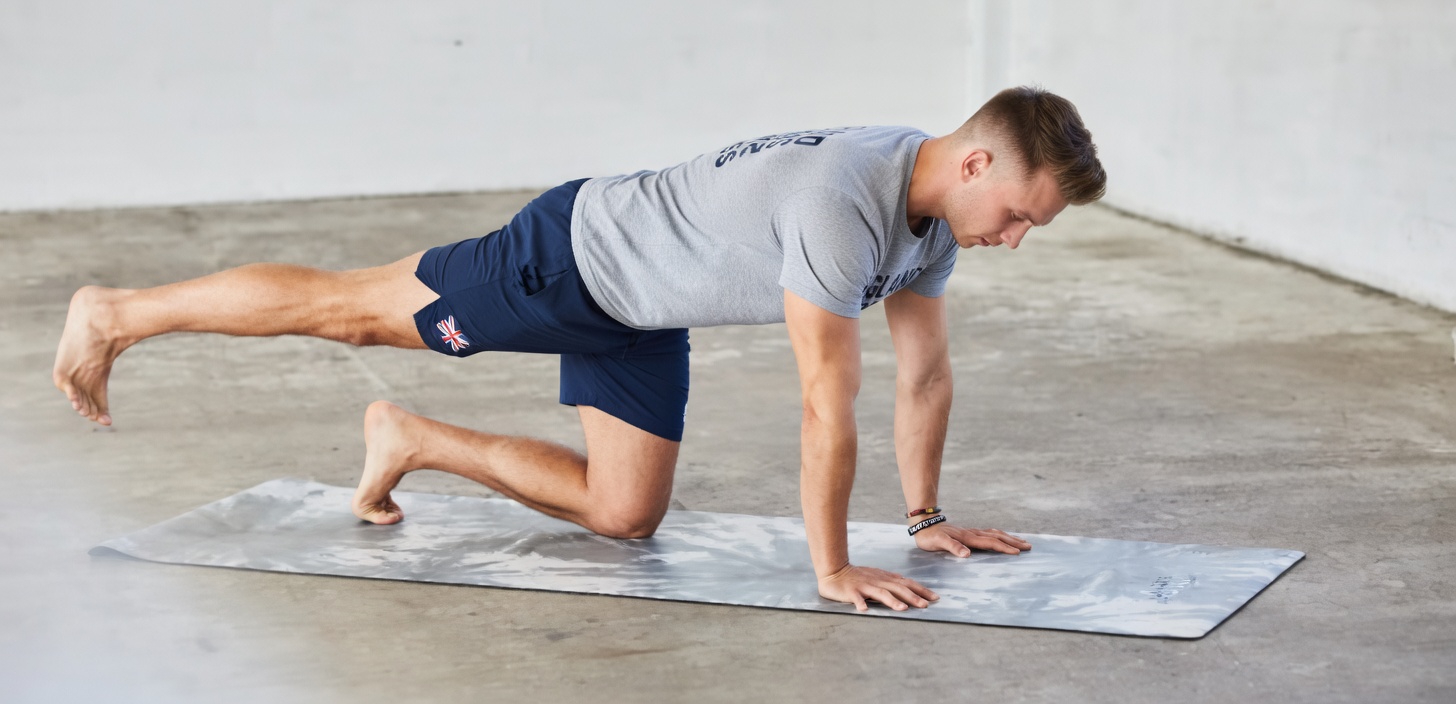
5. Donkey Kick Hold
Donkey kicks are excellent for strengthening the glutes, legs, and core. Since a stronger core helps support the spine, this exercise can be a smart addition to a back pain relief routine.
How to do it:
- Start on your hands and knees.
- Keep your knees under your hips and your hands under your shoulders.
- Extend your right leg straight back, keeping it aligned with your body.
- Hold for 10 seconds.
- Bring the knee back to the starting position.
- Repeat on the other side.
- Complete 10 reps per side, once a day.
6. Dead Bugs
The name may sound funny, but dead bugs are one of the most effective exercises for improving core stability.
A stronger, more stable core can reduce stress on the lower back and support better movement patterns.
How to do it:
- Lie on your back with your knees bent and your feet flat on the floor.
- Reach both hands toward the ceiling and lift your feet off the floor.
- Extend your right arm back overhead while straightening your left leg.
- Return to the starting position.
- Repeat on the opposite side.
- Complete 10 reps per side, once a day.
Final Thoughts
Back pain can be exhausting and disruptive, and most people want fast relief. Although every case is different and some people may need a more specific treatment plan, many episodes of lumbago improve with simple exercises like the ones above.
If you have already tried several options and still do not know what to do next, this routine may be worth adding to your daily recovery plan. Gentle, consistent movement can make a real difference.