Over 65? Try These 5 Types of Exercise to Support Better Health and Fitness
If you are over 65 and want to stay active, it is important to remember that there is no single miracle workout or quick fix for perfect health. Despite what social media trends may suggest, lasting wellness usually comes from something much simpler: moving your body regularly.
Daily movement can deliver wide-ranging benefits, from better strength and mobility to improved mood and overall quality of life. The good news is that you do not need to do everything at once. You can begin with just one type of exercise a few times each week and gradually build a routine that fits your lifestyle.
The key is consistency. Finding enjoyable ways to move every day can have a powerful effect on your physical, mental, and emotional well-being.
5 Best Types of Exercise for Older Adults
Below are five effective forms of exercise that can help adults over 65 stay healthier, stronger, and more independent.
You may also like
- Over 60? These Exercises Help Build Core Strength and Improve Mobility
- Over 50? Science Says These Exercises May Help You Live Longer
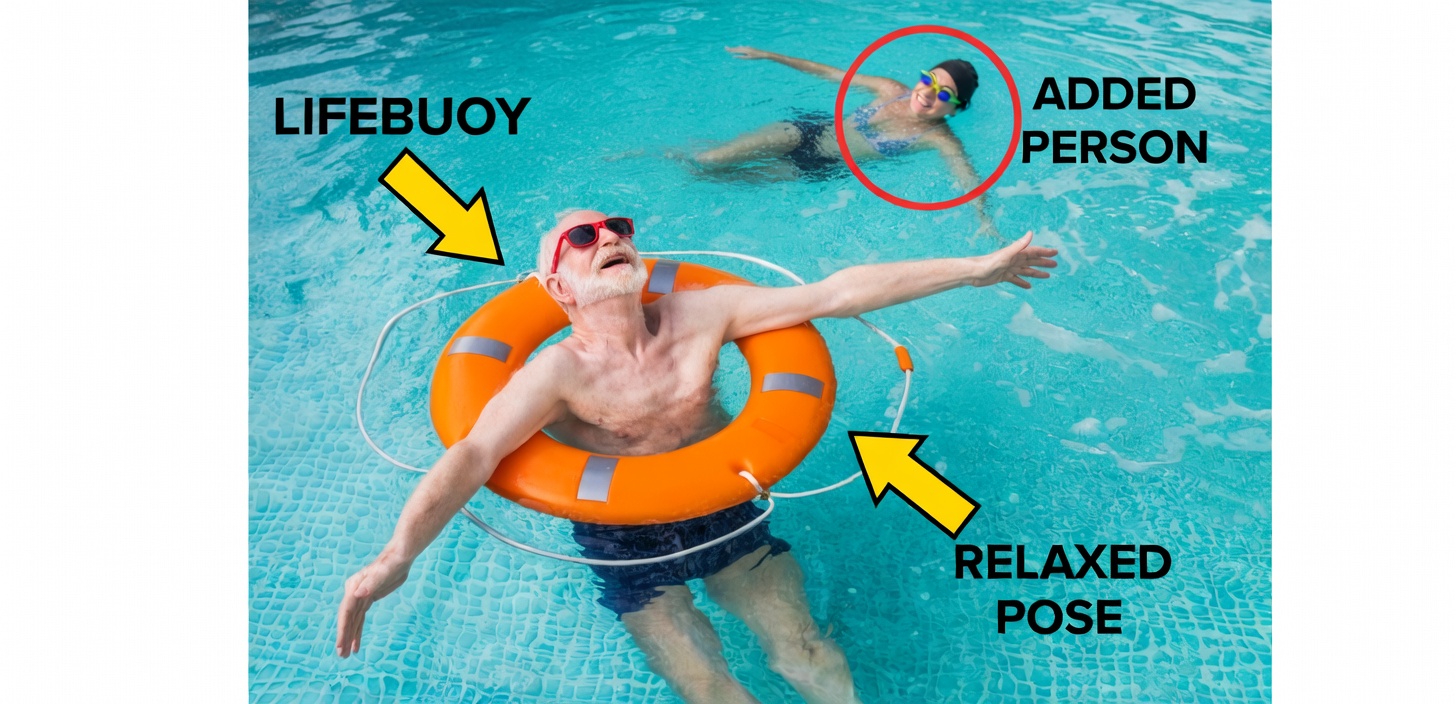
1. Aquatic Exercise
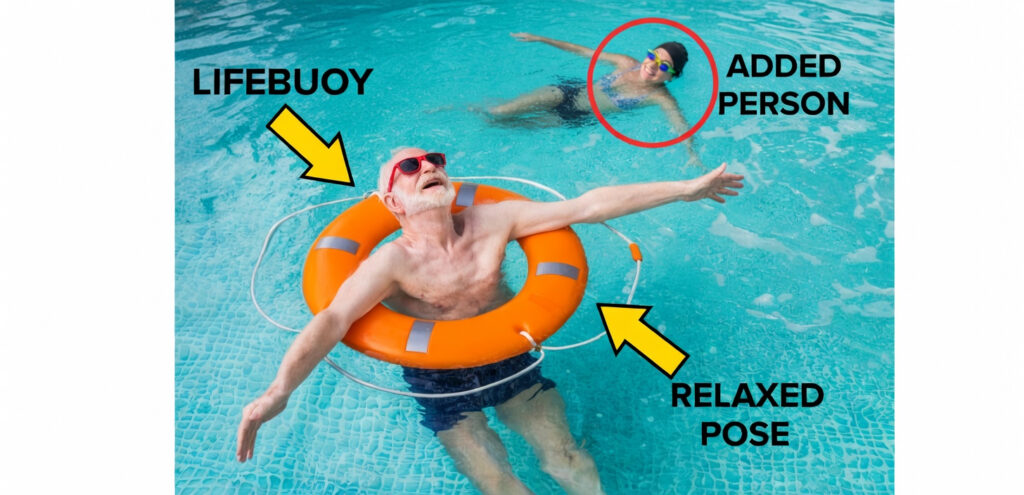
Water-based exercise is one of the most joint-friendly ways to stay active. Swimming, water walking, or doing simple movements in a pool can reduce pressure on the joints, making movement feel easier and more comfortable.
Because water supports the body, it can help you move through a fuller range of motion with less pain. At the same time, water creates resistance from all directions, which means you can strengthen many muscle groups at once.
Even a short session of treading water or doing basic pool exercises can raise your heart rate, burn calories, and challenge muscles throughout the body.
2. Yoga
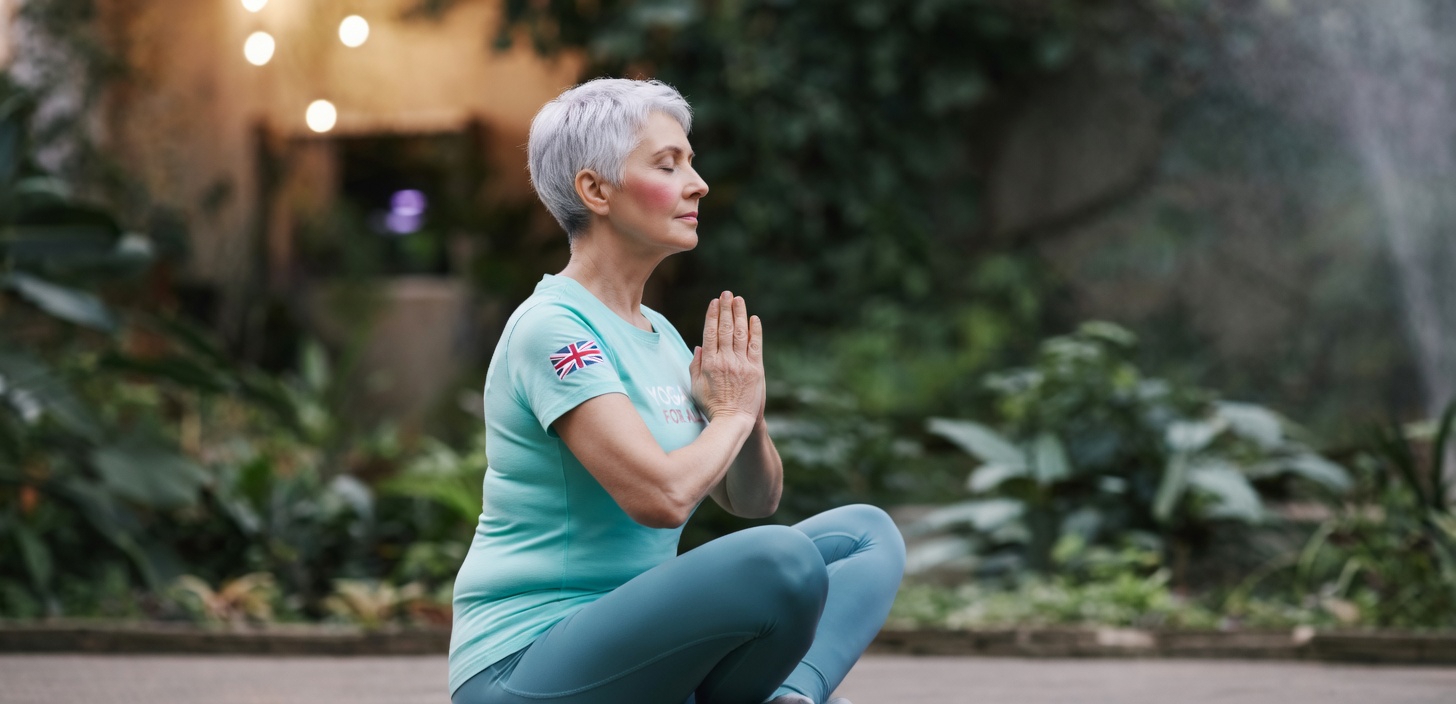
Yoga is often seen as more than just a workout, but you do not need to fully embrace the lifestyle to benefit from it. Simply joining a yoga class a few times a week, either online or in person, can make a meaningful difference.
There are many styles of yoga, from gentle stretching classes to more strength-focused sessions. This variety makes it easier to find an approach that suits your ability level, goals, and preferences.
Regular yoga practice may improve flexibility, balance, posture, and mental calm. It can be especially helpful for older adults who want a low-impact form of exercise that supports both body and mind.
3. Resistance Training
Resistance training is not just for bodybuilders or athletes. It is one of the most valuable forms of exercise for people of all ages, including older adults who want to maintain strength and independence.
This kind of training can involve free weights, machines, resistance bands, or even bodyweight exercises. Some people choose heavier weights to build more muscle, while others prefer lighter resistance with higher repetitions.
No matter the method, resistance exercise helps improve muscle strength, supports bone density, and contributes to better overall function in daily life. It can make everyday tasks like climbing stairs, standing up from a chair, or carrying groceries much easier.
4. Walking or Running
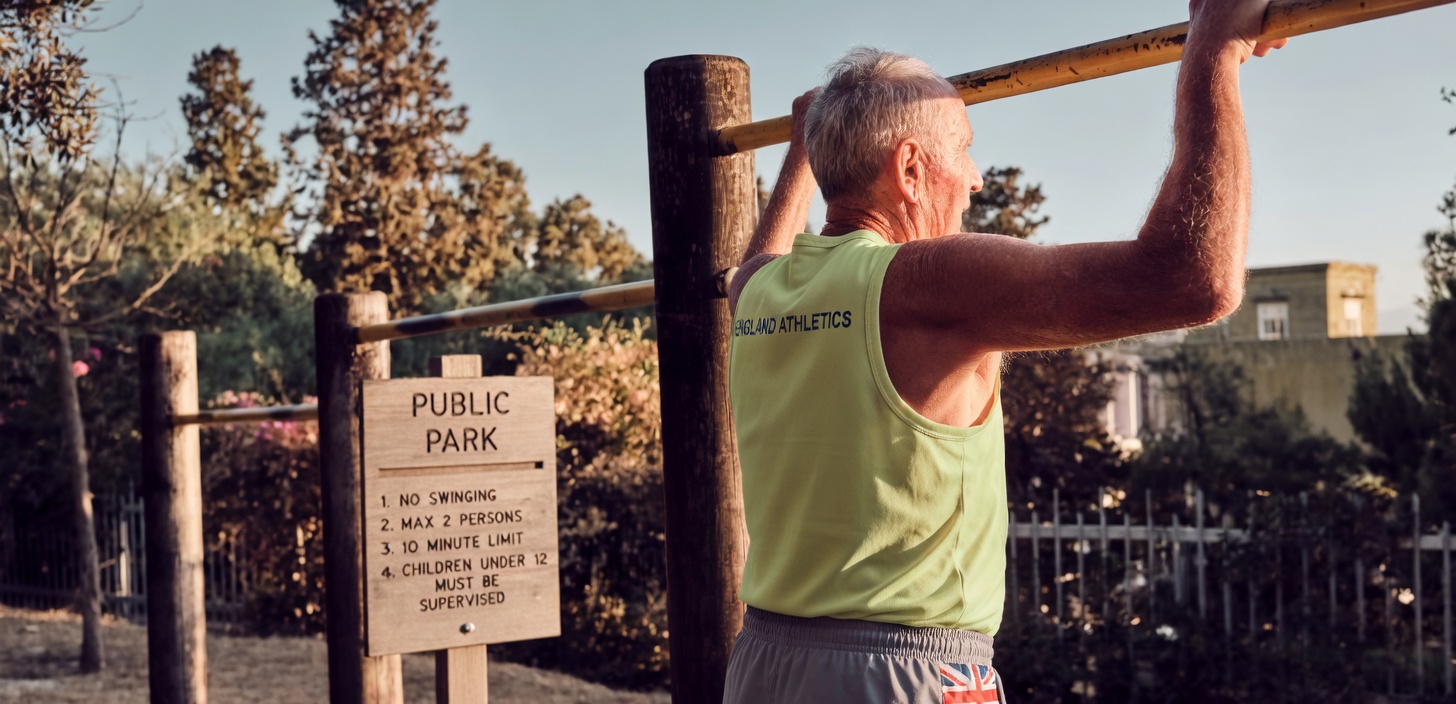
Walking is one of the simplest and most effective ways to stay fit. The human body is built for it, and even a short 20-minute walk each day can provide important health benefits.
Some people debate whether walking on a treadmill is as effective as walking outdoors. While the experience may differ, the most important point is that you are walking regularly. In either form, walking helps improve cardiovascular health and muscular endurance.
For older adults who are able and interested in something more intense, running can also be a great option. It offers many of the same benefits as walking but allows you to cover more ground in less time, making it a more efficient cardiovascular workout.
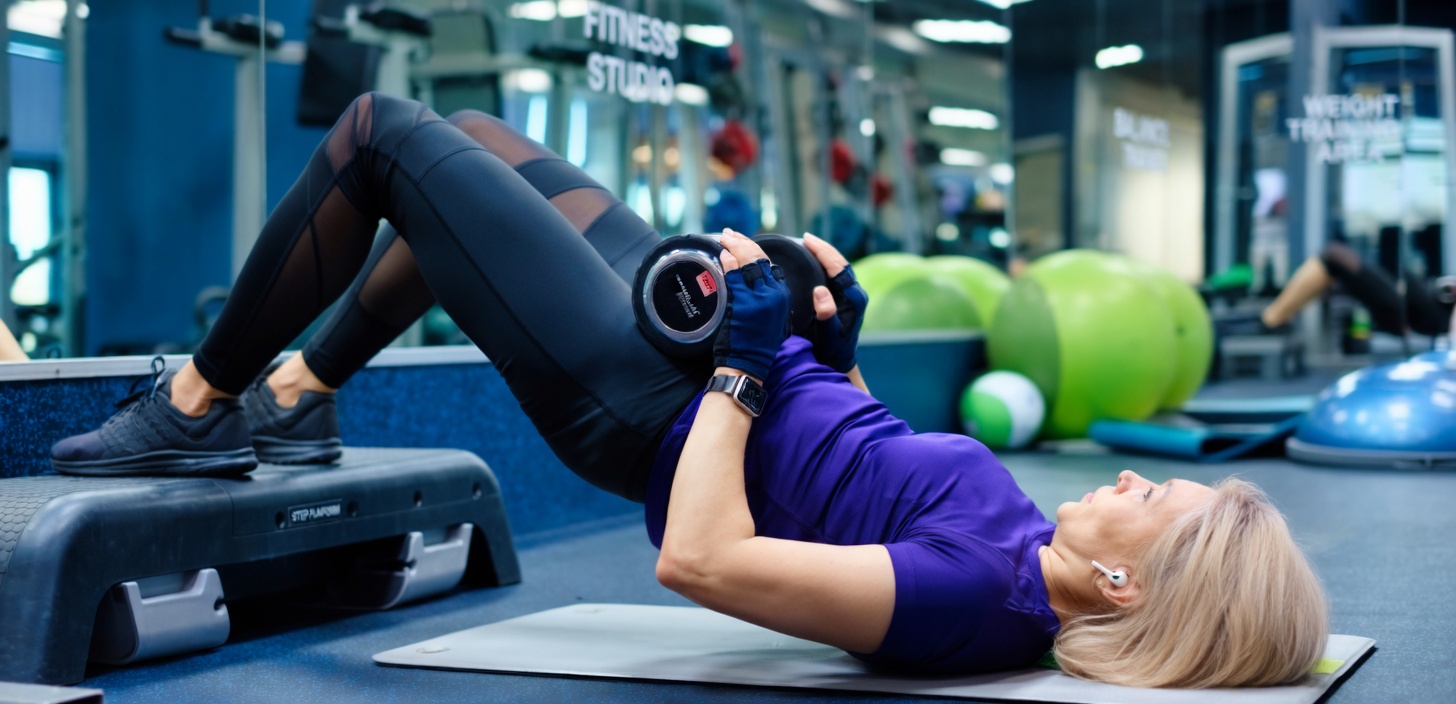
5. Core and Pelvic Floor Exercises
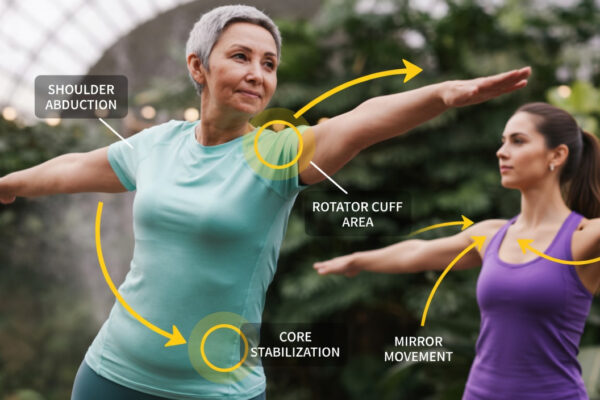
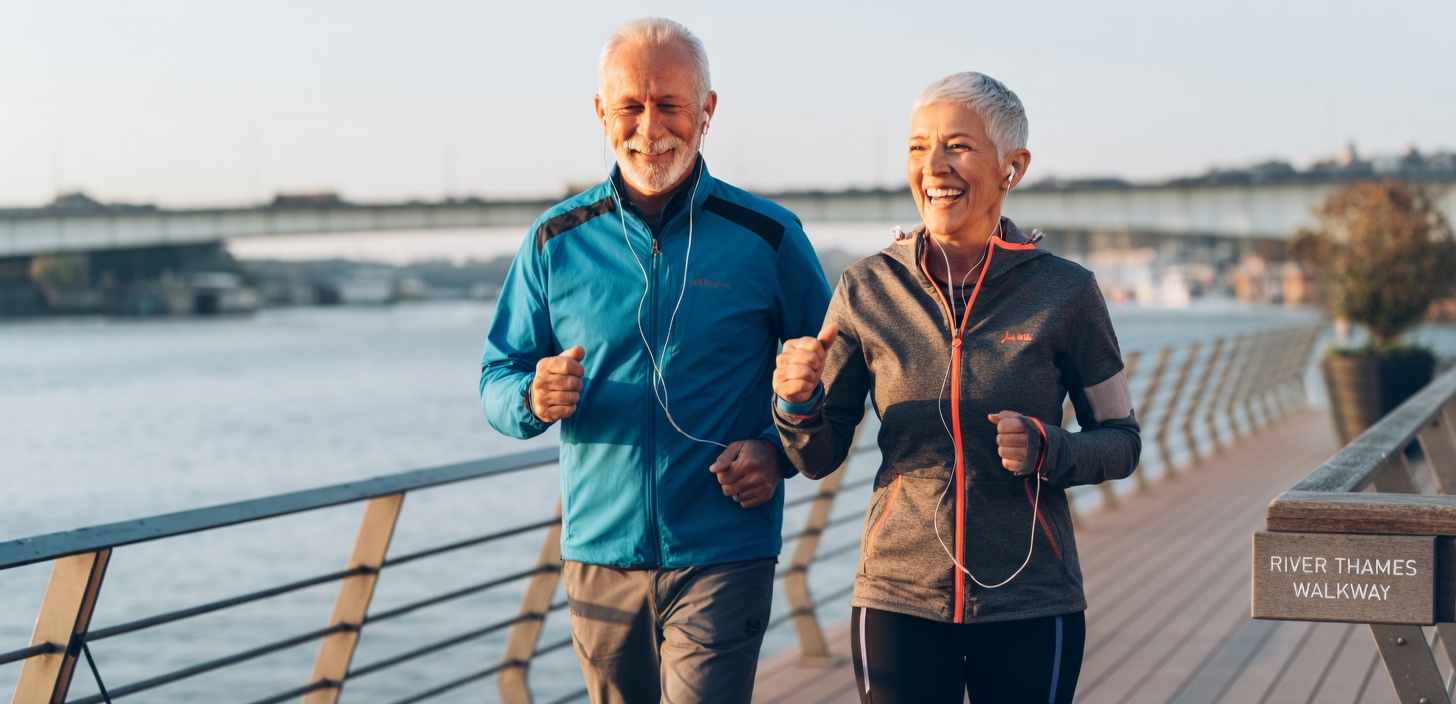
Core strength and pelvic floor function are often overlooked, but they play a major role in overall health, stability, and daily comfort.
Recent medical research has highlighted the importance of pelvic floor muscles, especially in relation to bladder control, reproductive health, and general physical function. People with better pelvic floor control often experience better health outcomes in these areas.
The core includes more than just the abdominal muscles. It generally refers to the muscles of the abdomen, sides, lower back, hips, and deep stabilizing muscles that help support posture and movement.
Training these areas does not need to be complicated. Beginners can start with simple exercises such as Kegels, posture drills, and seated stability work. In fact, some core and pelvic floor exercises can be done while sitting in a chair.
Final Thoughts
Exercise does not have to be confusing or intimidating. There is no universal “best” workout for everyone. The most effective exercise is often the one you enjoy enough to keep doing consistently.
As time goes on, you may decide to add more variety to your fitness routine. But for now, the most important step is simply to move more and sit less. A little activity every day can go a long way toward supporting lifelong health.
Works Cited
- Ochoa, J., Sternad, D., & Hogan, N. (2017). Treadmill vs. overground walking: different response to physical interaction. Journal of Neurophysiology, 118(4), 2089–2102. https://doi.org/10.1152/jn.00176.2017
- Kim, K. H., Lee, B. A., & Oh, D. J. (2018). Effects of aquatic exercise on health-related physical fitness, blood fat, and immune functions of children with disabilities. Journal of Exercise Rehabilitation, 14(2), 289–293. https://doi.org/10.12965/jer.1836068.034
- Hong, A. R., & Kim, S. W. (2018). Effects of resistance exercise on bone health. Endocrinology and Metabolism, 33(4), 435–444. https://doi.org/10.3803/EnM.2018.33.4.435
- Cho, S. T., & Kim, K. H. (2021). Pelvic floor muscle exercise and training for coping with urinary incontinence. Journal of Exercise Rehabilitation, 17(6), 379–387. https://doi.org/10.12965/jer.2142666.333