How to Lose Fat and Gain Muscle at the Same Time
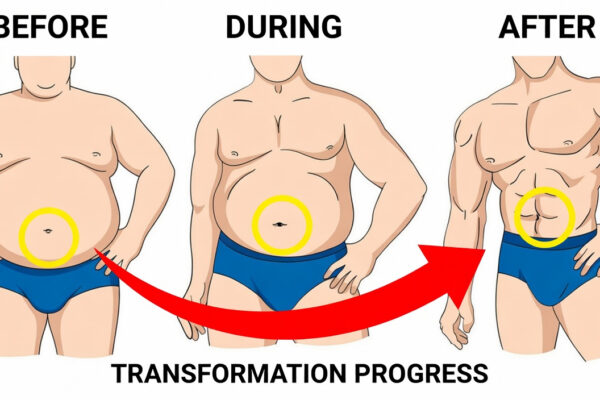
Reducing body fat while building and preserving lean muscle is challenging, but it can absolutely be done with the right approach. In fact, improving body composition in this way is one of the smartest goals for long-term health and fitness.
Lean muscle plays a major role in strength, endurance, joint support, and metabolic function. Because muscle tissue burns more energy than fat tissue, having more muscle can help your body use more calories throughout the day.
Simply put, the more lean muscle you carry, the easier it becomes to support a healthy metabolism.
Why Body Recomposition Matters
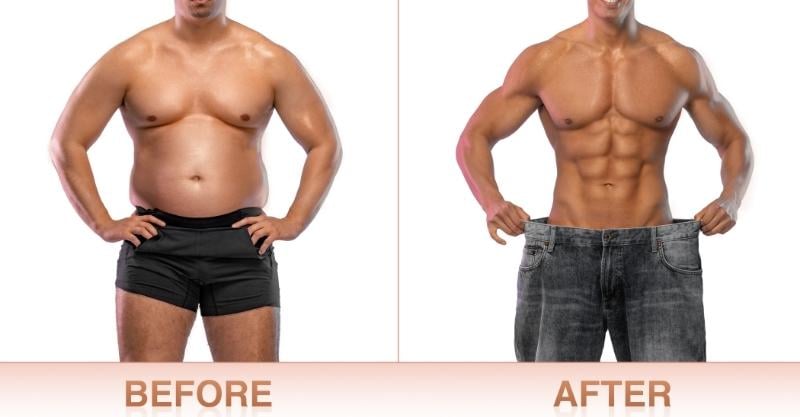
Many people trying to lose weight end up losing muscle along with fat. This often happens when the plan relies too heavily on severe calorie restriction and too much cardio.
If your goal is to lose fat without sacrificing muscle, your strategy needs to be more balanced. The good news is that science supports several effective methods for doing exactly that.
Below are seven proven ways to help you burn fat, maintain muscle, and even build more lean mass while working toward your weight-loss goals.

1. Maintain Only a Small Calorie Deficit
A common weight-loss tip is to cut calories aggressively. But if you want to lose fat and gain muscle, a large calorie deficit can work against you.
When calories drop too low, the body is more likely to break down muscle tissue along with body fat. A more moderate deficit helps protect your lean mass while still allowing fat loss to happen.
Research published in 2016 found that obese participants who followed a very low-calorie diet for four months lost almost 9% of their muscle mass. Those who reduced calories more moderately lost only 1.3%.
The bigger the calorie deficit, the greater the risk of muscle loss. And when muscle is lost, the body has fewer resources for building strength and improving body composition.
To support fat loss while preserving muscle, aim for slow and steady progress. Losing around 1 to 2 pounds per week is generally a more effective target than rapid weight loss.
2. Add HIIT to Your Routine
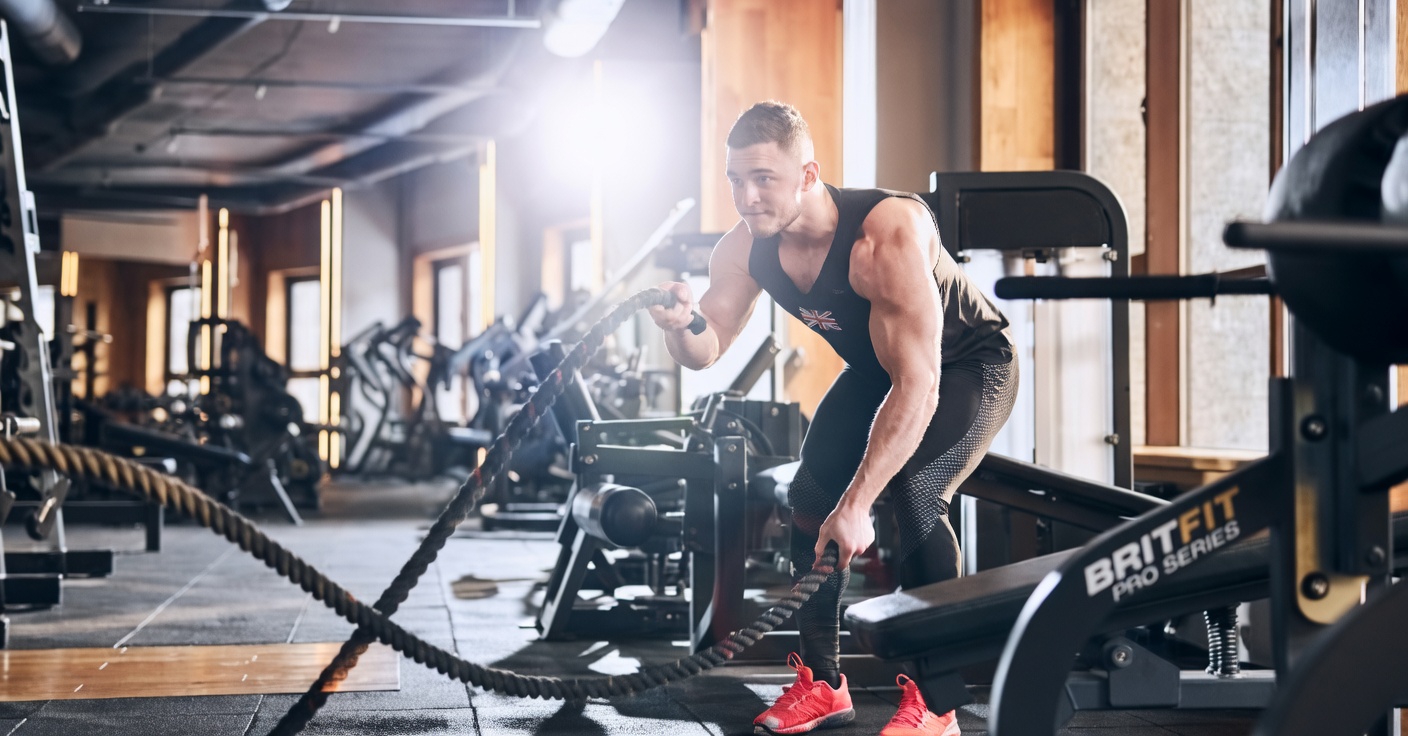
If your current training plan is built mostly around weights, consider including HIIT cardio as well.
HIIT, or high-intensity interval training, alternates short bursts of maximum effort with brief recovery periods. This style of exercise is highly effective for fat burning because it increases calorie use both during the workout and after it ends.
You can do HIIT with classic cardio movements such as:
- Sprinting
- Fast cycling
- Jump rope
- Rowing
You can also use full-body exercises like:
- Squat jumps
- Push-ups
- Kettlebell swings
- Sled pushes
The idea is simple: push hard for a short period, recover briefly, then repeat. These repeated intervals of high and low intensity can help improve conditioning and support a faster metabolism.
3. Eat More Protein
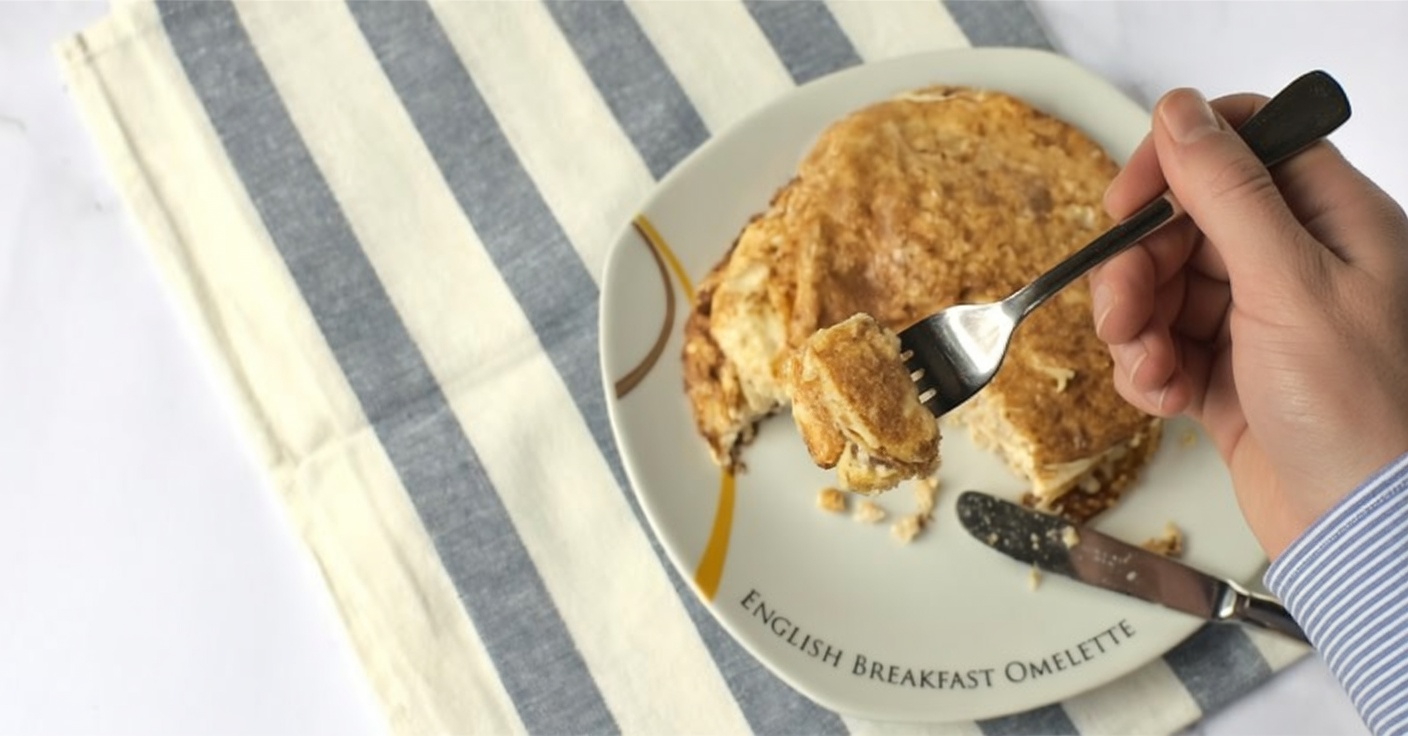
If you are trying to build muscle while losing fat, protein should be a top priority.
Protein provides the amino acids your body needs to repair and grow muscle tissue. It is also essential for protecting lean mass during a calorie deficit, when the body is more vulnerable to muscle breakdown.
A high-protein diet can also help maintain metabolic rate, since keeping muscle mass intact supports daily calorie burn.
Good protein-rich foods include:
- Fish and seafood
- Eggs
- Chicken and turkey
- Lean meats
- Greek yogurt
- Beans and legumes
- Nuts and seeds
Try to include a quality protein source in every meal to better support muscle maintenance and recovery.
4. Focus on Compound Strength Training
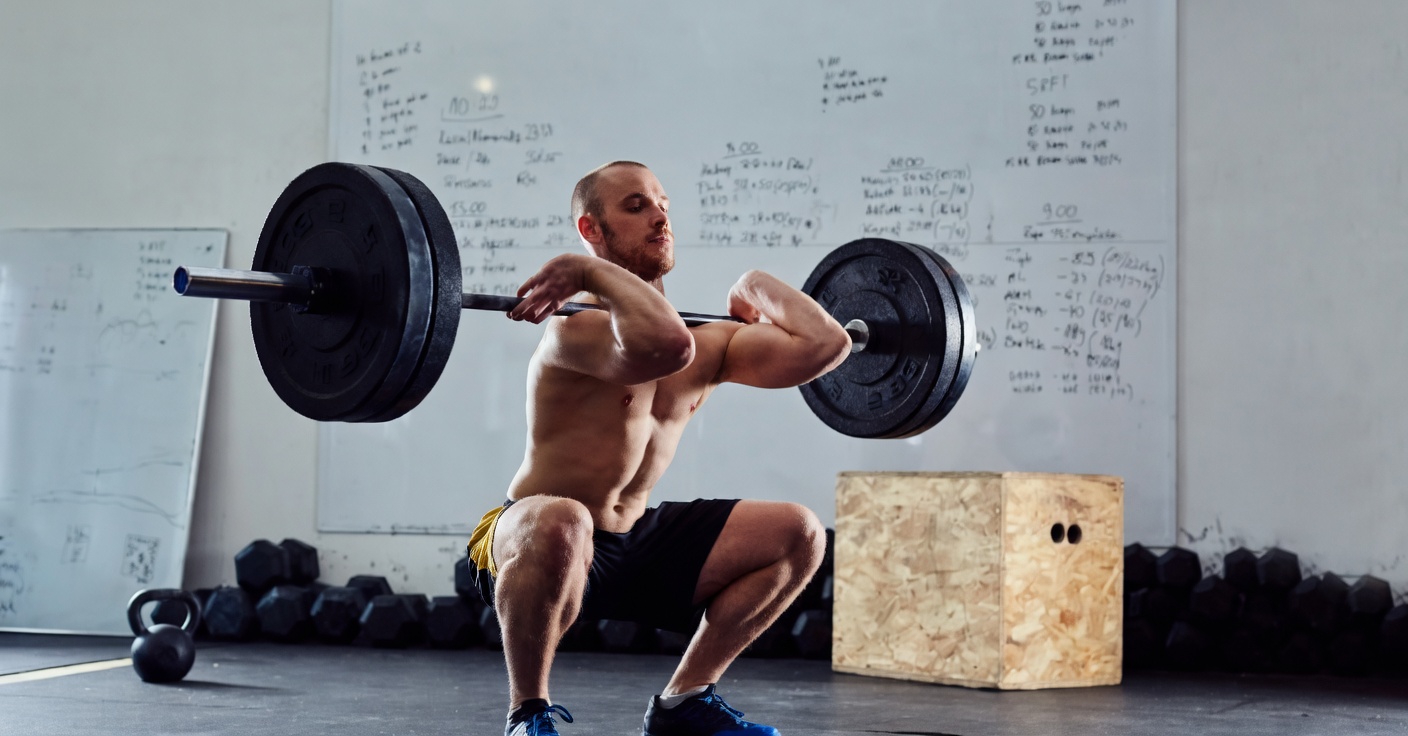
If building muscle is part of your goal, strength training is non-negotiable. And among strength exercises, compound movements are especially effective.
Compound exercises work multiple muscle groups at the same time, making them ideal for gaining muscle and burning fat efficiently. Strength training creates tiny tears in the muscle fibers, and with proper rest and enough protein, the muscles rebuild stronger.
Experts generally recommend:
- At least 2 strength-training sessions per week to maintain muscle
- 3 or more sessions per week to build additional lean mass
A Harvard School of Public Health study involving 10,500 adults found that strength training not only helps build muscle, but also supports reductions in abdominal fat.
Some of the best compound exercises include:
- Squats
- Deadlifts
- Chest presses
- Pull-ups
- Rows
- Overhead presses
Make these lifts the foundation of your weekly workout plan if you want to lose fat and gain muscle at the same time.
5. Support Healthy Testosterone Levels
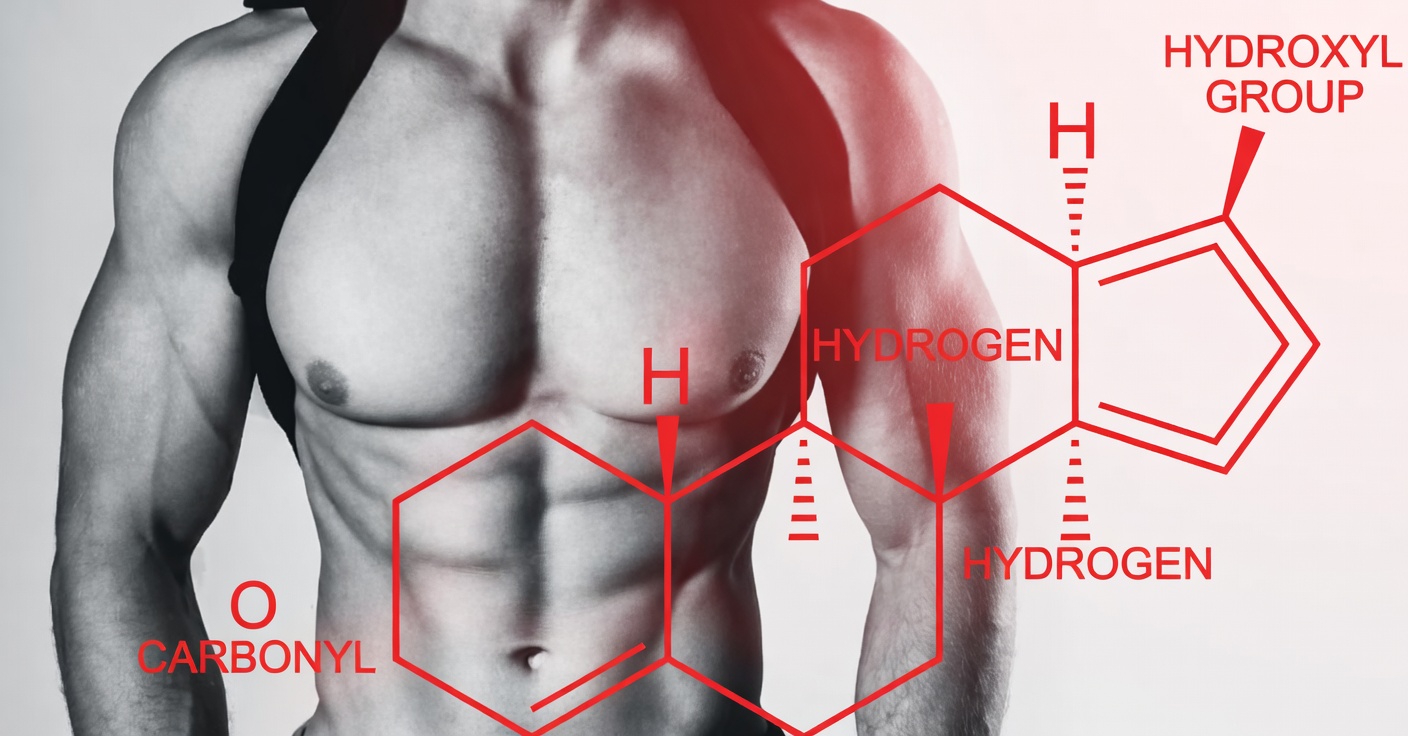
There is strong evidence linking obesity, especially excess belly fat, with lower testosterone levels. Since testosterone plays an important role in muscle growth, energy, and fat metabolism, keeping it in a healthy range can support better results.
One of the most effective ways to naturally support testosterone is through heavy resistance training, especially with full-body compound movements.
Exercises that stimulate large muscle groups tend to produce a stronger hormonal response. Effective options include:
- Squats
- Deadlifts
- Barbell presses
- Rows
Building your workouts around these heavier lifts may help support muscle growth, improve strength, and encourage faster fat loss.
6. Include Healthy Fats in Your Diet
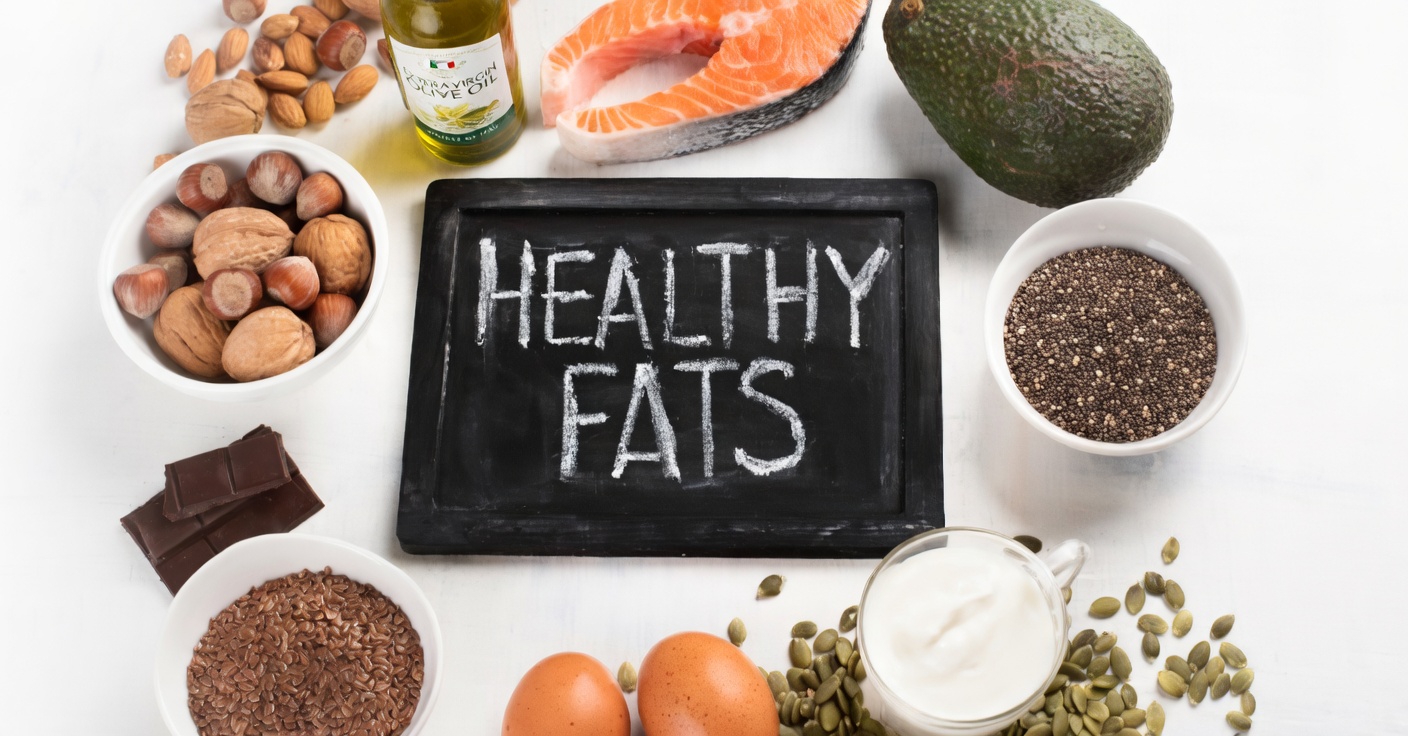
Dietary fat is often misunderstood, but healthy fats are essential for overall wellness and can also support body recomposition.
Nutritious fat sources may help with:
- Hormone production
- Satiety and appetite control
- Muscle growth support
- Fat-loss progress
Some of the best sources of healthy fats include:
- Avocados
- Nuts and seeds
- Olive oil
- Fatty fish
- Fish oil
These foods may help you feel fuller for longer while also supporting testosterone levels. Just focus on natural, minimally processed fat sources and avoid artificial fats such as margarine and lard.
7. Prioritize High-Quality Sleep
Sleep is one of the most overlooked factors in fat loss and muscle gain. You can train hard and eat well, but poor sleep can still slow your progress.
Research shows that inadequate sleep is strongly linked to obesity and increased belly fat. It can also make it harder for the body to burn fat efficiently and preserve muscle.
One study from Chicago found that poor sleep can reduce fat loss and increase muscle loss by as much as 60%. Sleep deprivation may also lower daytime testosterone levels by 10% to 15%, which can interfere with recovery, performance, and body composition goals.
To improve results, aim for:
- 7 to 8 hours of sleep each night
- A consistent bedtime
- Earlier sleep when possible
- A sleep-friendly environment with minimal distractions

Final Thoughts
Losing fat while building or maintaining muscle requires a smart, consistent plan. The most effective strategy is not extreme dieting or endless cardio. Instead, focus on:
- Keeping your calorie deficit small
- Adding HIIT sessions
- Eating enough protein
- Prioritizing compound strength exercises
- Supporting healthy testosterone levels
- Including healthy fats
- Getting enough quality sleep
When these habits work together, you give your body the best chance to burn fat, protect lean muscle, and become stronger over time.