Forward Head Posture: Causes, Symptoms, and Simple At-Home Treatments
Forward Head Posture, often called FHP, is a very common musculoskeletal problem in modern life. It is frequently linked to spending long hours texting, using a laptop, or sitting at a computer with poor posture.
Because so many people now spend much of the day looking down at screens or sitting at desks, a large portion of the population may experience forward head posture at some point.
The good news is that there are several effective and low-risk ways to manage FHP at home, especially through posture correction and targeted exercises.
You may also like
- 5 Best Exercises to Protect Your Back and Improve Posture
- The Only 5 Ab Exercises You Need for Better Core Strength
What Is Forward Head Posture?
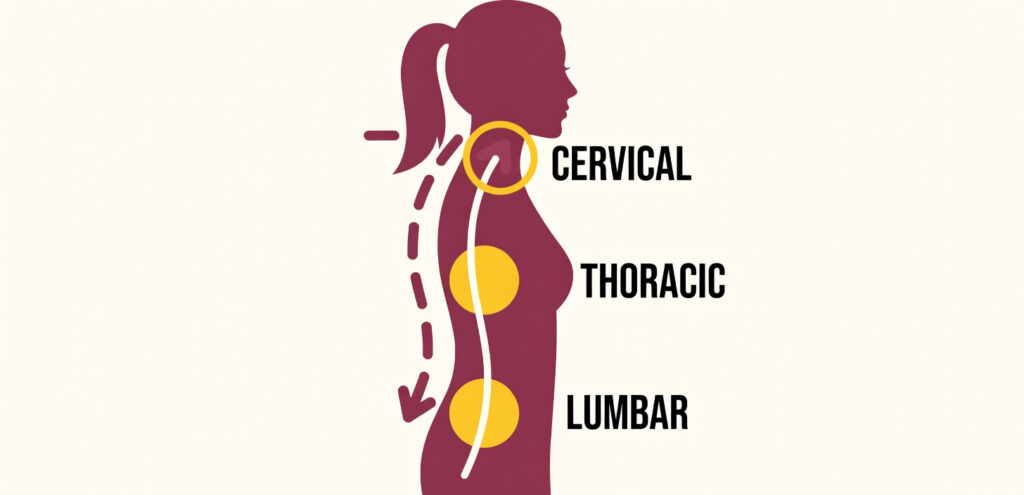
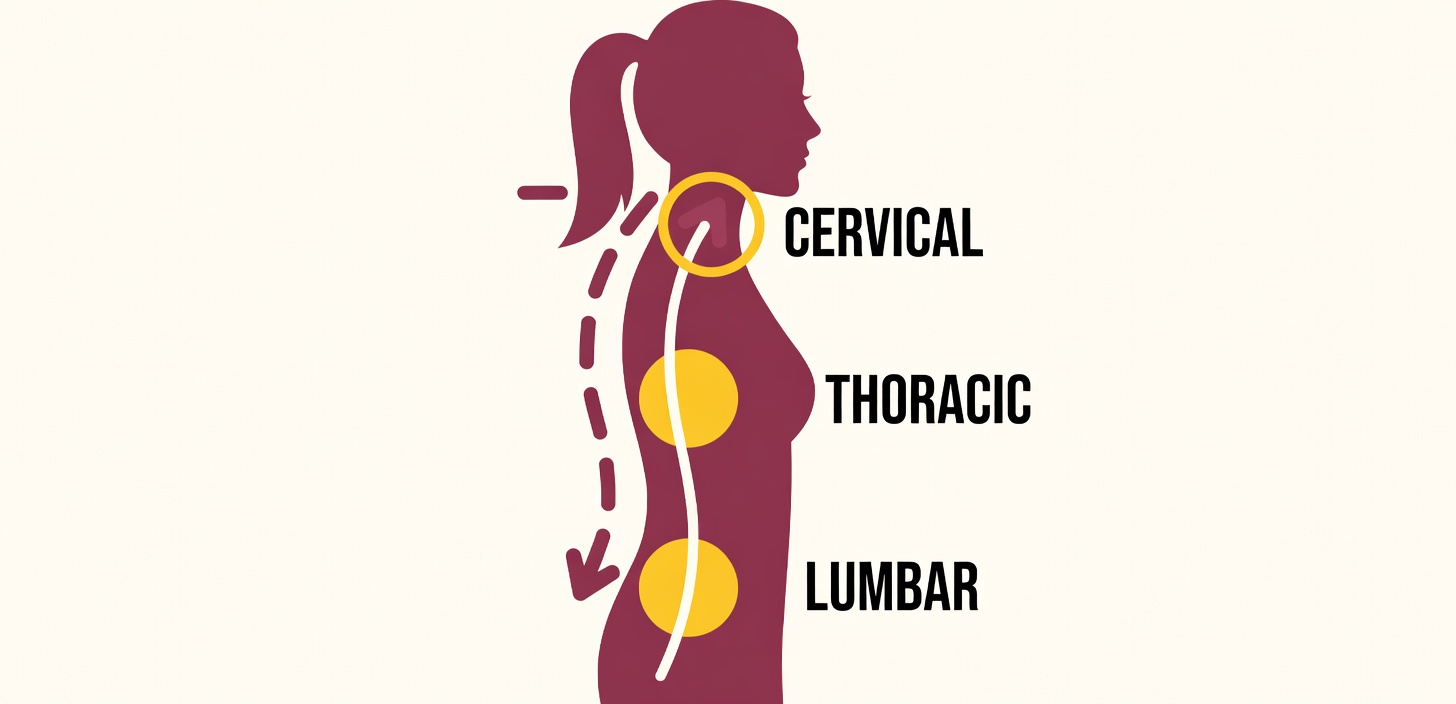
Forward head posture is best described as a slouched body position in which the head shifts in front of the shoulders. Picture a student or office worker sitting with the chin pushed forward, shoulders rounded, and upper back collapsed.
In many cases, FHP is not considered a serious medical condition. Even so, if you have pain, numbness, or any other concerning symptoms, it is wise to speak with a healthcare professional.
What Causes Forward Head Posture?
The most common reason for FHP is staying in poor alignment for long periods of time. It often develops in office workers, students, and anyone who spends hours sitting and looking at a screen.
However, screen use is not the only possible cause. Other contributing factors may include:
- Genetics
- Overall muscle weakness, especially in the upper body
- Certain diseases or medical disorders
- Past injuries or trauma
- Other lifestyle and physical factors
Common Symptoms of FHP
Forward head posture does more than affect the way you look. It can also lead to a range of uncomfortable physical symptoms, such as:
- Neck pain
- Shoulder pain
- Headaches
- Poor balance
- Nerve-related symptoms in the arms or hands
- Reduced mobility and flexibility
- TMJ discomfort

Effective Treatments for Forward Head Posture
Many treatment options can help improve both the symptoms and the underlying causes of forward head posture.
One of the most helpful approaches is corrective exercise. If you have noticed that your head and neck posture has shifted forward, the following movements may help restore better alignment.
1. Supine Chin Tucks
Chin tucks are one of the most common exercises used to address forward head posture. They are simple, gentle, and easy to do at home. Even a few repetitions per day can make a difference.
A good starting goal is:
- 10 repetitions per day
- Hold each repetition for 10 seconds
This movement can also be done while standing, but lying down may make it easier for beginners.
How to do it
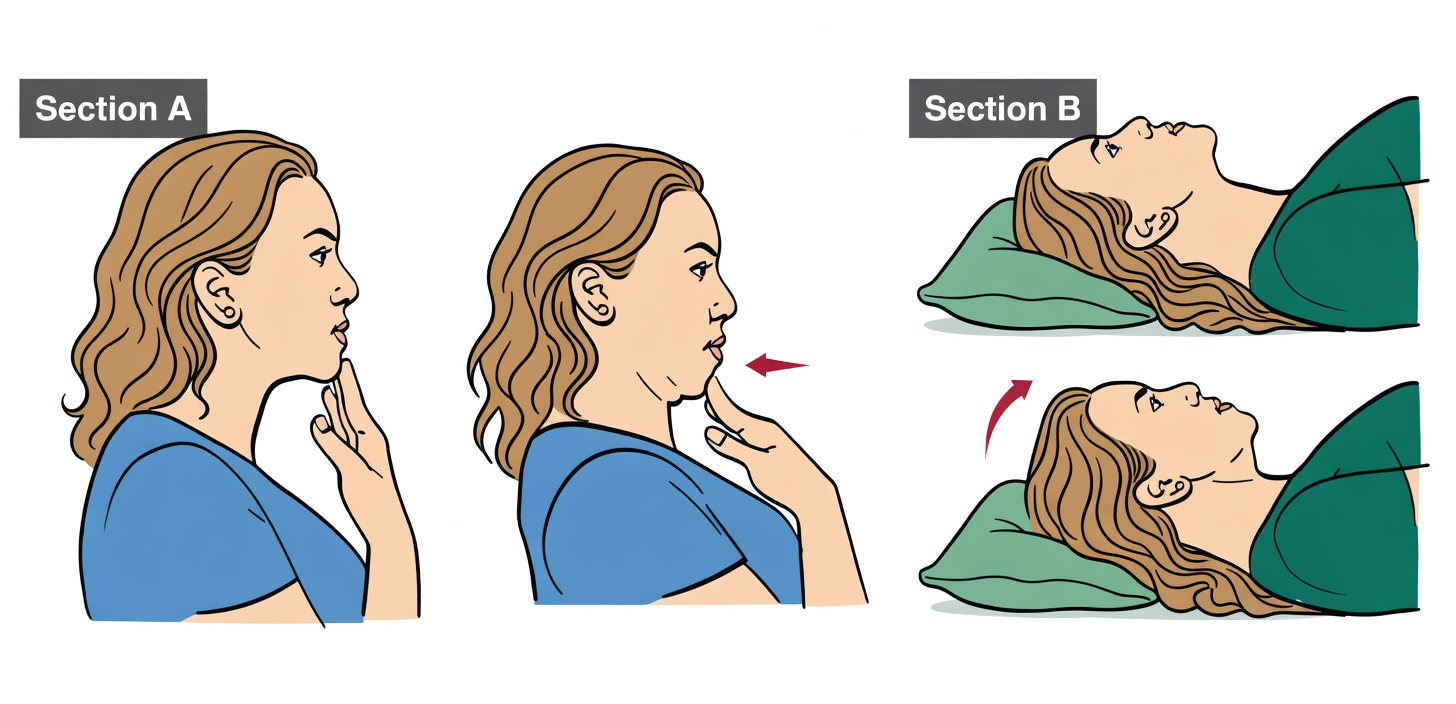
- Lie on your back on a flat surface.
- Keep your head unsupported, without a pillow.
- Gently draw your chin backward.
- Think of making a “double chin” to guide the motion.
- Hold briefly, then relax and repeat.
2. Wall W Exercise
The wall “W” exercise may look easy, but it actually demands good mobility, control, flexibility, and upper-body strength. Start with 10 repetitions daily.
How to do it
- Stand with your head, upper back, buttocks, and heels against a wall.
- Keep your neck in a chin tuck position throughout the exercise.
- Place your arms against the wall in a W shape, with the backs of your hands touching the wall if possible.
- Slowly slide your arms upward and then downward while maintaining contact with the wall.
- Try to keep the following points touching the wall during the movement:
- Back of the head
- Back
- Buttocks
- Heels
- Elbows
- Hands
3. Trapezius and Neck Extensor Stretch
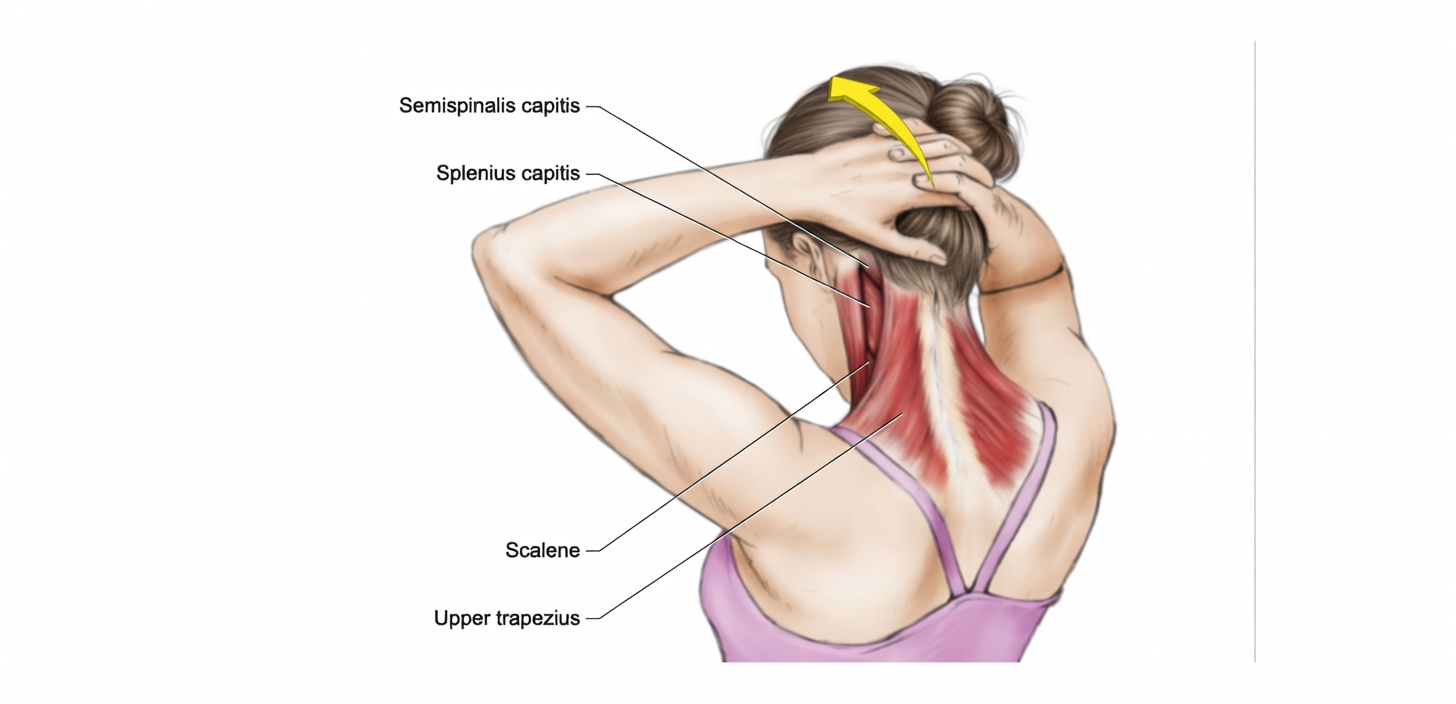
The muscles in the back of the neck and upper shoulders play a major role in posture. If these muscles become tight, weak, or both, maintaining proper alignment becomes much harder.
Regular stretching of this region may help reduce discomfort and support a healthier neck position.
How to do it
- Lightly place one or both hands on your head.
- Gently guide your chin down toward your chest.
- You should feel a mild stretch along the back of the neck.
- Hold the stretch for 30 seconds.
- Repeat it 4 times per day.
Other Treatment Options for FHP
Exercise is helpful, but it is not the only way to manage forward head posture.
Some healthcare providers use kinesiology tape to support posture and reduce strain. In addition, certain forms of manual therapy may also ease symptoms, including:
- Massage
- Cervical manual techniques
- Hands-on therapy from trained professionals
These methods may be especially useful when combined with strengthening and stretching exercises.
Why Postural Awareness Matters
Your central nervous system, which includes the brain and spinal cord, constantly sends and receives signals throughout the day.
When your body is in better alignment, those signals can travel more efficiently. That is one reason why posture awareness is important for overall health and movement quality.
Becoming more aware of your posture takes practice, but it is possible. If you have trouble noticing how you are sitting or standing, one simple strategy is to use a mirror to check your alignment. A physical therapist or other qualified professional can also teach you techniques to improve posture over time.
Ideal Desk Posture: The 90-90-90 Rule
A commonly recommended sitting position is the 90-90-90 rule. This means that your:
- Knees should be bent to about 90 degrees
- Hips should be bent to about 90 degrees
- Elbows should be bent to about 90 degrees
Also keep these desk posture tips in mind:
- Place your feet flat on the floor
- Adjust your screen so you can look straight ahead
- Avoid constantly looking down or up at your monitor
- Sit in a way that supports your back rather than encouraging slouching
Small changes to your workstation can make a big difference in reducing forward head posture over time.
Should You See a Doctor for Forward Head Posture?
As with any health concern, it is a good idea to check in with your doctor. In many cases, FHP is connected to daily habits and posture patterns. Still, some symptoms may be related to a medical issue that needs proper evaluation.
You should especially consider medical advice if you have:
- Persistent or worsening pain
- Numbness or tingling
- Severe headaches
- Balance problems
- Symptoms after an injury
Final Thoughts
Forward head posture is a common and often uncomfortable condition that can interfere with daily life. It is usually linked to modern habits such as frequent texting, prolonged computer use, and poor desk setup.
In many cases, FHP can improve through posture correction exercises, increased body awareness, and supportive treatments like manual therapy. While it is not usually a serious condition, discussing your symptoms with a doctor is still a smart step so you can receive the right guidance and care.
References
- Kim, D. H., Kim, C. J., & Son, S. M. (2018). Neck Pain in Adults with Forward Head Posture: Effects of Craniovertebral Angle and Cervical Range of Motion. Osong Public Health and Research Perspectives, 9(6), 309–313. https://doi.org/10.24171/j.phrp.2018.9.6.04
- Mahmoud, N. F., Hassan, K. A., Abdelmajeed, S. F., Moustafa, I. M., & Silva, A. G. (2019). The Relationship Between Forward Head Posture and Neck Pain: A Systematic Review and Meta-Analysis. Current Reviews in Musculoskeletal Medicine, 12(4), 562–577. https://doi.org/10.1007/s12178-019-09594-y
- Lee, E., & Lee, S. (2019). Impact of Cervical Sensory Feedback for Forward Head Posture on Headache Severity and Physiological Factors in Patients with Tension-Type Headache: A Randomized, Single-Blind, Controlled Trial. Medical Science Monitor, 25, 9572–9584. https://doi.org/10.12659/MSM.918595
- Fathollahnejad, K., Letafatkar, A., & Hadadnezhad, M. (2019). The Effect of Manual Therapy and Stabilizing Exercises on Forward Head and Rounded Shoulder Postures: A Six-Week Intervention with a One-Month Follow-Up Study. BMC Musculoskeletal Disorders, 20(1), 86. https://doi.org/10.1186/s12891-019-2438-y