Visceral Fat: Why It Matters and How to Reduce It After 50
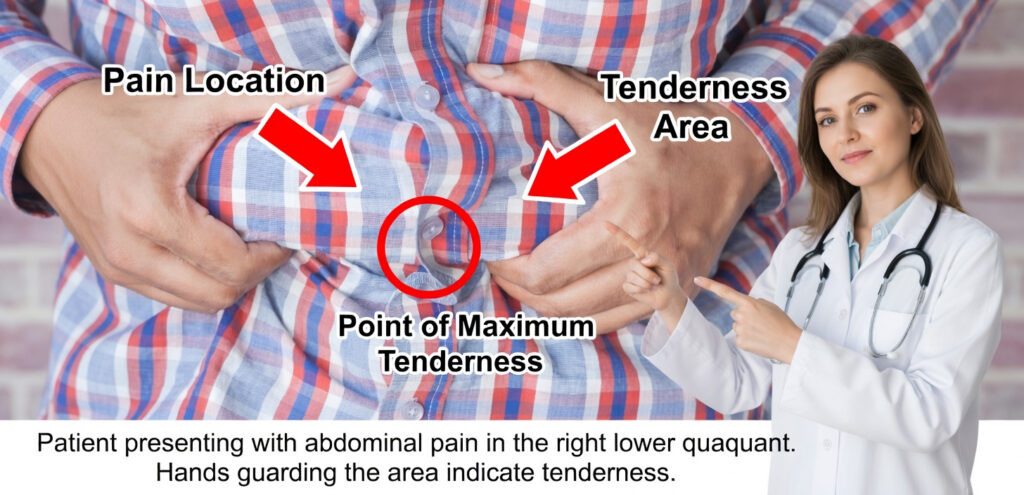
Visceral fat is the fat stored deep inside the abdomen, surrounding organs such as the liver, intestines, and stomach. Unlike the fat just under the skin, this hidden belly fat is especially harmful to health.
Research shows that excess visceral fat can raise the risk of chronic inflammation, type 2 diabetes, insulin resistance, heart disease, stroke, GERD, Alzheimer’s disease, dementia, certain cancers, and even mood disorders.
In this article, you’ll learn why visceral fat is dangerous and discover science-backed ways to reduce it, especially after age 50.
What Is Visceral Fat?
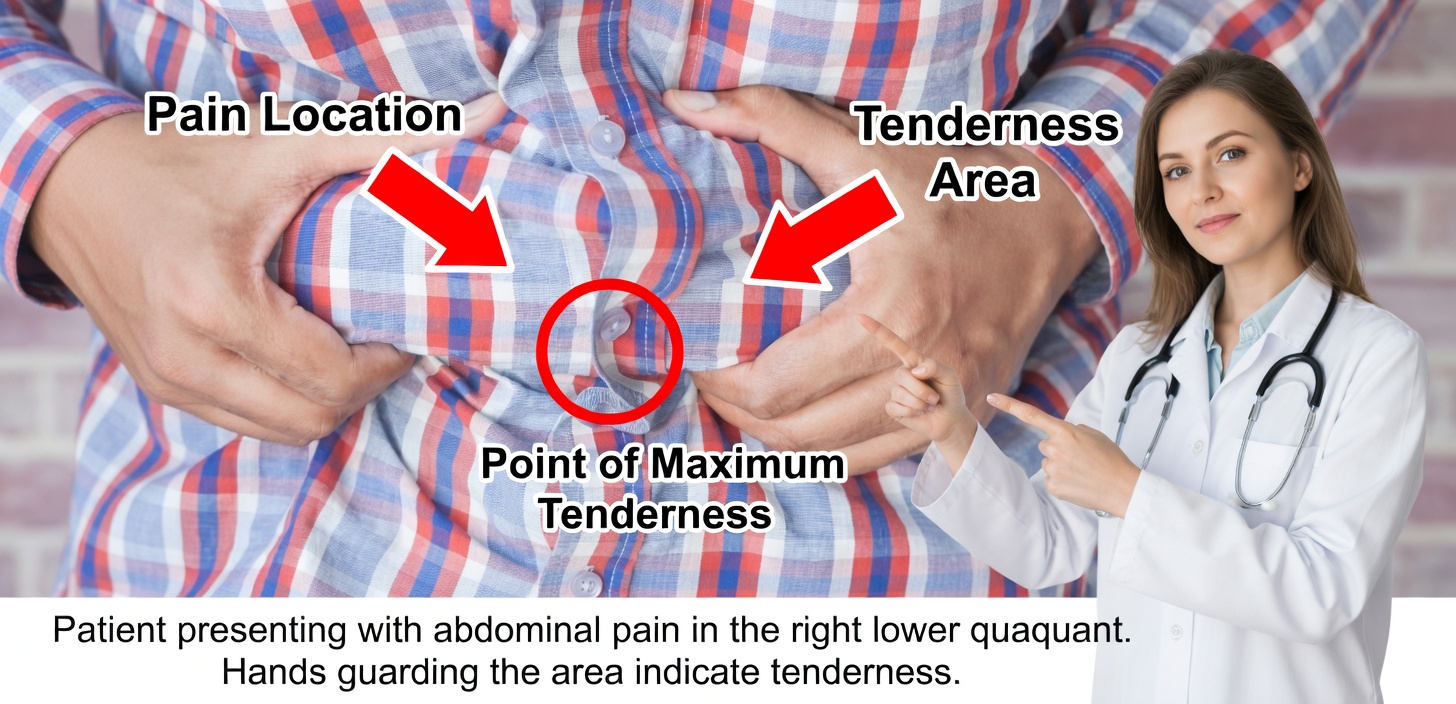
Visceral fat is located deep in the abdominal cavity around major organs, including the stomach, liver, and intestines. It is different from subcutaneous fat, which sits directly beneath the skin.
While subcutaneous fat is generally less harmful, visceral fat is more concerning because it is linked to inflammation and is stored close to vital organs. For this reason, it is often referred to as deep abdominal fat.
It is not easy to tell by appearance alone whether belly fat is mostly visceral or subcutaneous. In medical settings, visceral fat is typically measured with imaging tests such as a CT scan or MRI.
Even without a scan, some body measurements can help estimate risk. You may be more likely to carry excess visceral fat if your waist-to-hip ratio is:
- Above 0.85 for women
- Above 0.90 for men
To calculate your waist-to-hip ratio:
- Measure your waist circumference
- Measure your hip circumference
- Divide your waist measurement by your hip measurement
Why Visceral Fat Is So Dangerous
Visceral fat contributes to ongoing inflammation throughout the body. That inflammation can increase the likelihood of many serious health problems.
Studies have linked high levels of belly fat and visceral fat with a greater risk of:
- Chronic inflammation
- Type 2 diabetes
- Insulin resistance
- Stroke
- Heart disease
- Alzheimer’s disease
- Dementia
- Depression and anxiety
- Certain cancers
- Reduced immune function
Too much visceral fat can negatively affect nearly every major system in the body, including the:
- Liver
- Heart
- Pancreas
- Digestive system
- Brain
- Immune system
Belly Fat, Brain Health, and the Gut Connection
The digestive system is sometimes called the body’s second brain because the gut and brain constantly communicate with each other. When gut health is poor, mental well-being can suffer too.
Abdominal fat has been associated with a higher risk of mood disorders. This may be related to the gut-brain connection, or to the inflammatory effects of excess visceral fat.
Inflammatory visceral fat may also harm cognitive function. In one study published in Brain Science, people with higher amounts of visceral fat showed poorer brain function compared with those who had lower visceral fat levels.
Another study of middle-aged adults found that higher visceral fat was linked to lower total brain volume on MRI, which may increase the risk of dementia later in life.
Visceral fat may also weaken immune health. Since a large portion of the immune system is located in the gastrointestinal tract, fat surrounding the gut may interfere with healthy immune function.
Why Reducing Visceral Fat Becomes More Important After 50
As we get older, the body tends to lose subcutaneous fat while visceral fat increases. At the same time, the risk of chronic disease, type 2 diabetes, dementia, Alzheimer’s disease, and cancer also rises.
That is why reducing visceral fat becomes even more important after age 50. The good news is that research supports several effective strategies for lowering it.
3 Simple Ways to Lose Visceral Fat After 50
1. Manage Stress
When you are stressed, your body releases cortisol. This is a normal response, but when stress becomes chronic, cortisol levels can stay elevated for too long. High cortisol is strongly linked to increased visceral fat storage.
Because of this, stress management is one of the most important steps for reducing deep belly fat.
Practical ways to lower stress
Exercise most days of the week
Physical activity helps release endorphins, often called “feel-good” hormones. Exercise not only improves mood, but also helps reduce total body fat and visceral fat by increasing calorie burn.
For the best results, aim to include:
- Strength training
- Cardio exercise
- Regular daily movement
Choose foods and drinks that support calmness
Some foods may help reduce stress. Research suggests that green tea and dark chocolate may help lower feelings of stress.
A diet rich in the following nutrients may also support emotional health:
- Antioxidants
- Omega-3 fatty acids
- Vitamin D
Good options include:
- Vegetables
- Fruit
- Salmon
- Tuna
- Nuts
- Seeds
Get enough sleep
Sleep plays a major role in hormone balance and weight control. Poor sleep can increase cortisol and make it harder to lose fat.
One study found that people who slept fewer hours were more likely to be overweight or obese. The same research showed that better sleep quality improved weight-loss success by 33%.
To support better sleep:
- Put away your phone before bed
- Try calming herbal tea such as chamomile
- Consider tart cherry juice, which contains natural melatonin
2. Cut Back on Sugar
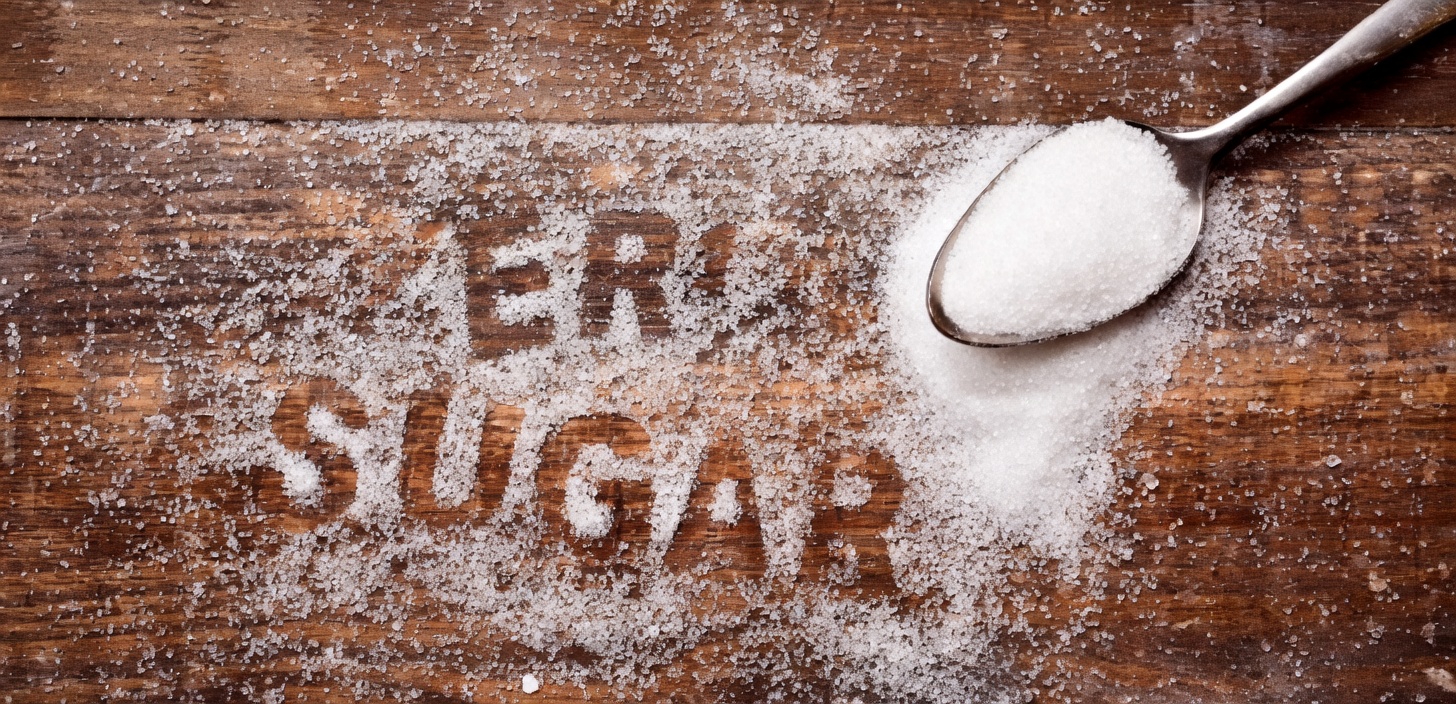
A diet high in sugar, fructose, fried foods, and ultra-processed foods may promote visceral fat gain. Among these, sugar appears to be especially harmful.
In one study, people who drank more sugar-sweetened beverages had 7% more visceral fat than those who consumed fewer of these drinks.
A systematic review of 14 studies also found a strong connection between high sugar intake and increased visceral fat.
Sugar may also contribute to higher stress and cortisol levels, which can further encourage abdominal fat storage.
Easy ways to reduce sugar intake
- Limit sugary drinks
- Eat fewer desserts and pastries
- Reduce ultra-processed foods
- Check labels for “no sugar added”
- Watch for hidden sugars in sauces, dressings, and packaged foods
- Cut back on fried foods
Making these changes can help lower calorie intake, reduce inflammation, and support better metabolic health.
3. Support Gut Health With Probiotics and Prebiotics
Emerging research suggests that certain probiotics may help reduce visceral fat and overall body fat, although more large human studies are still needed.
A review published in Nutrients found that Lactobacillus gasseri may help decrease abdominal fat and body weight. Another probiotic, Lactobacillus plantarum, may help reduce waist circumference as well as body fat.
These beneficial bacteria are found in fermented foods such as:
- Kefir
- Miso
- Kimchi
- Sauerkraut
Prebiotics are also important because they feed healthy gut bacteria. Prebiotic-rich foods include:
- Bananas
- Apples
- Onions
- Asparagus
- Oats
- Flaxseeds
A healthy gut may help reduce inflammation, improve digestion, and support better weight management.
Final Takeaway
Visceral fat is the deep fat stored around the organs in the abdomen. It is far more dangerous than subcutaneous fat and is linked to a higher risk of inflammation, diabetes, heart disease, dementia, mood disorders, some cancers, and weakened immune health.
This type of belly fat tends to increase with age, making it especially important to address after 50.
The most effective ways to reduce visceral fat include:
- Managing stress and lowering cortisol
- Reducing sugar and ultra-processed foods
- Improving gut health with probiotics and prebiotics
- Exercising regularly
- Getting enough quality sleep
Small daily changes can make a big difference. By improving your lifestyle habits, you can reduce visceral fat, protect your long-term health, and feel better both physically and mentally.