5 Best Mobility Exercises to Improve Movement and Help Prevent Injury
For many years, fitness programs focused far more on building strength than on improving mobility. That has changed in a big way, especially with the rise of training styles such as CrossFit, where full-body movement quality matters just as much as raw power.
Today, mobility is widely recognized as a key part of athletic performance. It is no longer something reserved only for elite competitors. Everyday exercisers are also discovering that regular mobility work can make movement easier, safer, and more effective.
In this guide, you’ll learn 5 highly effective mobility exercises to include in your routine. Done consistently, these movements can help keep your body strong, resilient, and less prone to injury.
You May Also Like
- 5 Best Stretching Exercises for Seniors To Stay Limber at Any Age
- This Unique Deep Squat Position Is the Little-Known Secret To Living a Longer Life
- 7 Simple Exercises to Improve Your Balance and Stability As You Age
What Is Mobility?
Before getting into the exercises, it helps to clearly understand what mobility actually means. The term is often used in different ways, but in fitness, it has a specific role.
For this article, mobility can be defined as the ability to combine flexibility and strength in order to perform a movement well.
To better understand mobility, it’s helpful to look at the two qualities that support it:
- Flexibility: the ability of body tissues, especially muscles, to lengthen
- Strength: the ability of muscles to create force
When these two elements work together, your body can move through ranges of motion with better control and efficiency.

Why Mobility Training Matters
Mobility is essential because every movement you make depends on it. Walking, bending, reaching, lifting, and exercising all require your joints and muscles to move well together.
When mobility is limited, movement becomes less efficient. Poor movement patterns often increase stress on the body, which can raise the risk of discomfort or injury over time.
That is why mobility exercise is so valuable. It helps you move more freely, perform better, and reduce the chances of getting hurt during both workouts and everyday activities.
When Should You Do Mobility Exercise?
There is no single schedule that works for everyone. Coaches and trainers often have different opinions about how often mobility work should be done and whether it belongs before, after, or separate from a workout.
The best approach depends on your goals.
- If you are training for a demanding sport or competitive fitness event, you may need more mobility work.
- If your goal is simply to stay active, feel better, and move comfortably each day, a smaller amount may be enough.
Your program should match your age, ability level, lifestyle, and training demands. Mobility training is not one-size-fits-all.
For a simple starting point, try:
- 2 to 3 sessions per week
- About 15 minutes per session
These sessions can be done:
- before a workout
- after a workout
- on rest days as a standalone routine

Top 5 Mobility Exercises
The exercises below focus on different parts of the body. Even so, the body always works as a connected system, so each movement supports more than one joint or muscle group.
Adding these exercises to your weekly routine can help build better mobility from head to toe.
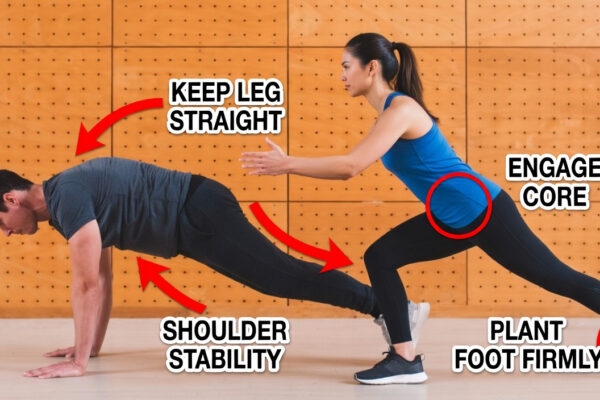
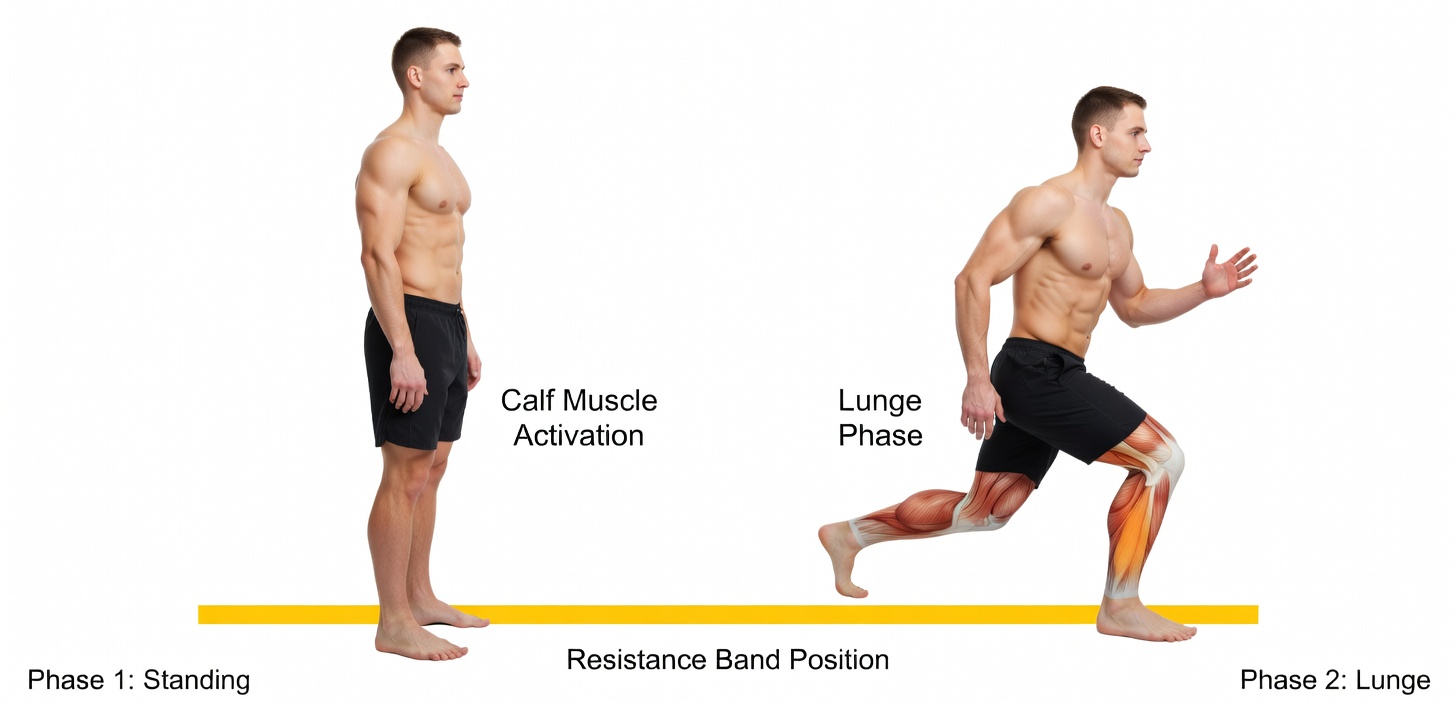
1. Band-Assisted Ankle Dorsiflexion
Good ankle mobility is extremely important for squats, jumps, lunges, and many other lower-body movements. This exercise is especially useful for improving dorsiflexion, which is the ability to bring your knee forward over your foot while keeping your heel down.
If you do not have a resistance band, you can still perform a basic version of this drill.
How to do it
- Place one foot flat on the floor in front of the other.
- If using a band, loop it around the front of your ankle and anchor it so the pull goes backward.
- Keep your heel planted and gently drive your knee forward as you lean into the movement.
- It is fine for your knee to move past your toes during this drill.
- Hold the stretched position for 10 seconds.
- Relax briefly and repeat 12 times per side.
To make it more challenging, actively try to pull the ankle upward while you are in the end position.
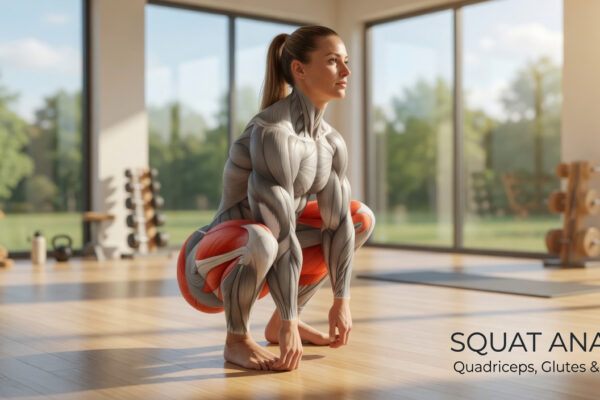
2. Deep Squat Mobility Flow
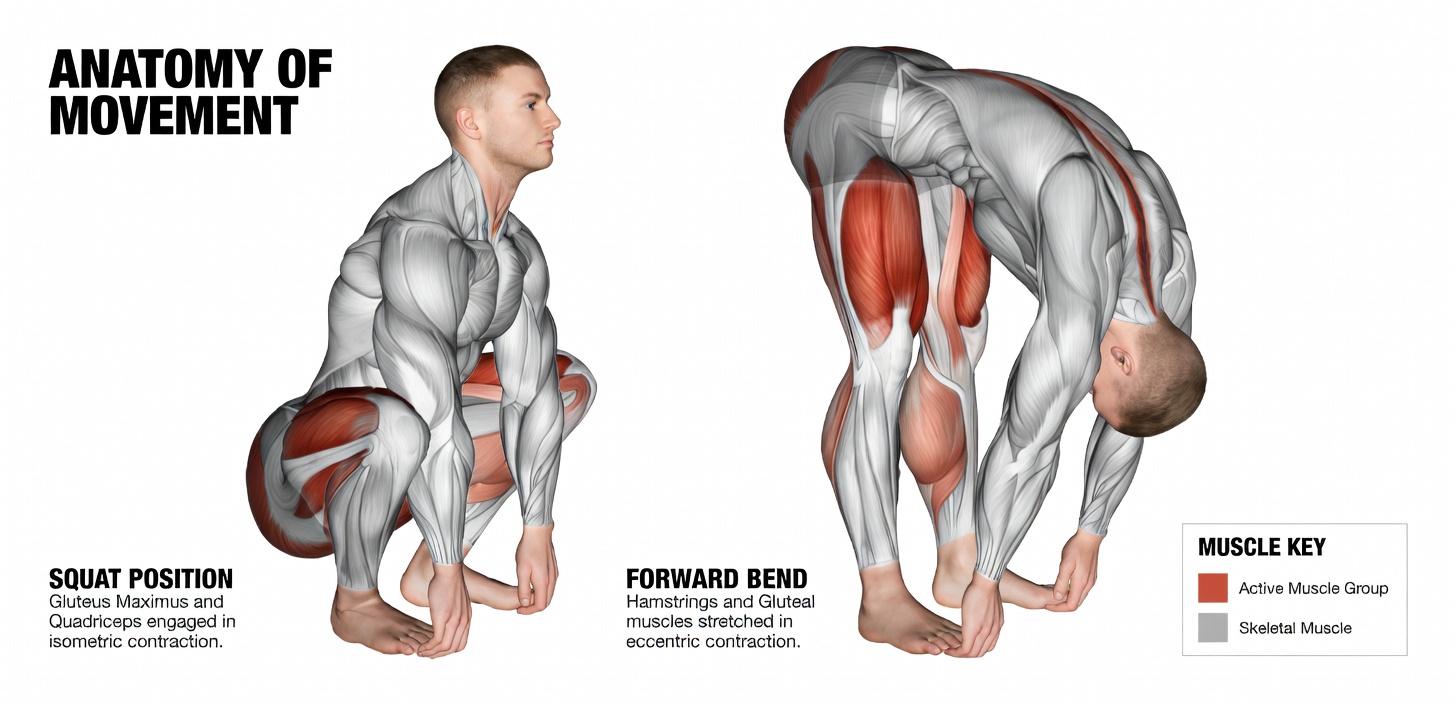
This movement mainly targets the hips and knees, but it can also improve mobility in the ankles, hamstrings, and spine. It is a great full-body drill for building comfort in a deep squat position.
How to do it
- Lower into the deepest squat you can manage while keeping your heels on the floor and your back as straight as possible.
- From that bottom position, place your hands near your feet.
- Slowly begin to straighten your legs while keeping your hands on the floor.
- You should feel a stretch through the hamstrings, hips, and back of the body.
- Pause for a few seconds.
- Stand all the way up and repeat for 10 reps.
With each repetition, aim to move a little deeper and more smoothly.
3. Overhead Pole Shoulder Mobility Exercise
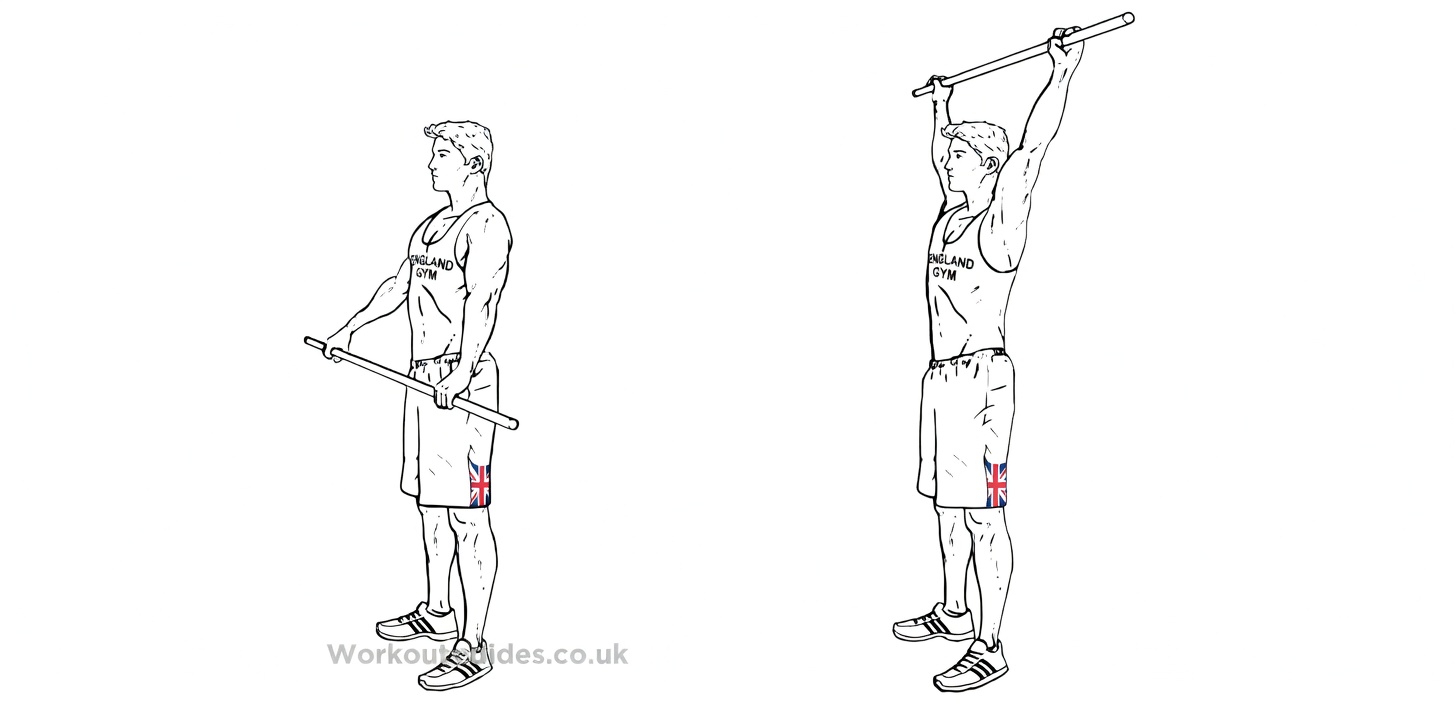
For this exercise, you will need a long stick, dowel, or pole that you can hold comfortably with both hands. Shoulder mobility overhead is vital for movements such as the shoulder press, snatch, and other lifting patterns.
When shoulder range of motion is poor, overhead exercises can become risky and place unnecessary stress on the joints.
How to do it
- Hold the pole with both hands using an overhand grip, keeping a comfortable hand width.
- With your arms straight, raise the pole up and overhead.
- Continue moving it as far back as your range of motion allows without bending your elbows.
- Pause briefly at the furthest point.
- Return to the starting position.
- Perform 15 repetitions.
As your mobility improves, you may gradually work with a slightly narrower grip.
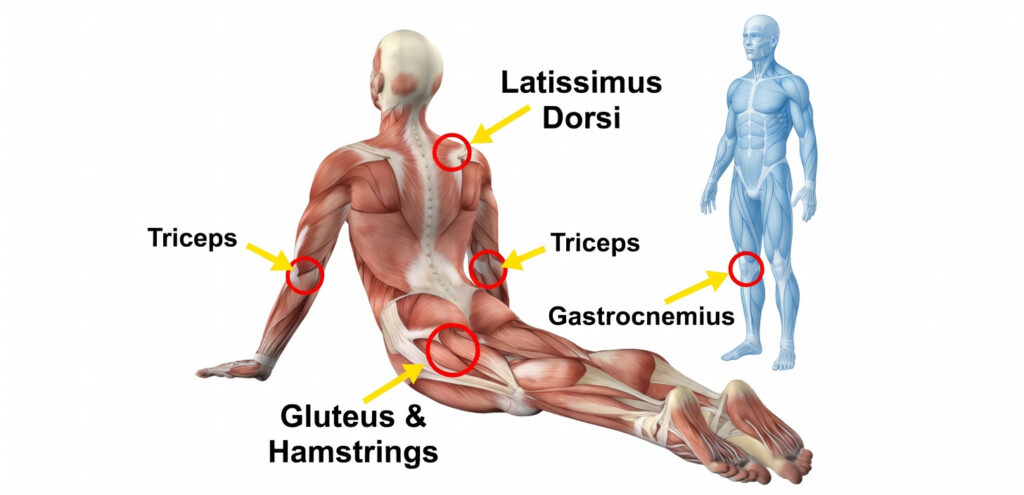
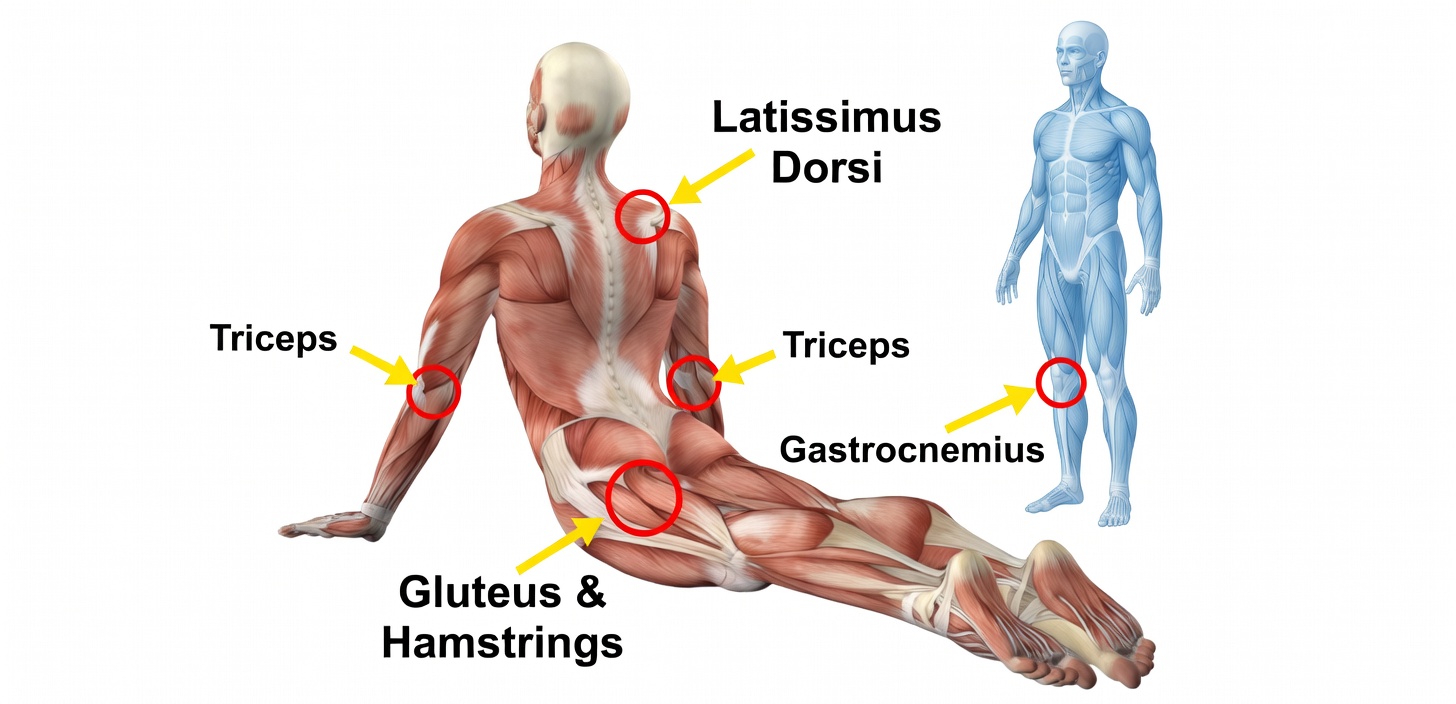
4. Prone Scorpions
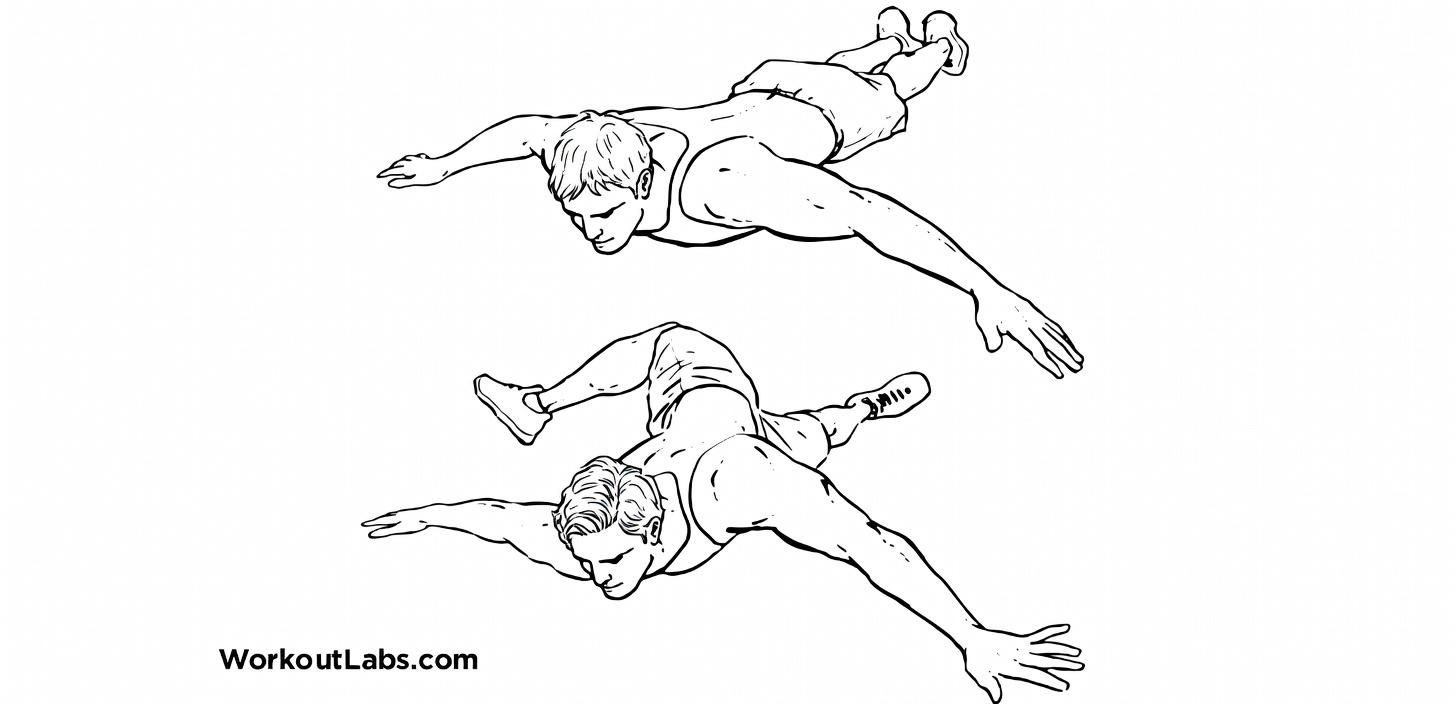
Prone scorpions are excellent for improving mobility in the thoracic spine, lower back, and hips. Because this exercise uses rotation, it can help reduce stiffness that often builds up in these areas. Rotational mobility is also important for athletic performance and movement quality.
How to do it
- Lie face down with your chest and shoulders resting on the floor.
- Bend one knee and lift that leg upward.
- Move the leg across your body toward the opposite side.
- Try to keep your chest in contact with the floor as you rotate.
- Go as far as you comfortably can.
- Hold the end position for 2 to 3 seconds.
- Return to the starting position and switch sides.
- Complete 10 reps per side.
Move slowly and with control rather than trying to force extra range.
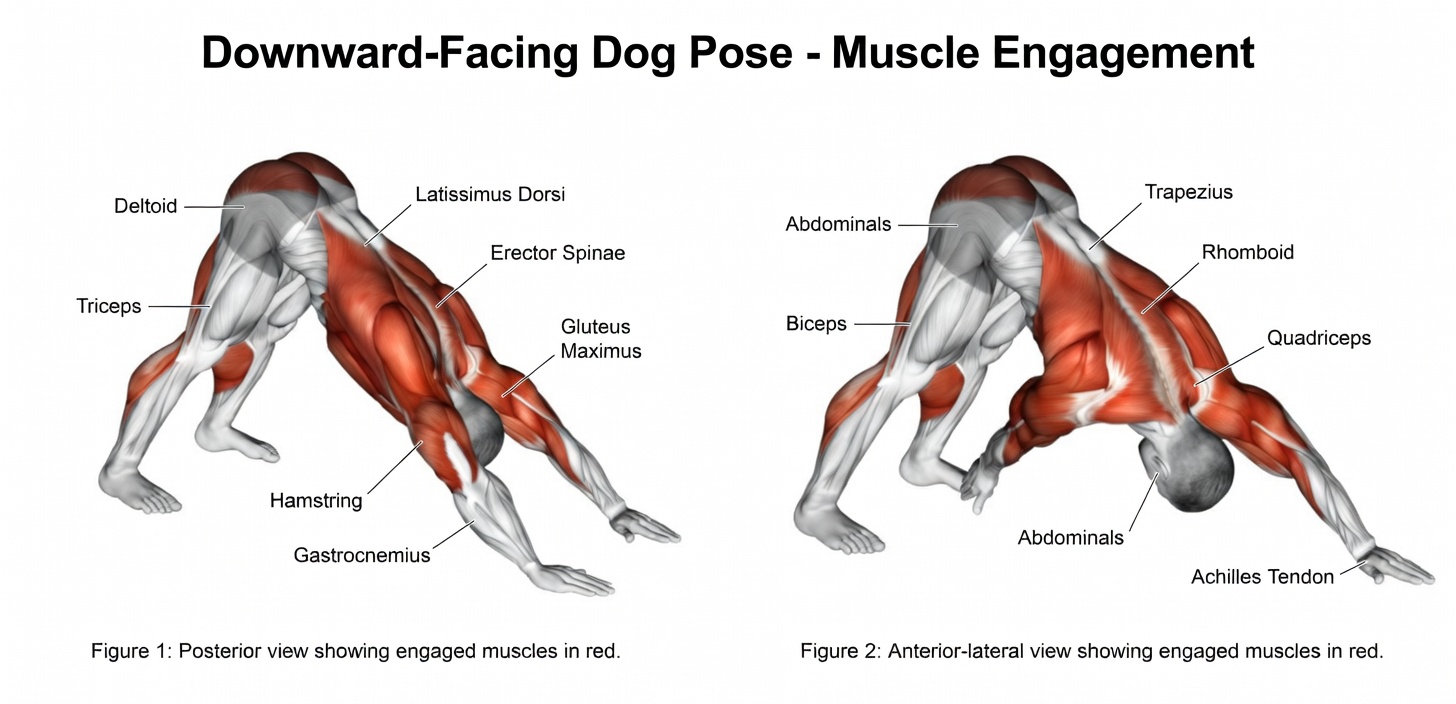
5. Downward Dog With Ankle Tap and “T”
This final exercise is a dynamic, full-body mobility drill. It challenges multiple joints at once and can leave your whole body feeling looser and more open. It is especially helpful for preparing for complex exercises that require coordination, shoulder mobility, and trunk control.
How to do it
- Begin in the top position of a push-up.
- Lift one hand and reach underneath your body toward the opposite ankle.
- Tap the ankle, or reach as close as you can.
- Then open that same arm outward and rotate your chest, creating a “T” shape.
- Return to the starting position.
- Alternate sides for 10 reps per side.
Focus on smooth movement, steady breathing, and control throughout the transition.
Final Thoughts
Mobility training deserves a regular place in almost every fitness routine. Whether you are a competitive athlete or simply want to move better in daily life, improving mobility can help you train more effectively and stay healthier over time.
A few short sessions each week can make a meaningful difference in how your body feels and performs. Start with these five mobility exercises, stay consistent, and adjust your routine based on your goals and needs.
Also Check Out
- Over 60? Here Are 7 of the Best Exercises You Can Possibly Do
- 14 Benefits of Yoga That Are Supported by Science
Mobility Exercise References
- Effects of Stretching on Upper-Body Muscular Performance
- Additional mobility and flexibility research references