Why So Many People Feel Tired, Stuck, and Out of Balance
A plant-based diet may look like a trend at first, but for many people, it is a practical lifestyle choice that supports better health, steadier energy, and a cleaner planet. Many common concerns—like low energy, stubborn weight gain, poor digestion, skin issues, and worries about long-term health—often leave people searching for something simple that actually works.
Some people also assume that skipping meat means missing out on protein. But that does not have to be the case. Even small foods like nuts can offer a generous amount of protein, and plant-based eating provides far more than protein alone.
What May Be Contributing to These Everyday Health Struggles
Many of the issues people deal with each day can be linked to what is missing from their meals. When your diet lacks enough fiber, vitamins, minerals, antioxidants, and water-rich foods, it can affect everything from your heart and gut to your energy and skin.
Cholesterol is another concern when it comes to heart health, since too much of it can block the arteries. Digestion can also suffer without enough fiber, leading to bloating or constipation. Blood sugar may feel harder to manage when meals do not help keep absorption steady. On top of that, processed foods can drag energy levels down throughout the day.
How a Plant-Based Diet Can Help
1. It Supports Heart Health
Plant-based diets are known for supporting healthier hearts, and fiber is a major reason why. Foods like beans and lentils add plenty of fiber to meals. Doctors say fiber works almost like a vacuum cleaner for the arteries and veins.
Cholesterol also plays a big part in heart health. Since too much cholesterol can clog arteries, foods such as oats, beans, and nuts can be helpful because they help lower cholesterol. Leafy greens also help protect blood vessels, which is one more reason vegetables matter so much.
2. It Can Make Weight Loss Feel Simpler
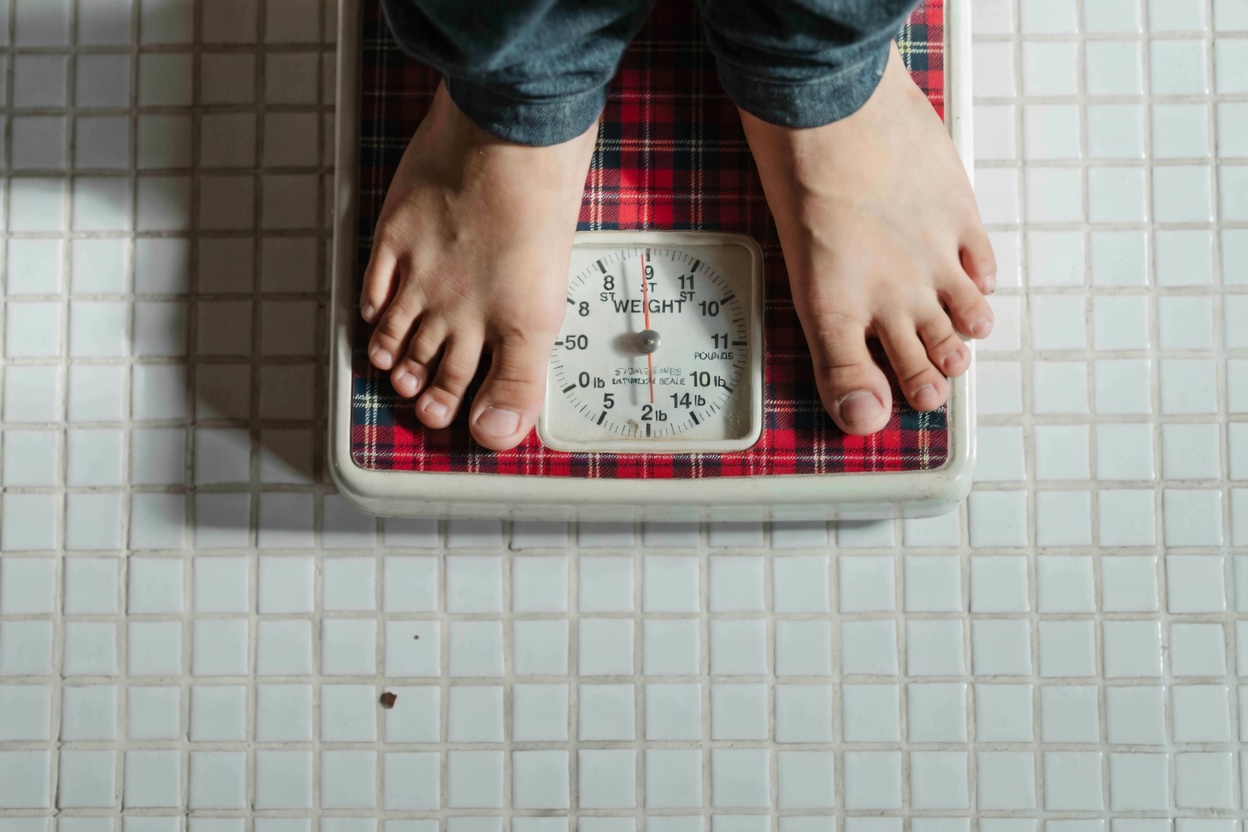
Weight loss is often a frustrating process. Many people feel stuck, especially when trying to lose belly fat, and calorie counting can feel like a full-time job. A plant-based diet can make things easier by focusing on foods that are rich in fiber and water while still being surprisingly low in calories.
Whole plant foods are often lower in calories, but their fiber helps you feel full for longer. That combination can make this way of eating feel much more manageable.
3. It Helps Improve Gut Health
A healthy gut can affect much more than digestion. Good gut health supports overall well-being and can even improve energy. It can also help address concerns like obesity.
Plant-based diets give the gut the nutrients it needs. High-fiber foods can help prevent bloating and constipation. Fermented foods like kimchi and pickles have become increasingly popular, and for good reason—they are gut-friendly probiotics that are easy to find. A leafy green smoothie is another easy option, especially since it can be packed with antioxidants.

4. It Helps Strengthen the Immune System
Fiber gets a lot of attention, but it is not the only benefit of plant-based eating. These diets are also rich in antioxidants, vitamins, and minerals, which help protect cells from different kinds of damage. In a simple way, the more colorful your plate is, the stronger your immune system can become.
Vitamin C is especially important for immune support. Leafy greens also provide iron and folate. When these are paired with foods that contain zinc and vitamin E, they help fight off inflammation.
5. It May Lower the Risk of Chronic Diseases
Living with a chronic disease can make daily life feel draining. Eating smarter can help lower disease risk by helping stabilize blood sugar and reducing sudden spikes and crashes.
Fiber slows how quickly sugar is absorbed into the bloodstream, which helps support steadier insulin levels over time. Because of this, plant-based meals can help people manage diabetes and maintain better blood sugar control.

6. It Can Improve the Look and Feel of Your Skin
The effects of a plant-based diet are not limited to what happens inside the body. What you eat can also show on your skin. Plant-based meals are rich in nutrients that help protect the skin from damage.
Healthy fats play a role too, helping skin stay soft and smooth. Hydration is also key, and water-rich foods can help with that. Watermelon and cucumber are quick, simple choices for increasing hydration.

7. It Can Increase Energy
If you feel tired all the time, your body may not be getting enough of the nutrients it needs. Plant-based meals are rich in complex carbohydrates, which help provide energy throughout the day.
Many vegetables and whole grains also contain iron and vitamin B. These help improve oxygen flow in the body and support sharper brain function. Cutting back on processed foods may also help keep energy levels higher from morning to night.
8. It Helps the Planet Too
A plant-based diet does not just benefit your body—it can also benefit the environment. Growing plants uses fewer natural resources than raising animals, making it a more sustainable choice.
That leads to less pollution and more sustainable farming practices. Over time, it also means lower greenhouse gas emissions and more water saved.

A Simple Way to Start
You do not need to choose a plant-based diet just because it is popular. Its real value comes from the lasting effects it can have on your body, your mind, and the planet. Those benefits can stay with you far longer than a trend ever could.
You also do not have to quit meat all at once. Sometimes, this way of eating starts with a few small changes here and there. Over time, those small shifts can add up and make the transition feel natural.
Final Thoughts
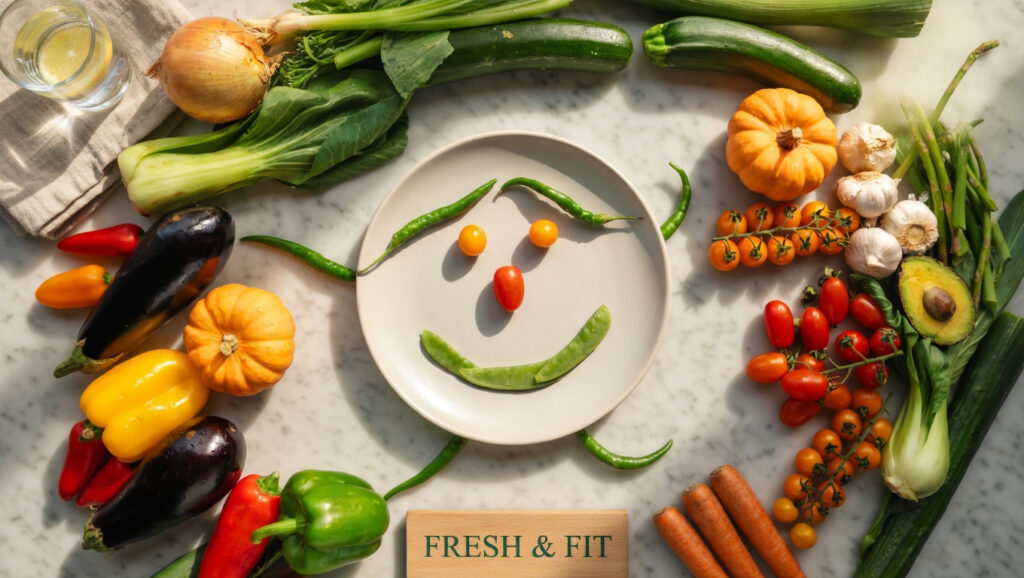
A plant-based diet can support heart health, weight loss, gut health, immune strength, energy, skin, blood sugar balance, and a more sustainable planet. It offers more than protein alone, and even simple foods like nuts, beans, oats, leafy greens, whole grains, watermelon, cucumber, kimchi, and pickles can all play a role.
Small steps can still lead to meaningful changes. Consult a healthcare professional before making changes.