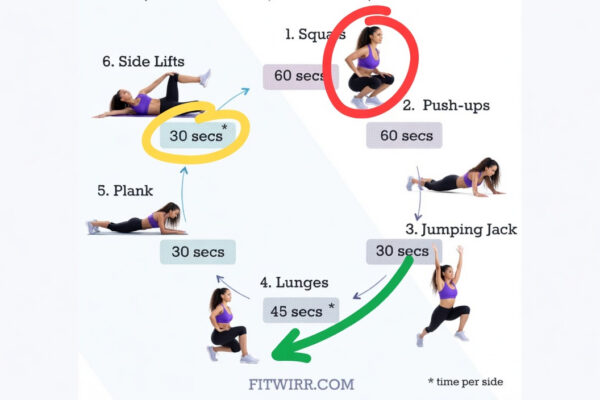
Why More Women Are Moving Beyond Shred Culture
Working out is no longer just about appearance. For many women, fitness has shifted away from chasing trends or trying to look as lean as possible. The bigger goal now is long-term health, strength, and a body that feels capable.
That change in mindset is one reason more women are stepping away from shred culture and choosing muscle building instead. Extremely low-calorie eating and impossible body ideals are losing their appeal. In their place, women are choosing routines that support strength, stability, and a healthier future.
The Problem: Why Shred Culture Leaves Women Drained
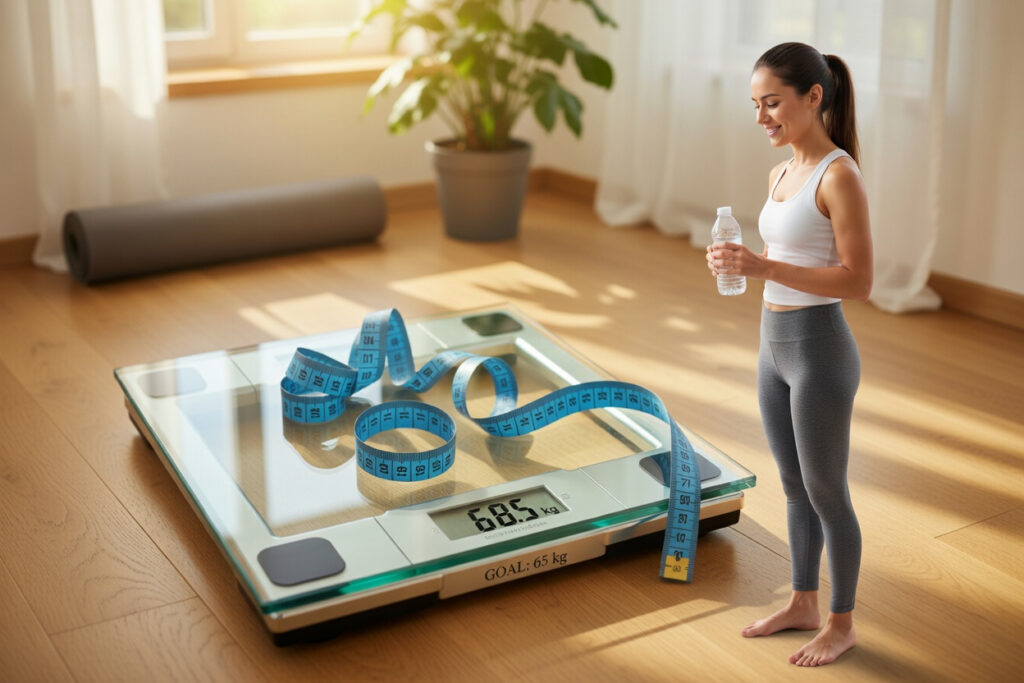
Shred culture has often pushed women toward eating less and doing endless cardio in the hope of getting smaller. But constantly cutting calories can leave you feeling exhausted, anxious, and unsupported by your own routine.
When your body does not get the nutrition and energy it needs, it starts to struggle. That “smaller is better” mindset may seem appealing at first, but many women are realizing it does not serve them over time. Shrinking yourself is not the same as building a body that can support you through everyday life.
Shred-focused routines can also lead to physical and mental burnout. Fatigue builds up, and progress can feel hard to measure. When everything revolves around eating less and doing more, it becomes difficult to stay motivated and feel good in the process.
The Cause: Why Women Are Reconsidering Old Fitness Goals
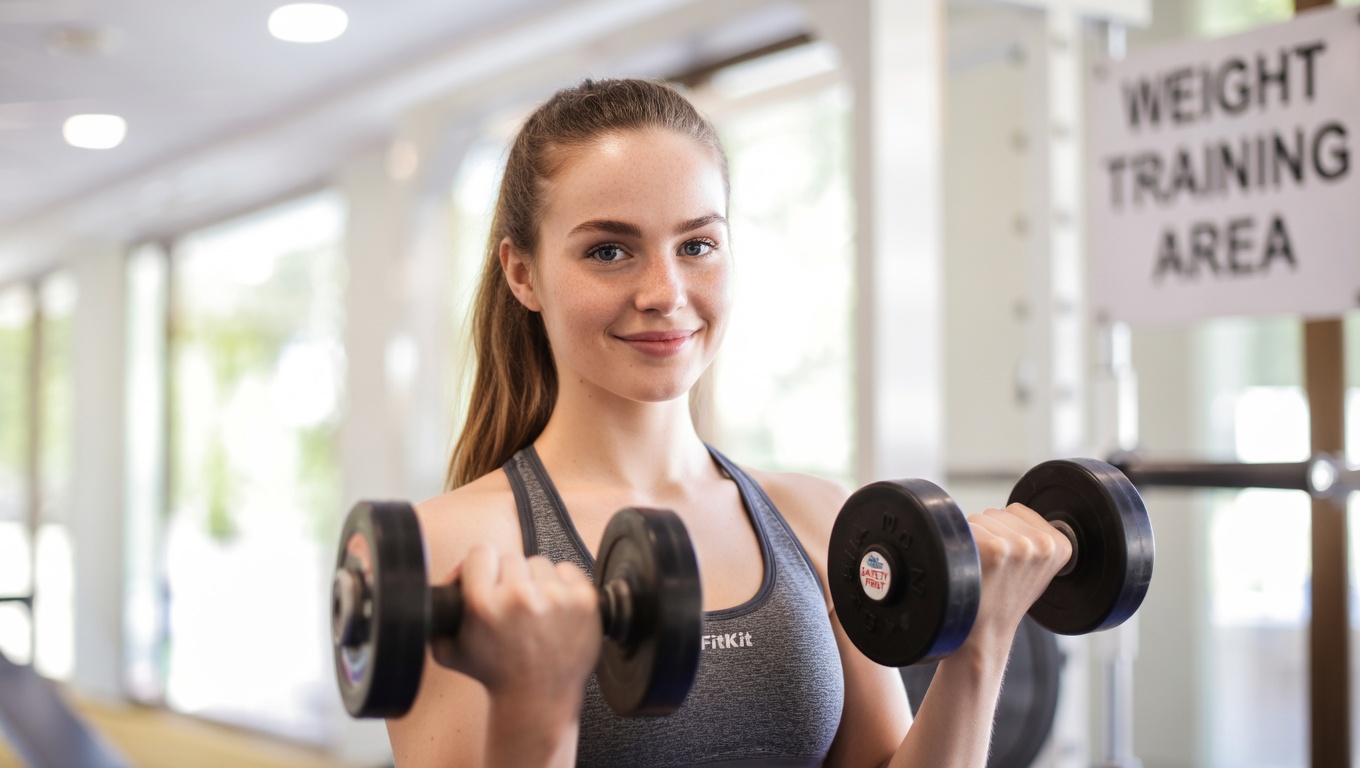
A major reason for this shift is simple: women want more than a certain look. They want bodies that are strong, resilient, and healthy for the long run.
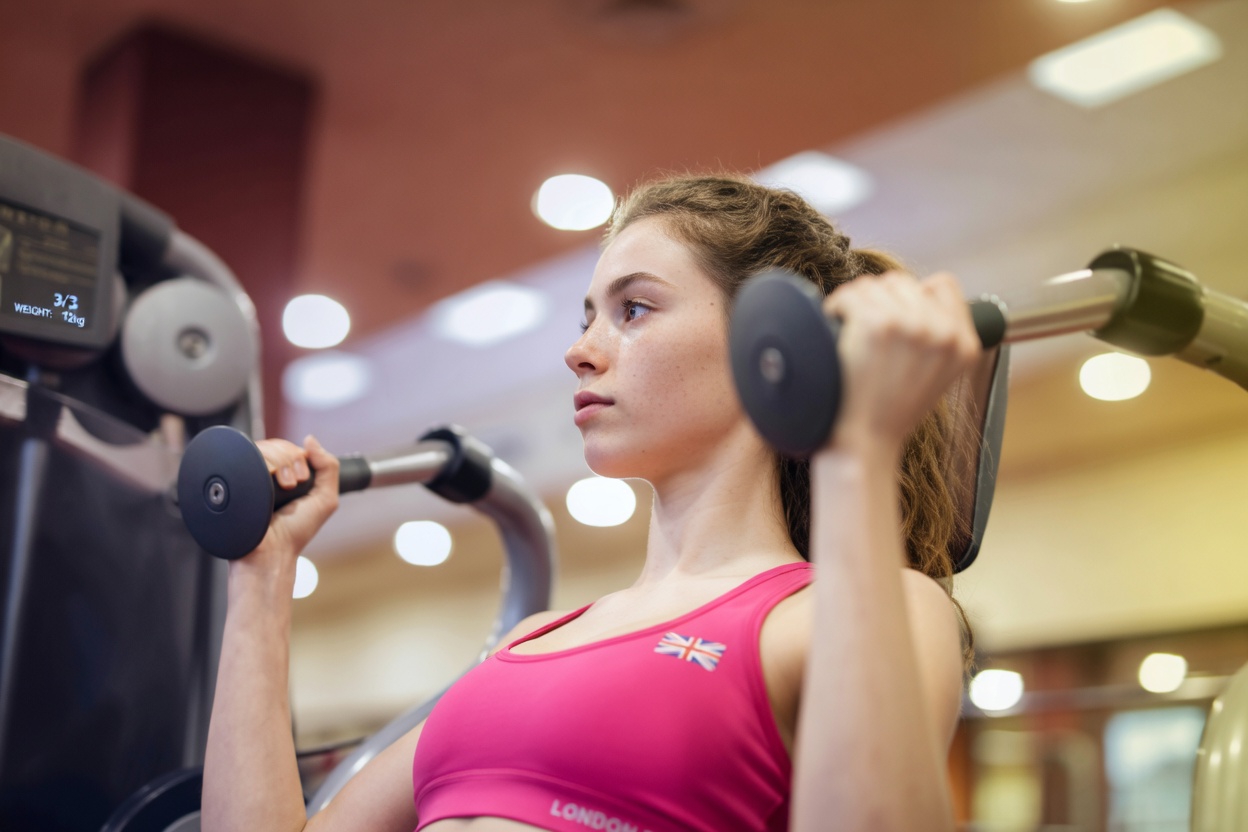
Muscle building supports that goal in a way shred culture does not. Instead of focusing on becoming smaller, strength training helps women build capability. It supports real-life movement, from lifting to carrying bags, and that sense of function can change how a woman feels about herself.
There is also a long-term reason behind this change. Women lose muscle mass much faster as they age. Starting to build muscle in your 20s can help maintain metabolism and bone health over time. For women in menopause, strength training can also help counter the natural decline in strength and bone density.

How Muscle Building Supports a Healthier Body
Building muscle helps the body in ways that go far beyond appearance. While shred culture can make the body feel run down, strength training supports a more stable and healthy foundation.
Strong muscles are linked to:
- Increased stability
- A healthier metabolism
- Better bone health
- Improved insulin sensitivity
- More efficient sugar management
Strength training also has the power to lower the risk of death from all health-related causes, such as cancer. And when strength training is combined with aerobic exercise, it has been shown to produce the greatest reduction in the risk of death.

Why Muscle Matters More Than Cardio Alone
Cardio has value, but muscle-building exercise works differently in the body. It activates a separate metabolic pathway that supports strength gains and increases resting calorie burn.
Resistance training also helps preserve and build lean mass, which supports long-term metabolic health. The more muscle mass you have, the healthier your metabolism tends to be. Lifting weights also helps muscle fibres adapt to insulin sensitivity, adding another benefit for overall metabolic function.
That is why many women are no longer relying on cardio alone. They are choosing a more balanced approach that includes strength training for lasting results.
Building Confidence From the Inside Out
Strength training can change more than the body. It can also change how you see yourself.
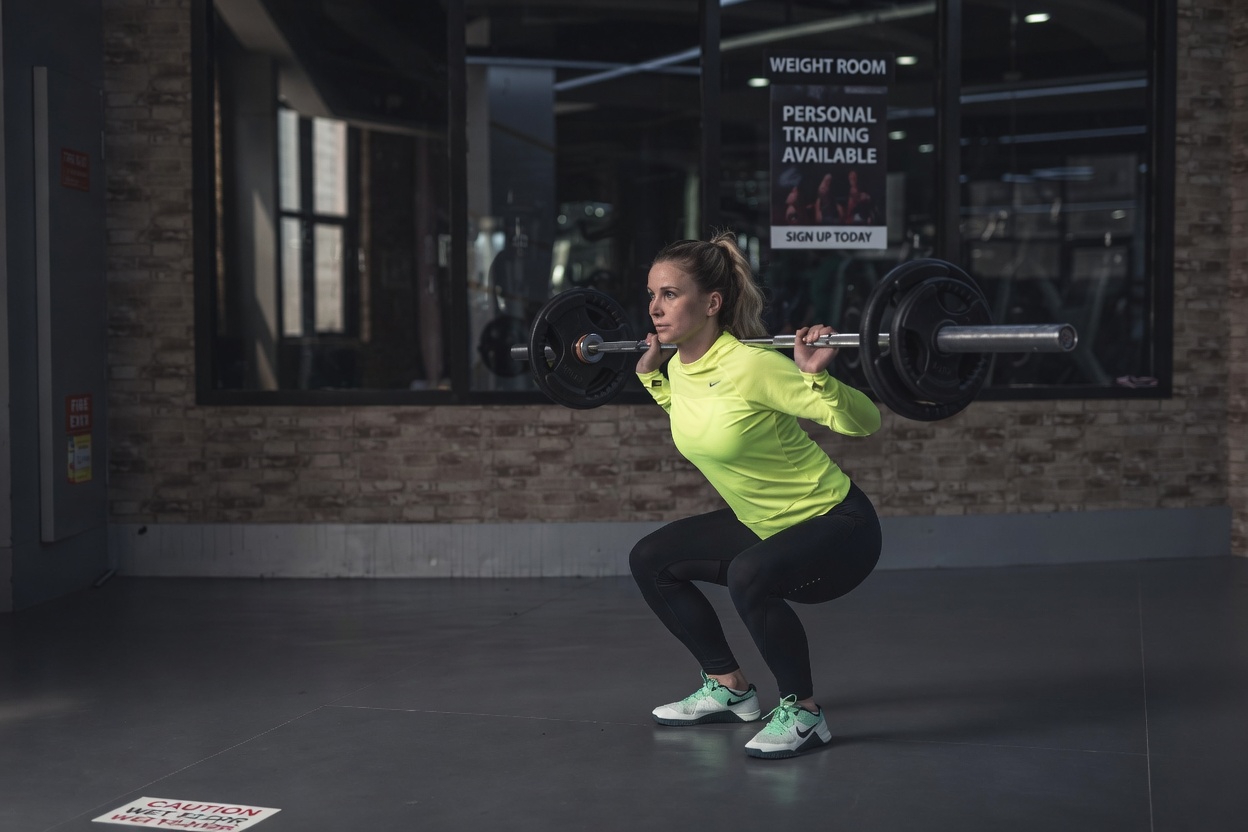
Shred culture often feeds shame and guilt. Muscle building encourages a different mindset—one based on strength, progress, and confidence. As you become stronger, daily tasks start to feel easier. Carrying bags, lifting things, and moving through life with more ease can make a real difference in how capable you feel.
That growing sense of strength often carries over into other areas of life. Feeling powerful in the gym can lead to feeling more confident everywhere else too.
A More Sustainable Way to Avoid Burnout
One reason muscle building feels more sustainable is that progress is easier to track. With strength training, improvement can be seen in what you lift, how you move, and how your body performs. That clear sense of progress can help reduce mental burnout.
It also supports physical resilience. Instead of constantly pushing through low energy, women can follow a more balanced approach that gives the body what it needs to recover.
Helpful habits include:
- Taking regular breaks
- Including exercises that relieve muscle pain and tension
- Avoiding a constant calorie deficit
- Eating enough nutrients to support both physical and mental health
Your brain needs fuel too. Building lean mass requires proper nutrition, not endless restriction.
Supporting Hormones Through Strength Training
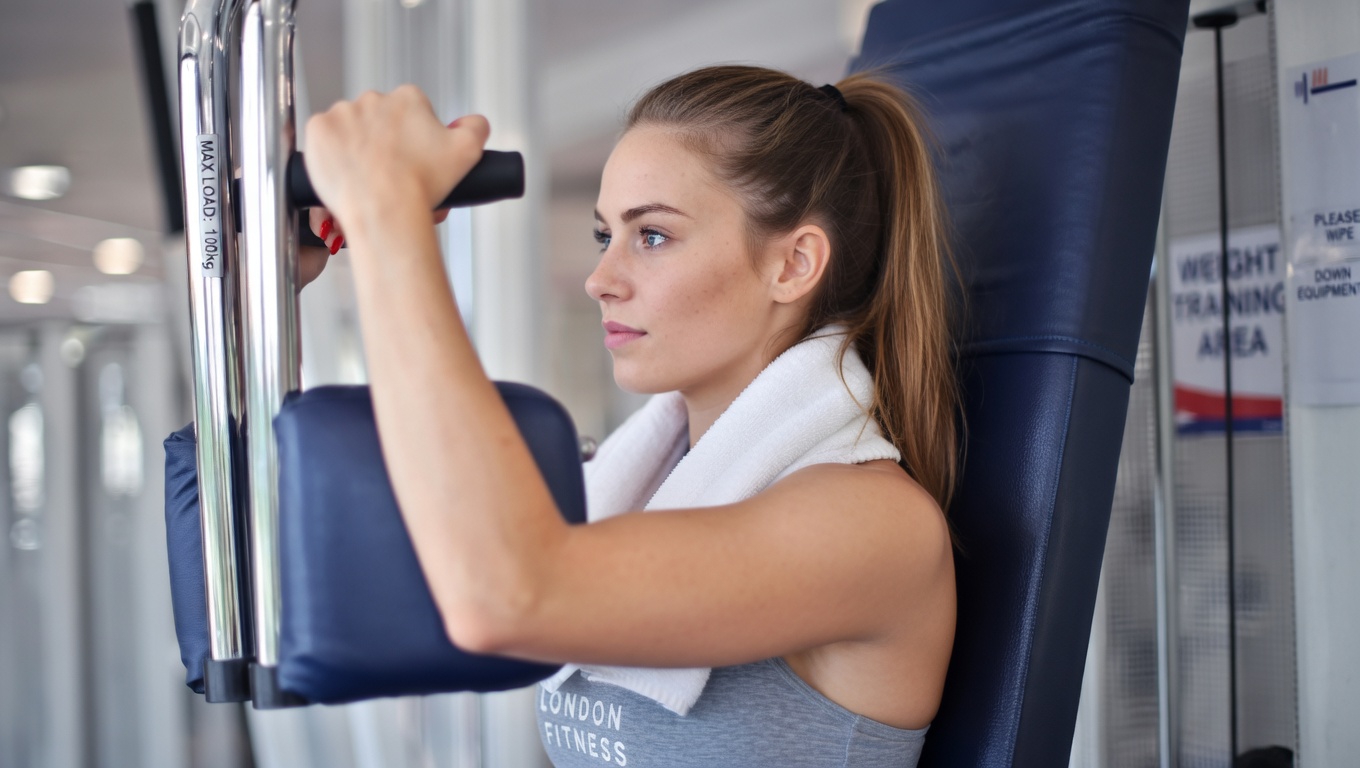
Muscle has often been seen as something mainly for men, but that idea misses the reality. Women need strength training too, and in many cases, they may need it just as much or more.
Building muscle mass triggers beneficial hormonal responses that support:
- Recovery
- Metabolism
- Long-term health
Strength training is also important for regulating the stress hormone. Strong lean mass helps the body stay more resilient during hormonal shifts and can help women feel less weak during those changes.
The Solution: Realistic Muscle-Building Habits That Work
The good news is that strength training does not have to be overwhelming. Many people avoid it because it sounds intimidating, but getting started can be simpler than expected.
A balanced training program can begin with:
- At least three full-body workouts
- A slow, step-by-step approach
- A focus on consistency over perfection
Even training three times a week can be enough, especially if that is what you can realistically maintain. Smarter, efficient workouts still count. What matters most is getting started and building a routine you can stick with.
Fueling Your Body for Strength
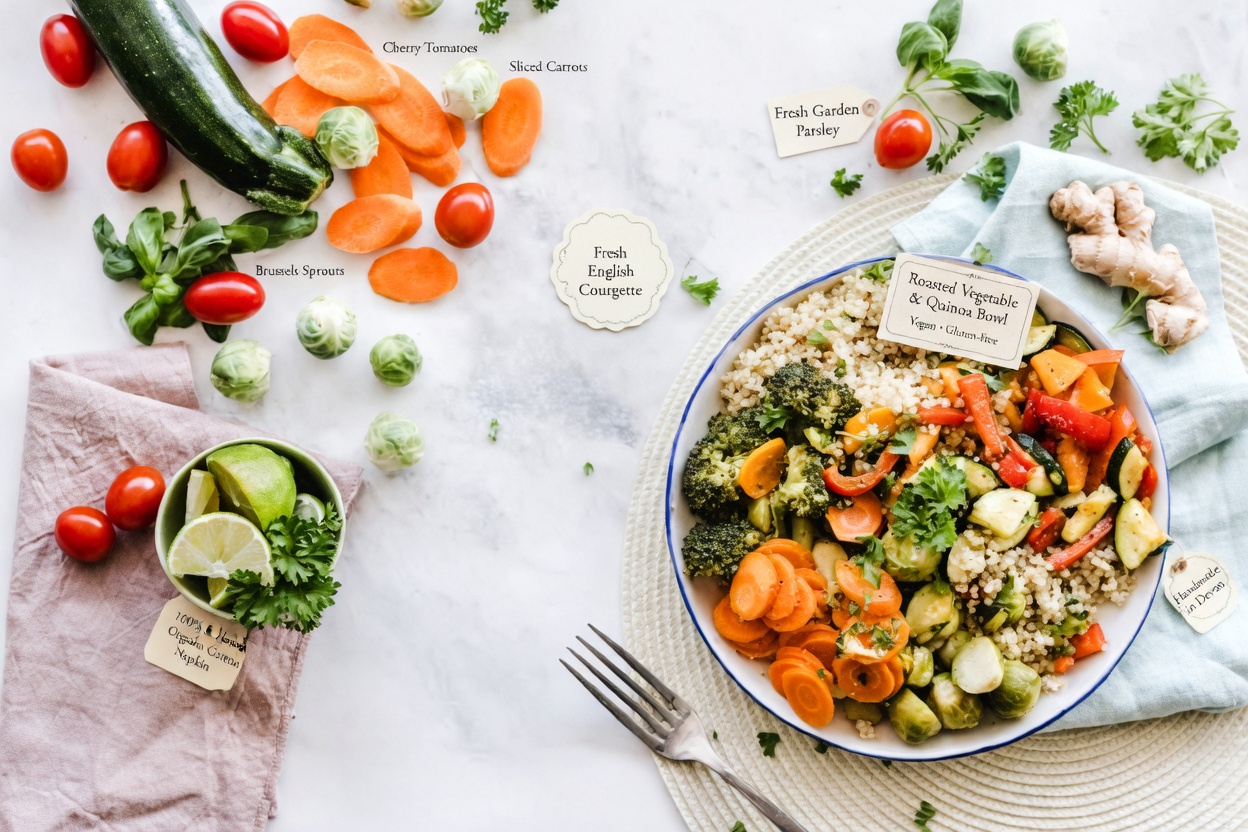
Muscle does not build itself. Your body needs to reach its daily protein target to support muscle growth.
Protein can come from many foods, including:
- Meat
- Dairy
- Nuts
- Legumes
- Plant-based foods
How you meet that target depends on your own dietary preferences. On workout days, slightly increasing food intake can help support recovery. Your body needs nutrients, vitamins, fibre, and protein to bounce back well and keep metabolism supported.
A varied diet can make a big difference, and starting the day with a high-protein breakfast can help you stay on track.
Final Thoughts
More women are choosing strength over shrinking, and that reflects a powerful change in perspective. The goal is no longer just to be smaller. It is to feel healthy, capable, and strong in a body that can support a long life.
Muscle building is not only for bodybuilders. It has become an important part of health for women who want to feel powerful, steady, and confident. Training for lean mass can positively influence not just your workouts, but your entire lifestyle.
Consult a healthcare professional before making changes.