How to Lose 2 Pounds a Week Without Crash Dieting
Losing weight can be challenging, but aiming to lose 1 to 2 pounds per week is widely considered a healthy and realistic target.
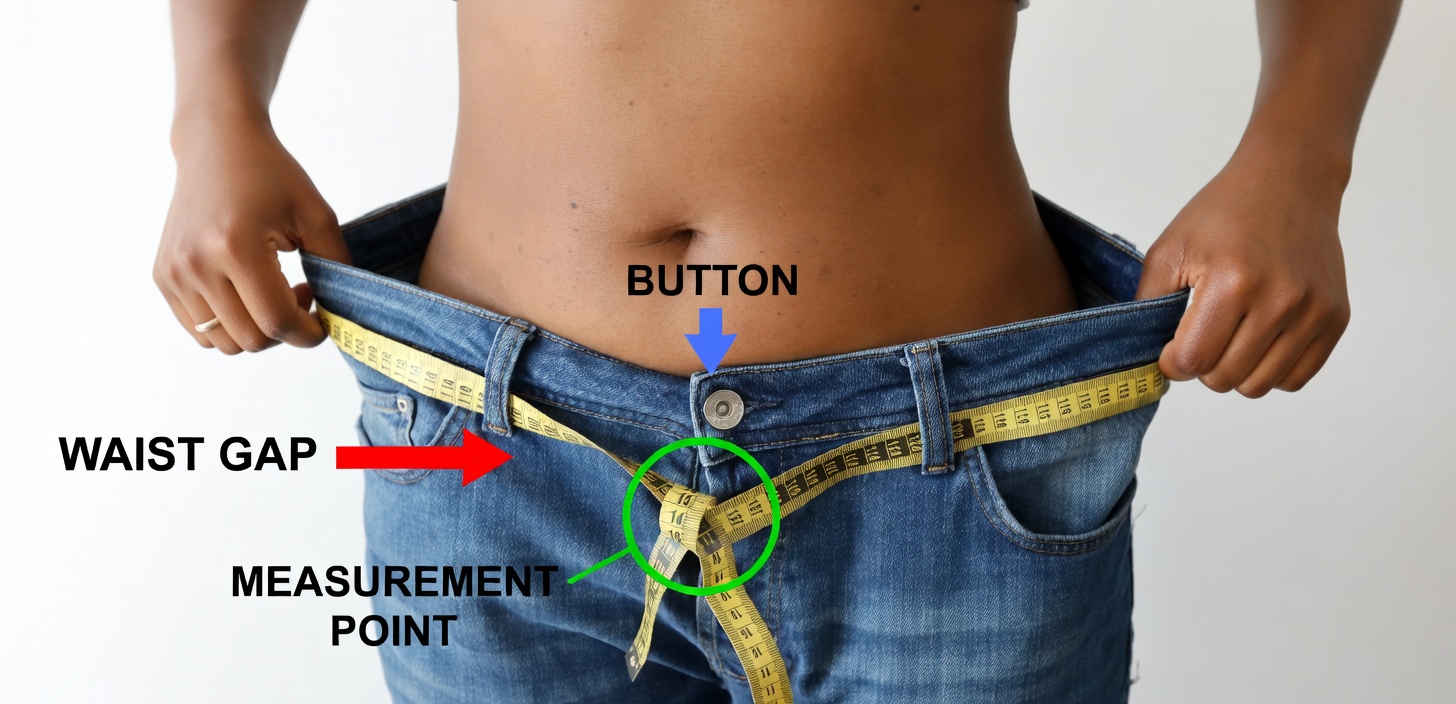
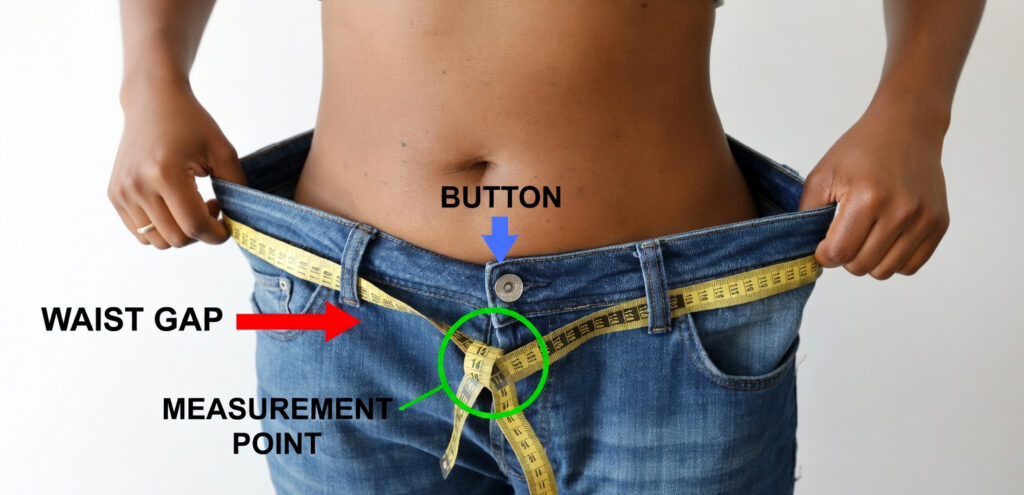
Health experts generally agree that dropping up to 2 pounds a week is a safe, steady pace. Losing weight faster than that is often viewed as too aggressive and may come with health concerns.

Research suggests that rapid weight loss can increase the risk of muscle loss, nutrient deficiencies, and even a slower metabolism. That is why the goal should not be quick results at any cost, but sustainable progress that supports your overall health.

So, what is the best way to lose 2 pounds a week?
The most effective strategy is to create a healthy calorie deficit. In simple terms, that means using a combination of better eating habits and more daily movement so your body burns more calories than it takes in.
In this guide, you will learn practical and sustainable ways to reach that goal without starving yourself or relying on fad diets.
How to Lose 2 Pounds a Week
You may also like:
- How to Lose Weight Fast in 2 Weeks: 11 Simple and Easy Ways
- 8 Easy Exercises to Get Rid of Hip Dips
1. Create a Calorie Deficit
If you want to lose weight, a calorie deficit is essential. This becomes even more important when your goal is to lose 2 pounds per week.

The healthiest way to create that deficit is by making lifestyle changes that help you:
- Eat fewer calories
- Move more throughout the day
- Exercise regularly
Both nutrition and physical activity play a key role.

To stay on track, you can use a calorie deficit calculator or a food-tracking app to monitor what you eat each day. This helps you compare your calorie intake with the energy you burn through daily activity and exercise.
The process does not need to be complicated. Small, consistent steps can improve your health while helping you steadily lose weight.
2. Build a Healthy Eating Plan
For many people, changing their eating habits is the hardest part of weight loss.
Often, this is because eating patterns are tied to routine, comfort, and emotion. Favorite foods can feel familiar and reassuring, which makes dietary change feel overwhelming.
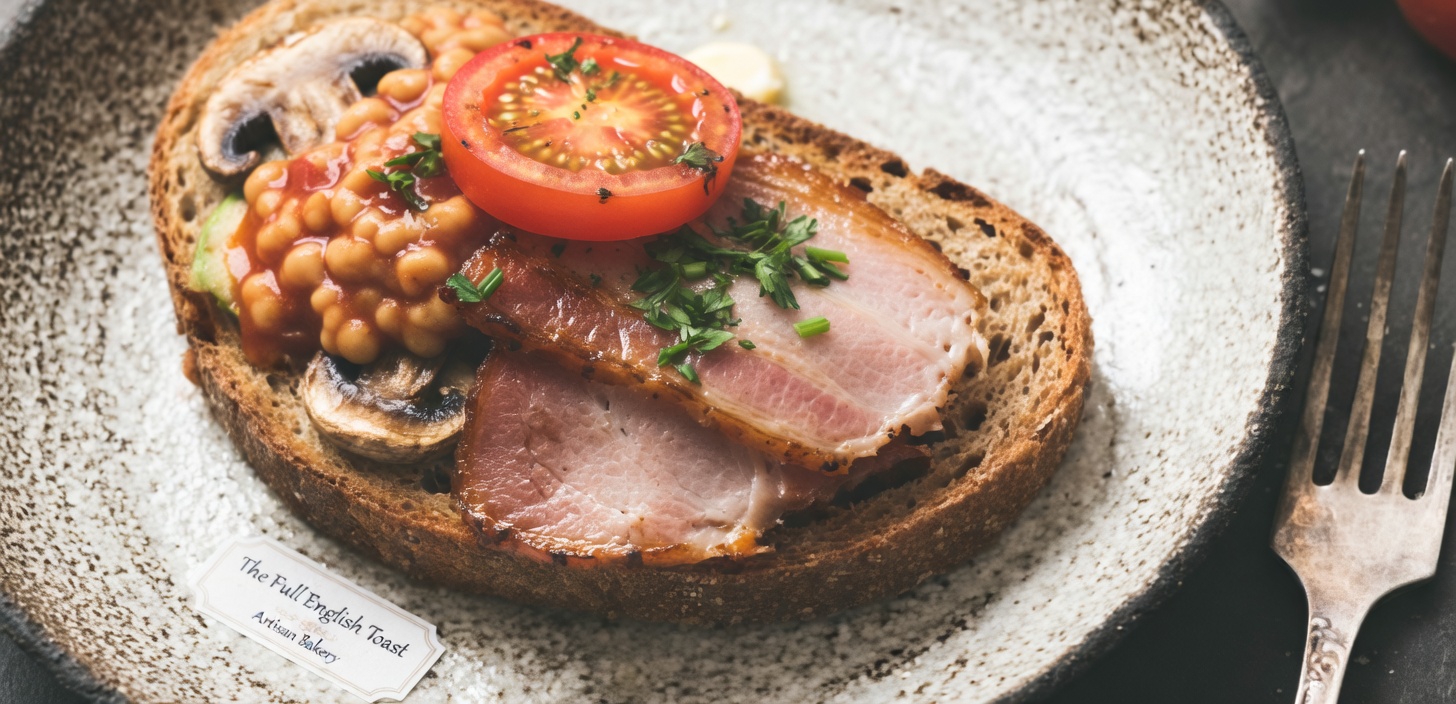
The good news is that healthy eating does not have to feel like punishment. You do not need to live on bland meals or feel deprived all the time.
In fact, nutritious foods can be satisfying, comforting, and enjoyable.
Studies show that foods high in fiber and protein can help slow digestion and keep you feeling full longer. These are exactly the kinds of foods that support healthy weight loss.
Focus on whole foods such as:
- Fruits
- Vegetables
- Nuts and seeds
- Legumes
- Whole grains
- Lean protein sources
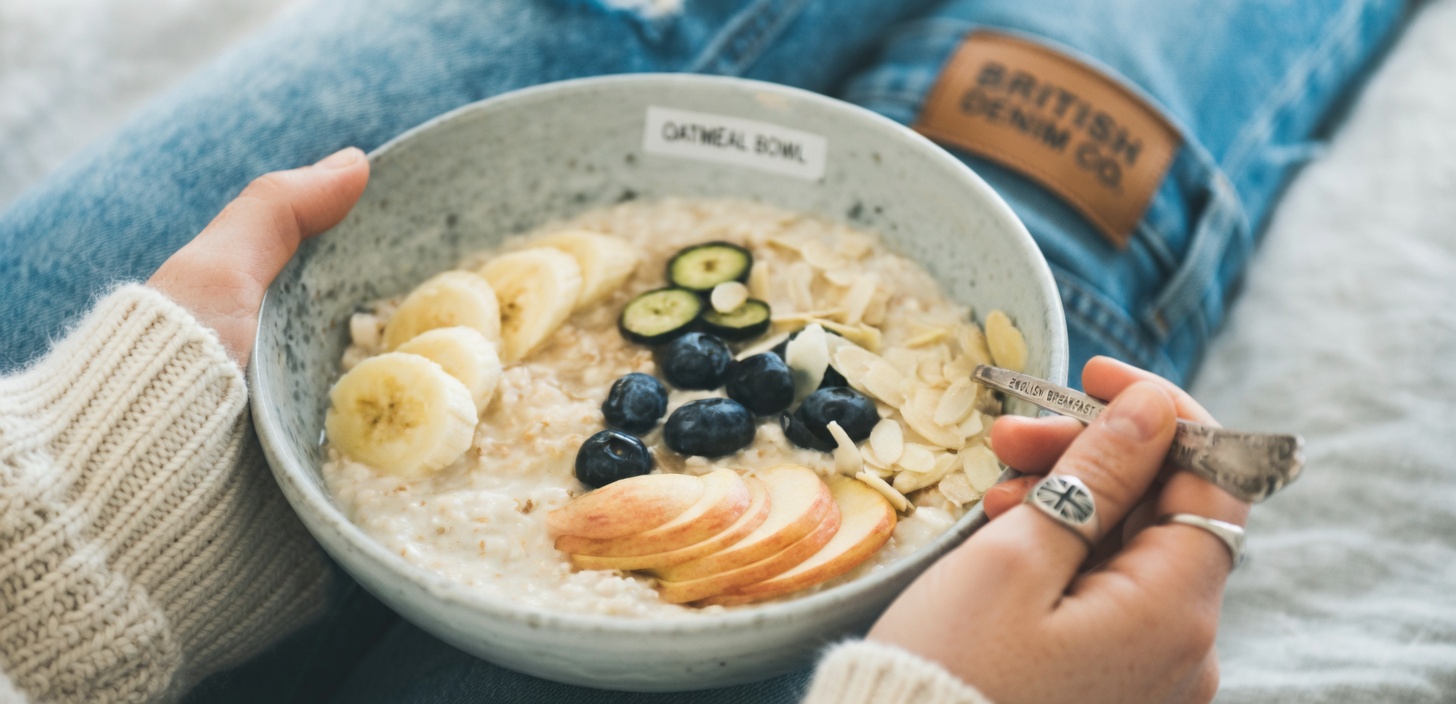
These foods are typically more nutrient-dense than highly processed alternatives. They also tend to be more filling while naturally containing fewer calories.
A simple way to start is by adding more weight-loss-friendly foods to meals you already enjoy.
For example:
- If you love pizza, try a cauliflower crust pizza
- If pasta is your comfort food, choose lentil pasta or zoodles
- Use a fresh, nutrient-rich sauce like basil-based sauce
Healthy eating does not mean giving up everything you love. It means making smarter choices more often.
One helpful habit is to keep a daily food journal. Tracking what you eat can help you notice patterns, understand hunger better, and learn which foods leave you feeling satisfied.
3. Avoid Fad Diets for Long-Term Results
If a diet sounds extreme, it probably is.
Very low-calorie plans, highly restrictive eating rules, and trendy diets may promise fast results, but they often leave you feeling hungry, frustrated, and unsatisfied.

In many cases, the early weight loss from fad diets is mainly water weight, not true long-term fat loss.
If a plan is so strict that it feels impossible to maintain, it is unlikely to help you make permanent changes. Constantly following rigid food rules can also make weight loss feel stressful instead of empowering.
The real goal is healthy, lasting weight loss. You want results that improve both your physical health and emotional well-being without making you fear every meal or regain the weight later.
Rather than chasing extreme diets, focus on learning moderation and building habits you can actually maintain.
4. Practice Moderation, Not Perfection
One of the most effective ways to lose weight without crash dieting is to stop thinking in extremes.
You do not need to completely ban every food you enjoy. Instead, learn to limit highly processed snacks and sugary treats while still allowing room for occasional indulgences.

This includes foods and drinks like:
- Soft drinks
- Desserts
- Candy
- Sweet packaged snacks
Many people reach for these items out of habit, convenience, or comfort. But for long-term weight loss, they should be occasional choices rather than everyday staples.
That said, total restriction often backfires.
You can:
- Swap sugary drinks for water
- Replace dessert with fruit most days
- Still enjoy treats during special occasions
This approach is usually much easier to maintain than cutting out everything you like. When foods feel forbidden, cravings often become stronger.
5. Choose Food Quality Over Just Counting Calories
Calories matter, but food quality matters too.
Not all calories affect your body the same way. It is possible to follow a low-calorie plan while still eating foods that leave you hungry, undernourished, and unsatisfied.

A better approach is to choose foods that are both nutritious and filling. That makes it easier to eat fewer calories without feeling deprived.
Try replacing heavily processed “diet” foods with more whole, minimally processed options.
Simple upgrades include:
- Choosing a sweet potato instead of a white baked potato
- Picking whole foods over packaged low-calorie snacks
- Drinking water, black coffee, or unsweetened tea instead of sugary beverages loaded with cream and sugar
Improving the quality of your meals can help reduce calorie intake naturally while boosting your nutrition.
6. Sometimes Eating More Helps You Lose Weight
A common mistake during weight loss is eating too little.
Yes, you need a calorie deficit, but cutting calories too drastically can work against you. If your intake drops too low, your body may respond as if food is scarce.

When that happens, your body can become more protective of its fat stores, making weight loss harder. Very low-calorie diets are also difficult to sustain over time.
If you are eating “light” but still feel hungry all the time, consider trying volume eating.
Volume eating means building meals with foods that let you eat more food for fewer calories. This usually involves choosing foods rich in water and fiber, especially:
- Vegetables
- Fruits
- Legumes
- High-fiber whole foods

These foods add size and satisfaction to meals without dramatically increasing calories. Because fiber slows digestion, it can help you stay full longer and reduce your total calorie intake throughout the day.
A diet rich in fiber may also support better long-term health and may help lower the risk of certain chronic conditions, including high blood pressure and cardiovascular disease.
7. Get More Active
Regular physical activity can help increase the number of calories you burn, making it easier to maintain the calorie deficit needed to lose weight.

You do not need an extreme workout routine to see benefits. Start with manageable forms of movement and build consistency.
Important ways to become more active include:
-
Walk more every day
- Take short walks after meals
- Park farther away
- Use stairs when possible
-
Add structured exercise
- Brisk walking
- Cycling
- Jogging
- Home workouts
-
Include strength training
- Helps preserve muscle mass during weight loss
- Supports a healthier metabolism
-
Stay consistent
- Regular movement matters more than perfection
- Small efforts done daily add up over time
Final Thoughts
If you want to lose 2 pounds a week, the safest and most effective approach is to create a healthy calorie deficit through better nutrition, moderation, and more physical activity.
Avoid crash diets and extreme restrictions. Instead, focus on habits that are realistic, satisfying, and sustainable.
To summarize:
- Create a calorie deficit
- Eat more whole, fiber-rich, and protein-rich foods
- Avoid fad diets
- Practice moderation with treats
- Prioritize food quality
- Do not eat too little
- Move your body regularly
Healthy weight loss is not about suffering through short-term dieting. It is about building a lifestyle that helps you feel better, stay nourished, and maintain your results for the long run.