How to Lose Weight Fast for Men: 7 Science-Backed Tips
When you see a lean, muscular guy walking down the street, your first thought is probably that his time in the gym is paying off.
And that may be true, but exercise is only one part of the equation.
For men, losing weight and burning fat can be challenging. While the basics apply to everyone, there are also a few male-specific factors to keep in mind when trying to slim down efficiently.
This guide breaks down research-supported habits, simple diet upgrades, and practical strategies that can help men lose weight faster and more effectively.
By the end, you’ll have a clearer idea of how to fine-tune your routine for better fat loss results.
1. Start the Day With a Cold Shower
A cold shower does more than wake you up in the morning. It may also give your metabolism a small boost.
Exposure to cold temperatures helps activate brown fat, also known as brown adipose tissue, which plays a role in regulating body temperature. When your body gets cold, this type of fat uses stored fat and sugar to generate heat. That process may increase energy expenditure and support a higher metabolic rate.
Cold exposure can also leave you feeling more alert and energized. Some research suggests that exercise may stimulate brown fat activity as well, making it an interesting addition to an already active lifestyle.
That said, cold showers alone will not cause weight loss. Think of them as a small bonus, not a complete solution. They work best when paired with:
- A calorie-conscious eating plan
- Strength training or cardio
- Consistent daily movement
- Good sleep and recovery habits
If you want an extra edge in your routine, a cold shower may help, but it should support your plan, not replace it.
2. Increase Your Protein Intake
Protein is one of the most effective nutrients for fat loss, appetite control, and muscle preservation.
Adding more protein to your meals can help you feel full sooner and stay satisfied longer. This often leads to a natural reduction in overall calorie intake, which is key for weight loss.
Research also shows that high-quality protein may help reduce abdominal fat, making it especially useful if your goal is to lose belly fat safely and sustainably.
Another major benefit is that protein helps protect lean muscle mass while you’re in a calorie deficit. This matters because maintaining muscle supports a healthier metabolism and helps your body burn more calories over time.
This is particularly important for men over 50, since age-related muscle loss, known as sarcopenia, becomes more common with time. A higher protein intake can help offset that decline while also supporting fat loss.
Good protein sources include:
- Lean meat
- Fish and seafood
- Eggs
- Greek yogurt and dairy
- Beans and legumes
- Tofu and soy foods
Breakfast is a great place to start. A protein-rich morning meal can reduce cravings later in the day and set the tone for better food choices.
If you have kidney concerns, digestive issues, or other medical conditions, speak with a doctor or registered dietitian before making major changes to your protein intake.
3. Cut Back on Junk Food
If weight loss is your goal, keeping junk food within easy reach makes the process much harder.
This is not just about discipline. It’s about your environment. When chips, fries, cookies, and other ultra-processed snacks are always nearby, you’re much more likely to eat them without thinking.
A simple strategy is to make unhealthy choices less convenient. If those foods are not sitting in your kitchen, office drawer, or car, you’ll reduce the chances of mindless snacking.
Instead, stock up on better options that are easy to grab when hunger hits. Smart snack choices include:
- Beef jerky
- Yogurt
- Avocado
- Nuts and seeds
- Fruit
- Protein-rich snack packs
Keeping healthier snacks in your desk, gym bag, or glove compartment can prevent impulsive eating and help you stay on track.
The easier it is to choose nutritious food, the more likely you are to stick with your weight loss plan.
4. Reduce Refined Carbohydrates
Eating too many refined carbs can make fat loss more difficult.
These foods are heavily processed, which removes much of their fiber and nutrients. Common examples include:
- White bread
- Pastries
- Sugary cereals
- White rice
- Processed snack foods
Because refined carbohydrates are often low in fiber and high in added sugars, they tend to have a higher glycemic index. This can lead to rapid spikes and drops in blood sugar, which may leave you feeling hungry again soon after eating.

Frequent blood sugar swings can increase cravings and make it harder to control your calorie intake. Research has also linked higher consumption of refined grains with increased visceral fat, the deep abdominal fat associated with health risks.
A better approach is to swap refined carbs for whole grains and fiber-rich alternatives, such as:
- Barley
- Buckwheat
- Millet
- Oats
- Brown rice
- Whole grain bread
These foods digest more slowly, keep you full for longer, and can support steady energy throughout the day.
If you are unsure which carbohydrates best fit your needs, a doctor or nutrition professional can help guide you.
5. Add More Fiber to Your Diet
Fiber is one of the most overlooked tools for weight management and belly fat reduction.
Soluble fiber, in particular, helps slow digestion by absorbing water in the digestive tract. This creates a longer-lasting feeling of fullness, which can reduce hunger and help you eat fewer calories naturally.
One study found that increasing soluble fiber intake was associated with a reduction in belly fat over time. Other research suggests that adding 14 grams of fiber per day may significantly lower calorie intake and lead to weight loss within a few months.

Fiber may also support fat loss through its effects in the gut. Soluble fiber is broken down by gut bacteria into short-chain fatty acids, compounds that appear to influence fat metabolism, fat storage, and body weight.
Excellent fiber sources include:
- Vegetables
- Fruits
- Whole grains
- Legumes
- Nuts
- Seeds
- Quinoa
Adding more of these foods to your meals can help increase satiety, improve digestion, and support a healthier body composition.
For men trying to lose weight without feeling constantly hungry, fiber is a major advantage.
6. Use High-Intensity Interval Training (HIIT)
If you’ve looked into the best workouts for fast fat loss, you’ve probably seen HIIT, or high-intensity interval training, come up again and again.
That’s because it works.
HIIT involves alternating short bursts of hard effort with brief recovery periods. This style of training keeps your heart rate elevated and can burn a lot of calories in a relatively short amount of time.
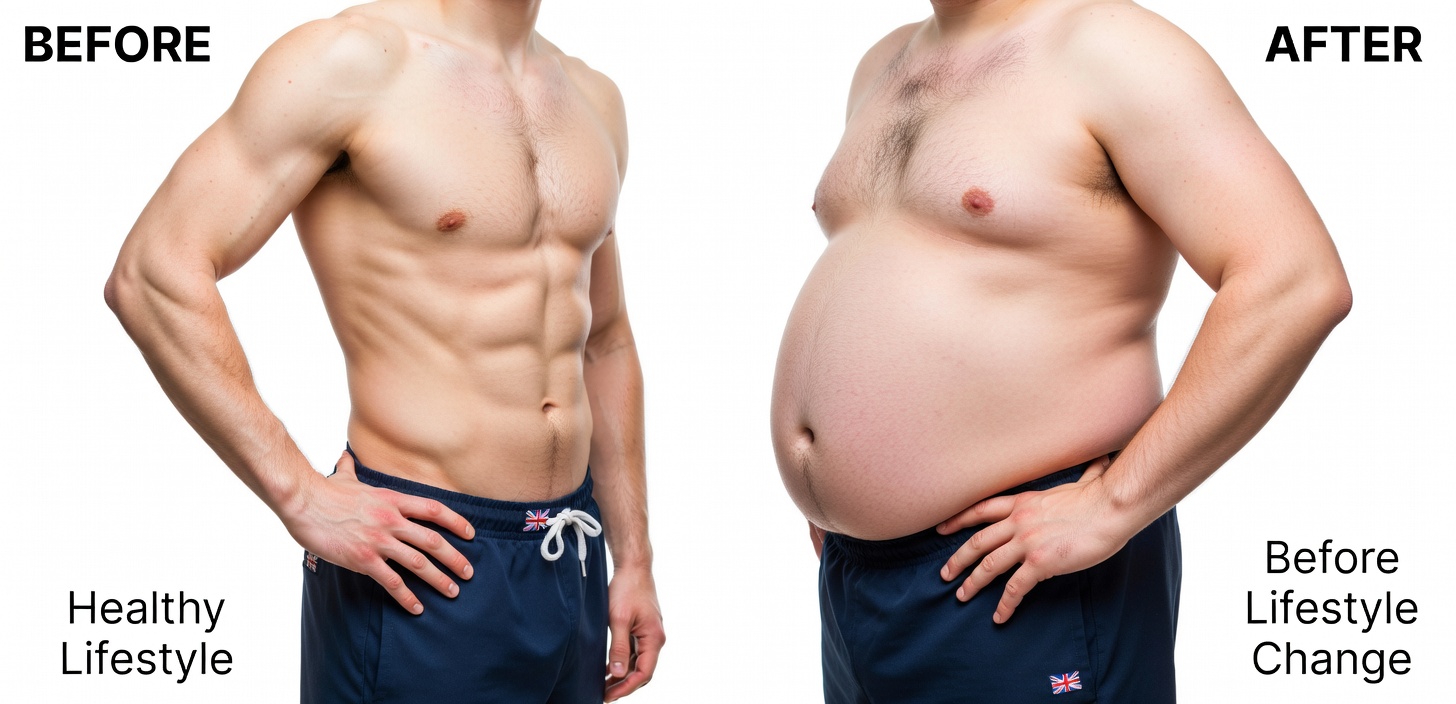
Studies have shown that HIIT can be highly effective for fat burning and waist reduction. In one 12-week study, young men who completed 20 minutes of HIIT three times per week lost about 2 kg of fat on average and saw a noticeable reduction in belly fat and waist size.
HIIT may also burn more calories in less time than traditional steady-state cardio like jogging or cycling.
Beginner-friendly HIIT ideas include:
- Alternating walking and sprinting in 30-second intervals
- Short bodyweight circuits with rest periods
- Fast cycling intervals followed by easy pedaling
- Rowing or jump rope bursts with recovery breaks
Still, more is not always better. Because HIIT is demanding, doing too much can lead to fatigue, soreness, and injury. Its explosive nature puts added stress on muscles and joints, so moderation is important.
A few sessions each week are usually enough to see benefits without overdoing it.
7. Consider Intermittent Fasting
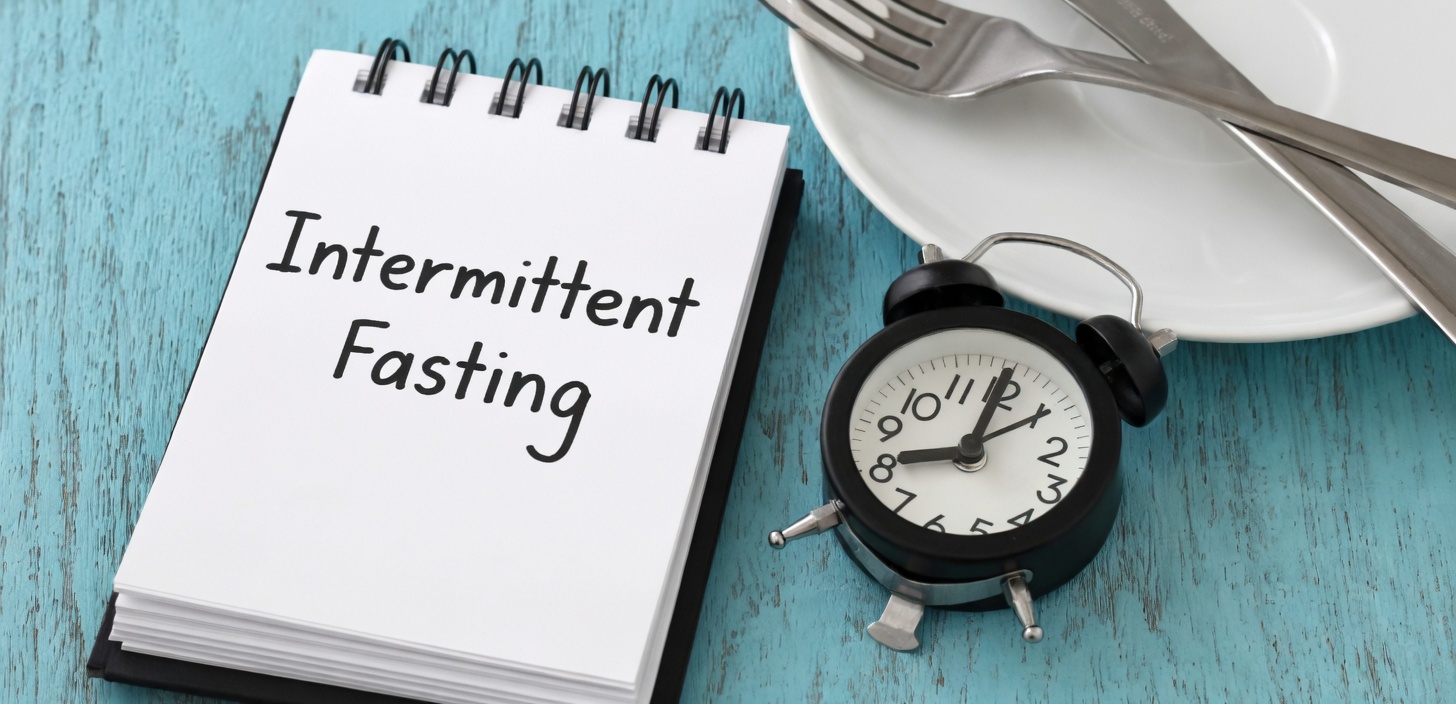
Intermittent fasting is not just another trendy diet. For many men, it can be a practical way to reduce calorie intake and improve body composition.
This eating pattern cycles between periods of eating and periods of fasting. It may sound complicated at first, but the concept is simple.
Popular methods include:
- 16/8 fasting – fasting for 16 hours and eating during an 8-hour window
- 5:2 diet – eating normally five days a week and reducing calories on two days
- Warrior diet – eating lightly during the day and having a larger meal at night
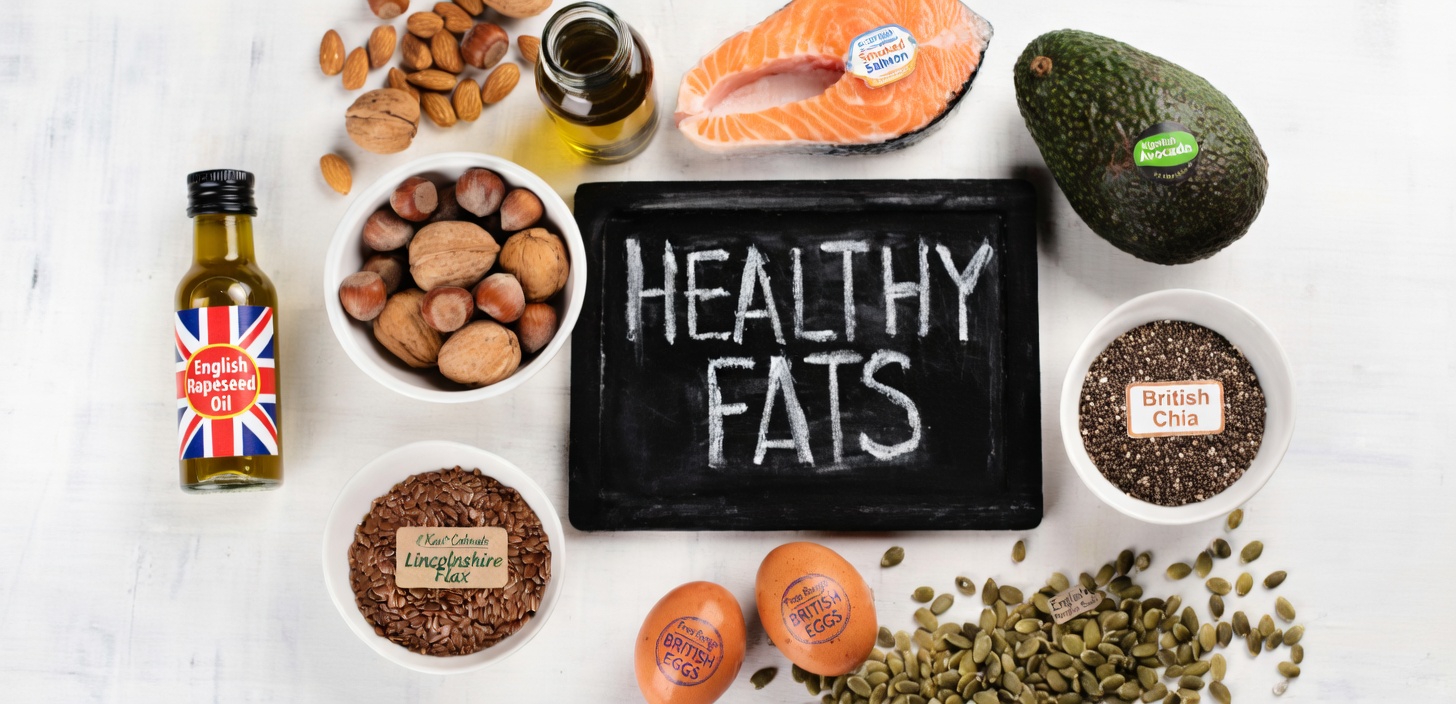
Research suggests that intermittent fasting over several weeks can reduce body weight and body fat. When paired with resistance training, it may also help lower fat levels while preserving muscle mass.
One reason many men like intermittent fasting is that it can simplify eating. Fewer meals may mean fewer opportunities to overeat, and some people find it easier to stay in a calorie deficit this way.
However, it’s important to choose an approach that fits your lifestyle, work schedule, and training routine.
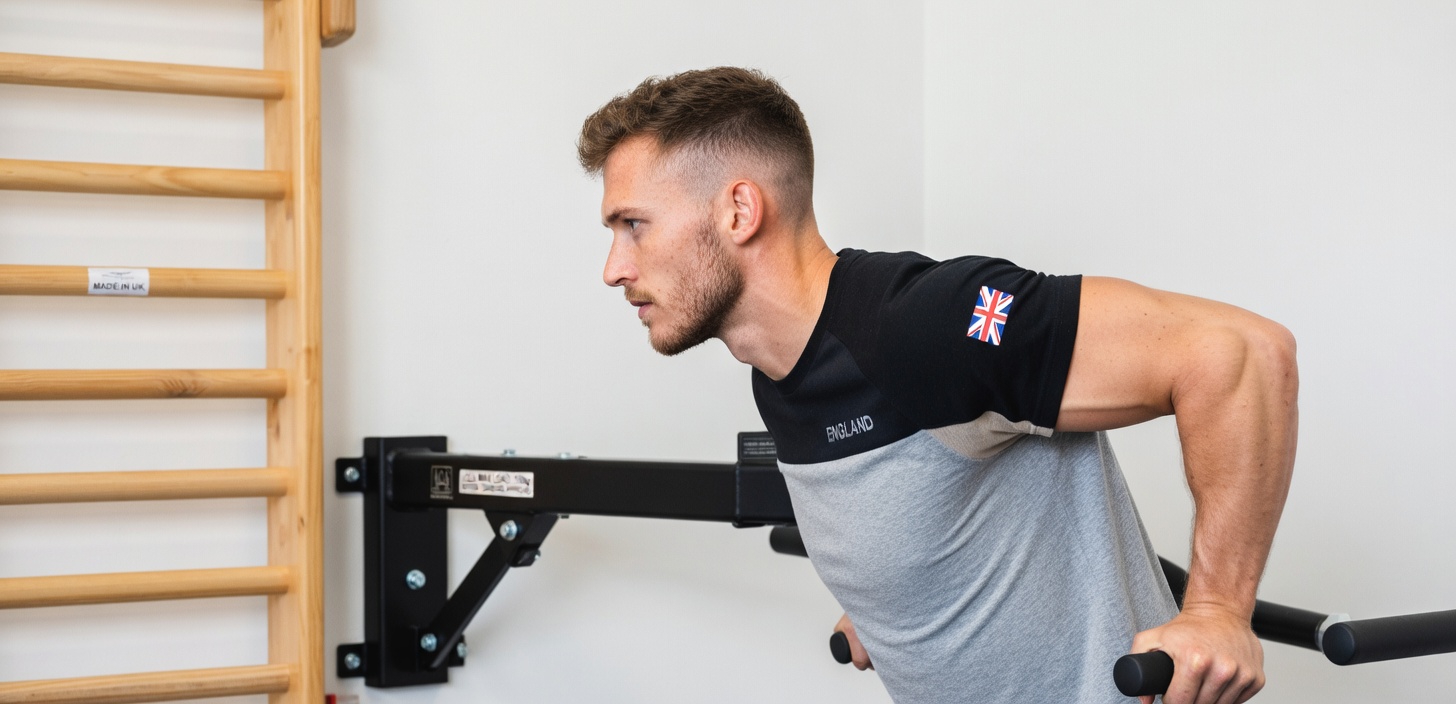
A few important reminders:
- Do not fast for excessively long periods without guidance
- Make sure your meals are still nutritious and balanced
- Stay hydrated
- Stop if you feel weak, dizzy, or unwell
Skipping food for too long is not a smart shortcut. Extreme restriction can backfire and may harm your health rather than help your progress.
Final Thoughts
Fast weight loss for men is not about one magic trick. The best results usually come from combining several effective habits into one sustainable routine.
A solid plan may include:
- Cold showers for a small metabolic boost
- More protein to protect muscle and control hunger
- Less junk food in your daily environment
- Fewer refined carbs
- More fiber-rich foods
- Regular HIIT workouts
- Intermittent fasting, if it suits your lifestyle

The key is consistency. Small, smart changes repeated daily will do far more for your body than extreme methods you cannot maintain.
If you want to lose weight faster, focus on building habits that help you burn fat, preserve muscle, and stay committed for the long term.