The Ultimate Guide to the Reverse Crunch
The reverse crunch is one of the most effective exercises for targeting the lower abdominal muscles. If you want to build a stronger core and improve lower ab definition, this movement deserves a place in your routine.
Traditional crunches and sit-ups can help train the upper part of the rectus abdominis, but they often do less for the lower abs and the transverse abdominis. Adding reverse crunches to your workouts can help create more balanced core development and reduce the risk of muscular imbalances in your midsection.
Because your lower abs are involved in daily actions such as walking, running, twisting, and rotating, the reverse crunch is not just useful for aesthetics. It also supports real-world movement and overall fitness.
And yes, stronger lower abs can also improve how your midsection looks in the mirror.
- To reduce lower belly fat and reveal more definition, check out tips on how to get rid of lower belly fat
- Explore the best ab workouts for men
- Explore the best ab workouts for women
What Is a Reverse Crunch?
As the name suggests, the reverse crunch is the opposite of a standard crunch.
Instead of keeping your lower body still and curling your upper body upward, you lie on your back, keep your shoulders grounded, and bring your knees and hips inward toward your chest.
This exercise mainly targets the lower abdominals, while also recruiting supporting muscles such as the hip flexors. That makes it a practical choice for anyone looking to strengthen the entire core.
Research from Harvard Medical School highlights the importance of core strength for both athletic performance and everyday life. A strong core can help improve posture, flexibility, bending, twisting, lifting, and even comfort while sitting at a desk. It may also reduce the likelihood of day-to-day back discomfort.
For athletes and active people, better core strength can support powerful movements like kicking, punching, rotating, and changing direction. Since the abdominals play a major role in full-body movement, the reverse crunch stands out as one of the more effective exercises for activating them.
This guide explains how to perform the reverse crunch correctly, avoid common mistakes, and try a more advanced variation.
How to Do a Reverse Crunch
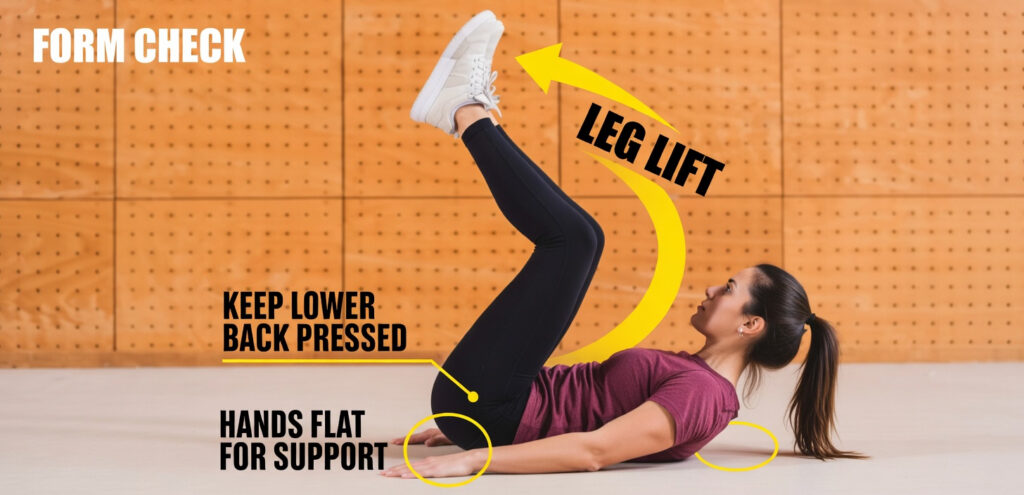
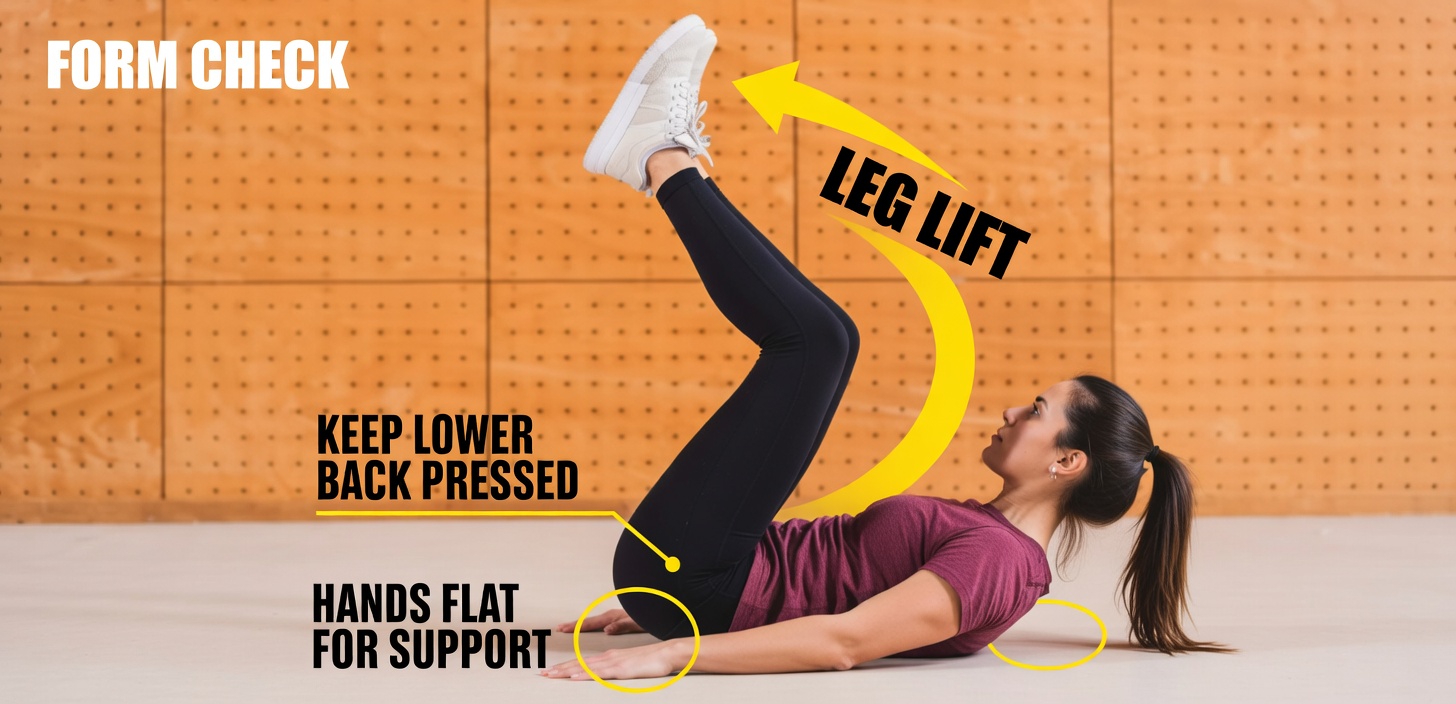
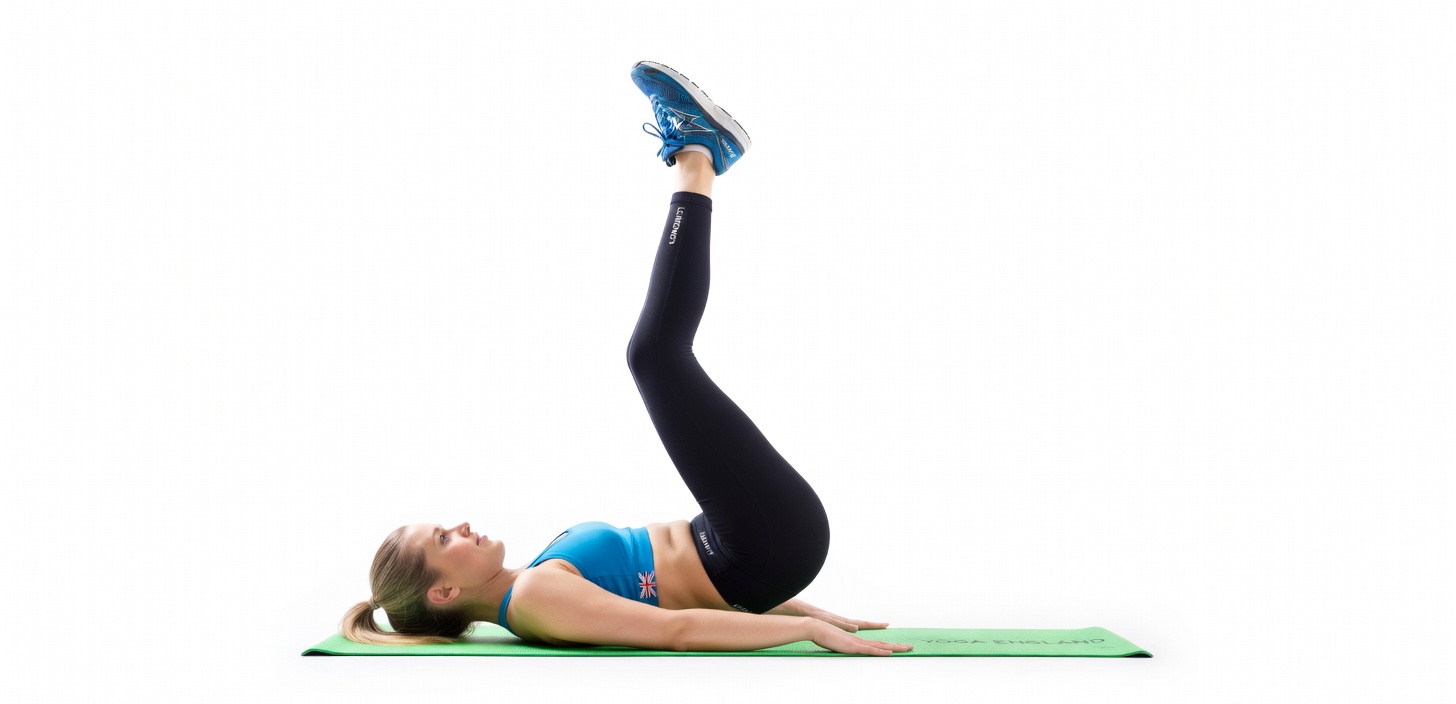
Set up on a mat and lie flat on your back. Keep your arms by your sides with your palms pressing into the floor for support and balance.
Follow these steps:
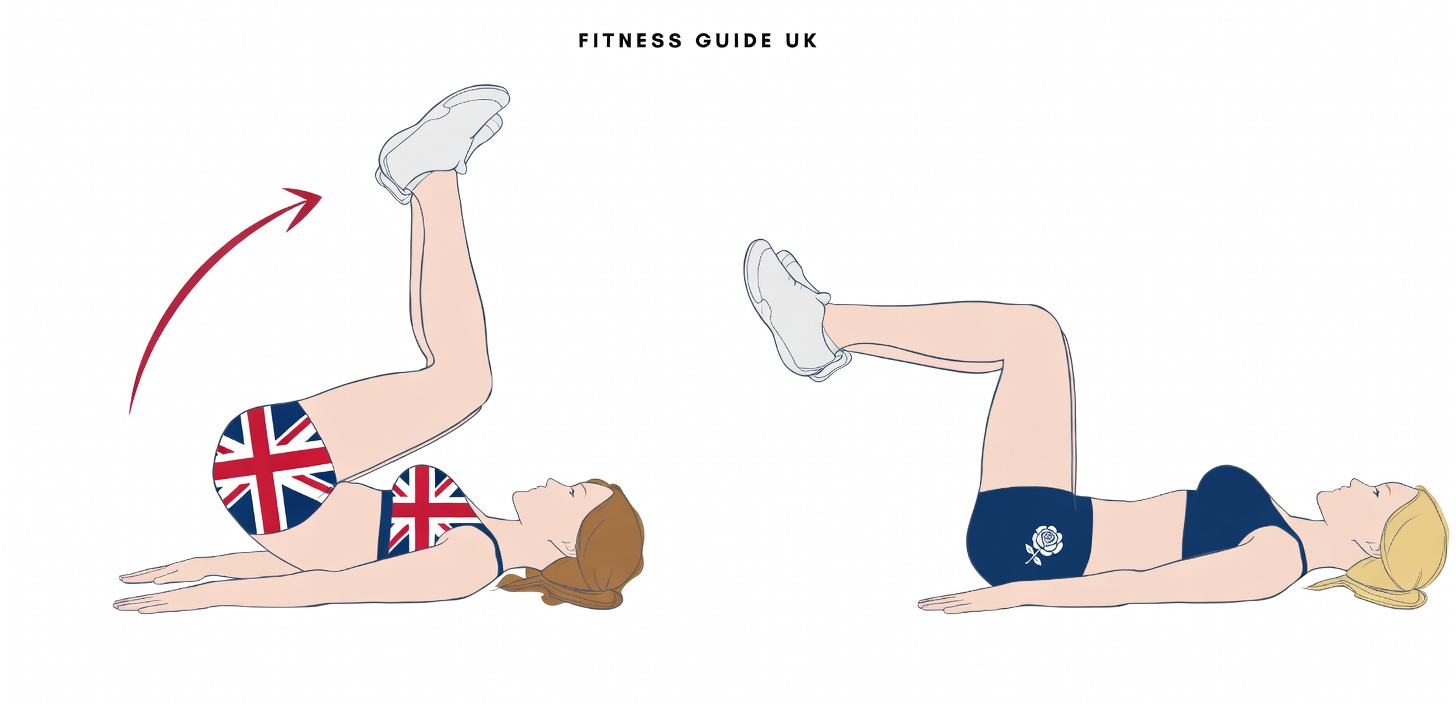
- Lie on your back with your legs together and your core engaged.
- Place your hands beside your body, palms down.
- Lift your feet so your knees are bent, aiming for about a 90-degree angle.
- Keeping your upper body still, pull your knees toward your chest and lift your hips slightly off the floor.
- Pause briefly at the top of the movement.
- Lower your hips slowly and return to the starting position with control.
Start with 1 to 10 repetitions, depending on your strength and experience.
Benefits of Reverse Crunches
If regular crunches or sit-ups make your neck feel strained, reverse crunches can be a better alternative. Because your shoulders stay on the floor, many people find them more comfortable.
Key benefits of reverse crunches include:
- Stronger lower abdominals
- Greater activation of the external obliques
- Improved core stability
- Better balance and posture
- More support for sports and daily movements
- Functional strength for bending, reaching, and twisting
A well-trained core is useful not only in the gym but also in everyday tasks such as gardening, lifting objects, and moving around efficiently. Including different ab exercises in your training helps challenge the muscles from multiple angles and can lead to better overall results.
Common Reverse Crunch Mistakes
Reverse crunches may look simple, but proper form is essential. Since the movement involves repeated spinal flexion, doing it incorrectly can place unnecessary stress on the lower back.
If you already have lower back pain, approach this exercise carefully and get professional advice if needed.
Watch out for these common mistakes:
- Using momentum instead of muscle control
- Swinging the legs too fast
- Letting the knees drift without lifting the hips
- Arching the lower back excessively
- Failing to engage the abs throughout the movement
To improve your form:
- Keep your knees bent at about 90 degrees
- Try to keep your shins roughly parallel to the floor at the setup
- Exhale as you draw your knees in and engage your lower abs
- Pause briefly at the top
- Lower yourself back down slowly, one segment at a time
It can also help to squeeze your glutes and press your arms into the mat for added stability. When the exercise feels less stable, your core must work harder to control the motion.
For best results, perform each repetition slowly and with control. If you struggle with technique, working with a qualified personal trainer can help you learn the movement safely.
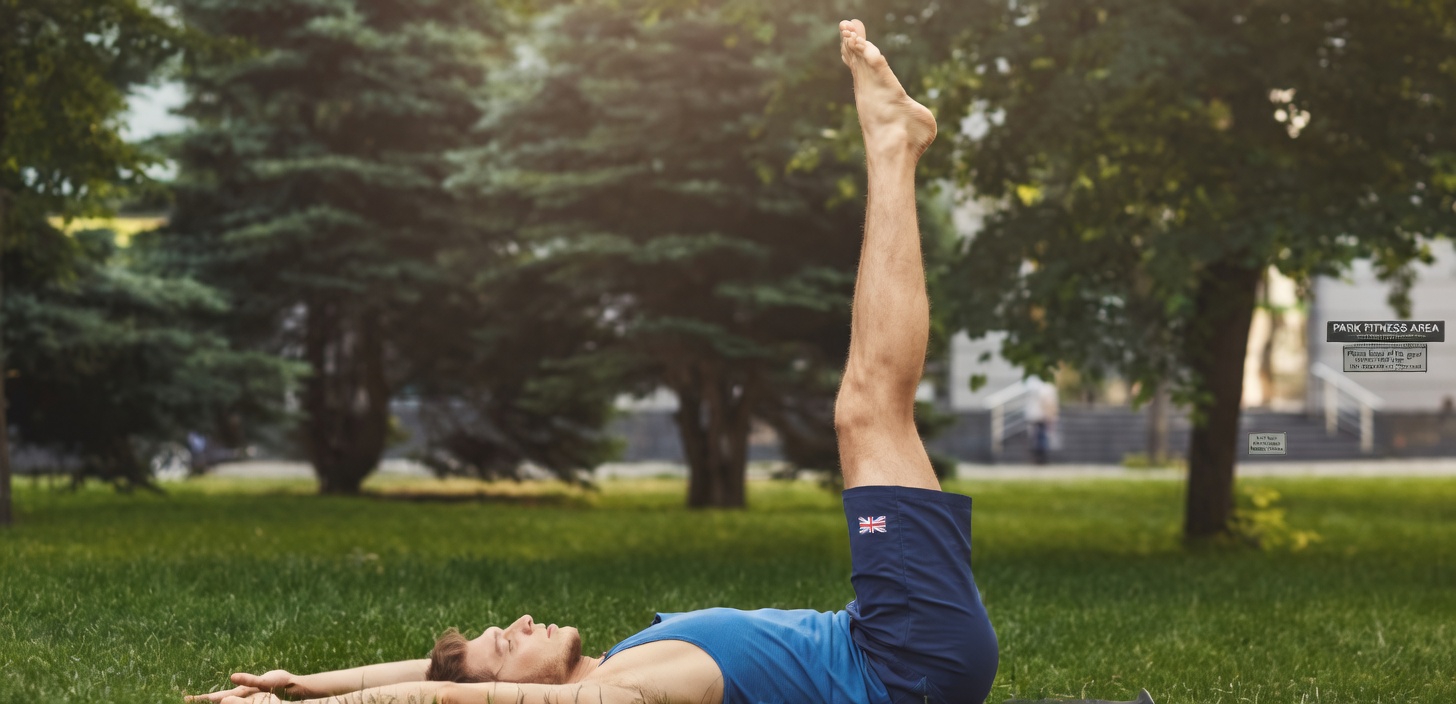
Variation: Reverse Crunch Kick-Up
If you want a more advanced version, try the reverse crunch kick-up. This variation adds a dynamic leg extension and increases the challenge for your core.
Here is how to do it:
- Lie flat on your back with your arms at your sides.
- Keep your thighs close together and bend your knees slightly.
- Brace your core and start with your feet near the floor.
- Perform a reverse crunch by lifting your hips and drawing your knees toward your chest.
- From there, extend your legs upward and outward in a kicking motion.
- As your legs straighten, your lower back and hips will lift further from the floor.
- At the top, your toes should be roughly in line with the top of your head.
- Reverse the movement slowly to return to the starting position.
Compared with a standard crunch or basic reverse crunch, this variation can make your abdominal muscles work even harder when performed with good form.
Safety and Precautions
Before adding reverse crunches to your workout, consider your current physical condition. If you have a history of back or neck injuries, speak with a physician or physical therapist first to make sure this exercise is appropriate for you.
During the movement, it is normal to feel your abdominal muscles working hard or even burning. However, you should not feel sharp pain.
Stop immediately if you notice:
- Stomach pain
- Neck pain
- Back pain
- Signs of nerve discomfort
Pregnant women should avoid this exercise unless approved by a healthcare professional.
Source
- Escamilla RF, Babb E, DeWitt R, Jew P, Kelleher P, Burnham T, Busch J, D’Anna K, Mowbray R, Imamura RT. Electromyographic Analysis of Traditional and Nontraditional Abdominal Exercises: Implications for Rehabilitation and Training. Physical Therapy. U.S. National Library of Medicine. https://pubmed.ncbi.nlm.nih.gov/16649890/