Everyday Foods That May Be Raising Your Blood Pressure
Many foods we eat all the time seem harmless, but they can have a bigger effect on health than most people realize. Healthy eating is not only about avoiding junk food. Some common kitchen staples may quietly contribute to high blood pressure, lower energy, and other issues that build up over time.
The tricky part is that these foods often look convenient, familiar, or even healthy. But when they are eaten regularly, their high sodium, added sugar, unhealthy oils, or saturated fat can put extra strain on your body. The good news is that becoming aware of them can make a healthy lifestyle much easier to manage.
Why These Foods Can Be a Problem
A lot of these everyday items have one thing in common: they are packed with salt. In many cases, salt is used to preserve flavor and extend shelf life. Some also contain hidden sugar, unhealthy oils, or saturated fats. Over time, that combination can raise blood pressure, stiffen blood vessels, clog arteries, and make it harder for the body to stay balanced.
When this becomes a daily pattern, the effects can start adding up. That is why it helps to know which foods to watch more closely.
10 Common Foods That Can Affect Blood Pressure
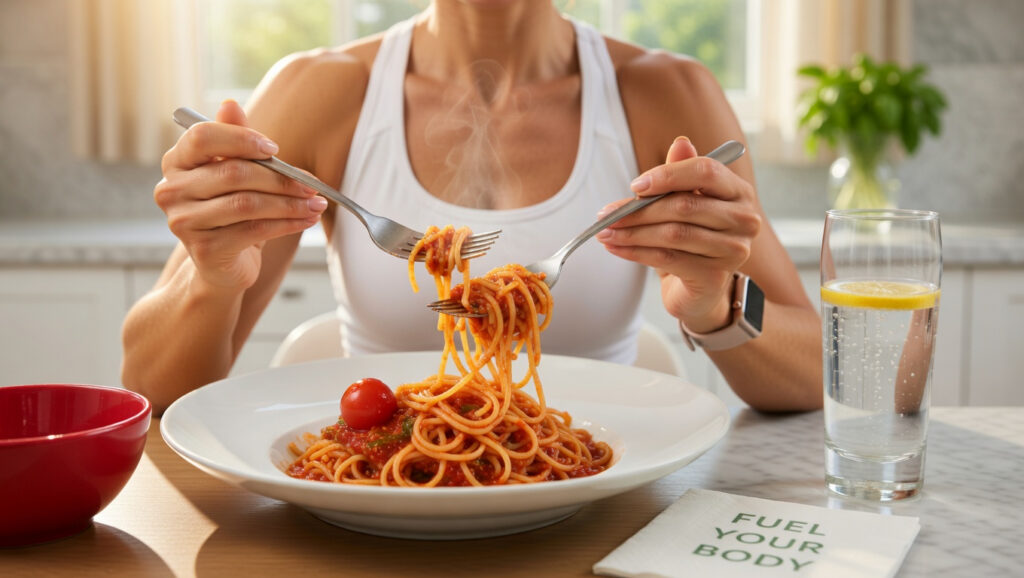
1. Bottled Pasta Sauces
Jarred pasta sauce is quick and easy, but that convenience often comes with a downside. These sauces are usually high in sodium because salt helps preserve them.
Many also contain hidden sugar. Over time, sugar can make blood vessels stiff. If bottled sauces are a regular part of your meals, they may begin to affect your blood pressure more than you expect.
A better option: making homemade sauce can take more effort, but it may be worth it in the long run.
2. Canned Soups
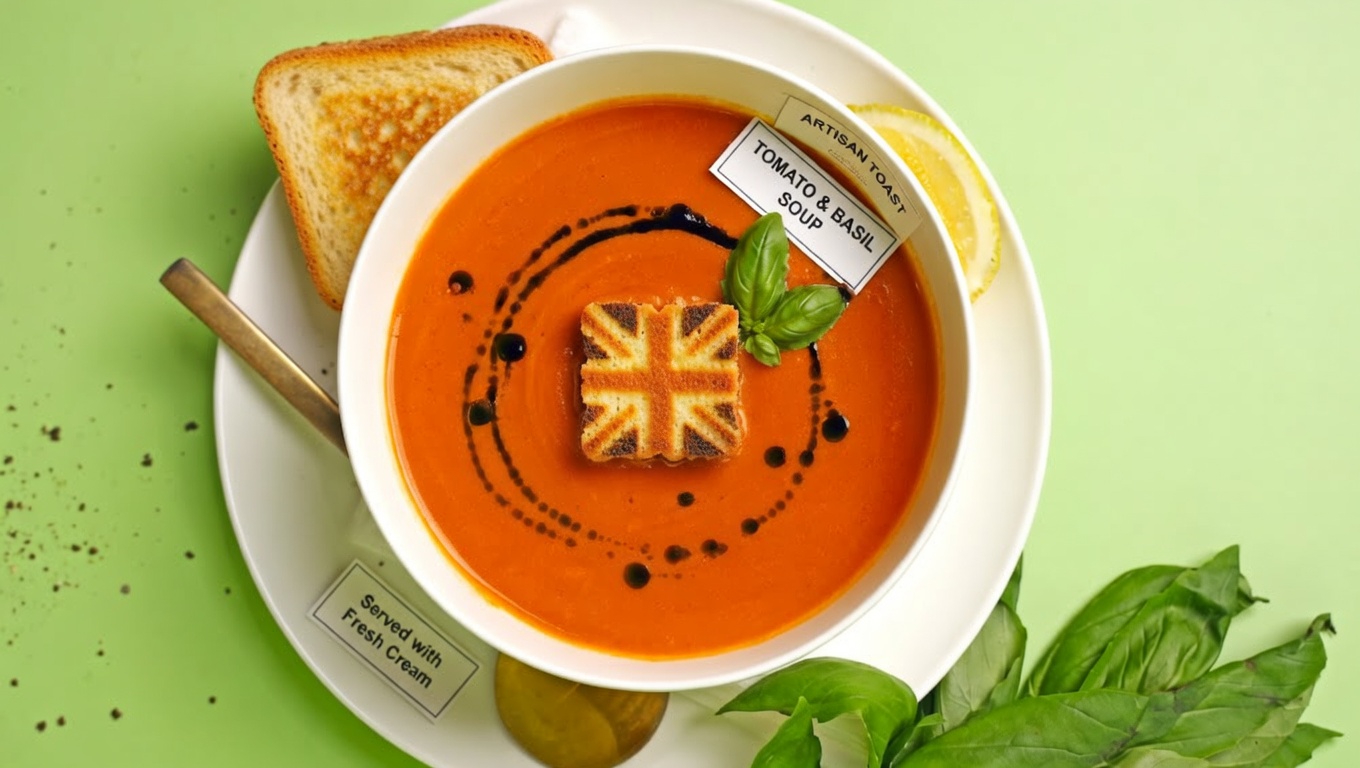
Canned soup is a popular comfort food, especially when you are not feeling well. Still, one can may contain 600mg to 1200mg of salt, which is more than you should be consuming in an entire day.
That amount of sodium can put stress on both your blood pressure and your heart.
A better option: homemade soup is a healthier choice. If making it yourself feels difficult, look for canned soups labeled “no salt added.”
3. Salad Dressings
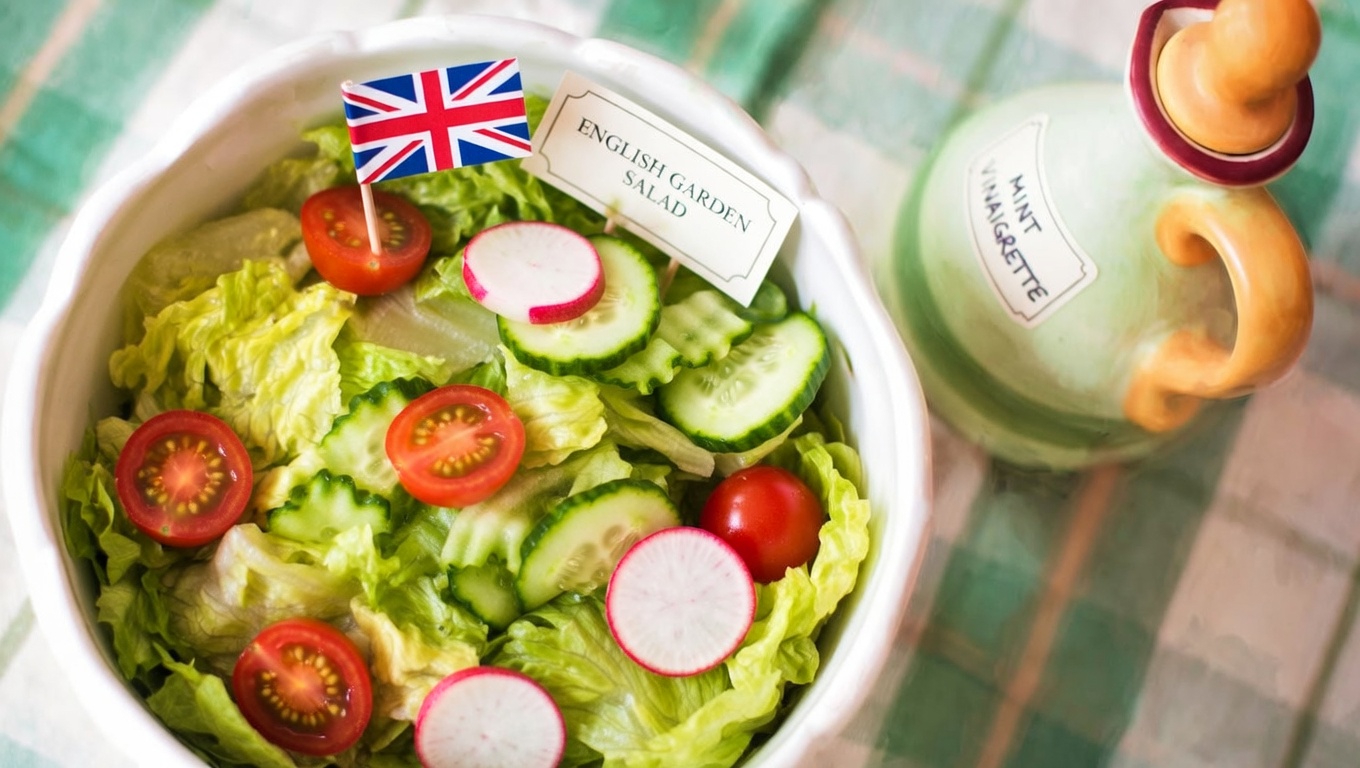
Salads may be healthy, but store-bought dressings can quickly change that. Just two spoonfuls of ranch dressing can contain over 300mg of salt. Many creamy dressings also include unhealthy oils.
These ingredients can raise blood pressure and clog arteries, even if the salad itself is nutritious.
A better option: make a simple dressing at home with olive oil and vinegar, then add herbs and spices for flavor.
4. Processed Meats and Deli Meats
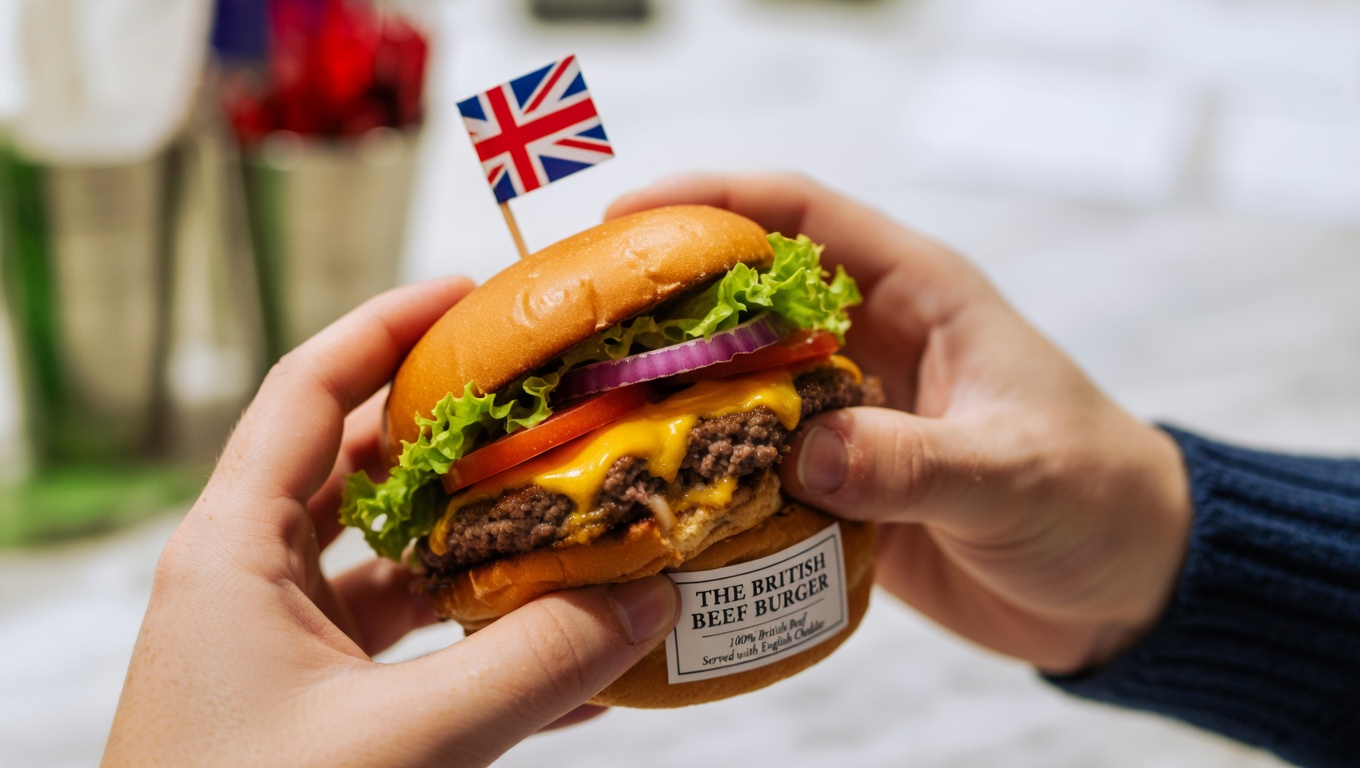
A deli sandwich may feel like an easy meal after a long day, but processed meats are heavily salted to stay fresh. Just 2 ounces can contain 500mg to 700mg of salt, along with a large amount of saturated fat.
These meats can affect weight loss, heart health, and blood pressure. Their impact is not limited to just one part of the body.
A better option: cooking meat at home takes more time, but it can be much better for your overall health.
5. Cheese
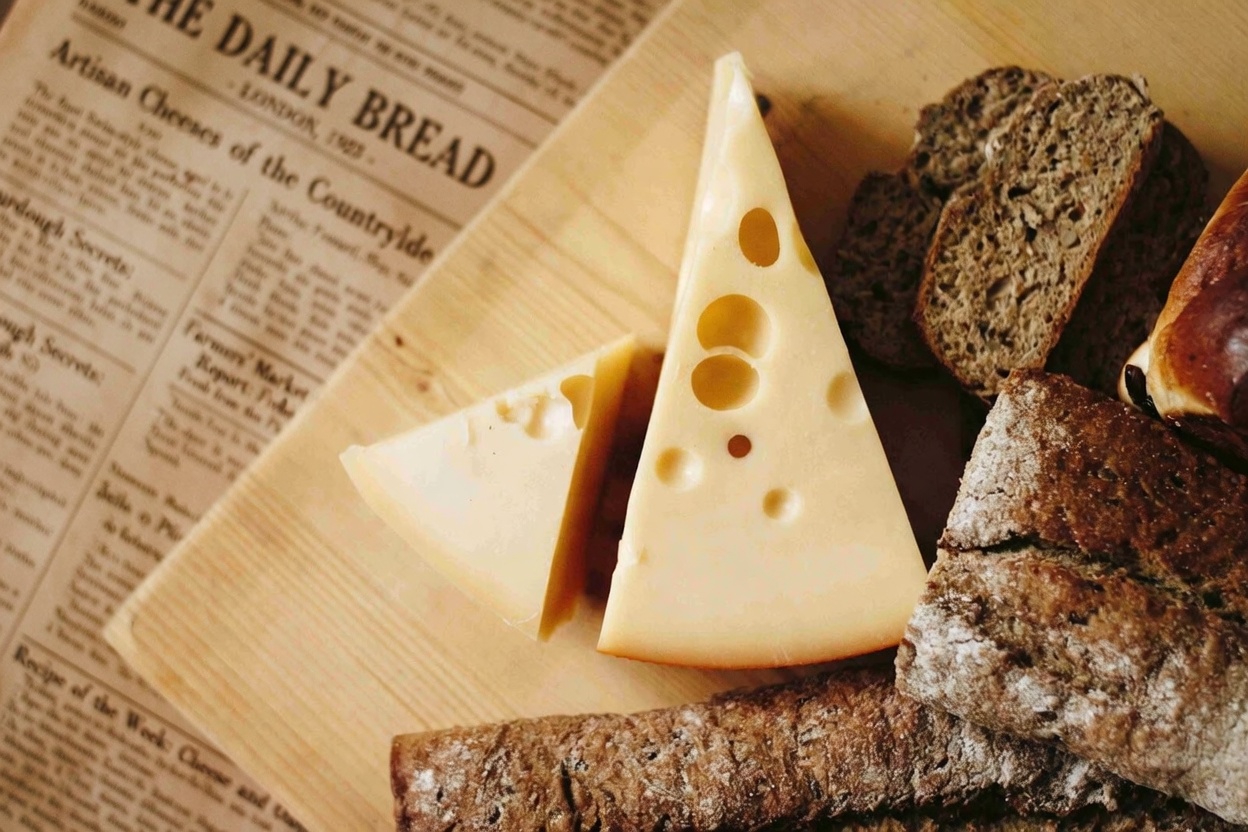
Cheese may not taste especially salty, but it can still be very high in sodium. Sodium causes the body to hold onto extra water, which can raise blood pressure. In general, the more processed the cheese is, the more sodium it may contain.
Packaged cheese snacks can be even worse because they may also include extra fat. The mix of saturated fat and salt can raise blood pressure and stiffen arteries.
A better option: be more careful with portion sizes and pay attention to how processed the cheese product is.
6. Frozen Dinners
Frozen meals are hard to resist because they save time, especially on busy days. But some contain more than half a day’s limit of sodium in just one serving.
Much of that salt is added to preserve flavor. Many frozen meals are also low in potassium, which helps the body maintain stable blood pressure.
A better option: try meal-prepping for the week so you are less likely to depend on frozen dinners.
7. Restaurant Foods
Restaurant meals often taste great because salt boosts flavor. Even dishes that seem healthy may contain more sodium than meals made at home. After eating out too often, you may start noticing more frequent blood pressure spikes.
That does not mean you have to stop eating at restaurants entirely.
A better option: ask for no extra salt and find out how your meal is prepared so you can make more informed choices.
8. Instant Noodles
Instant noodles are a favorite convenience food, especially as a late-night snack. But their seasoning packets can contain up to 1800mg of sodium.
Boiling them does not make them healthier, because the broth absorbs the salt. Eating the noodles and the broth means taking in all that sodium. Frying them adds unhealthy fats on top of the salt, which can make things even worse.
A better option: avoiding instant noodles altogether is the simplest solution.
9. Breakfast Cereals
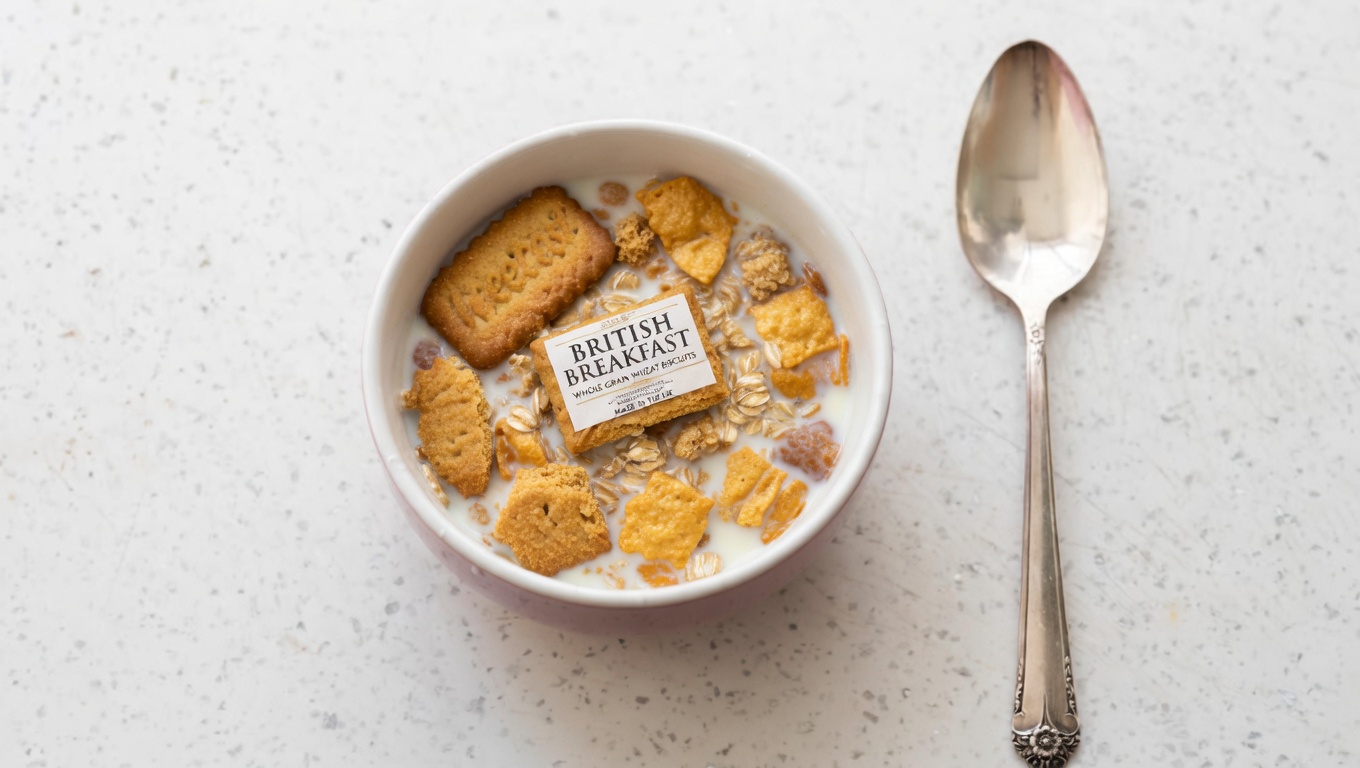
Cereal is a common breakfast, especially for children, but some varieties contain up to 300mg of salt per bowl. Having that much sodium every morning can create long-term concerns.
Adding milk increases the salt content even more.
A better option: check labels carefully and choose cereals with less than 140 mg of salt. An even better choice is oatmeal instead.
10. Pickled Foods
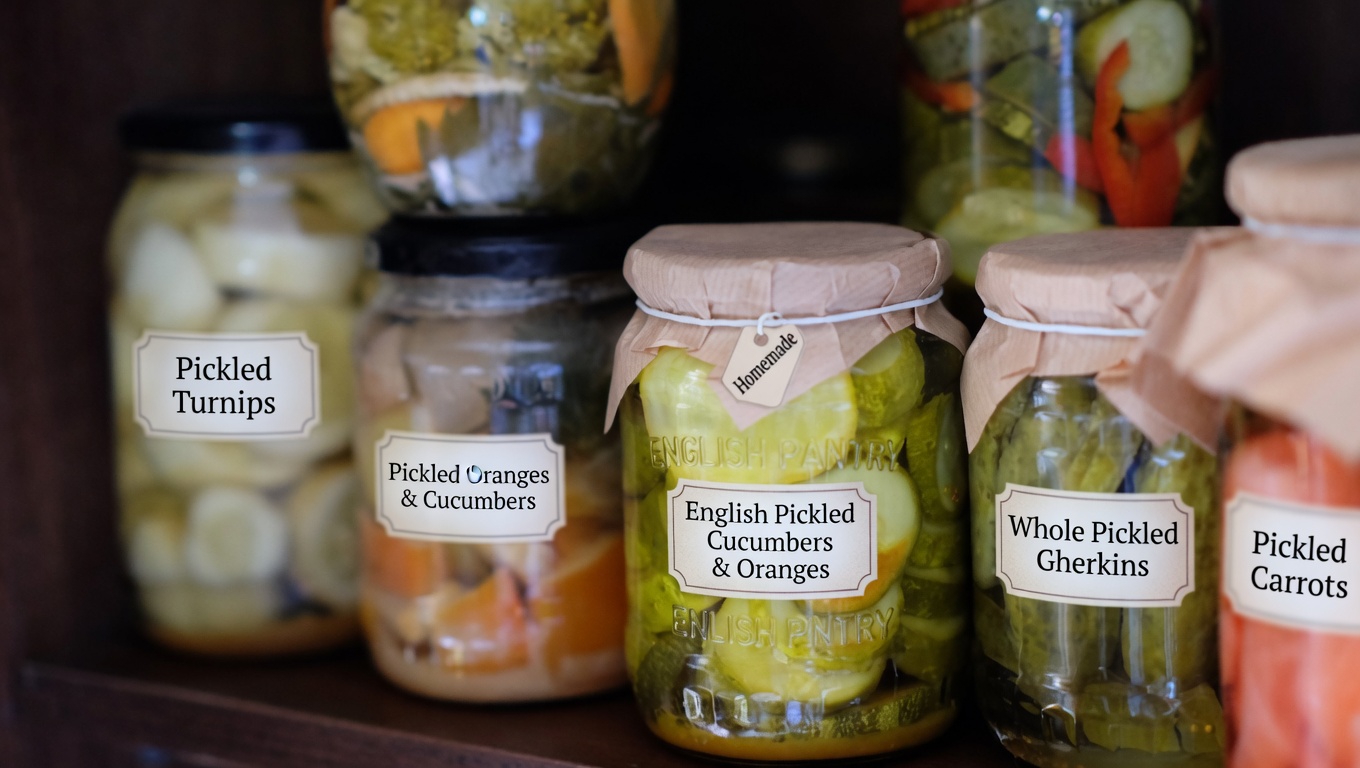
Pickled foods last a long time because traditional pickling relies heavily on salt. Eating pickles often can weaken the body’s ability to balance fluids, which increases the risk of long-term high blood pressure.
Even small servings can raise sodium intake if they are eaten regularly.
A better option: use vinegar and fresh herbs like dill to get a similar flavor without so much salt.
What Causes the Biggest Risk?
The main issue with these foods is how easily sodium adds up throughout the day. A little from sauce, a little from dressing, more from soup, frozen meals, or snacks—and suddenly your body is dealing with far more salt than it can handle well.
Some of these foods also bring extra sugar, saturated fat, and unhealthy oils. Together, those ingredients can put more pressure on blood vessels and make it harder for the body to maintain healthy blood pressure over time.
Simple Ways to Start Making Better Choices
You do not have to change everything overnight. Small adjustments can make a big difference.
- Make homemade versions when possible
- Look for “no salt added” options
- Read labels before buying packaged foods
- Choose cereals with less than 140 mg of salt
- Replace bottled dressings with simple homemade ones
- Meal-prep so frozen dinners are not your only option
- Ask restaurants not to add extra salt
- Swap pickled foods for vinegar and fresh herbs
- Replace cereal with oatmeal when you can
Final Thoughts
These foods may not seem dangerous on their own, but their effects can slowly build when they become part of your regular routine. In many cases, health problems can be addressed through diet rather than medicine, but that starts with knowing what you are eating and how it may affect your body.
A diet high in sodium puts extra pressure on blood vessels and can set you up for long-term blood pressure problems. By cutting back on these everyday foods, you are making a more mindful choice to take better care of your body.
Consult a healthcare professional before making changes.