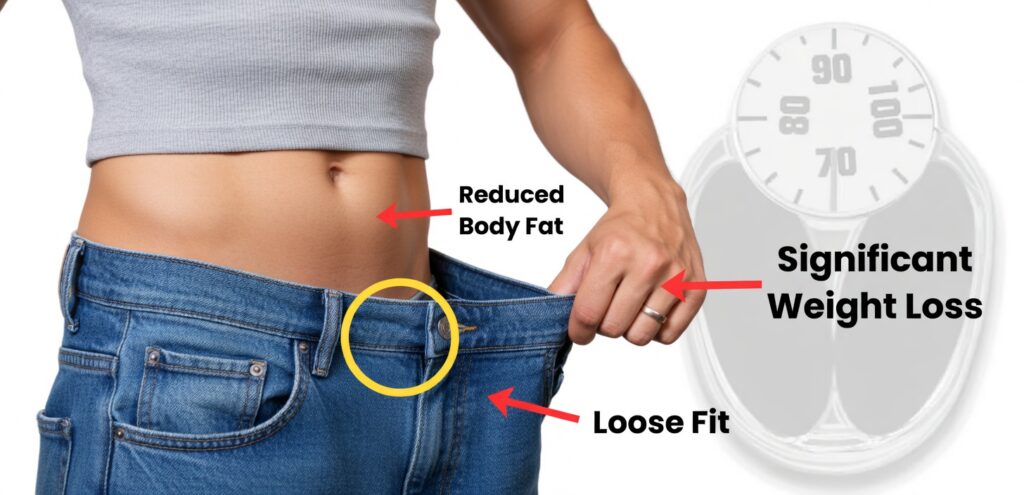
Intermittent Fasting for Weight Loss: What to Expect After One Month
In a busy, always-on world, many people want a weight loss approach that feels simpler, quicker, and easier to follow.
That is one reason intermittent fasting has become so popular.
Supporters of intermittent fasting often say it can support weight loss, increase fat burning, and make daily eating habits more straightforward.
But what should you realistically expect from it?
This guide explains what intermittent fasting is, how it affects the body, and how much weight you may be able to lose in one month.
What Is Intermittent Fasting?
Intermittent fasting is a broad term used for eating patterns that alternate between scheduled periods of eating and fasting.
Unlike many traditional diets, intermittent fasting does not mainly focus on what foods to eat or how much to eat. Instead, it emphasizes when you eat.
Because of that, many people see it as an eating schedule rather than a standard diet plan.
Common Types of Intermittent Fasting
There are several popular ways to practice intermittent fasting, including:
-
16:8 method
This is one of the most common fasting schedules. You eat during an 8-hour window and fast for the remaining 16 hours each day. Many people do this by skipping breakfast and eating between 12 p.m. and 8 p.m. Since it is simple and easy to fit into daily life, it is often a good starting point for beginners. -
5:2 method
With this approach, you eat normally on 5 days of the week and limit intake to around 500 to 600 calories on the other 2 days. -
Warrior Diet
This plan involves eating small amounts of fruits and vegetables during the day, followed by one larger meal in the evening within a 4-hour eating window. -
Eat Stop Eat
This strategy includes a 24-hour fast once a week. For example, you might finish dinner at 6 p.m. on Tuesday and not eat again until 6 p.m. on Wednesday. -
Alternate-day fasting
This method involves fasting every other day. Some versions allow up to 500 calories on fasting days. Because it can cause strong hunger and be harder to maintain, this approach may not work well for everyone long term.
What Happens to Your Body During Intermittent Fasting?
Fasting can trigger several changes in the body.
When you go without food for a period of time, your body begins adjusting hormone levels so it can use stored fat for energy. In simple terms, fasting can encourage the body to shift toward fat burning.
Some key changes that may happen include:
-
Lower insulin levels
Insulin is released in response to carbohydrates and helps control blood sugar. During fasting, insulin levels drop, which can help signal the body to use stored fat as fuel instead of relying only on blood glucose. -
Higher human growth hormone (HGH)
Human growth hormone has been associated with fat loss and muscle support. Research suggests HGH levels may increase during fasting periods. -
Increased norepinephrine
Norepinephrine, also called noradrenaline, rises during fasting. This hormone helps the body release fatty acids from stored body fat so they can be used for energy.
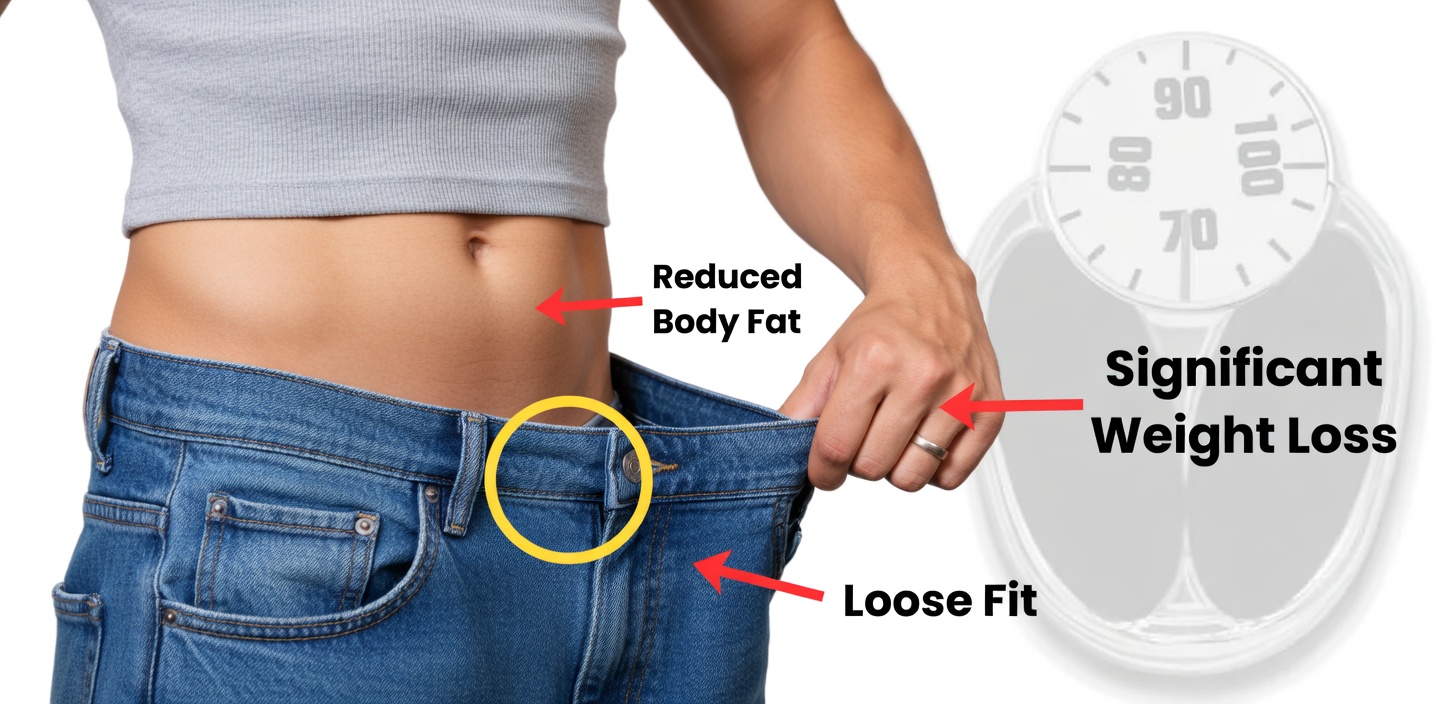
Can Intermittent Fasting Help You Lose Weight?
Research continues to show that intermittent fasting can be just as effective for weight loss as many other diet strategies.
The main reason it works is that it often helps create a calorie deficit. A calorie deficit happens when you burn more calories than you consume.
Since intermittent fasting usually reduces the number of meals and snacks you eat, it may naturally lower your total calorie intake over time.
At the same time, the hormonal changes that happen during fasting can support fat burning. When food is not available, the body starts using stored energy, including body fat, to meet its needs.
What the Research Says
Several studies have reported positive weight loss results with intermittent fasting:
- A 2014 review found that intermittent fasting led to a 3% to 8% reduction in body weight over a period of 3 to 24 weeks.
- A 2011 review reported weight loss of 4% to 8% of starting body weight after 3 weeks.
- That same review also suggested that people using fasting plans may lose less lean muscle mass than those following standard daily calorie restriction.
- A 2020 systematic review covering 27 studies and 944 participants found that intermittent fasting produced weight loss ranging from 0.8% to 13% of baseline body weight.
- In studies lasting more than 4 weeks, waist circumference dropped by around 3 to 8 cm, which is about 1 to 3 inches.
- Researchers also noted that much of the weight lost through intermittent fasting appeared to come from body fat.
How Much Weight Can You Lose in One Month?
This is one of the most common questions people ask before starting intermittent fasting.
The truth is that there is no single answer.
Weight loss in the first month depends on many personal factors, such as:
- Age
- Sex
- Genetics
- Starting weight
- Calorie intake
- Size of your daily calorie deficit
- Exercise habits
- Sleep quality
- Stress levels
- Overall nutrition
- Your current health status
That means two people following the same fasting schedule may see very different results.
A Realistic Monthly Weight Loss Range
The Centers for Disease Control and Prevention (CDC) recommends aiming for a steady, sustainable rate of about:
- 1 to 2 pounds per week
- Or roughly 4 to 8 pounds per month
This slower pace is generally considered healthier and easier to maintain over time.
Rapid weight loss can happen in the early stages of a diet, but it does not always lead to lasting results. Sustainable habits usually matter more than short-term drops on the scale.
Which Intermittent Fasting Method Is Best for Weight Loss?
There is no single intermittent fasting method that works best for everyone.
Any fasting style can potentially support weight loss if it helps you stay consistent and maintain a calorie deficit.
The best option depends on your lifestyle, preferences, and what feels realistic for you.
For example:
- If you like having most days feel normal, you may prefer the 5:2 method or Eat Stop Eat
- If you already tend to skip breakfast, the 16:8 method may fit naturally into your routine
- If you want a simple schedule to follow daily, a time-restricted eating plan may be easier than fasting for a full day
Most importantly, intermittent fasting is not the only effective weight loss strategy. Many other approaches can also produce long-term success.
The best weight loss plan is the one you can stick with consistently.
Tips for Success With Intermittent Fasting
1. Choose a plan you can maintain long term
Pick a fasting schedule that fits your daily routine, social life, and energy needs. A plan that feels manageable is more likely to become a lasting habit.
2. Do not ignore nutrition
Even though intermittent fasting focuses on timing, food quality still matters. Aim for balanced meals with:
- Lean protein
- Fiber-rich vegetables
- Whole grains
- Healthy fats
- Fruit
- Plenty of water
3. Avoid overeating during your eating window
Fasting does not guarantee weight loss if you regularly eat far beyond your calorie needs. Try to eat mindfully and pay attention to hunger and fullness cues.
4. Prioritize sleep and stress management
Poor sleep and high stress can affect hunger hormones, cravings, and weight regulation. Healthy routines outside of eating matter too.
5. Include exercise
A combination of cardio and strength training can support fat loss, improve overall health, and help preserve muscle mass while losing weight.
6. Be patient with results
Weight changes can vary from week to week. Focus on progress over time instead of expecting dramatic changes right away.
Final Thoughts
Intermittent fasting can be an effective and flexible way to lose weight.
It works mainly by helping reduce calorie intake and encouraging the body to use stored fat for energy. Research suggests it may support both overall weight loss and reductions in belly fat.
After one month, many people may lose around 4 to 8 pounds, though actual results can vary widely depending on lifestyle, body composition, and consistency.
If you are considering intermittent fasting for weight loss, the best approach is the one that fits your life, supports your health, and is realistic enough to continue over the long term.