Want to Live Longer? Learn How to Deep Squat
Modern life, especially in the United States, revolves around sitting. We eat in chairs, commute in cars or trains, and spend hours seated at desks or in front of screens.
This level of comfort may feel normal, but it comes with a cost.
Spending too much time sitting or lying down has been linked to long-term health issues such as heart disease, diabetes, and certain cancers. Extended sitting can also negatively affect mental well-being.
One way to counter this pattern is to look at cultures where people spend less time in chairs and more time squatting or kneeling.
A deep squat is especially useful because it demands hip mobility and flexibility while also helping develop both. For people who spend much of the day seated, it can serve as a simple and effective movement practice.
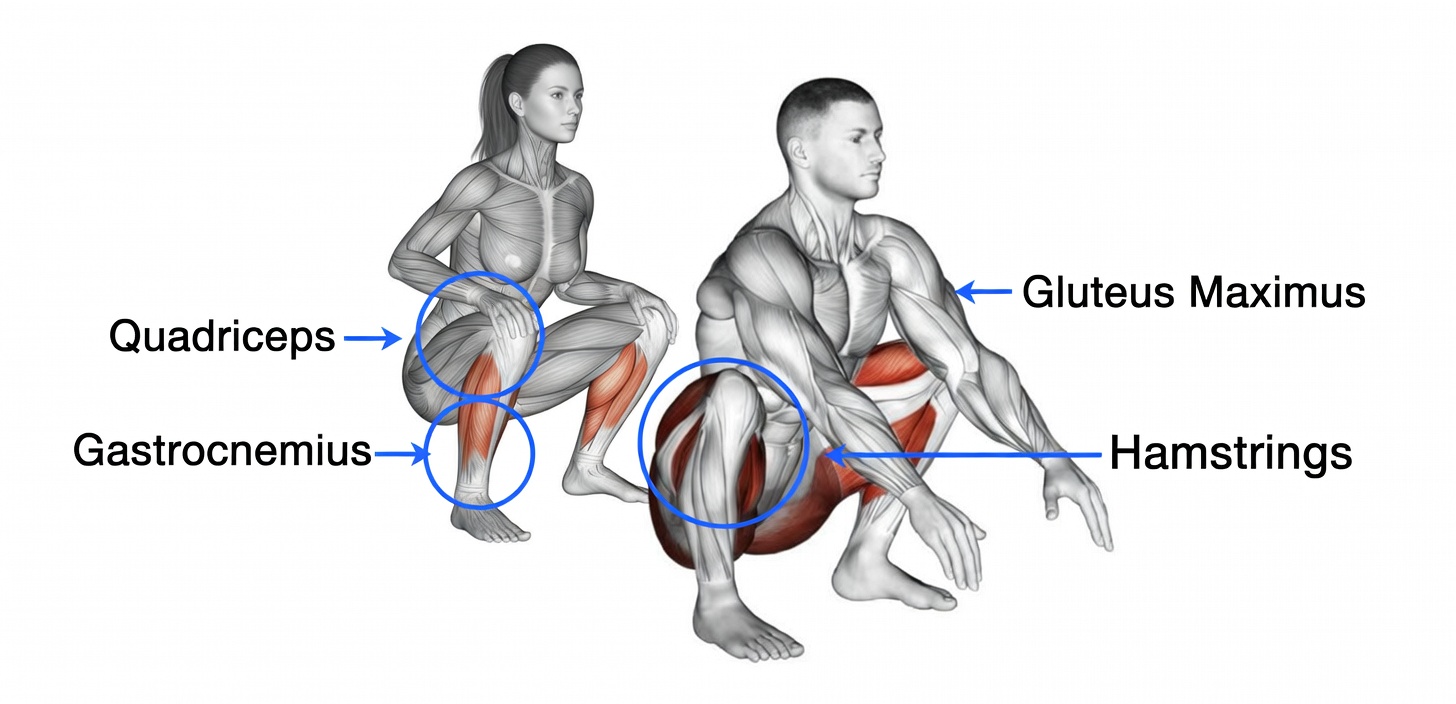
A well-known example comes from research on the Hadza, an Indigenous group in Tanzania. Scientists found that Hadza adults typically engage in at least an hour of daily physical activity, yet they also spend up to 10 hours a day resting. In terms of total sedentary time, that can look surprisingly similar to modern lifestyles.
However, the key difference is how they rest.
Researchers observed that the Hadza rarely use chairs. Instead, they often recover in squatting or kneeling positions. These postures allow the body to rest without becoming fully inactive, because muscles are still engaged to maintain balance and posture.
This may help explain why the Hadza do not commonly experience the chronic conditions often associated with sedentary living, including metabolic syndrome and prediabetes.
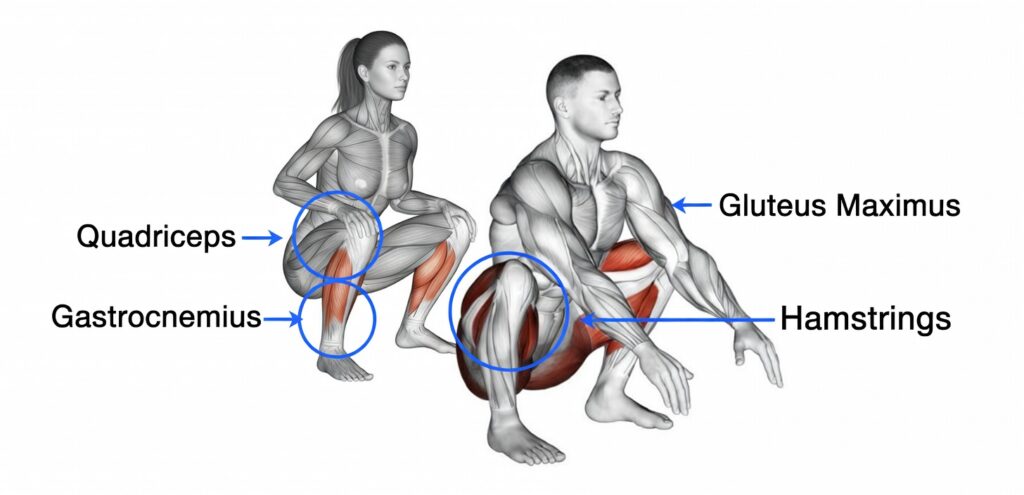
Deep squatting activates the back, hips, and legs far more than sitting in a chair. In that sense, it can help offset some of the physical effects of too much sitting. It also improves your ability to lower yourself to the floor and stand back up easily, a sign of mobility that has been associated with greater longevity.
While deep squatting may not be practical during a workday, it can easily be practiced at home, including while watching TV or relaxing in the evening.
How to Practice a Deep Squat
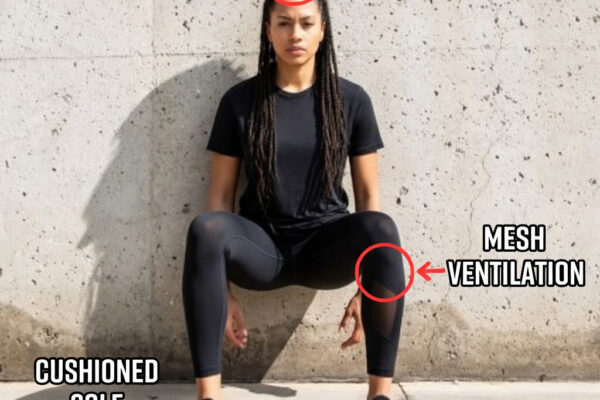
Start by standing with your feet about shoulder-width apart. From there, lower yourself into a crouched position instead of dropping onto the couch.
At first, you may need to stay on the balls of your feet. You can also lightly touch the floor or hold onto something stable for balance.
If the position feels uncomfortable, begin by holding it for around 30 seconds at a time. With regular practice, your hips and ankles can gradually loosen, making the position easier and more natural.
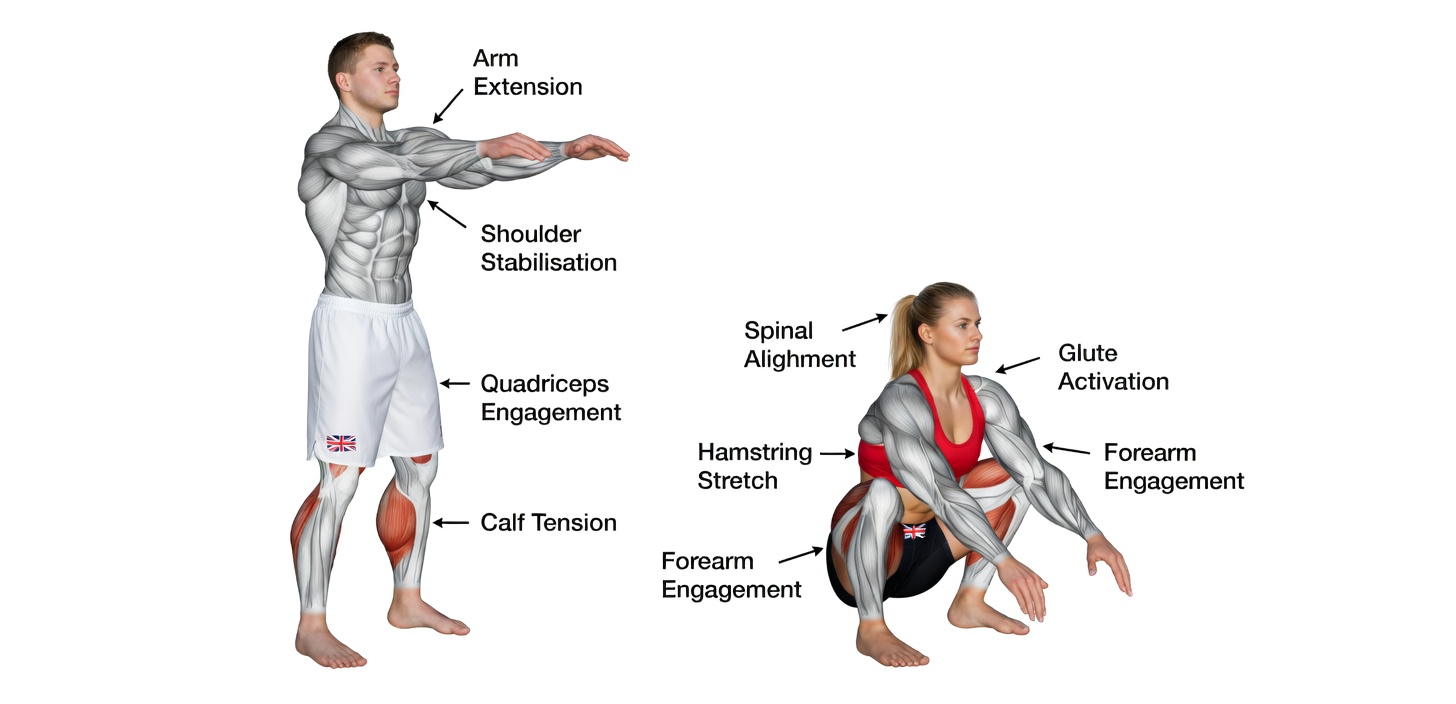
Over time, many people are able to keep their heels closer to the floor and remain in a deep squat for several minutes. This can improve flexibility, mobility, and lower-body control.
Deep squatting may also help strengthen muscles and support healthier movement patterns for the long term.
If you want to build even more lower-body strength, consider pairing deep squats with resistance exercises that target:
- Glutes
- Quadriceps
- Hamstrings
- Thighs
Why Deep Squats Matter
Adding deep squats to your routine is a simple way to break up excessive sitting and restore natural movement. The benefits may include:
- Better hip flexibility
- Improved mobility
- Greater lower-body muscle engagement
- Easier movement from the floor to standing
- Better support for long-term health and healthy aging
Recommended Reading
- The One Book You Must Read at Least Once in Your Life
- Micro Habit Stacking: 25 Small Changes That’ll Instantly Improve Your Life
- Proper Squat Form: 3 Keys To a Perfect Squat
Sources
- Owen, Neville, et al. “Too Much Sitting: The Population Health Science of Sedentary Behavior.” Exercise and Sport Sciences Reviews, U.S. National Library of Medicine, July 2010.
- Daneshmandi, Hadi, et al. “Adverse Effects of Prolonged Sitting Behavior on the General Health of Office Workers.” Journal of Lifestyle Medicine, Yonsei University Wonju College of Medicine, July 2017.
- Gersema, Emily. “Squatting and Kneeling May Be Better for Your Health than Sitting.” USC News, 28 Apr. 2020.
- Brito LB, Ricardo DR, Araújo DS, Ramos PS, Myers J, Araújo CG. “Ability to Sit and Rise from the Floor as a Predictor of All-Cause Mortality.” European Journal of Preventive Cardiology, U.S. National Library of Medicine.
- Kubo K, Ikebukuro T, Yata H. “Effects of Squat Training with Different Depths on Lower Limb Muscle Volumes.” European Journal of Applied Physiology, U.S. National Library of Medicine.